Nations don’t go to war every time, so they prefer using another strategy, like economic statecraft, to change another country’s behavior.
It’s far more calculated, and they use money, trade, and technology as weapons, etc.
It’s when a government uses economic tools, like tariffs, export bans, sanctions, investment restrictions, and energy leverage, to push a foreign government into a different policy choice, or punish one that won’t budge.
And if you think this is some niche kinda concept, just look around yourself: the US-China trade war, China’s rare earth restrictions in 2025, the collapse of Iran’s currency under sanctions, Russia cutting gas to Europe.
Every one of these is economic statecraft in action. And It’s happening at a scale we haven’t seen in decades, and understanding it tells you a lot about where global power actually sits right now, in 2026.
Why Countries Use Economic Pressure Instead of Anything Else
It’s legal, deniable, and it often works, while military force has costs everyone can see, including international backlash, casualties, and legal consequences.
But restricting chip exports or slapping tariffs on steel? They are just policies, and every nation has a right to change its policy.
Plus, they don’t need any UN resolution required, as it creates pressure on the targeted country’s economy, jobs, and public mood, which can be just as effective as a direct threat.
Governments reach for these tools when they want to signal displeasure without full escalation, force a concession in a negotiation, or look tough to their own domestic audience.
And they use it when they know the other side is economically exposed.
The Most Effective Tools Nations Use in Their Strategy

Tariffs
A tariff is a tax on imported goods; the importing country charges extra on foreign products and makes them more expensive for domestic buyers. And this often pushes buyers toward domestic alternatives or simply makes the exporter’s goods uncompetitive.
Tariffs have been used not just to protect domestic industry, but to create negotiating pressure.
President Trump and his administration started tariffs in 2018 that escalated in early 2025 under the “Liberation Day” framework. And by April 2025, the US had imposed over 100% tariffs on Chinese goods via executive orders under IEEPA.
China also retaliated to those US tariffs, and the market wobbled; however, both sides agreed on May 12, 2025, to a 115% mutual tariff reduction as a temporary truce, which opened the door to further negotiations.
But that’s also the catch with tariffs: the other side can usually retaliate. And when both sides have things the other needs, mutual tariffs become a slow-motion game of chicken where ordinary businesses and consumers end up absorbing most of the cost.
Export Bans and Restrictions
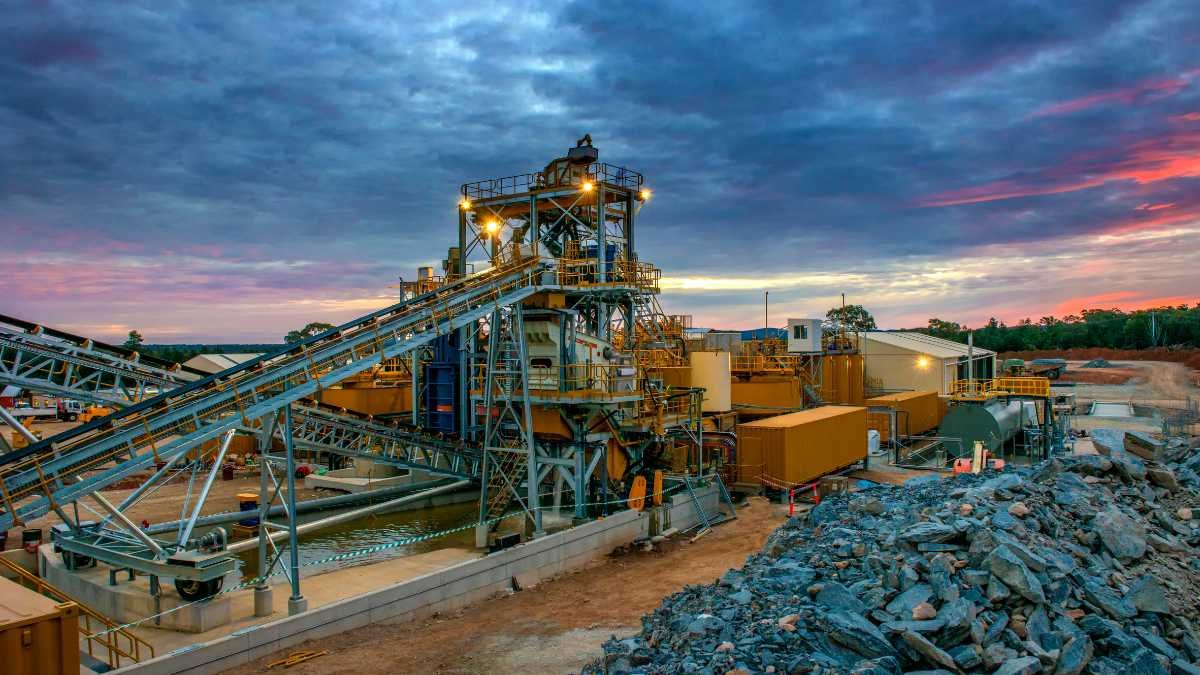
Export controls are different from tariffs in that, instead of taxing something, you don’t let your products or something leave the country.
This becomes incredibly powerful when the banned product is something the other country cannot produce itself.
The best example I can give you is that, on April 4, 2025, China restricted exports of seven heavy rare earth elements in direct retaliation for US tariffs.
These materials go into EV motors, radar systems, semiconductors, and defense hardware. And China controls more than two-thirds of global rare earth output.
Within weeks of the restrictions, auto manufacturers in the US, Europe, and Japan reported supply disruptions.
So, the Trump administration had to negotiate an emergency truce and also launch bilateral sourcing agreements with Australia, Japan, Malaysia, and Saudi Arabia.
This is what makes export controls so sharp: they hit supply chains immediately. There’s no substitute sitting on a shelf somewhere. And unlike tariffs, you can’t easily retaliate in kind unless you happen to control a comparable chokepoint.
Tech Denial and the Chip War

This is arguably the sharpest tool the US has right now.
It’s an idea to deny a rival access to the technology needed to build next-generation military systems, AI infrastructure, and advanced manufacturing.
Since semiconductors underpin almost everything modern, chips have become the core target.
In January 2026, a 25% Section 232 tariff came into effect on advanced semiconductors.
Meanwhile, the Trump administration in December 2025 reversed a Biden-era ban, allowing Nvidia’s H200 chips to be exported to China again, but under strict conditions: a 25% tariff per shipment, a volume cap at 50% of domestic US sales, and third-party testing before export.
Trump framed it explicitly as transactional: “We’re allowing them to do it, but the United States is getting 25% of the chips, in terms of the dollar value.”
However, tech denial isn’t always absolute; sometimes it’s conditional access, used as a bargaining chip in itself.
Investment Restrictions
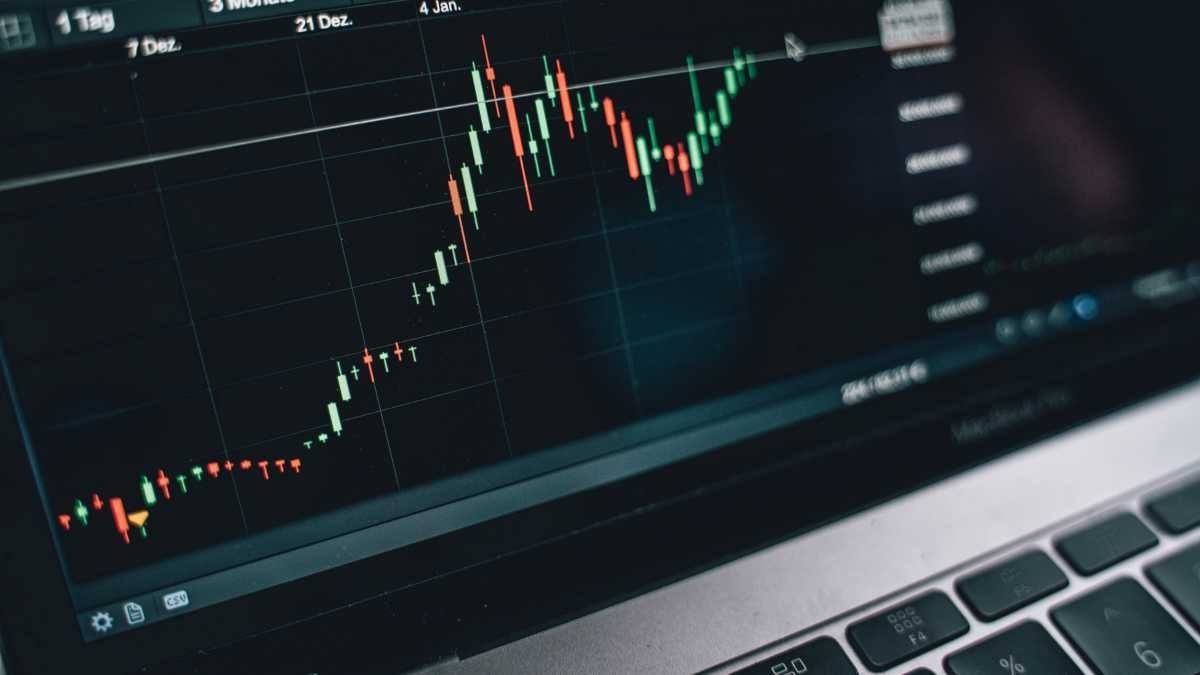
This is the quieter end of economic statecraft, but it is powerful; in this, Nations stop money from flowing into sectors that could give a rival a strategic edge.
The US built out a formal outbound investment control regime that took effect January 2, 2025; it prohibited US companies and citizens from investing in Chinese businesses working on semiconductors, quantum computing, and AI, without government approval.
In December 2025, Congress codified this into law through the Comprehensive Outbound Investment National Security Act (COINS Act), making it a permanent fixture of US national security policy for at least seven years.
Actually, the American logic was simple: US venture capital flowing into Chinese tech companies was subsidizing a rival’s capabilities. Cutting that off won’t make headlines like tariffs do, but over time it will shape who gets funded, who builds what, and how fast.
China moved in the other direction in April 2026; it published supply chain regulations that could prevent foreign firms from exiting contracts with Chinese suppliers, essentially locking companies in as a form of economic leverage.
Sanctions and Financial Pressure
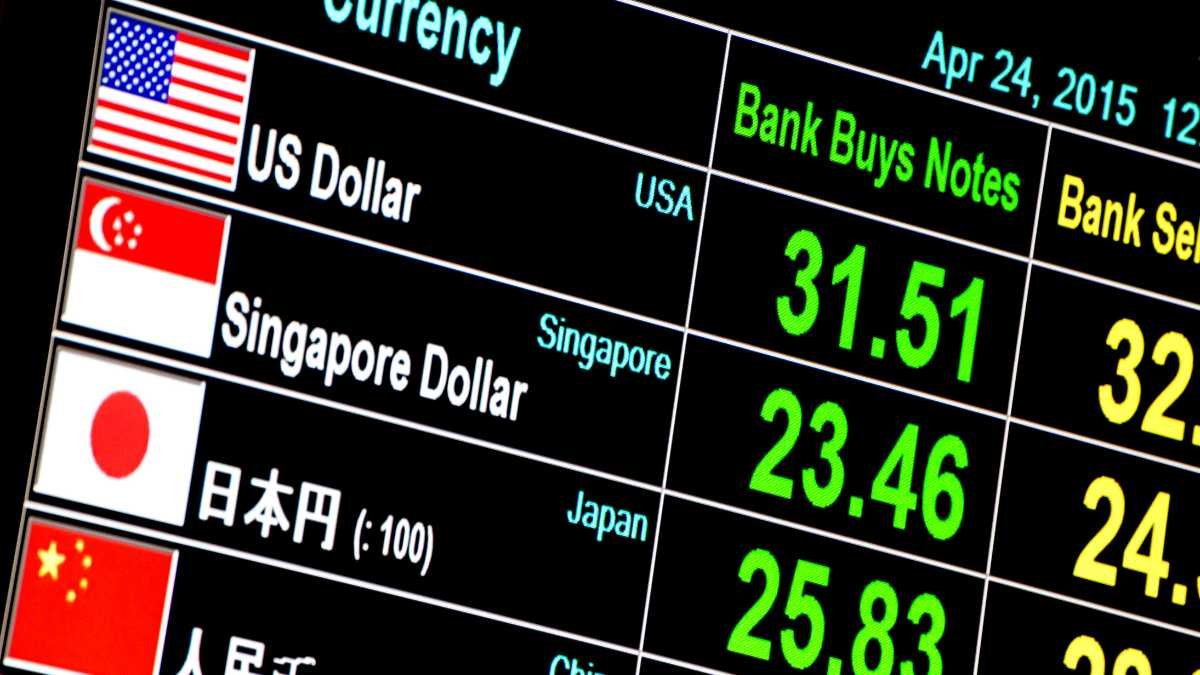
They are about cutting a country off from the financial system entirely, not just adding trade costs. And when the target relies on dollar-denominated trade or SWIFT banking access like Russia, its effect can be fast and severe.
One of the biggest cases of what sustained financial pressure does to a currency is Iran.
After the US tightened sanctions in 2012, the Iranian rial lost around 25% of its value in a single week.
- Just two years earlier, it had traded at 10,000 rials to the dollar.
- By October 2012, it was at 35,500.
Iranians were lining up at currency exchanges in panic, trying to get dollars before things got worse.
US officials at the time explicitly said the currency collapse proved the sanctions were working.
That’s what happens when you cut a country off from global finance.
Energy as a Weapon: The Case That Started It All
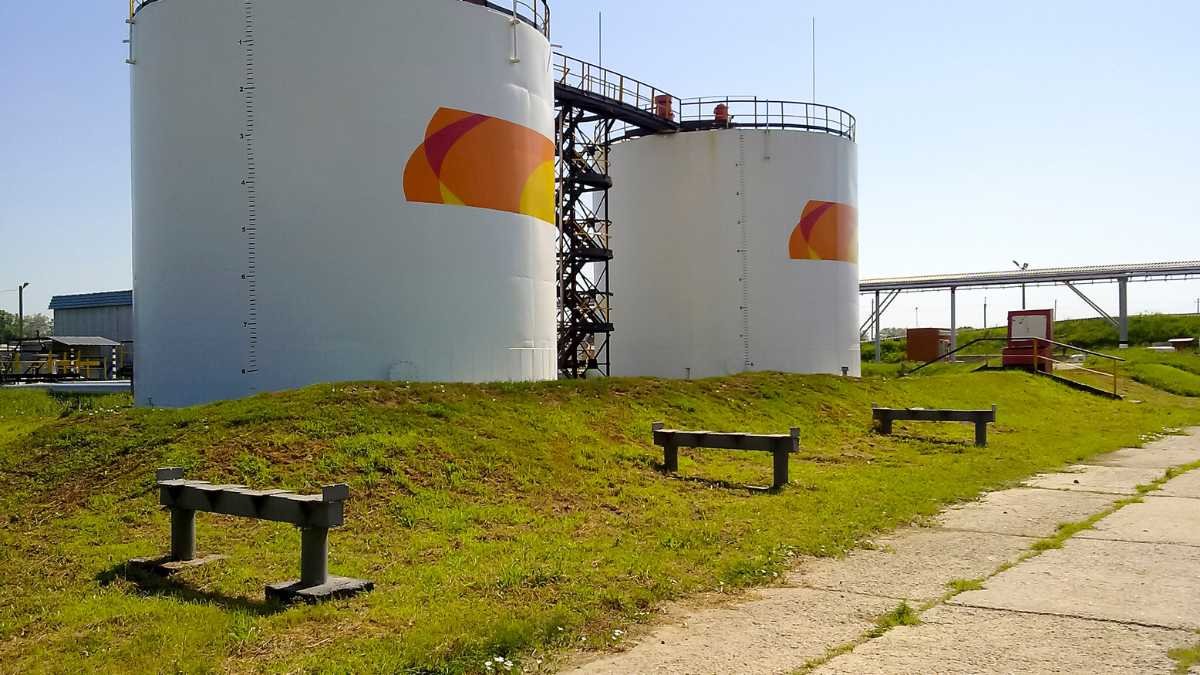
Before chips and tariffs dominated headlines, energy was the original tool of economic statecraft.
In October 1973, Arab members of OPEC, which the UAE left, announced an oil embargo targeting the United States and other countries that had supported Israel in the Yom Kippur War.
The price of a barrel of oil went from $2.90 to $11.65 by January 1974, nearly a fourfold increase. And the US experienced its first real fuel shortage since World War II; there were many long gas lines, odd-even rationing, and panic buying.
What made the 1973 embargo so effective: the US had no immediate substitute for that oil.
So, when a nation controls something the target country cannot replace in the short term, economic pressure turns into economic coercion almost overnight.
And the same logic played out decades later when Russia used its gas pipelines to Europe as leverage after 2022.
Europe’s dependence on Russian pipeline gas gave Moscow a tool it used right up until countries scrambled to find alternatives, and right now there is the European Energy Crisis in 2026.
Why Economic Pressure Often Doesn’t Work the Way Anyone Expects
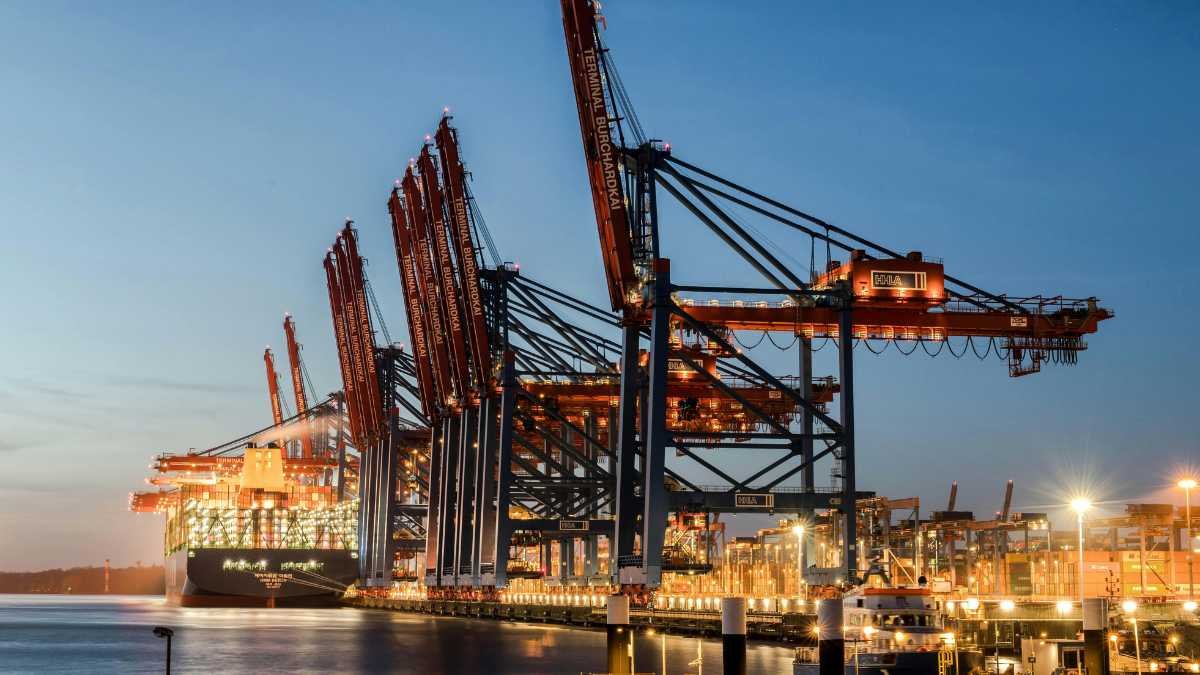
Not every economic pressure campaign succeeds. And, a lot of them fall short of what the country applying the pressure hoped for.
China’s response to US pressure in 2025 is a good case study; the US assumed China’s slowing economy and struggling property sector would make it fold quickly. It didn’t.
Instead, Beijing absorbed the tariff shock and retaliated with precision. It restricted rare earths where US defense and auto manufacturers were most exposed, while rerouting Chinese exports through Southeast Asia and Mexico to blunt the tariff effects.
China also turned US-style tools back on Washington. It used its Anti-Monopoly Law to launch retaliatory probes into Nvidia.
It invoked its Unreliable Entities List against US companies. China now has over 20 laws and regulatory tools it can deploy as economic leverage, and it has shown it’s willing to use them.
Things that determine whether economic pressure actually changes a target’s behavior:
How dependent is the target on the specific thing being restricted?
- The 1973 oil embargo worked because the US had no short-term alternative.
- The Iran sanctions worked in part because Iran depended on dollar-denominated oil transactions.
How long can the target hold out politically?
If the population under pressure rallies around the government rather than turning against it, the coercive effect weakens fast.
Iran’s leadership framed sanctions as foreign aggression, which helped them survive politically even while the economy suffered.
Is Any of This Actually Legal?
Within a country’s own borders, most of this is legal.
A government can decide where we should export, tax, or where we can invest.
- WTO rules allow tariffs, but there are some conditions attached to them too.
- Sanctions are also authorized under domestic law like the US IEEPA.
- Export controls operate under national security frameworks.
Where it gets murky
Some of these measures violate WTO commitments, especially when they’re framed as national security tools but are functionally just trade protectionism.
China and the US have both filed WTO complaints against each other’s tariffs. But WTO dispute resolution is painfully slow, and countries often act first and litigate later, if ever.
The WTO also has a broad national security exception that has been used to justify almost any trade restriction in recent years.
Currency manipulation is another gray area
If a central bank deliberately devalues its currency to make exports cheaper, that can violate IMF obligations.
But enforcement barely exists unless the US Treasury labels a country a “currency manipulator,” which is itself a political act with its own consequences.
People Also Ask
Can a country just ignore US sanctions?
Most US sanctions don’t technically bind foreign countries under international law.
What makes them so powerful is secondary sanctions.
Any foreign bank or company that does business with a sanctioned entity also risks losing access to the US financial system.
Since the dollar is still the world’s dominant reserve currency, that’s a risk most global financial institutions aren’t willing to take, which is why even countries that disagree with US sanctions policy still comply in practice.
Why doesn’t the WTO just stop all of this?
The WTO can rule against certain tariffs and trade restrictions, and it does.
But WTO rulings have no real enforcement mechanism beyond allowing the winning country to impose retaliatory tariffs of its own.
When the losing party is a major power that doesn’t comply, there’s nothing forcing them to.
Is an export control arms race bad? Doesn’t it push countries to build their own supply chains?
In theory, yes, but in practice, building alternative supply chains for things like rare earths, advanced chips, or energy infrastructure takes years and enormous capital investment.
In the short to medium term, an escalating tit-for-tat of export controls creates disruptions, raises costs for consumers and manufacturers globally, and risks making the tools themselves less credible over time.
CSIS has written about this directly, noting that the more these tools get used for trade leverage rather than genuine security concerns, the less effective they become as security tools when they’re actually needed.
Conclusion
One thing is clear that economic statecraft has stopped being an exceptional tool and has become a standard feature of how powerful countries deal with each other.
The US, China, the EU, and others are all building their offensive capabilities through export controls, tariff mechanisms, and investment screening, while also trying to reduce their own vulnerabilities through friend-shoring, domestic manufacturing, and supply chain diversification.
That creates a world where economic integration, the thing that was supposed to make large-scale conflict obsolete, is being actively rewired along geopolitical lines.
So, right now, a country’s best position is having chokepoints: controls the rare earths, the chip fabs, shipping lanes, energy pipelines, etc.

Abraham is the founder and sole writer of Geopolitics Decoded. Based in New Delhi, India, he has been researching and analyzing international affairs since 2019, with a focus on great-power competition, European security, energy geopolitics, and global diplomacy. He is currently pursuing independent coursework in global diplomacy through SOAS University of London. His fact-based, deeply contextual analysis has earned millions of interactions across social media platforms, including Threads and Instagram. Every article on this site is independently researched, written, and verified by Abraham personally. Read Abraham’s full author bio