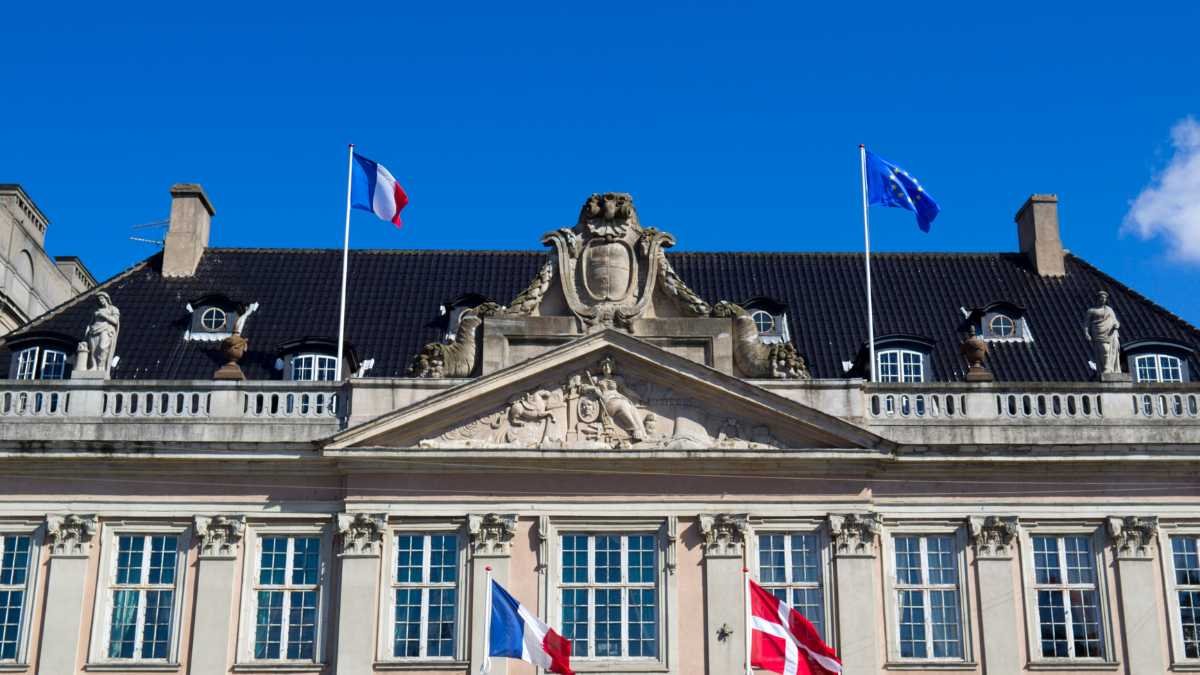

The WTO dispute settlement crisis has been going on for the last 6 years. It’s June 2026, but it is still not fixed.
Since December 2019, WTO’s Appellate Body, which is the final court for global trade disputes, has been unable to hear a single appeal.
The US blocked all new judge appointments, and when existing members’ terms ran out, nobody replaced them.
It was started under Trump, kept going under Biden, and the second Trump administration that came in January 2025 has made it clear it has no interest in changing anything.
What this crisis creates in practice is a system where any country that loses a WTO ruling can just file an appeal, knowing there is nobody on the other side to actually hear it.
Trade lawyers call this “appealing into the void.” And also it is not just the US doing it.
Research published in International Affairs by Oxford University Press in May 2025 found that many countries, not just Washington, are now using this gap to block rulings they do not like.
So what we have right now is a system where the most powerful countries in the world can ignore trade law, and nothing happens; that’s the crisis.
How the WTO Dispute System Worked, and Why It Broke
The WTO’s dispute system launched in 1995, and the way it worked was simple enough:
- One country files a complaint against another, a panel of experts reviews it, and a ruling comes out.
- If a nation lost and wanted to challenge the ruling, it could take it to the Appellate Body, which was a higher review panel.
- If that nation lost there too and refused to fix your trade policy, the winning country could be allowed to hit you with retaliatory tariffs.
For around two decades, the system mostly held up, and even big economies used it and, sometimes not happily, followed through.
Where the US Started Losing Faith in It
The US started having real problems with the system going back almost 20 years.
Washington’s argument was that:
The Appellate Body kept going beyond what was written in WTO agreements, creating new obligations on its own and overriding American decisions.
And yes, these complaints were not baseless; several trade law experts have acknowledged the Appellate Body did stretch its role over time.
How the Appointments Just Stopped
Instead of pushing for a negotiated fix, the Trump administration, starting around 2016, just stopped letting new appointments happen.
Every time a member’s term ended, the seat stayed empty.
By December 11, 2019, the Body fell below the three judges it needed to function, and it has been empty ever since.
What “Appealing Into the Void” Means
Under WTO rules, a losing party has 60 days to appeal a panel ruling. If they appeal, the case goes to the Appellate Body.
But with no Appellate Body to receive it, the appeal just sits there, forever.
The panel ruling never becomes final, never gets enforced, and the country that broke the rules faces no consequences.
The US Used It First, Then Others Followed
The US worked this out quickly, in 2020, when a WTO panel ruled that its Section 301 tariffs on Chinese goods broke trade rules, Washington filed an appeal into the void. Which frozen the case, and China could not get compensation.
Other countries watched and started doing the same thing.
Between 1995 and 2019, WTO members filed 169 appeals.
But between 2020 and 2024, that number dropped to just 26, and many of those were countries using the void appeal as a blocking move.
A January 2026 analysis from the SAIS Review at Johns Hopkins mentioned: both the US and China are now imposing unilateral tariffs and handing out industrial subsidies while the system meant to stop them sits frozen, It is like a tool of economic statecraft.
What Countries Are Doing to Work Around It
The MPIA: A Substitute System That Is Growing, But Has Limits
In January 2020, at Davos, the EU, China, and 15 other countries agreed to build a backup system called the Multi-Party Interim Appeal Arbitration Arrangement, or MPIA.
Instead of using the dead Appellate Body, MPIA members use a separate part of WTO law, Article 25, which allows countries to agree to settle disputes through arbitration.
It is not a replacement for the real thing, but it is a working version of something similar.
As of March 2026, the MPIA has 61 members, including the EU, China, Brazil, Japan, Canada, and the UK, which joined in June 2025; together they cover around 60% of global trade.
It has also produced decisions; for example, in July 2025, MPIA arbitrators handed down a ruling in a dispute between the EU and Brazil over poultry imports.
The first ever MPIA ruling came in December 2022, when a case between the EU and Colombia over frozen fries was decided.
The number of cases going through it has slowly grown since then.
However, the only big gap is that some nations like the US and India are not there.
Without the world’s largest economy participating, the MPIA only works when both sides in a dispute happen to be members.
What India Is Doing Instead
India’s decision to stay out of the MPIA is a deliberate one; New Delhi’s view, shared with several other developing countries, is that accepting the MPIA as a workaround makes it easier for the US to keep ignoring the problem.
So the argument is: if you build a comfortable substitute, you remove the pressure to fix the original.
A July 2025 piece in The Conversation laid this out well, noting that India wants the real Appellate Body back, not a parallel system that sidesteps its rights under actual WTO rules.
There is also a practical side to it: India has live disputes with the US and the EU.
Signing into a WTO Dispute alternative legal framework could complicate where those cases end up and which body gets to rule on them.
The US Position, as of 2025
The 2025 US Trade Policy Agenda from the USTR is direct: the US says the Appellate Body and WTO panels cannot be allowed to rewrite trade rules through their own rulings, and that serious reform is needed before Washington will participate in any restored system.
The US has also floated the idea of an “opt-in” model, where countries decide case by case whether they accept the Appellate Body’s authority, similar to how the International Court of Justice works.
Most other WTO members see this as hollowing out the system, since you could just opt out any time you expected to lose.
Countries Just Going Around the WTO Entirely
A lot of countries have stopped waiting, so they are settling trade disputes directly with each other through negotiations, one-on-one deals, or just dropping cases that go nowhere.
WTO’s own records show formal WTO litigation has dropped sharply since 2020.
For big economies with leverage, this is manageable, but for smaller ones, it’s a problem, because when they take away the rules-based system, all they have left is whoever has more economic power.
What Happened at MC14 in Yaoundé, March 2026
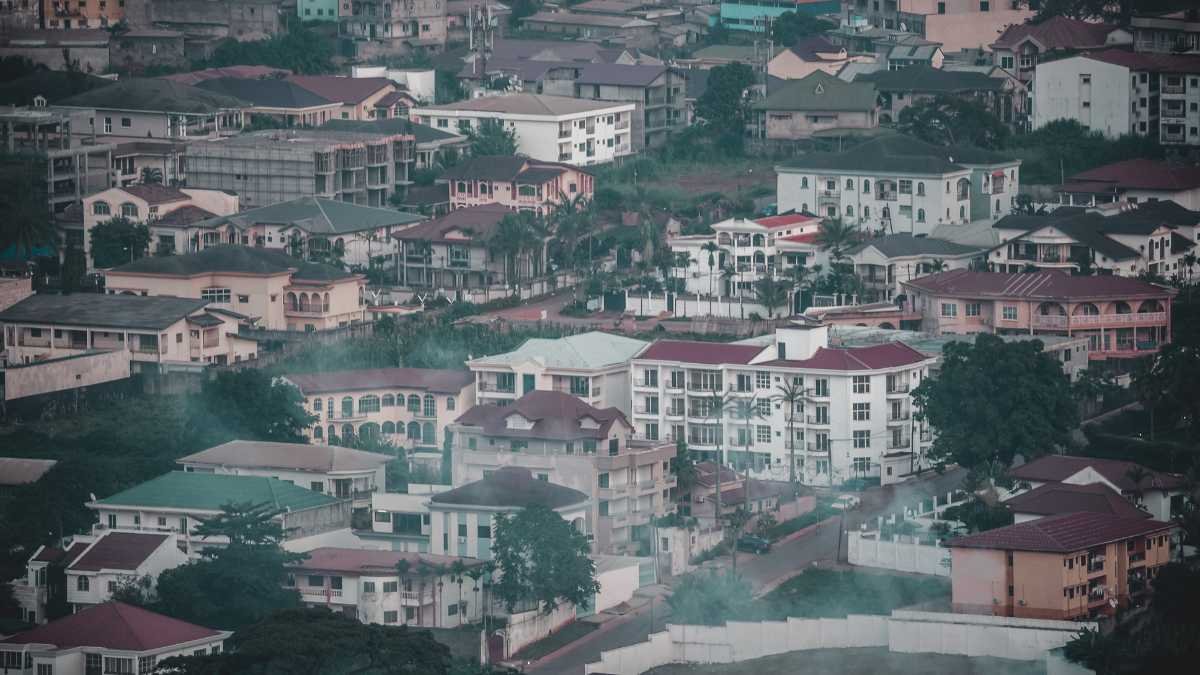
The WTO’s 14th Ministerial Conference was held in Yaoundé, Cameroon, from March 26 to 30, 2026.
It was being treated as a significant moment for the organization, and WTO Director-General Ngozi Okonjo-Iweala opened the conference by saying the world trading system was going through “the worst disruptions in the past 80 years.”
What the Conference Produced?
The conference closed without an overall agreement, so there was no ministerial declaration, binding decision on dispute settlement reform, and not even a deal on reinstating the Appellate Body.
The chair of the conference acknowledged they simply “ran out of time.”
A draft declaration on WTO reform had been put on the table but got pushed forward to the next ministerial conference, MC15, for any action.
So what did it move?
The MPIA grew to 61 members during the conference period, and WTO members agreed to keep talking in Geneva.
A small but still a good sign that the system is not completely written off: in 2025, WTO members filed 13 new cases, the most since the Appellate Body went dark in 2019.
That at least shows some confidence that the first round of dispute panels still has value, even with no working appeals stage above it.
Who Is Actually Benefiting From This Situation
The US: No Rules, No Consequences
The US is the winner here, because it can impose tariffs, get ruled against by a WTO panel, appeal into the void it created, and face zero consequences.
That is exactly what happened in 2020 with the Section 301 China tariff case: a panel found the tariffs broke WTO rules, then the US appealed into the void and nothing changed.
Also, there is a certain irony in being the country that built and championed this system for decades, and then being the one to disable the part that could hold you accountable.
China: Playing Both Sides
China’s situation is more layered, and it publicly presents itself as a defender of the rules-based trading system.
Here’s how it shows itself as a defender:
- It joined the MPIA
- It co-wrote reform proposals with the EU, and China’s WTO ambassador called the US a “rule breaker” at a 2022 Dispute Settlement Body meeting.
But China also benefits when enforcement is weak; here is how:
- When rulings go against it, the broken appeals system reduces the pressure to comply.
- And because the US is outside the MPIA, China gets to use that system when it is useful to do so, while knowing the US cannot turn it back on Beijing.
So a general pattern that I see is that the bigger and more powerful your economy, the better you do when the rules system weakens, and maybe things may change with BRICS expansion and its growing influence.
Who Is Actually Losing Here
Developing Nations and the African Group
Small and developing nations, especially the ones that don’t have the economic size to win negotiations with large trading partners and do not have the legal teams to handle complex WTO cases on their own.
The African Group at the WTO has been consistent about this; African countries consider restoring the Appellate Body a top priority and have said explicitly they do not see the MPIA as a good enough replacement.
They have already run into situations where they wanted to use the appeal system but couldn’t.
What It Means for Businesses Right Now
For businesses, the damage is quieter, but they’re facing it.
A 2025 Oxford Economics study done for the International Chamber of Commerce looked at ten developing economies including Brazil, India, Indonesia, South Africa, and Egypt, and found that a breakdown of the WTO system would hit them hard.
For companies doing cross-border trade, not knowing whether a government’s trade measure can be challenged and enforced.
And it means more uncertainty in contracts, supply chain decisions, and investment planning.
Will This Crisis Get Resolved
Probably not in a way that restores what the system was designed to be, at least not anywhere soon.
The US Is Not Moving
The main issue is that the US is not going to agree to restore a system it believes ruled against it unfairly for years.
I read the 2025 USTR report, and it makes clear that Washington’s position has hardened, not softened, under Trump’s administration.
And because WTO decisions need full agreement from all members, one country can block reform indefinitely.
What Is More Likely to Happen
What seems more likely is a slow split, as countries inside the MPIA build out their own working system.
Countries outside, such as the US, India, and most of Africa, operate in an environment where trade disputes get settled more through negotiation and economic pressure than through formal rulings.
The WTO does not collapse, but it becomes a two-track institution: rules-based for the group that has opted into it, and leverage-based for everyone else.
Research cited in a 2025 Aceris Law analysis found that as the MPIA has grown, economic cooperation among its members has increased, and pressure on outsiders to join has grown too.
If it keeps expanding and eventually pulls in enough of global trade to matter on its own terms, staying out will start to carry a cost.
However, right now that process is slow, and in the time it takes, especially for smaller export-driven economies, global trade carries more legal uncertainty than it has at any point since 1995.
FAQs
Other countries have tried pressuring the US to fix this, so why has it not worked?
Because the US doesn’t need the WTO’s dispute system the way most countries do.
When you have the world’s largest economy and the dollar, you have options, right?
So the political argument in Washington, that the Appellate Body overstepped and threatened American sovereignty, also has support across both parties.
Biden kept the blockage going even while talking about multilateralism.
The MPIA rulings are enforceable, or is it just paperwork?
They are binding on the countries involved in the specific dispute, yes, but it only works if both sides in a dispute are MPIA members.
If the US is on either side of a case, the MPIA does not apply at all.
So it is enforcement for the 61 members when they fight each other, but it does nothing about the biggest trade conflicts involving Washington.
Why does India not just join the MPIA? What is it waiting for?
India’s argument is that accepting the MPIA removes the pressure on the US to actually fix the original problem.
If everyone builds around the broken system, the broken system never gets fixed.
India also has active disputes with the US and EU, so joining a parallel legal framework could affect where those cases end up and how they get handled.
How does this actually affect businesses trading across borders right now?
When there is no reliable way to challenge another government’s trade policy and get enforcement, companies price that risk into decisions.
They are more cautious about supply chain investments in places with active trade disputes.
Contracts get more complicated, and for small and medium-sized exporters in developing countries, this kind of uncertainty hits harder because they cannot absorb the cost the way big multinationals can.
Is there any realistic chance the Appellate Body gets restored before MC15?
Very unlikely; the reform talks coming out of MC14 in March 2026 were deferred to the next ministerial.
And there is no deadline forcing the US to change its position, no enforcement mechanism that compels it, and no sign internally that the current administration sees this differently than the last two did.

Abraham is the founder and sole writer of Geopolitics Decoded. Based in New Delhi, India, he has been researching and analyzing international affairs since 2019, with a focus on great-power competition, European security, energy geopolitics, and global diplomacy. He is currently pursuing independent coursework in global diplomacy through SOAS University of London. His fact-based, deeply contextual analysis has earned millions of interactions across social media platforms, including Threads and Instagram. Every article on this site is independently researched, written, and verified by Abraham personally. Read Abraham’s full author bio