Diplomatic immunities and privileges are the legal protections that stop a host country from arresting, prosecuting, or taxing a foreign diplomat, so the diplomat can do their job without the fear of local pressure or local courts being used against them.
It’s still being tested right now, in 2026, in places like South Africa, the Philippines, and even inside international organizations like the Council of Europe.
I’m writing this in June 2026, and honestly, this topic has been in the news more this year than I expected.
What Diplomatic Immunities and Privileges Actually Cover

Immunity means diplomats can’t be arrested, detained, or taken to court in the country they’re posted to.
Privileges are more like the perks that come with the job, like not paying certain taxes, or having your bags skipped at customs.
The Main Categories
- Personal inviolability: a diplomat can’t be arrested or detained, no matter what they’re accused of.
- Immunity from jurisdiction: they can’t be tried in the host country’s criminal courts, and mostly not in civil or administrative courts either
- Inviolability of premises: embassies, residences, even diplomatic vehicles can’t be entered or searched by local police without permission.
- Tax exemptions: diplomats and their missions usually don’t pay income tax, property tax on the embassy, or import duties on personal goods.
- Freedom of communication: diplomatic bags and official communications can’t be opened or intercepted by the host state
Immunity doesn’t mean the diplomat did nothing wrong, and it doesn’t mean the law doesn’t apply to them.
It just means the host country’s courts can’t be the ones to enforce it.
The sending country, meaning the diplomat’s own government, still can.
So if a diplomat commits a crime abroad, their home country can prosecute them back home, or at least that’s how it’s supposed to work.
Where This Idea Came From, And Why It Was Needed
It goes back thousands of years, to ancient Greece, Rome, and even further back than that.
Envoys carrying messages between kings or city-states were treated as sacred, because if you killed or imprisoned someone’s messenger, that was an act of war, and everyone knew it.
1961 Treaty That Made It Official

But the modern version, the one we use today, comes from the Vienna Convention on Diplomatic Relations, signed in 1961.
This is the legal backbone of every diplomatic immunity rule that exists right now.
Before 1961, countries had customs and one-off agreements, but they weren’t the same and consistent.
Many times they even caused problems, like diplomats getting harassed or even attacked because one nation wasn’t following the rules as another.
Also, the reasoning behind the Vienna Convention was simple, and it makes sense.
If countries are going to talk to each other, especially during tense times, like during the Cold War, ceasefire, when this treaty was signed, both sides need to know their representatives are safe.
Otherwise, no country would send its people anywhere risky, and diplomacy or even Track II diplomacy itself would stop working.
How This Plays Out in Real Diplomatic Relations Today
In 2026, we’ve actually had an example of how this works in practice.
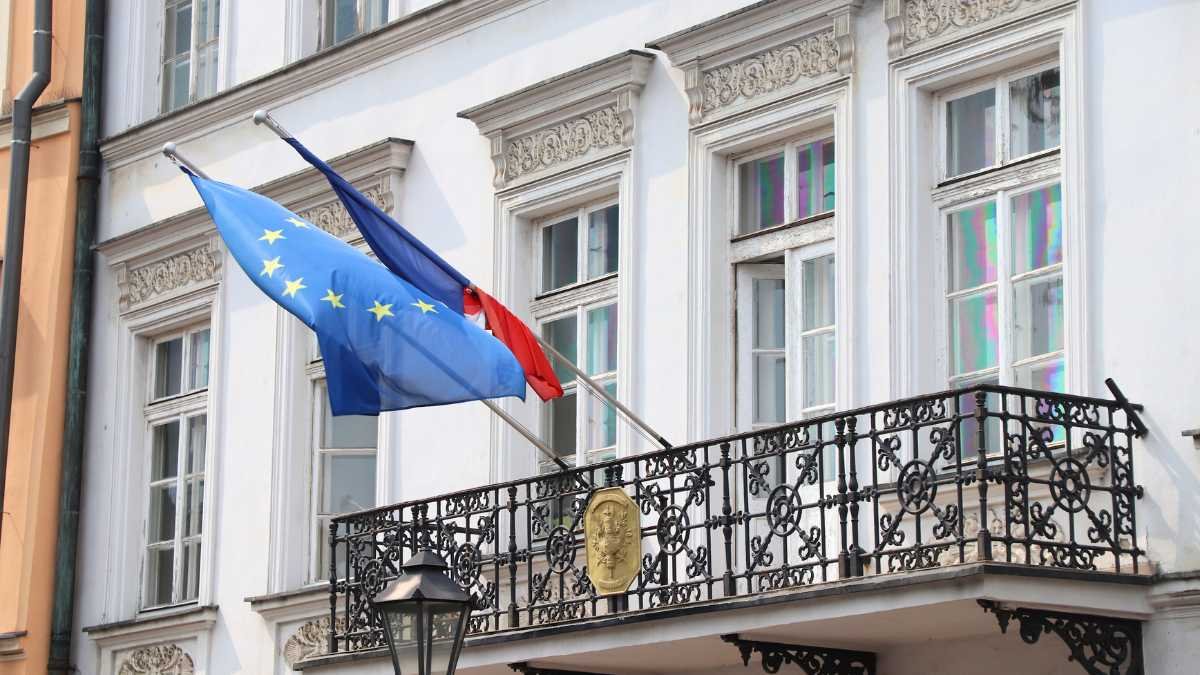
On January 30, 2026, South Africa declared Israel’s charge d’affaires in Pretoria, Ariel Seidman, as persona non grata, giving him 72 hours to leave the country.
South Africa’s foreign ministry accused him of attacking President Cyril Ramaphosa on social media and failing to inform them about visits by senior Israeli officials, which they called a breach of the Vienna Convention.
Israel responded the same day by declaring a senior South African diplomat, Shaun Edward Byneveldt, persona non grata too, also giving him 72 hours.
So you had two countries kicking out each other’s senior diplomats on the very same day.
What This Tells Us
In this Israeli and South African example, nobody arrested or put either diplomat on trial in a local court.
Even when a country is furious at a diplomat, even when they’re accusing them of “gross abuse of diplomatic privilege,” the actual legal tool available is still just sending them home.
Diplomatic Immunity vs Consular Immunity, and Why the Difference Matters
- Diplomatic immunity under the Vienna Convention on Diplomatic Relations is broad; it covers everything a diplomat does, official or personal.
- Consular immunity, under a separate treaty called the Vienna Convention on Consular Relations from 1963, is narrower. Consular officers, like the staff at a consulate who handle visas and help citizens abroad, only get immunity for things they do as part of their actual job.
A Case That Shows the Difference
We can understand the difference from the 2013 Devyani Khobragade case, in that an Indian deputy consul general in New York was arrested by US authorities, and the US alleged her of visa fraud and underpaying her domestic worker.
India was furious and said she had immunity, but the US argued that her immunity, as a consular officer, only covered things she did for her job, and hiring household help wasn’t part of that job.
India then moved her to a full diplomatic post at the UN to give her stronger protection, and the case was dropped after she left the US.
This case still comes up a lot when discussing what diplomatic immunity actually covers, because it shows that it depends on the person’s actual title and role, not just the word “diplomat” being used loosely.
When a Country Simply Says No to Diplomatic Immunity

Most of the time, countries grant immunity automatically once they accept someone as a diplomat.
But last month, that I think is a really good example of the other side of this: a country actively refusing to extend it.
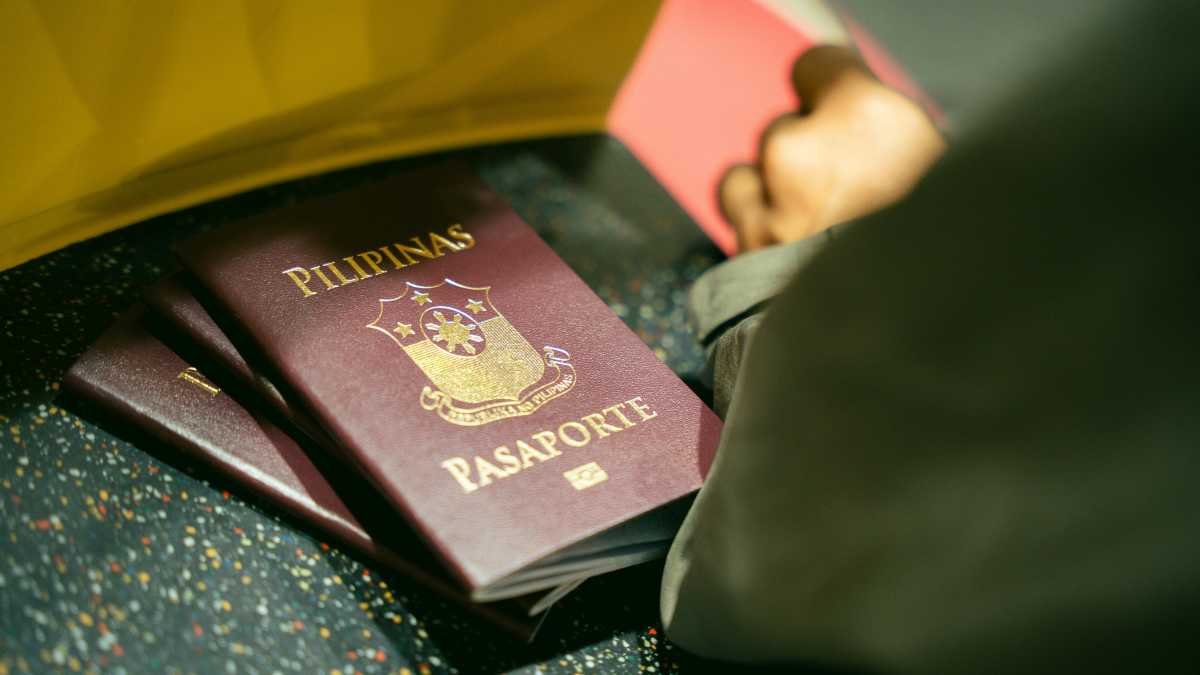
In May 2026, the Philippines rejected a request from the United States to place a planned artificial intelligence hub, a massive 1,619-hectare site in New Clark City, under American law and grant diplomatic immunity to US personnel working there.
The head of the Bases Conversion and Development Authority, Joshua Bingcang, told reporters simply that there would be no special arrangement for the US government on this.
It shows immunity gets negotiated for new projects, military arrangements, or, in this case, a tech and AI facility.
And a host country can say no, even to a powerful ally.
Immunity is never automatic just because someone is a foreign government employee; it has to be granted, agreed to, or covered under an existing treaty that both sides recognize.
Does Immunity End When the Job Ends?
It surprises a lot of people: immunity doesn’t always disappear the moment someone leaves their post.
Under Article 39(2) of the Vienna Convention, immunity continues after someone’s term ends, but only for things they did while officially doing their job.
So it’s protection tied to the act itself, not to the person forever.
A Recent Example of a Waiver
We actually saw this play out this year, in February 2026; the Council of Europe’s Committee of Ministers waived the immunity of its former Secretary General, Thorbjørn Jagland, after Norwegian authorities asked to pursue corruption-related proceedings against him.
The decision followed media revelations from late 2025. The Committee noted that under the Vienna Convention rules, immunity for former officials continues for things done in an official capacity, but it isn’t permanent or untouchable; it can be taken away by the organization that granted it in the first place.
Here are Key Point Here
- Immunity is not the same as innocence, and it’s not the same as being above the law forever.
- It’s a protection that belongs to the sending country or organization, not to the individual personally.
- That’s why it can be taken away, and in this case, it was.
- The home side decided the protection wasn’t worth keeping, given what had come out.
What Would Happen Without Diplomatic Immunity
If immunity didn’t exist, here’s roughly what would change, and some of it cuts both ways.
- Hostile host countries could pressure diplomats through arrests, fake charges, or harassment, especially during tense periods, using the legal system as a political weapon
- Embassies could be raided by local police any time a government wanted to make a point, which would make secure communication between countries nearly impossible
- Diplomats would avoid postings in countries with weak or politically-controlled courts, meaning fewer channels for talks exactly where they’re needed most
- On the flip side, people harmed by a diplomat, like in car accidents or disputes with household staff who work for them, would have a normal path to justice in local courts, which right now they often don’t
What Happens In Serious Crimes?
The diplomatic immunity system protects communication between governments, which is valuable, but it does that partly at the cost of fairness in individual cases.
There’s even a 2026 legal paper that looks at this exact gap, and it points out that for the worst crimes, like torture, immunity can mean nobody is ever held responsible anywhere, not in the host country, and not back home either if the home country chooses not to act.
There is a suggestion in that paper that other countries could step in for extreme-level cases.
However, it’s a discussion among legal experts; there is nothing the same in practice.
How Strictly This Gets Enforced Depends a Lot on Where Diplomats Are
In countries with strong, independent legal systems and stable relationships with other countries, immunity disputes are rare and usually sorted out quietly, often before they ever make the news.
What if Relations Are Already Tense

In regions where relations are already tense, like what we’re seeing between South Africa and Israel, or in the Russia-Ukraine conflicts where hundreds of diplomats have been sent home since 2022, immunity has become closer to a tool countries use to send a message, not only for legal protection.
The treaty text doesn’t change, but how it gets tested, and how publicly, depends on how the two countries are getting along at that moment.
So when you read about a diplomatic immunity case, it’s worth asking: is this really about the individual, or is it about the bigger relationship between the two governments right now?
Conclusion
So, looking at everything from this year, the South Africa and Israel expulsions, the Philippines pushing back on a US immunity request, and the Council of Europe waiving immunity for a former official, you can see this as an old-fashioned rule sitting in a treaty nobody touches.
It’s a working system that countries actively use, test, and sometimes refuse to apply, depending on what’s going on between them at the time.
Diplomatic immunities and privileges exist for one core reason: keeping the channels of communication between governments open and protected, even when those governments are frustrated with each other.
It’s not a perfect system, and it does leave some accountability gaps, especially in cases that involve regular people harmed by a diplomat’s actions.
Right now, it is a framework that the whole world follows, and given what has happened just in the first half of 2026, it doesn’t look like that’s changing anytime soon.
Questions People Ask About This
Can a diplomat’s home country waive their immunity if they’re accused of something serious?
Yes, and we literally saw it happen with the Jagland case in February 2026.
The immunity belongs to the state or organization, not the person, so the sending side can choose to waive it and let the host country’s courts proceed.
If a diplomat is involved in a serious crime, like causing a death, does immunity mean nothing happens at all?
Not exactly nothing, but it does mean the host country can’t put them on trial locally.
What typically happens is the host country declares the person persona non grata, and they’re sent home, and then it’s up to their own government whether to prosecute them there.
Now, whether that actually happens depends on political pressure and how much public attention the case gets.
Does diplomatic immunity cover family members too?
Generally yes, immediate family members living in the diplomat’s household are covered under the same provisions, which is one of the more debated parts of the system.
Since it extends protection to people who aren’t doing any official diplomatic function themselves.
Why didn’t the US just arrest the diplomat in the Khobragade case if they thought a crime happened?
They did arrest her initially, before her status was upgraded, which is partly why it became such a major diplomatic incident between the US and India at the time.
It’s a good example of how immunity status can change mid-case depending on someone’s official posting, and how messy that gets when it happens publicly.

Abraham is the founder and sole writer of Geopolitics Decoded. Based in New Delhi, India, he has been researching and analyzing international affairs since 2019, with a focus on great-power competition, European security, energy geopolitics, and global diplomacy. He is currently pursuing independent coursework in global diplomacy through SOAS University of London. His fact-based, deeply contextual analysis has earned millions of interactions across social media platforms, including Threads and Instagram. Every article on this site is independently researched, written, and verified by Abraham personally. Read Abraham’s full author bio