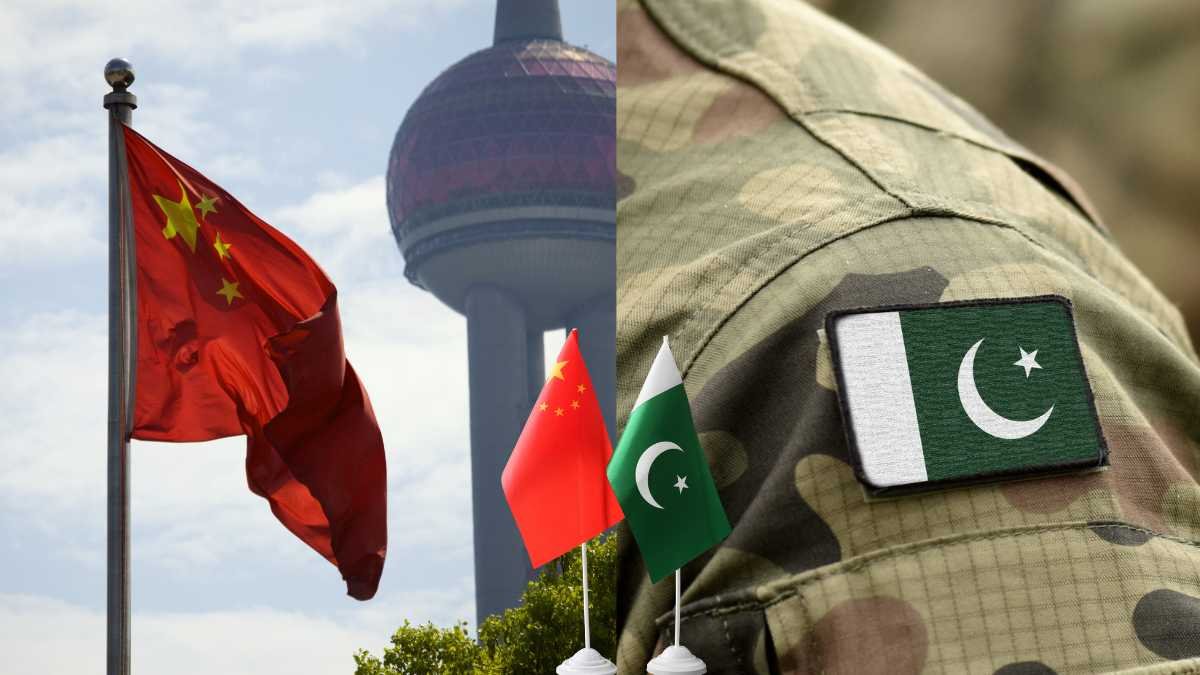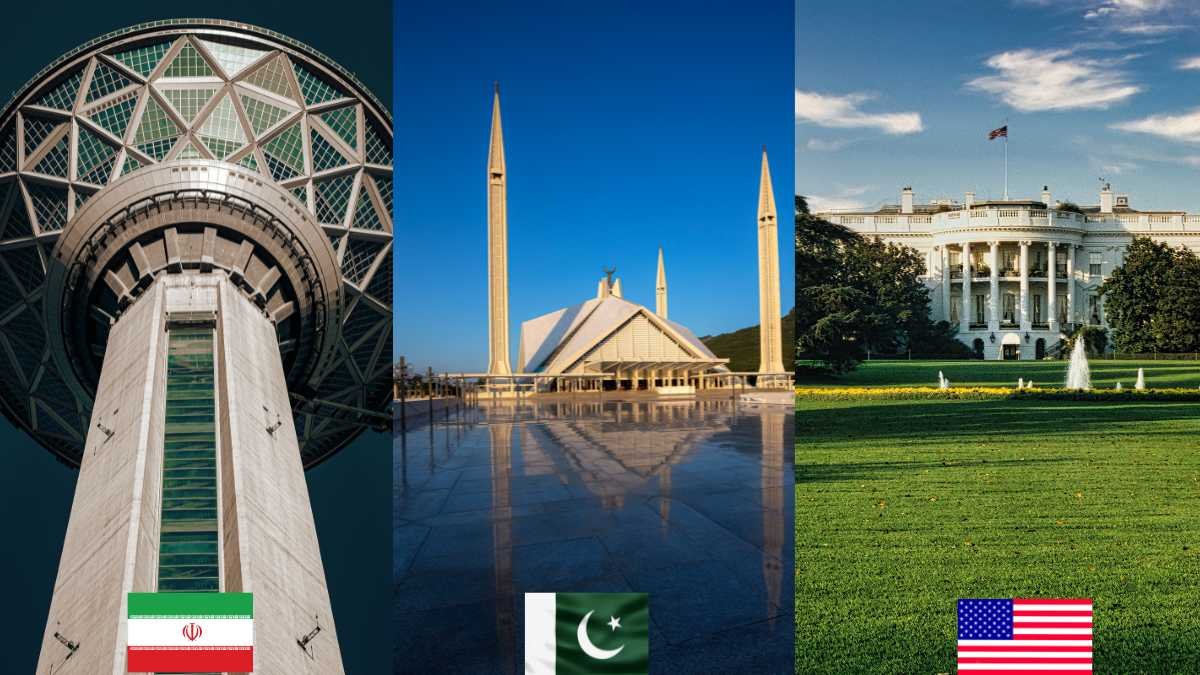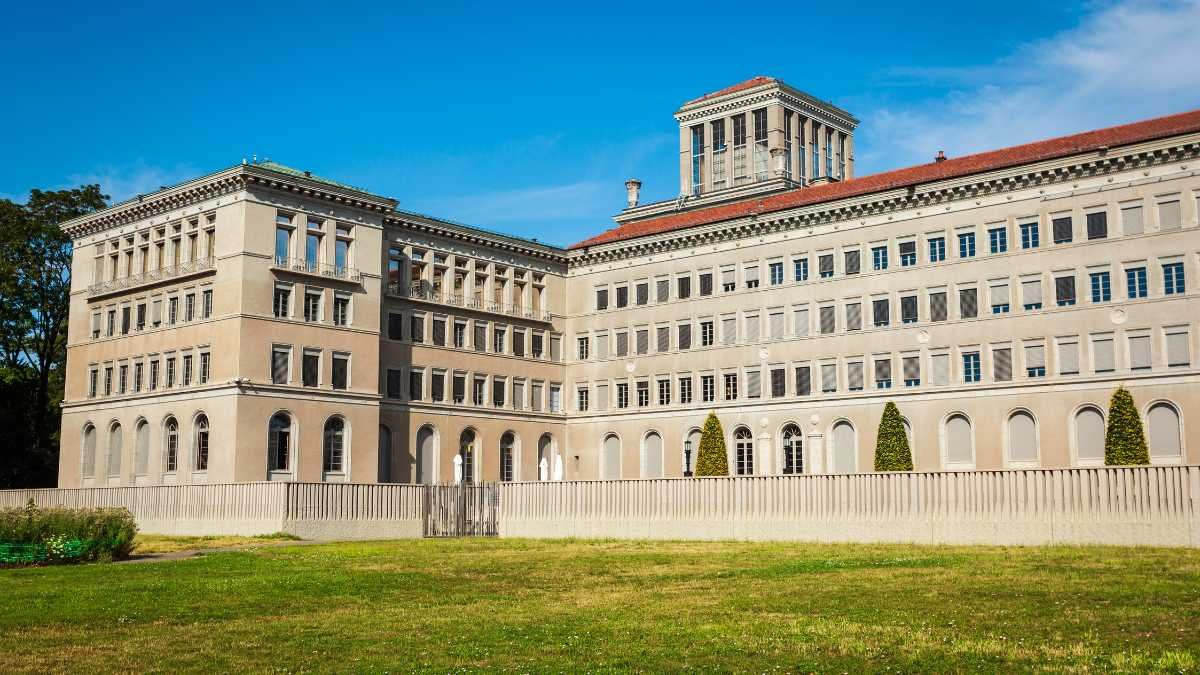
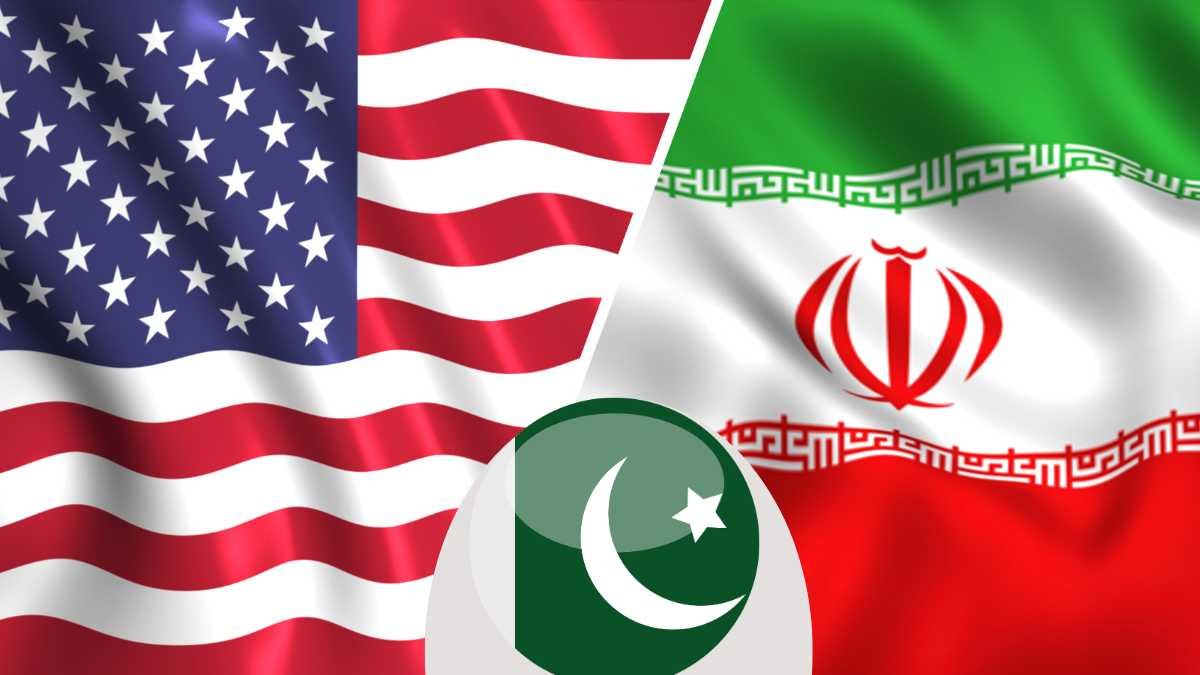
Pakistan is the mediator that got US and Iranian officials talking again after nearly four months of war, and now, both sides are set to sign Islamabad memorandum of understanding (MOU) in Geneva, Switzerland, this Friday, 19 June.
But how is it possible for Pakistan to do such big mediation? If we go back to Donald Trump’s first term and his relationship with Pakistan, they weren’t friendly at all.
He once accused Pakistan, in a public post, of giving the US “nothing but lies” in return for billions in aid.
Fast forward to 2026, and the same Trump calls Pakistan’s army chief, Field Marshal Asim Munir, his “favorite field marshal,” and openly credits Pakistan’s prime minister, Shehbaz Sharif, for being central to ending an intense conflict where thousands of people lost their lives.
On the other side, Iran and Pakistan are neighbors sharing around 900 kilometer border, but their relationship hasn’t been smooth either.
They have fired missiles into each other’s territory before, back in January 2024.
So why did Pakistan land this job over other countries that also touch Iran’s border? And rose unexpectedly and diplomatically?
Well, that’s because of its timing and the trust that Pakistan has built over the last year, rather than just geography, and other mediators like Oman, Qatar, even Turkey, were either too caught up in the conflicts or didn’t have Washington’s ear the way Pakistan suddenly did.
How This Conflict Started, and Why It Pulled In a Neighbor
The strikes that started it all
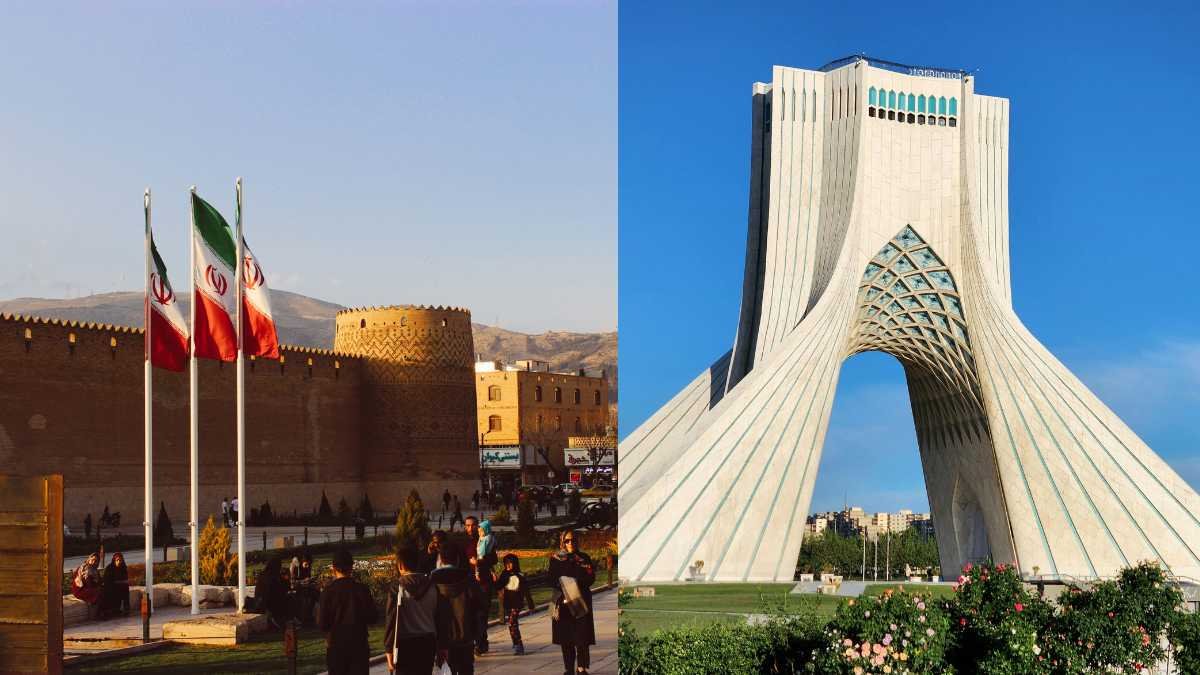
The conflict started on 28 February 2026, when the US and Israel carried out a joint operation, called Operation Epic Fury, where Iranian Supreme Leader Ali Khamenei lost his life; he had ruled for 37 years, along with dozens of senior military officials in Tehran.
Iran responded with missiles and drones at Israel, US bases in the region, and US allied countries in the Gulf, and shut down the Strait of Hormuz.
Power went to mostly unseen Supreme Leader
About a week later, Iran’s Assembly of Experts picked Khamenei’s own son, Mojtaba Khamenei, as the new Supreme Leader.
It was only the third such transition in the Islamic Republic’s history, and it happened mid-attack, with the new leader barely seen in public since.
Even Trump told reporters he wasn’t sure if Mojtaba had come out unharmed.
Why Pakistan couldn’t just watch from the sidelines, and it joined them as Mediator
By that time, things had dragged on for weeks; over 3,000 people lost their lives in Iran, and over 2,000 in Lebanon, and some more in Gulf states.
Pakistan wasn’t a combatant in any of this, but with a 900-kilometer shared border, an energy crisis tied to the Hormuz closure, and the risk of instability spilling over, it had every reason to get involved early, well before anyone expected it to end up as the lead mediator; plus, it has a population that support Iran too.
From “Nothing But Lies” to “My Favorite Field Marshal”: How Pakistan Got so Much Importance
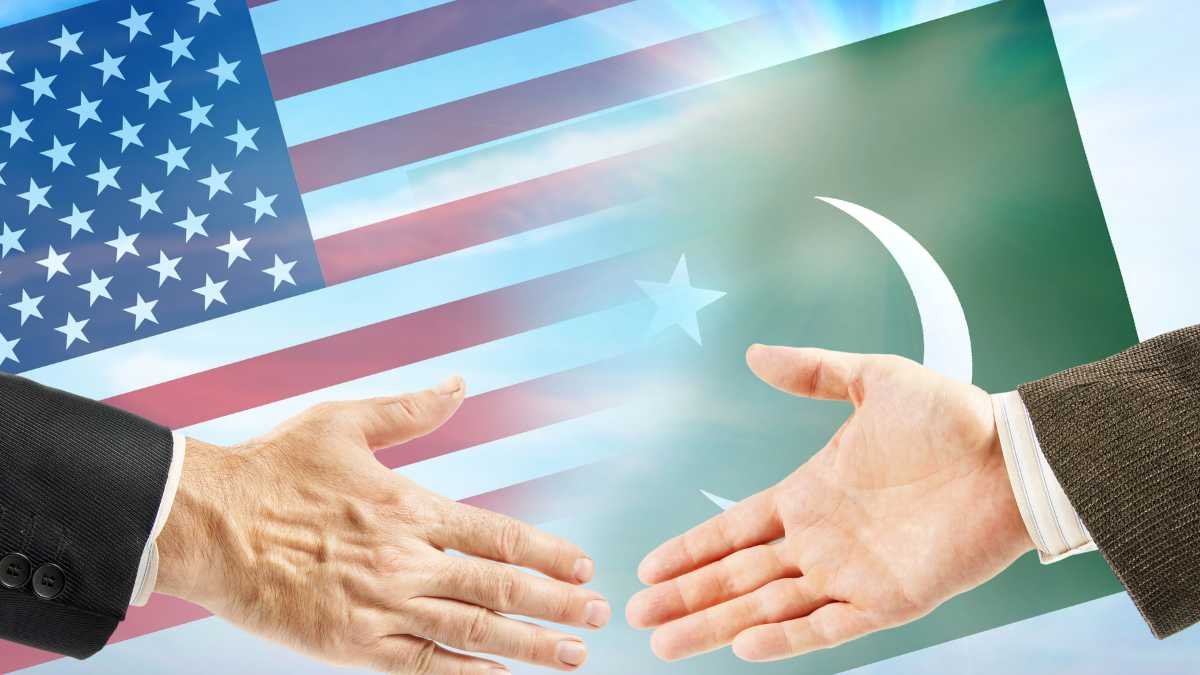
President Trump didn’t like Pakistan very much before, but the Trump-Pakistan relationship started rebuilding after a conflict with India.
India-Pakistan Minor Conflicts Played a Role
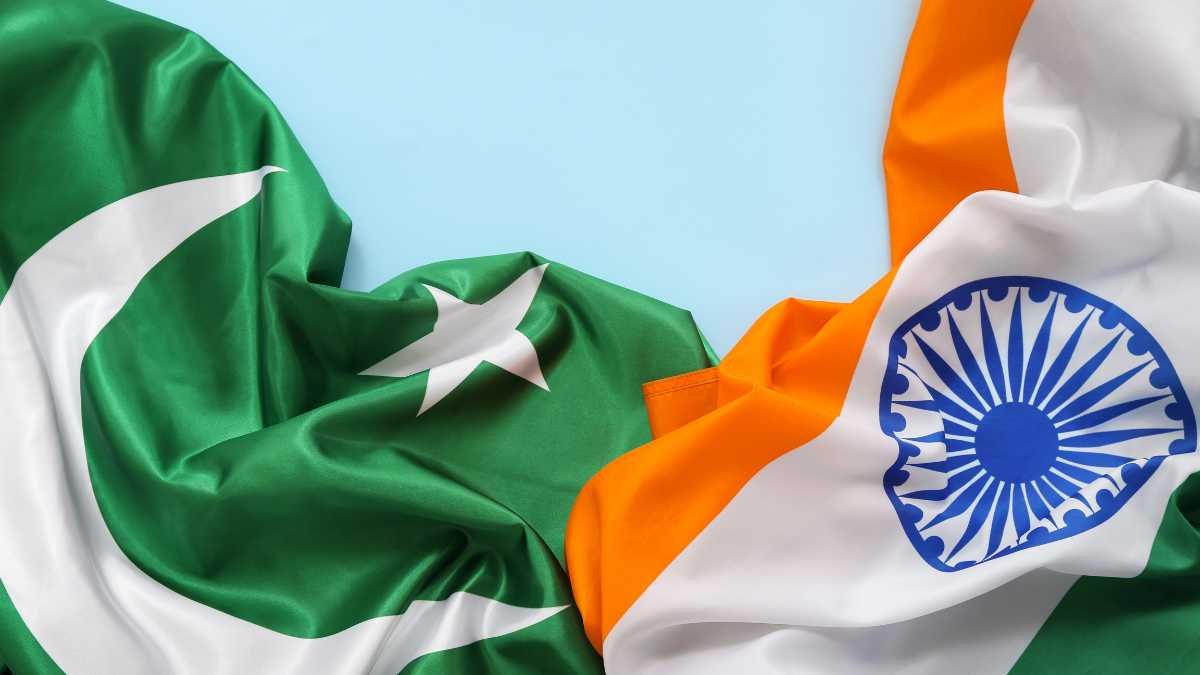
In May 2025, a brief but intense military conflict between India and Pakistan ended in a ceasefire negotiations, and Trump claimed credit for helping broker it; Pakistan also agreed to it.
India disputes that it was anything more than a deal between the two militaries directly, so this part is contested.
Pakistan nominated Trump for the 2026 Nobel Peace Prize in June 2025 and hosted Munir at the White House soon after.
Two relationships, managed at once
Funny enough, less than a day after that Nobel nomination, Pakistan publicly condemned the US for striking Iran’s nuclear facilities, which tells you that Pakistan was never just picking a side; it just managed two relationships at once.
By October 2025, at the Sharm el-Sheikh summit in Egypt marking the Gaza ceasefire, Trump was publicly thanking Sharif and Munir again, and Pakistan nominated him for a second Nobel Prize.
So when the Iran war broke out in February 2026, Pakistan already had better relations with the Trump administration.
Why Pakistan Mediated but Not Iraq, Turkey, or the Gulf States
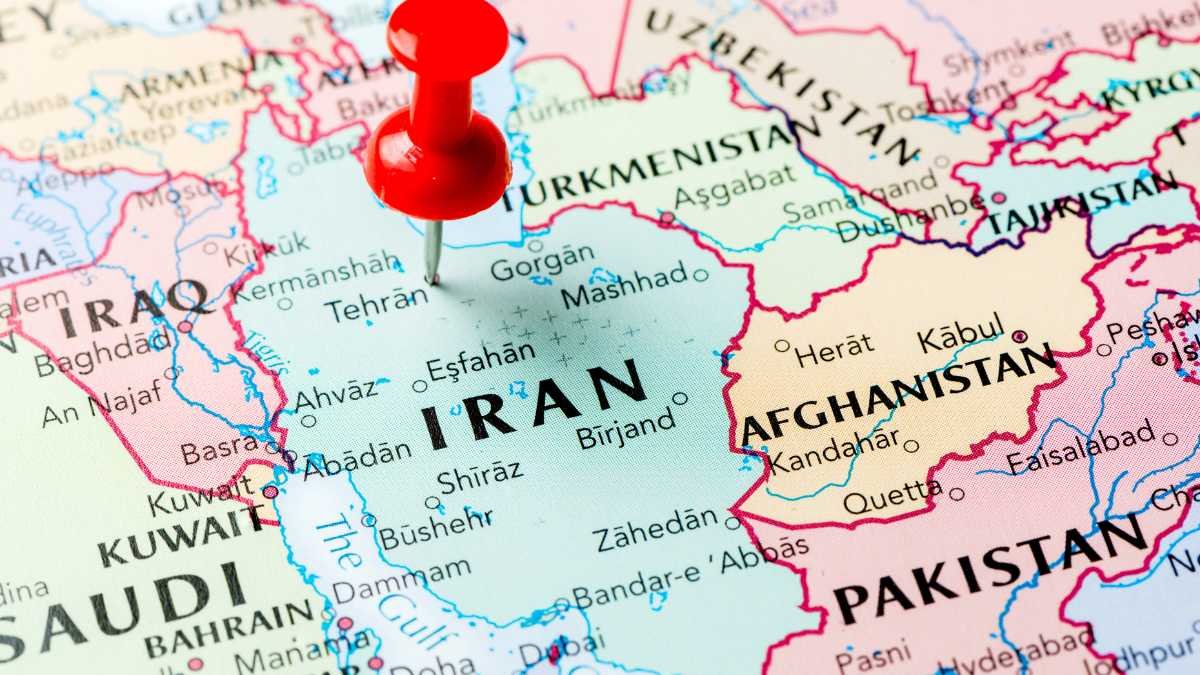
If a shared border alone decided who gets to mediate, Iraq, Turkey, Azerbaijan, and Turkmenistan would all have a claim too, since they border Iran as well.
So geography was never really the deciding factor here.
Other Mediator Nations weren’t in a Suitable Situation
Oman and Qatar, which are the countries that had run Iran-US backchannel talks for years before this war, including a round of nuclear negotiations in Geneva back in February 2026, ended up too exposed once the fighting started.
Iran’s strikes reached Gulf Arab states directly, and a mediator that’s also getting hit loses its neutral footing fast.
Russia was tied down in Ukraine; China, despite being one of Iran’s closest economic partners, was never going to be trusted by Washington as a neutral broker.
Turkey had goodwill from the Gaza talks but, according to The National Interest, it lacked the direct access to the White House that Pakistan had spent the past year building.
Pakistan already had some Track Record
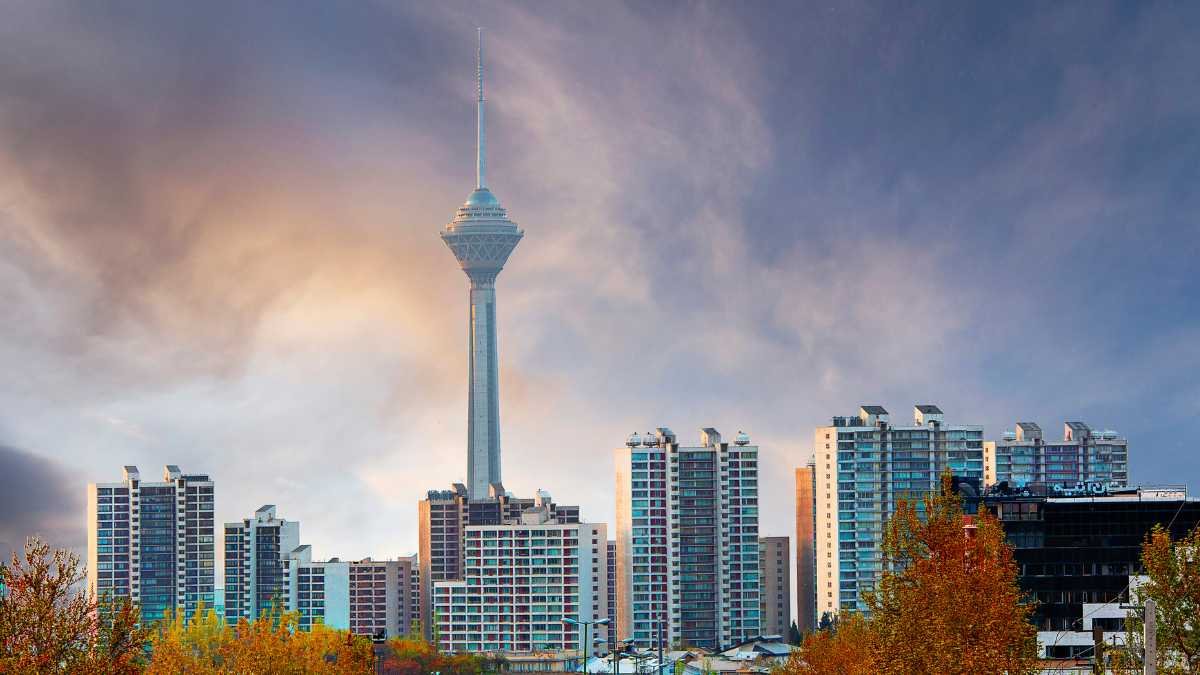
In April, US Vice President JD Vance flew into Islamabad and sat through a 21-hour stretch of negotiations with Iran’s delegation; it never happens unless Washington already sees you as the right venue.
Pakistan also has something closer to a tradition behind this: back in the 1980s, during the brutal Iran-Iraq War, Pakistan refused to take sides despite heavy pressure from Washington and the Gulf states, and that “studied neutrality“ became part of its identity with Tehran.
If we look at Pakistan and Iranian culture, most people don’t even know that Pakistan’s national anthem is written in Persian, with just one word in Urdu, a leftover from how connected Persian language and culture were across this whole region long before modern borders existed.
So all these things were good between Pakistan, Iran, and the United States.
Pakistan and Iran Have Fired Missiles at Each Other before the Mediation
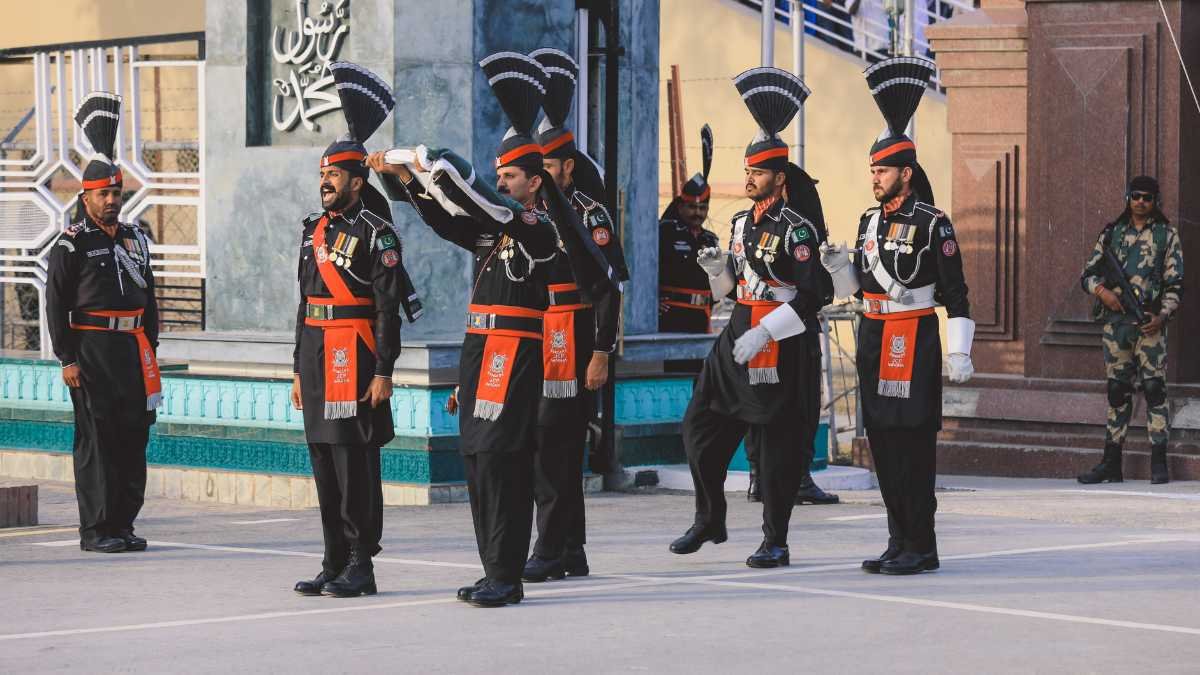
January 2024 strikes
I mentioned the unexpected rise of Pakistan as US Iran Mediator, because they had bad relations too.
On 16 January 2024, Iran launched missile and drone strikes inside Pakistan’s Balochistan province, saying it was targeting a separatist militant group, and the strikes killed two children.
Pakistan called it an unprovoked violation of its airspace, expelled Iran’s ambassador, and two days later hit back with its own strikes inside Iran’s Sistan and Baluchestan province, which Iran says killed nine people.
Also, that was the first time any foreign country had struck Iranian soil since the Iran-Iraq War ended back in 1988.
Patched up within weeks
Within about two weeks, Iran’s foreign minister was in Islamabad trying to patch things up.
So by 2026, when Iran needed someone it could still talk to, Pakistan had already shown both countries know how to step back from the edge when it matters.
And this is probably the clearest sign of why Pakistan kept getting picked.
What’s Inside the Deal Being Signed on 19 June Mediated by Pakistan
First of all, the full text is being kept confidential until after the signing, with Trump saying on Monday that it would be released sometime after Friday.
But based on what both governments and Pakistani officials have confirmed so far, here’s what the memorandum, often called the Islamabad Memorandum, actually does.
What happens right away
- Iran reopens the Strait of Hormuz to commercial shipping
- The US lifts its naval blockade on Iranian ports, at the same time
- A 60-day window opens for follow-up talks on Iran’s nuclear program and possible sanctions relief
What’s being pushed to later
Iran’s roughly 440 kilograms of enriched uranium stays exactly where it is during those 60 days, with nothing resolved yet on Iran’s ballistic missile program or its regional allied groups.
The US has also made clear no money moves to Iran just for signing the paper, only once Iran meets its obligations.
Lebanon is a wildcard
Iran’s foreign minister has said openly that ending the war on “all fronts,“ including Lebanon, is part of the deal, and warned that continued Israeli action there would count as a violation on America’s side.
Israel hasn’t agreed to a full withdrawal from what it calls its security zones in Lebanon, Syria, and Gaza, so this is one corner of the agreement that could unravel fast if nobody stays careful with it.
What Pakistan Gains, and Why Not Everyone Is Convinced
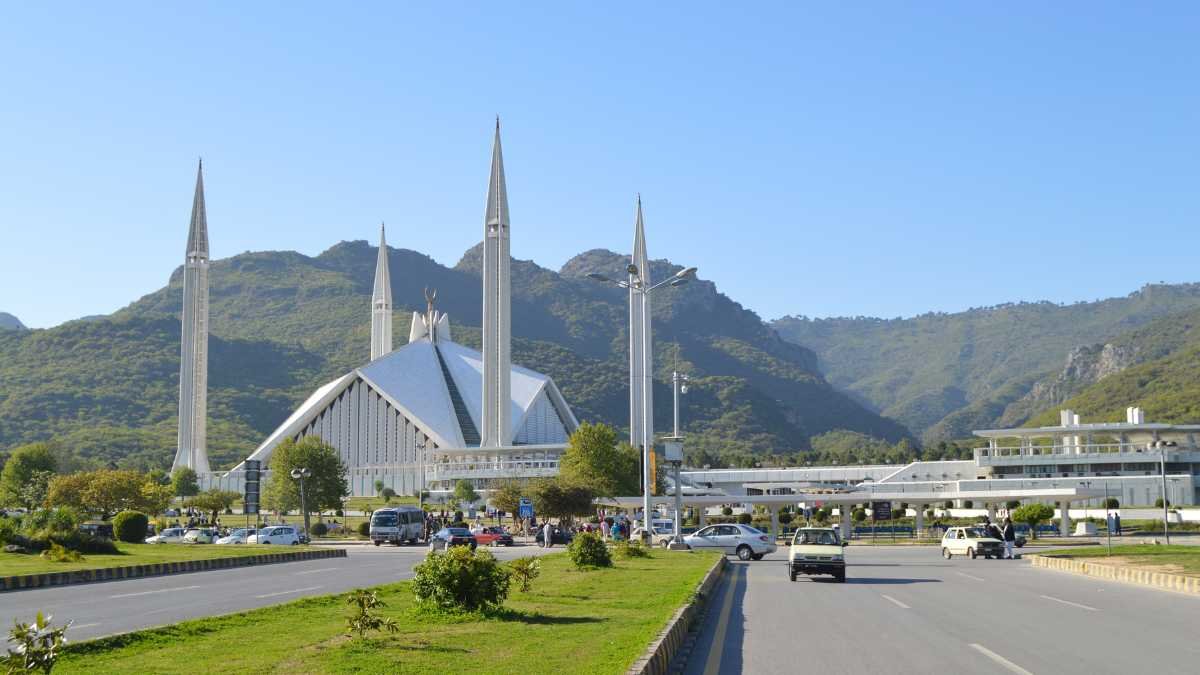
It builds Pakistan’s image
For Pakistan, this Iran-US MOU has done something its own diplomats probably couldn’t have planned this well.
Because Pakistan is a nation that spent decades being talked about mostly in terms of instability and terrorism links is now the name analysts bring up when they compare it to Pakistan’s own 1970s role bridging the US and China.
This is the shift in how the world talks about it, even if it didn’t come with any formal reward beyond goodwill and two Nobel nominations for Trump.
Some skeptics aren’t convinced yet
On 16 June, Michael Rubin of the Middle East Forum warned that the deal could end up guaranteeing another round of conflict, and he was pretty harsh on Pakistan specifically, questioning whether it’s the kind of mediator Washington should be trusting at all.
Add to that the uncertainty around Iran’s own leadership, since nobody outside Iran is fully sure how present or in control its new Supreme Leader actually is, and you’ve got a deal that’s good, but still fragile in more than one place.
Conclusion
Pakistan went from being on the receiving end of Trump’s harshest tweets to becoming the US-Iran mediator that both Washington and Tehran trust enough to put a war-ending document in front of.
It happened because Pakistan kept showing up, kept talking to both sides, and had nobody else seriously competing for the job by the time it mattered.
Now on, trump Iran deal is going to be signed on 19 June in Geneva., Its an MOU.
However, this Islamabad memorandum of understanding is just a framework; that’s why the next 60 days of talks on Iran’s nuclear program will be really important, and they decide the permanent peace. And Pakistan, as a US-Iran mediator, worked well.
FAQs
Does Pakistan support the US or Iran in all this?
Neither one fully, and that’s the reason why the United States and Iran trusted Pakistan for being a mediator.
Pakistan has defense and economic ties with the US.
And it has decades of close cultural and border ties with Iran, and it’s tried to keep daylight with both, even when that’s looked a little contradictory, like nominating Trump for a Nobel Prize one day and condemning a US strike on Iran the next.
Does this peace deal also cover the fighting in Lebanon?
Iran says it has to, since Hezbollah is its ally there, and Tehran is treating an end to the Lebanon front as part of the same package.
But Israeli Prime Minister Benjamin Netanyahu said Israel won’t leave occupied land in Lebanon.
If Pakistan did all the mediating, why is the deal being signed in Switzerland and not Pakistan?
Switzerland has been the official channel between Washington and Tehran since 1980, when the two countries cut direct diplomatic ties after the hostage crisis, and the Swiss embassy in Tehran still represents US interests there.
Pakistan did the actual shuttle diplomacy and the heavy lifting behind the scenes.
But Geneva was already the recognized neutral venue for the paperwork, the same way earlier nuclear talks this year were also held there.
Why Did Not China and Russia mediate instead, since they’re Iran’s closest partners?
China and Russia are named as Iran’s two biggest strategic partners, but neither one stepped onto the battlefield for Iran or sat at the table as a neutral party this time, and they’re both pro-Iran nations.
Plus, Russia is busy with Ukraine, and China was never going to be accepted by Washington as unbiased.
That’s why Pakistan was chosen as a mediator, instead of China or Russia.
Is the Strait of Hormuz open right now?
Not fully, no. Iran had been controlling traffic and charging steep fees on ships even during earlier ceasefires this year.
The new memorandum calls for it to reopen at the same time the US lifts its naval blockade, and Trump has said that’s supposed to happen the same day as Friday’s signing.

Abraham is the founder and sole writer of Geopolitics Decoded. Based in New Delhi, India, he has been researching and analyzing international affairs since 2019, with a focus on great-power competition, European security, energy geopolitics, and global diplomacy. He is currently pursuing independent coursework in global diplomacy through SOAS University of London. His fact-based, deeply contextual analysis has earned millions of interactions across social media platforms, including Threads and Instagram. Every article on this site is independently researched, written, and verified by Abraham personally. Read Abraham’s full author bio