When we talk about ceasefire negotiations challenges, we mostly discuss things like distrust, broken communication, or bad faith from one side. And sure, those are real.
But the bigger problem is structural, and once you see it, most failed peace talks start to make a lot more sense.
So what’s the core issue? Both sides have made public commitments to their own populations. If they stop now without achieving anything, they will be called surrender.
And leaders are almost never willing to hand the other side a narrative WIN, even when stopping would actually be in their own interest.
So a ceasefire is not just to stop the fighting.
It is to get two sides to agree, publicly, that stopping right now is not the same as losing. And that’s also the reason why so many ceasefires collapse before they even start.
I will walk you through what moves the needle here, because there are some counterintuitive things happening underneath these negotiations that most people don’t know.
Wars End Only When Continuing Becomes Too Expensive
Most wars that end in a negotiated settlement end because continuing that war was too expensive, militarily, economically, or politically, for at least one of them.
This is a well-documented pattern. A RAND Corporation study on war termination found that most conflicts didn’t end through military victory but through negotiated outcomes, typically when both sides reach what researchers call a “Mutually Hurting Stalemate.”
At that point, negotiation stops being a sign of weakness and starts being the rational move. But both sides have to reach that point at the same time. If only one side is exhausted, the other has no reason to stop.
That’s why external pressure is important too to impose things like sanctions (like happened with Russia), arms restrictions, or economic leverage from third parties.
They can artificially create that stalemate environment even when the military situation has not been resolved.
Not Every Country Gets to Be the Mediator
There are multiple countries that want to play a mediator in any major conflict.
But not all of them can, and the selection process for who leads the mediation is more structured than it looks.
What Makes A Country Trusted As A Mediator
To work as a mediator, a country generally needs at least one of three things:
- Leverage over one or both parties
- A reputation for neutrality that both sides genuinely accept
- Track record of keeping back-channel conversations confidential.
Qatar is a good example here; it hosted and facilitated the Taliban-US negotiations in Doha that led to the 2020 Doha Agreement.
Why Qatar Became Important In Modern Diplomacy

Qatar does not have a large military, but it has relationships with actors that Western governments cannot engage directly, and it has built a serious reputation for discretion.
And this combination is worth more than military size when you are trying to get two sides into the same room.
How Norway Built A Reputation For Negotiations
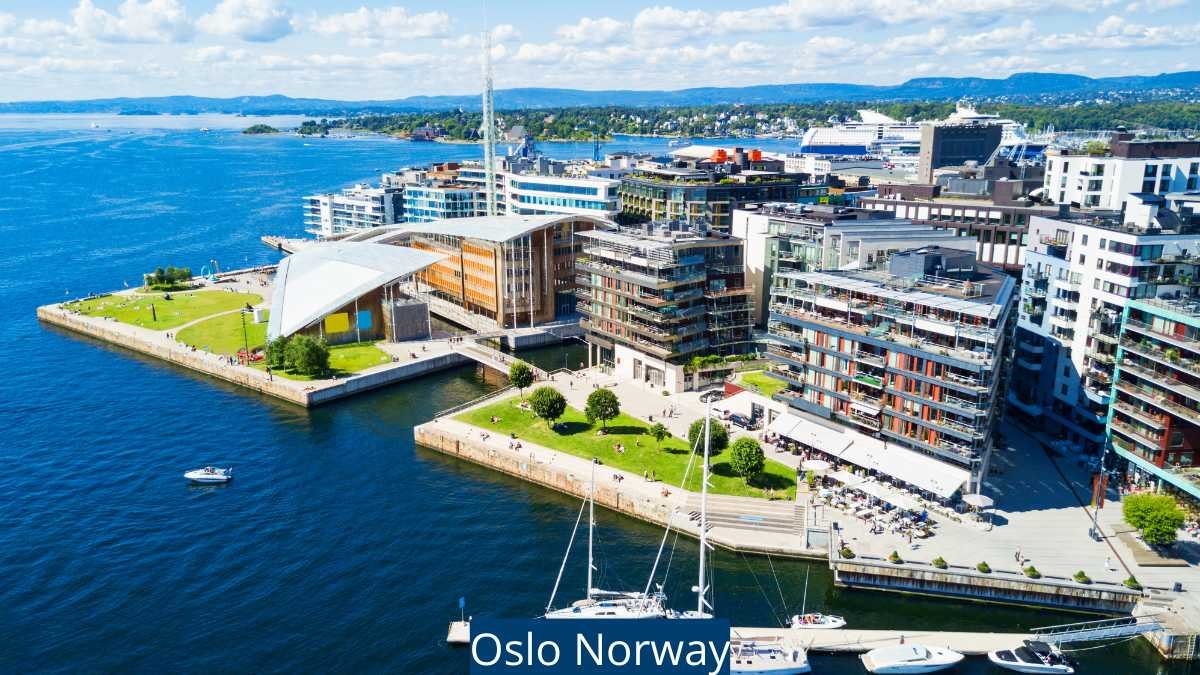
It’s a small country in Europe, but it has mediated some of the most significant peace processes of the last few decades, partly because of its neutrality.
And institutions like the Norwegian Institute of International Affairs built real, durable expertise in this space over decades.
The Oslo Accords of 1993 came directly out of secret Norwegian-facilitated conversations that ran entirely outside official diplomatic channels.
Neither the US nor the UN brokered those initial talks; a private academic channel did, and it worked.
So, my main point is that mediator selection is driven by access. When there are multiple potential mediators competing, that itself becomes a problem, because parties can play them against each other, or simply stall by claiming they are waiting for a different facilitator.
Multiple Third Parties Create Their Own Problem

In most major modern conflicts, you don’t have one mediator, as we have the UN, regional organizations like the African Union or the Arab League, individual powerful states, and sometimes private actors; they all run parallel or overlapping tracks.
The United States Institute of Peace has documented how fragmented mediation can extend conflicts, because parties can shop between channels, accepting the process that gives them the best political optics while dragging out the one that requires real concessions.
It’s a rational strategy if you’re not serious about ending the conflict.
The solution to this strategy, historically, has been to designate a lead mediator and keep the others in supporting roles.
Camp David in 1978 worked partly because President Carter kept Egyptian President Sadat and Israeli Prime Minister Begin in the same location for 13 days and controlled the environment tightly enough that there was no alternative track to retreat to.
That kind of structural control over the negotiation process is rare, but when it exists, it removes a lot of the stalling tactics that drag things out.
A Ceasefire Without Enforcement Is Just a Press Release
Signing a ceasefire agreement and making it hold are completely different problems.
Enforcement requires either a credible monitoring mechanism, a guarantor state or organization willing to act if the agreement breaks down, or both.
The Minsk agreements, Minsk I in September 2014 and Minsk II in February 2015, are a useful case here.
They produced ceasefire commitments on paper, but the monitoring mechanism, run through the OSCE, had limited access and no enforcement authority.
When violations happened, there was no credible consequence, so the agreements did not hold.
Compared to the Korean armistice of July 1953, it’s technically not a peace treaty.
Why The Korean Armistice Survived
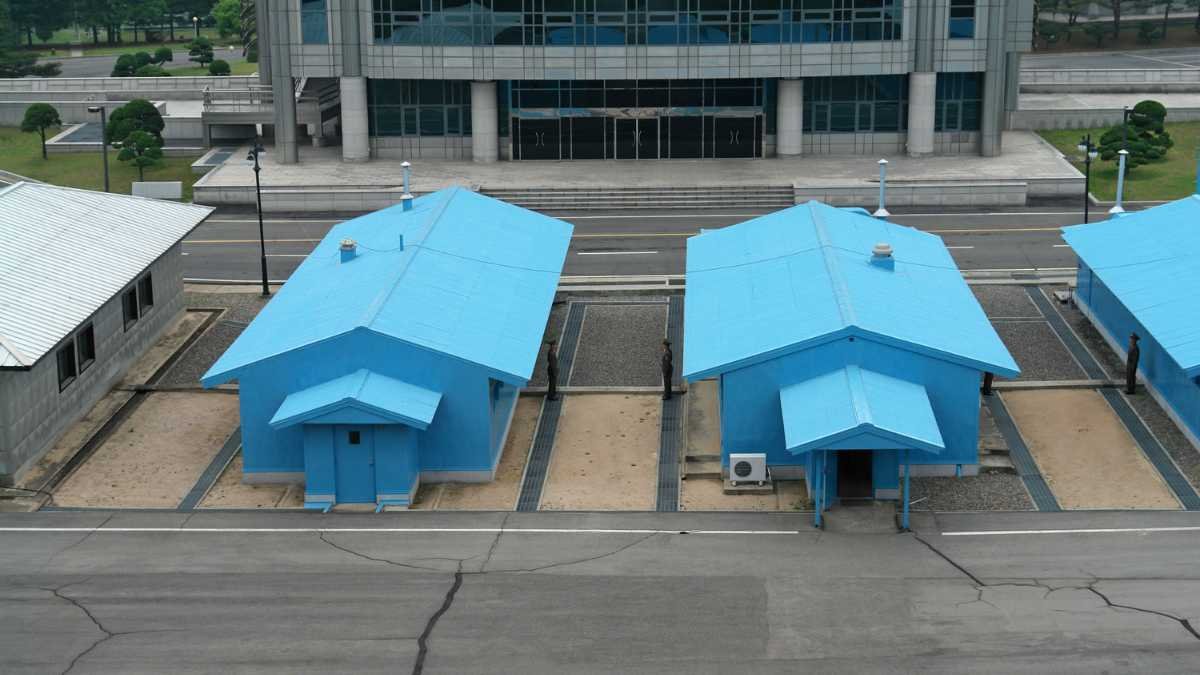
The Korean War has never formally ended, but the armistice has held for over 70 years, in large part because of the sustained US military presence along the demilitarized zone and the clear signal that violations would carry a direct military cost.
This enforcement mechanism had actual weight, and that is why a “temporary pause” became, for all practical purposes, permanent.
So whenever you hear about a new ceasefire announcement, the first question you should ask is: who enforces this, and what actually happens if someone violates it?
If the answer is vague, the ceasefire is structurally fragile regardless of the language in the agreement.
Track II Diplomacy: When Official Talks Are Frozen
Sometimes the official diplomatic track is completely locked, leaders cannot be seen negotiating, and public statements are hardened too.
Any formal concession gets framed domestically as a betrayal; we call it a structural barrier, and it is more common than people realize.
Track II diplomacy is the one that keeps the conversations moving in those conditions.
It’s unofficial, informal dialogues between academics, retired officials, civil society figures, or business leaders who have relationships across conflict lines.
They cannot sign anything, but they can test ideas informally, communicate positions without going on record, and identify where genuine flexibility might exist on either side.
Here is an example:
Backchannels That Broke The Oslo Deadlock

The Oslo Accords are the clearest example of Track II diplomacy; the official US-brokered talks between Israel and the PLO had stalled completely.
What broke the deadlock was a secret channel facilitated through a Norwegian academic institution, running from January to August 1993, which involved officials attending in a quasi-private capacity.
Only once a workable draft existed did the process move to official Track I. The USIP’s framework on multi-track diplomacy explains how this layered approach has been used in conflict after conflict to keep communication alive when official channels are politically impossible.
Also, in many conflicts, the population on both sides has been living with the conflict for years, sometimes for generations. Even when leaders want to negotiate, the political cost of being seen as conciliatory is enormous.
Track II processes help shift that environment over time.
Three Peace Agreements That Worked Against The Odds
Mozambique And The Sant’Egidio Mediation
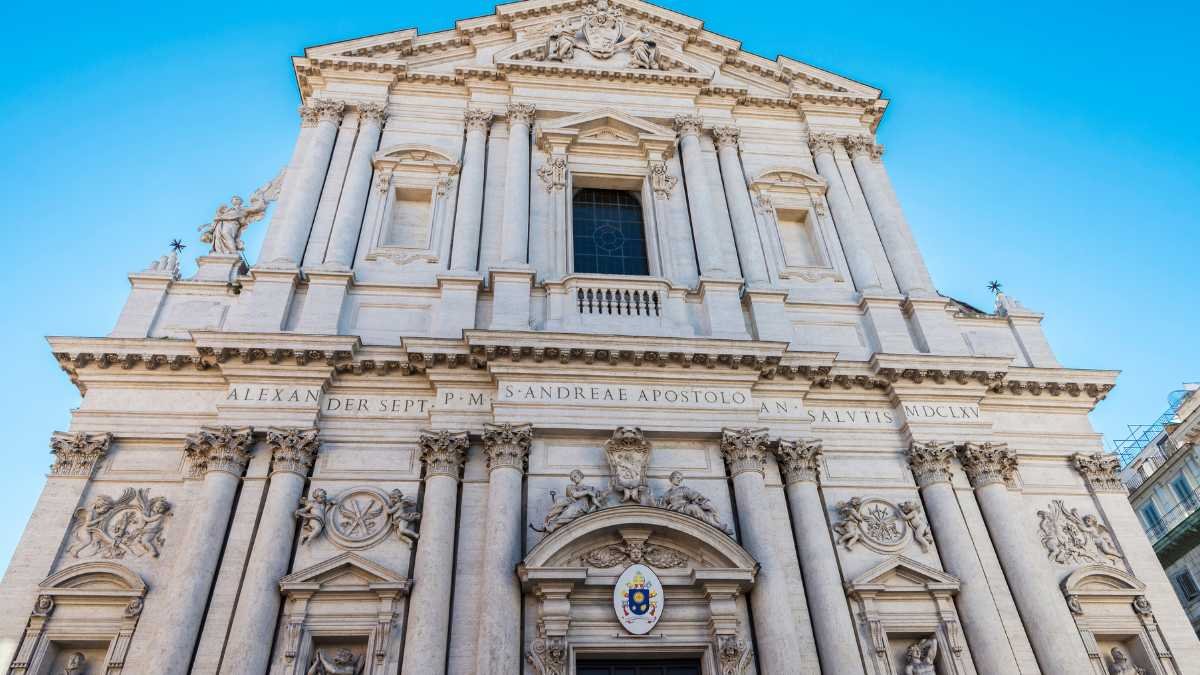
Mozambique in 1992 is one I want to talk about. After about 16 years of civil conflict between the FRELIMO government and RENAMO, the country signed the General Peace Agreement in October 1992.
The mediator was the Community of Sant’Egidio, a Catholic lay organization based in Rome.
It was a private religious community with good relationships on both sides and the patience to run a two-year process away from the pressure of the conflict zone.
South African and Zimbabwean economic pressure helped create the incentive environment.
But Sant’Egidio staying in the room longer than anyone expected is what held the process together.
Why The Good Friday Agreement Worked

The Good Friday Agreement of April 1998 in Northern Ireland is another good example.
There were decades of conflict, deep community distrust, and political commitments on both sides that seemed impossible to reconcile.
What worked was a process that gave both sides a genuine political win within the same agreement.
Unionists kept the constitutional status of Northern Ireland within the UK.
Republicans got institutional cross-border bodies and reformed governance structures.
Neither side had to say they lost, which was the whole point. American diplomatic engagement through Senator George Mitchell was significant here, but the structural design of the agreement itself is what made it hold.
Camp David Changed Egypt-Israel Relations
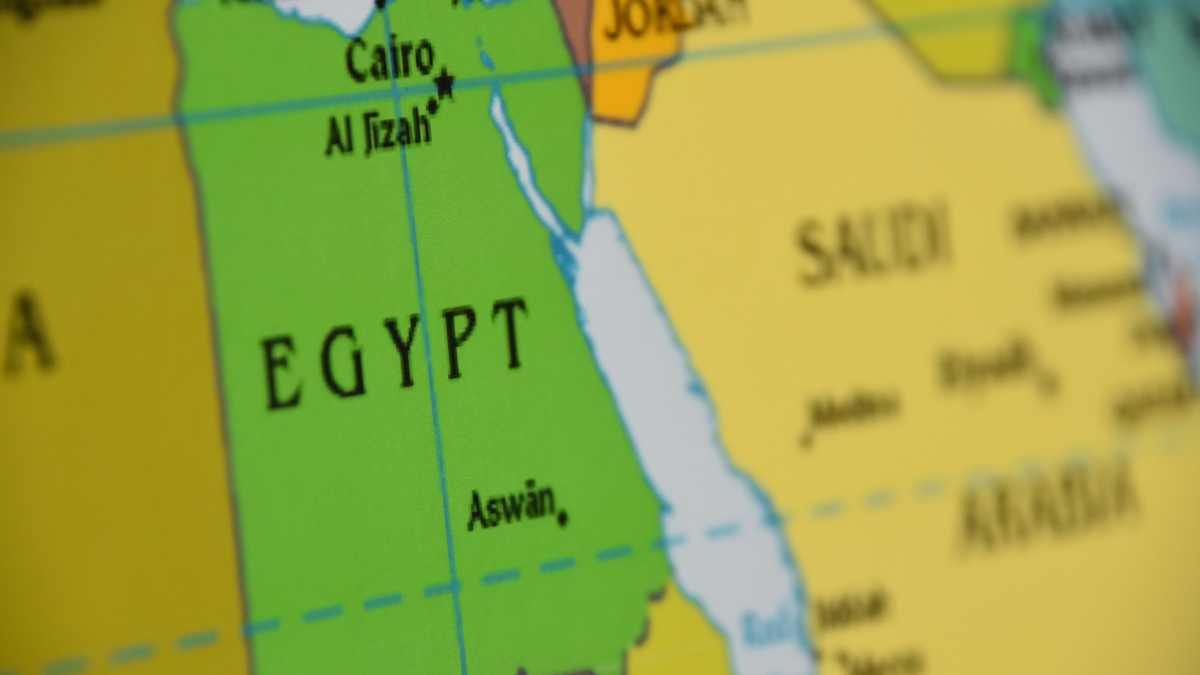
The 1979 Egypt-Israel peace treaty, which came out of the Camp David Accords of 1978.
Egypt and Israel had fought four wars; a bilateral peace was implausible to most observers going into those talks.
But what actually changed that was Egypt’s strategic calculation under Sadat, who concluded that the long-term economic costs of permanent confrontation outweighed the political benefits, and Carter’s willingness to restructure the incentives for both sides through substantial US commitments.
So the Camp David framework succeeded because the incentive structure was redesigned.
The common thread across all three: both parties were given something they needed, neither had to publicly accept defeat, and the enforcement or guarantee structure was credible enough to make the risk of signing manageable.
What Makes A Ceasefire Hold
Ceasefires that hold are dependent on incentive structures, enforcement mechanisms, and the ability of mediators to construct a deal that neither side has to publicly frame as surrender.
When all three of those things are in place, even conflicts that looked permanent have ended.
The ceasefire negotiation challenges that keep recurring are often predictable, and the question is always the same: who has the leverage to shift the incentives, who has the credibility to hold the process together, and how do you build enforcement that actually keeps the agreement alive after the signing ceremony is over?
FAQs
Why do ceasefires often collapse right after being announced?
Usually, because the announcement was made for political reasons before the conditions for actually holding a ceasefire were in place.
If there is no monitoring mechanism, agreed line, guarantor, then the ceasefire is just a public statement.
Both sides know that, so low-level violations continue, the agreement collapses, and each side blames the other.
Can a ceasefire happen even if one side thinks it can still win?
Yes, but it almost never happens without significant external pressure.
A side that believes it can achieve a decisive military victory has very little reason to freeze the conflict at its current position.
External pressure, especially through sanctions, arms restrictions, or diplomatic isolation, is what changes that calculation.
What makes Qatar or Norway better mediators than bigger, more powerful countries?
Power is actually a liability in some mediation contexts; a large, powerful mediator brings its own strategic interests into the room, and both parties know it.
Smaller mediators with no territorial ambitions in the region, no military presence nearby, and a demonstrated history of confidentiality are easier to trust.
Qatar’s value is its access to actors that Western governments cannot talk to directly.
Norway’s value is its institutional patience and its reputation for running long, discreet facilitation processes without leaking.
Is a ceasefire the same as a peace agreement?
No, a ceasefire stops active fighting, while a peace agreement resolves the underlying political dispute that caused the fighting.
Some ceasefires eventually lead to peace agreements, and some, like the Korean armistice, hold indefinitely without ever formally becoming one.
And some collapse before they ever get to the next stage.

Abraham is the founder and sole writer of Geopolitics Decoded. Based in New Delhi, India, he has been researching and analyzing international affairs since 2019, with a focus on great-power competition, European security, energy geopolitics, and global diplomacy. He is currently pursuing independent coursework in global diplomacy through SOAS University of London. His fact-based, deeply contextual analysis has earned millions of interactions across social media platforms, including Threads and Instagram. Every article on this site is independently researched, written, and verified by Abraham personally. Read Abraham’s full author bio