People think diplomacy is just leaders meeting in big rooms, shaking hands in front of cameras, that is Track I diplomacy.
But sometimes, for this track I diplomacy, something unofficial, off the record, and often invisible to the public happens, which we call Track II diplomacy.
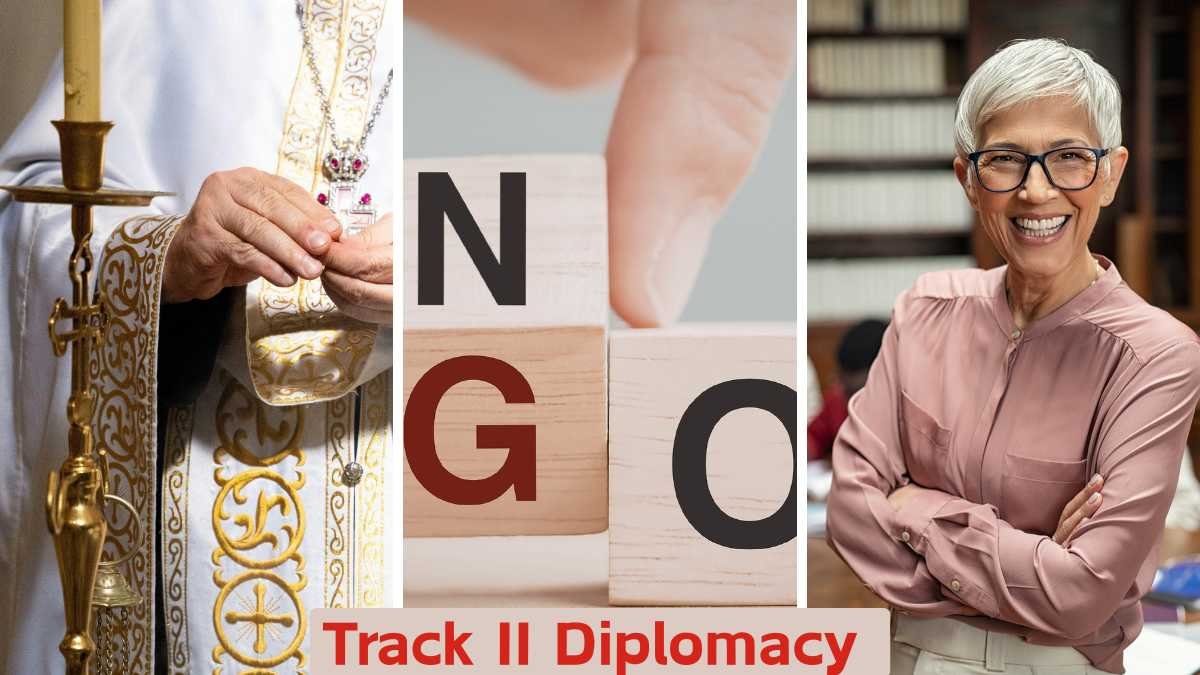
Track II diplomacy refers to unofficial, non-binding contact between private individuals, academics, former officials, religious leaders, NGOs, and civil society groups from conflicting nations.
No one at the table has the authority to sign a treaty. But they can build trust, test the ideas, and soften the psychological barriers that make official negotiations possible.
The term was first introduced in 1981-1982 by US State Department diplomat Joseph V. Montville and psychiatrist William D. Davidson, in the journal Foreign Policy.
Montville’s reasoning was simple: governments sometimes act like jerks, and when they do, someone else has to keep the conversation alive.
So, what are some Track II diplomacy examples that actually changed things? Let me walk through the four examples.
The Oslo Accords (1993): Where It Began in a Norwegian Farmhouse
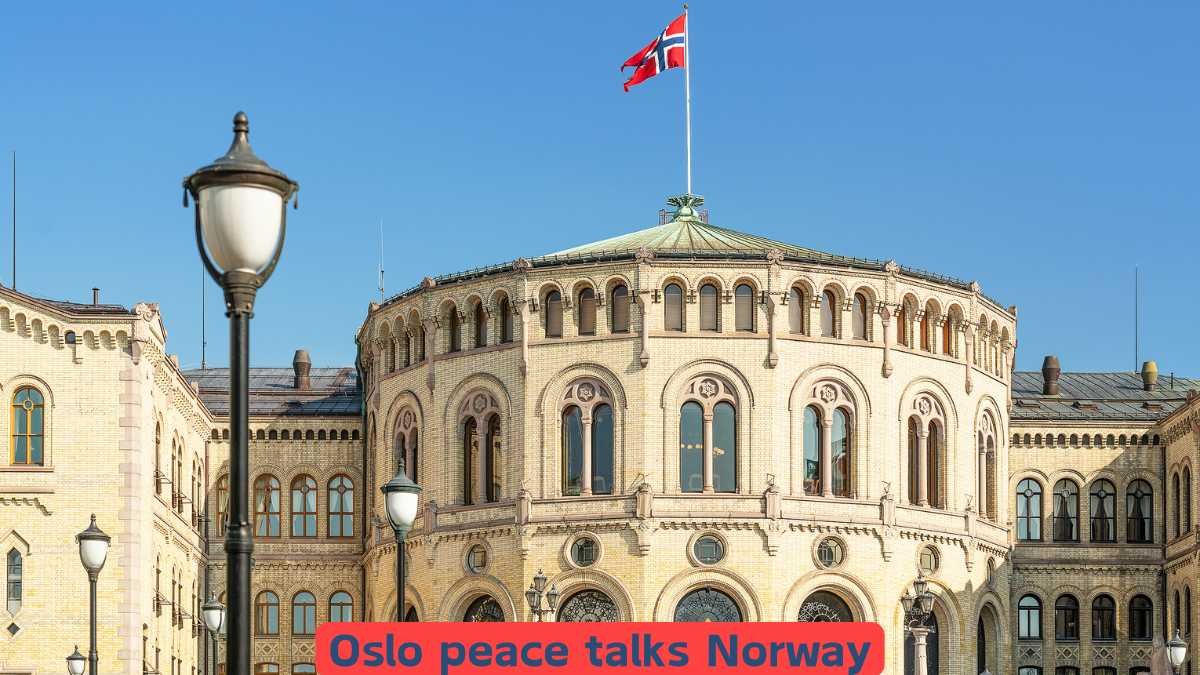
This is the most famous and most instructive Track II diplomacy example.
In the early 1990s, Israel officially refused to recognize or negotiate with the PLO. And official channels were completely frozen.
The US-led Madrid Conference in 1991 had produced nothing of substance between the two sides.
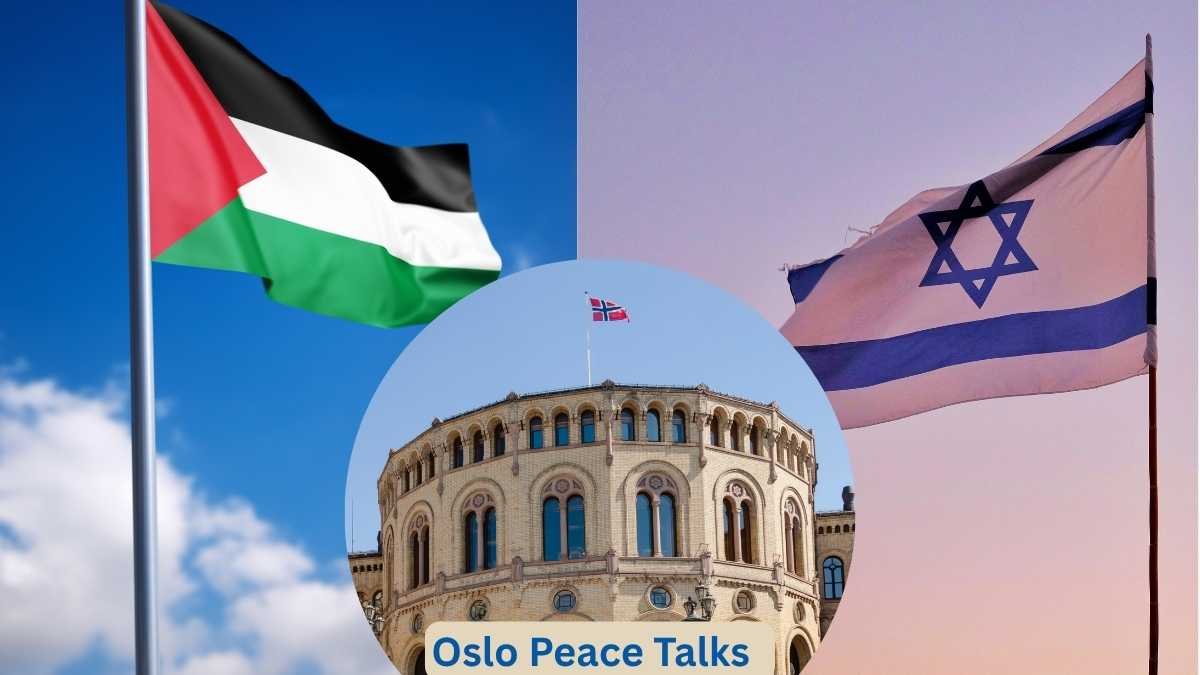
To break this deadlock, there were secret back-channel talks in Oslo, Norway, facilitated by Norwegian academics and civic intermediaries in late 1992.
The initial Israeli participants were not government officials; they were academics.
Economist Yair Hirschfeld and his colleague Ron Pundak began the first unofficial talks with PLO representatives.
They met in private homes and later at a small farmhouse outside Oslo.
Norway’s Deputy Foreign Minister Jan Egeland provided the political cover and funding; these talks were quiet, deniable, and completely outside official channels.
What Positive Happened?
These conversations built enough trust that the Israeli government eventually sent Foreign Ministry director Uri Savir to take over.
By August 1993, an agreement had been reached, signed in secrecy by Shimon Peres in Oslo.
On September 13, 1993, the world watched Yitzhak Rabin and Yasser Arafat shake hands on the White House lawn.
Rabin was visibly hesitant, but they were there.
And the reason they were there is that two academics had spent months making it possible.
The Oslo Accords did not produce a final peace settlement, and that is a real and important failure.
But they produced the first mutual recognition between Israel and the PLO, created the Palestinian Authority, and proved something important.
So even when governments refuse to talk, track two channels create the conditions that force them to talk.
Northern Ireland (1988-1998): A Catholic Priest became the Bridge
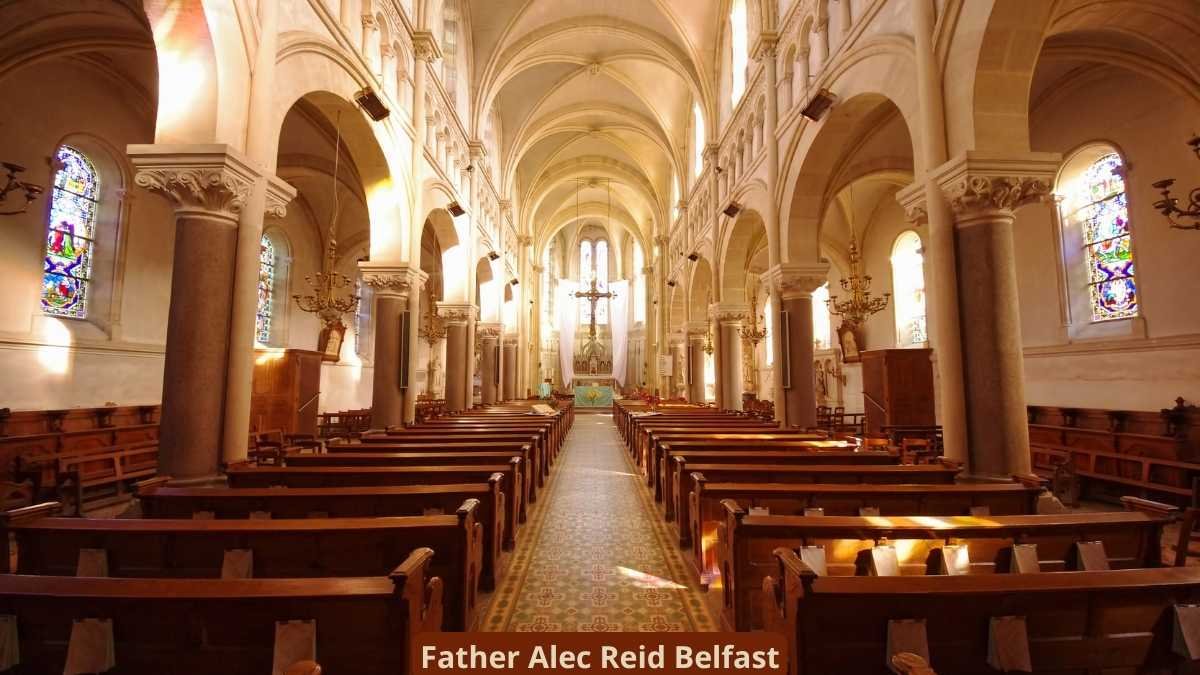
Father Alec Reid was a catholic priest, and most people don’t know his name.
But without him, the Good Friday Agreement of April 10, 1998, which ended three decades of sectarian violence in Northern Ireland, might have taken years longer or not have happened at all.
From 1988 onwards, Father Reid, a Redemptorist priest based in Belfast, facilitated secret talks between SDLP leader John Hume and Sinn Fein leader Gerry Adams.
The IRA was still considered a terrorist organization. And no official British or Irish government representative could sit in the same room as Adams at that stage without political consequences.
But a priest could; Reid used his pastoral position to create a space that was genuinely separate from the official political landscape.
The priest was not a diplomat; he had no official mandate, he just kept the conversation alive.
Positive Impact of a Priest in Negotiations
The Hume-Adams dialogue built enough of a shared framework that it eventually fed into official ceasefires and the peace process that came to an end in the Good Friday Agreement.
British and Irish governments were part of the formal Track I negotiation at the end.
But the conceptual groundwork, the willingness to even imagine a shared political future, came from years of informal, Track II Talks where a religious figure created the psychological space for enemies to think together.
India and Pakistan: Academics at Neemrana Fort and the Pugwash Group

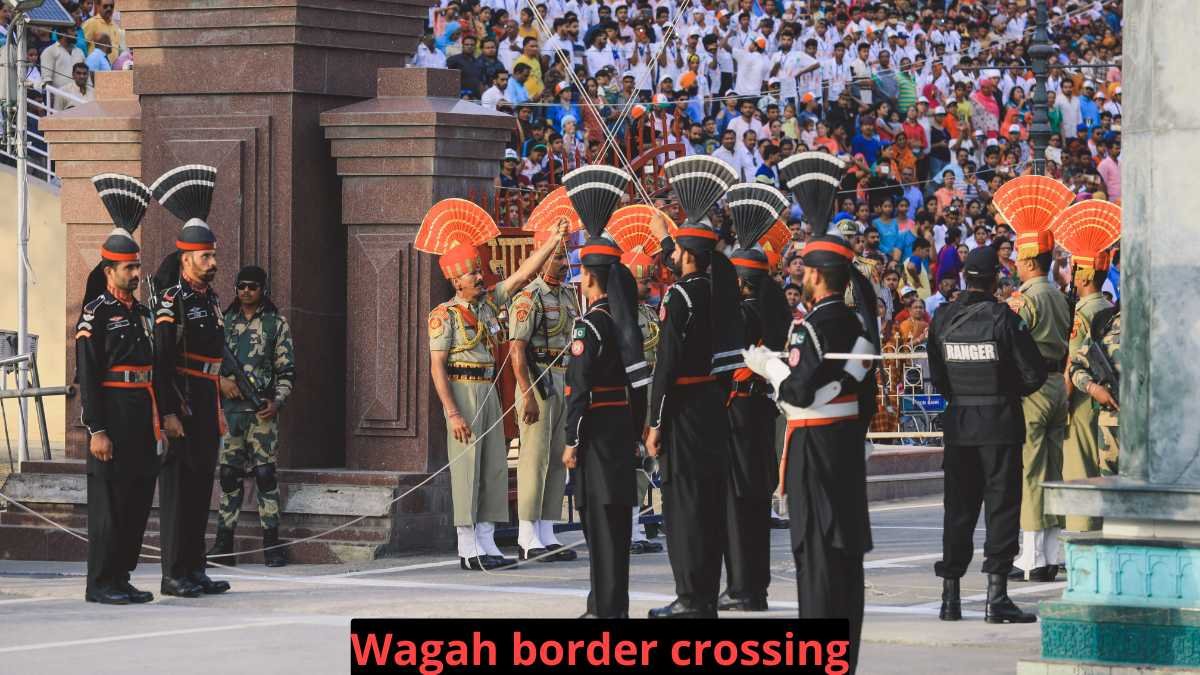
India-Pakistan is a relationship that has produced three wars (1947, 1965, 1971), the Kargil conflict in 1999, and a near-continuous background tension over Kashmir.
Official diplomatic relations have frozen and thawed repeatedly, so Track II has been one of the few consistent threads.
The Neemrana Dialogue was the first serious Track II initiative between the two countries.
It was started under the auspices of the United States Information Services (USIS) in 1990, with the first meeting held at Neemrana Fort in Rajasthan in October 1991.
The participants were former diplomats, retired military personnel, academics, and NGO workers from both sides.
There were no active government officials, no foreign Ministry backing, only people who understood the issues and were willing to talk.
Then in 2004, the Pugwash Conferences on Science and World Affairs, a Nobel Peace Prize-winning organization, managed to bring together Kashmiris from both sides of the Line of Control for dialogue for the first time in decades.
A formal peace process followed, but it did not solve Kashmir; it opened a channel, that’s the main thing.
Because in a relationship as psychologically fraught as India-Pakistan, opening a channel without anyone losing face domestically is itself an achievement.
The Pakistan-India People’s Forum for Peace and Democracy, another Track II initiative, helped push forward practical confidence-building measures, including the opening of the Rajasthan rail links and easing of the visa regime.
The US and Soviet Union: The Dartmouth Conference and a Near-Miss in Cuba
People often forget how much quiet, citizen-level contact existed between the US and USSR even at the height of the Cold War.
The Dartmouth Conference was convened in October 1960 at President Eisenhower’s initiative, through intermediary Norman Cousins, bringing together private citizens, intellectuals, and former officials from both countries for annual dialogues on bilateral relations, and it ran for over 29 years.
Around the time of the Cuban Missile Crisis in October 1962, there were Soviet-American academic and intellectual exchanges happening that kept human channels open even when official relations came close to breaking down.
The crisis was resolved through Track I, Khrushchev and Kennedy’s back-channel letters, but the broader ecosystem of unofficial contact was maintained by intellectuals, scientists, and civil society over the years.
They created a baseline of mutual understanding that made even that back-channel possible.
The Pugwash Conferences on Science and World Affairs, founded in 1957 by Albert Einstein and Bertrand Russell and later awarded the Nobel Peace Prize, also played an important role in creating unofficial dialogue on nuclear arms control between US and Soviet scientists.
Scientists talked to scientists about the consequences of nuclear weapons, outside the propaganda of either state, which contributed to the long process that eventually produced arms control treaties.
Also read: Frozen Conflicts Mediations
Where Track II Diplomacy Has Real Limits
I personally love what Track II tries to do; it tries to see the humanity on the other side.
It is focused on shared ground, not managed conflict. And in a world where leaders often cannot afford to be seen as being reasonable, having someone else lay the groundwork is the only realistic option.
However, the biggest problem is the transfer problem:
- How do you move trust built in an informal room into an official government policy?
Most of the time, you cannot do it directly, while track II participants do not have authority.
They go back to their countries, they write reports, they brief officials, and sometimes it matters, and sometimes it does not.
The Oslo Accords worked because the Israeli government eventually chose to get involved, while in many other cases, that handoff never happens.
There is also a credibility problem with Track II Diplomacy Never Succeed
If Track II participants are seen as too close to one side, or if they represent views that the general public does not share, their work can actually inflame rather than calm tensions.
For example, the Pugwash Conferences in Kashmir faced criticism because they sometimes brought in separatist voices that the Indian government did not consider legitimate.
Now, whether that criticism was fair is another question, but it shows that the process is not automatically above politics.
And there is the fog of information warfare problem. We are living in the social media age, so it is very hard to run a quiet, deniable backchannel; everything leaks and gets framed by someone.
A Track II meeting that becomes public at the wrong moment can derail whatever progress it was building.
The Oslo talks worked well because they stayed genuinely secret until August 1993, when the deal was already done.
Final Thought
What makes Track II diplomacy interesting to me is that it’s built on a simple and somewhat radical idea.
That the people of two nations are not the same as the policies of their governments, and that if you can get the right people into the same room without the pressure of official positions, something good can happen.
And sometimes it does, such as the Oslo Accords, Good Friday, Neemrana, and the Dartmouth Conference.
So Track II is a foundation for the Track I diplomacy, in which a handshake still has to happen at the official level, and the treaty still has to be signed by someone with the authority to sign it.
What Track II does is make that moment less impossible. And in geopolitics, reducing impossibility is a big achievement.
FAQs
What is the difference between Track I, Track 1.5, and Track II diplomacy?
Track I is official government-to-government diplomacy: foreign ministers, diplomatic delegations, state visits.
Track II is completely unofficial, involving academics, NGOs, religious leaders, former officials, and civil society.
Track 1.5 sits in between, where serving government officials participate but in an unofficial capacity, typically alongside non-government figures.
The Oslo process started at Track II and gradually moved toward Track I as the Israeli government got more involved.
Has Track II diplomacy ever made things worse?
Yes, it can, if unofficial talks are perceived as a government trying to bypass democratic accountability or negotiate secretly against public interest.
Some critics of the Oslo process argued that Israeli academics had no mandate to negotiate anything, and that the secrecy of the process cut out voices that should have been heard.
There have also been cases in India-Pakistan dialogue where inviting separatist leaders created domestic political firestorms that set back the broader relationship.
Why don’t leaders just meet directly if there is a problem?
Because official meetings carry political costs when they fail.
If a prime minister meets with an adversary and it goes nowhere, or gets walked back, it looks weak domestically.
Track II creates a space where ideas can be tested without anyone being accountable if they do not work.
Montville himself noted that principal leaders are often too constrained by domestic political expectations to be flexible.
The unofficial channel gives flexibility that official diplomacy cannot.
Is there a Track III diplomacy?
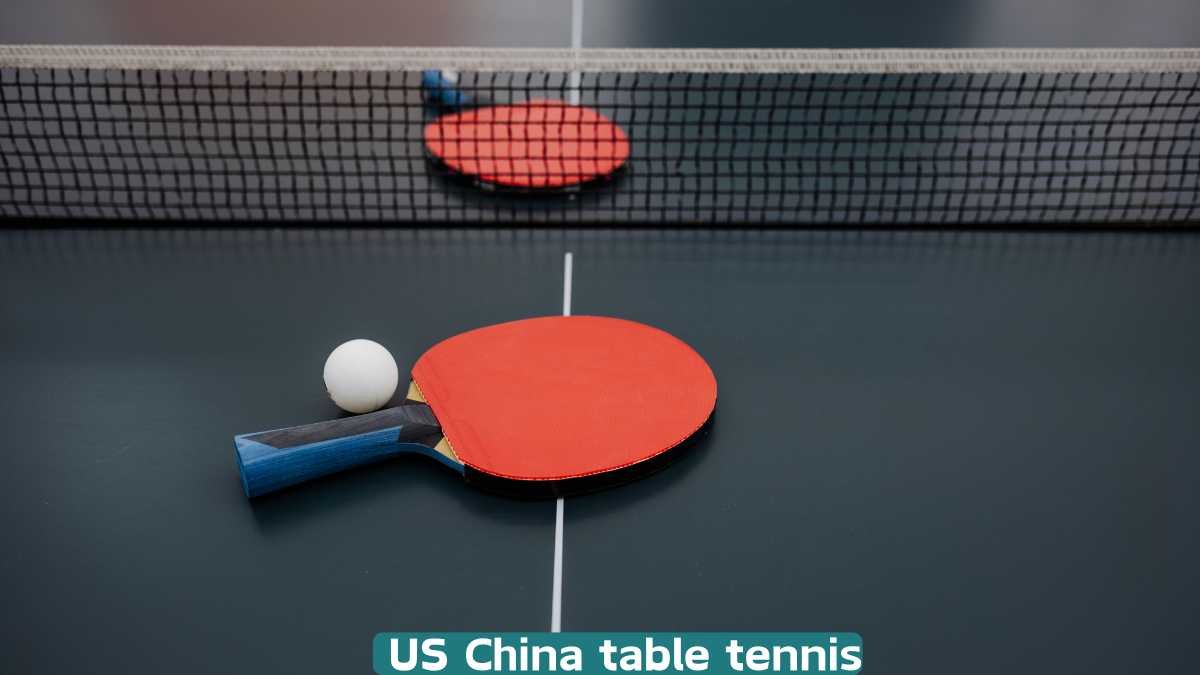
Yes, and Track III refers to grassroots people-to-people contact: cultural exchanges, student visits, artist collaborations, sporting events.
If Track II is academics and former officials, Track III is ordinary citizens.
The 1971 ‘Ping Pong Diplomacy‘ between the US and China, where a US table tennis team’s visit to Beijing preceded Nixon’s historic 1972 trip, is a classic Track III example that opened a Track I door.
These categories often work together rather than separately.
Abraham is the founder and sole writer of Geopolitics Decoded. Based in New Delhi, India, he has been researching and analyzing international affairs since 2019, with a focus on great-power competition, European security, energy geopolitics, and global diplomacy. He is currently pursuing independent coursework in global diplomacy through SOAS University of London. His fact-based, deeply contextual analysis has earned millions of interactions across social media platforms, including Threads and Instagram. Every article on this site is independently researched, written, and verified by Abraham personally. Read Abraham’s full author bio