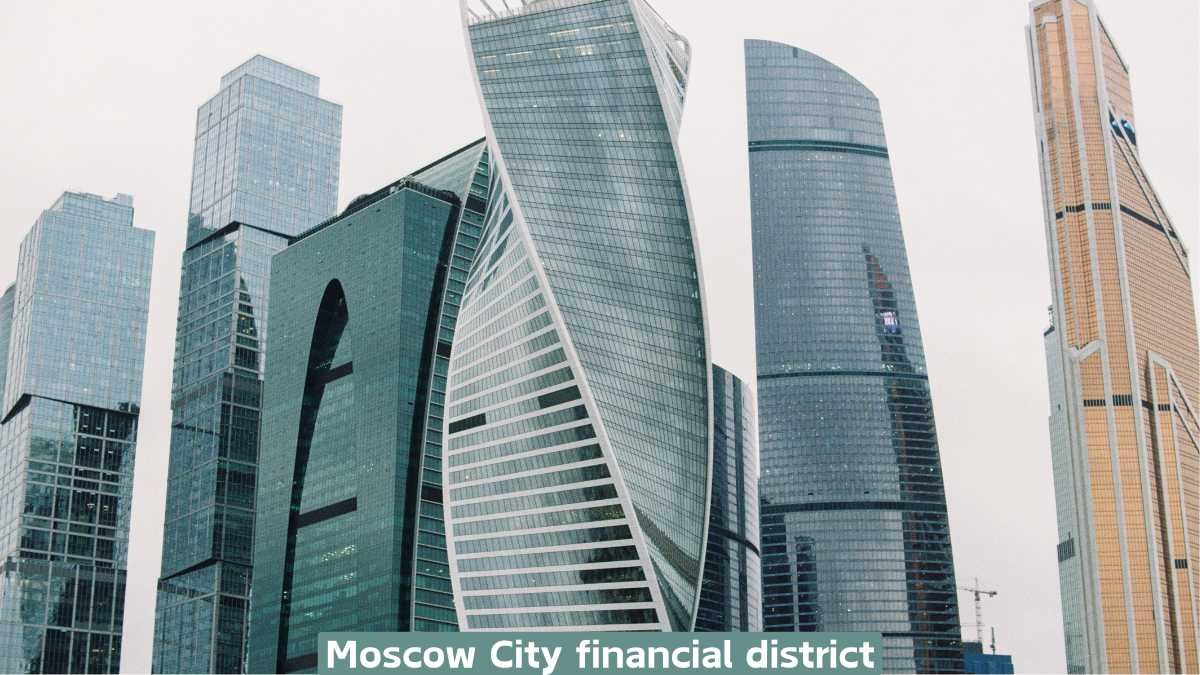
On February 26, 2022, the US, EU, UK, and Canada agreed to disconnect select Russian banks from SWIFT, and by March 12, the ban was implemented.
After that, the ruble hit an all-time low, Russians queued at ATMs, and the Moscow Stock Exchange suspended trading entirely.
Overnight, a country that was, at the time, the second-largest SWIFT user in the world after the United States found itself being partially cut off from global payment infrastructure.
I say “partially” on purpose; not all Russian banks were banned from SWIFT.
That selective decision is actually one of the most revealing parts of this entire story, and I’ll get to it.
But first, let’s understand what SWIFT actually is, how it works, who controls it, and why being removed from it matters so much, for Russia, and for every country that did business with it.
What SWIFT Is and Why the World Depends on It
SWIFT, which stands for Society for Worldwide Interbank Financial Telecommunication, was established on May 3, 1973. It started with around 15 founding nations and roughly 239 banks.
Today, it connects over 11,000 financial institutions in more than 200 countries.
For example, I live in India, and I want to transfer money within the country, so I can use my IFSC code, which is for domestic use.
But when money needs to cross borders, say from a German bank to one in Japan, or an American to India, and so on, you need a SWIFT code.
Every bank on the network has one, and SWIFT acts as the secure messaging layer between them to confirm and coordinate those transactions.
Here’s the key thing: SWIFT doesn’t move money, it moves messages. But those messages are what make the money move. Without them, cross-border payments become slow, manual, expensive, and unreliable.
So when a country is cut off from SWIFT, it doesn’t mean its banks stop working domestically.
It means their ability to send or receive international payments through normal channels basically breaks down.
Who Actually Decides Who Gets Kicked Out
SWIFT is technically a Belgian-based cooperative, not an American institution. But it operates under Belgian and EU law, and EU regulations are legally binding on it.
So when the EU Council passed Regulation (EU) 2022/345 on March 2, 2022, SWIFT had to comply.
The decision itself was coordinated between the EU, the United States, the United Kingdom, and Canada.
There were disagreements internally, as Hungary and Slovakia had concerns, and Austria initially pushed back.
But by February 26, consensus had formed, the ban was agreed on a Saturday and published in the EU Official Journal four days later.
SWIFT isn’t a neutral utility in the way people sometimes assume. When major Western governments align on a sanctions decision, and it falls under EU jurisdiction, SWIFT follows.
They did the same with Iran in 2012, disconnecting several Iranian banks. Russia in 2022 was a larger and more consequential version of the same mechanism.
Which Russian Banks Were Banned, and Which Were Not

The initial March 12, 2022, ban targeted exactly seven Russian banks: VTB Bank (Russia’s second-largest), Bank Otkritie, Novikombank, Promsvyazbank, Rossiya Bank, Sovcombank, and VEB (Russia’s development bank).
What it did not include: Sberbank, Russia’s single largest bank by assets, and Gazprombank, its third-largest.
The reason was simple: around 40% of the EU’s gas supply at the time came from Russia, and both banks were central to handling those energy payment flows.
Disconnecting them immediately would have cut Europe off from its own energy supply, though Europe has an energy crisis in 2026.
However, six initially-banned banks represented roughly 25% of the Russian banking system by assets, according to a senior EU official at the time. Sberbank alone dwarfed most of them combined.
The selective nature of the ban had a political logic but a practical weakness: payments that would have gone through banned banks simply migrated to the non-banned ones.
Sberbank was eventually added in May 2022 under the EU’s 6th sanctions package.
Gazprombank faced separate US sanctions in late 2024. Its ability to handle energy transactions touching the US financial system was restricted, which was active in 2022 and 2023.
About 300 Russian banks used SWIFT before the ban, and more than half of Russia’s credit institutions were represented on it.
The selective ban, even with Sberbank eventually added, left a significant portion of Russian banking technically still connected.
Impacts Russian Citizens Faced After Swift Ban

Almost immediately after the February 26 announcement, the ruble started collapsing, and in early March, it hit its all-time low.
Impacts were as follows:
- Visa and Mastercard both suspended operations in Russia by March 5, 2022.
- Russians were queuing outside ATMs.
- The Moscow Stock Exchange halted trading for days to prevent a total market meltdown.
- For Russian businesses that relied on imports, the cost for cross-border transactions went up.
- Some had to route through third-country banks, pay premiums, or use slower manual methods.
- Supply chains for imported goods got disrupted.
The SWIFT ban wasn’t the only cause of this; it happened alongside asset freezes, dollar and euro transaction blocks, and the broader shock of Western sanctions, all hitting simultaneously.
But SWIFT being part of the package amplified the panic because it affected international payment infrastructure in a very visible way, and ordinary people understood it meant their cards wouldn’t work abroad.
Russia SWIFT Alternative: SPFS and the Pivot East
Russia didn’t start scrambling in 2022; it had started preparing after 2014, when the annexation of Crimea first raised the possibility of SWIFT disconnection.
That’s when it launched SPFS (System for Transfer of Financial Messages), its own domestic messaging alternative.
SPFS works within Russia and has limited connections with banks in Belarus, Kazakhstan, Armenia, and a few other post-Soviet states.
But its international reach is minimal compared to SWIFT.
As of 2022, it had around 400 participants, almost all domestic. Using SPFS to route a payment from a European company to a Russian supplier is not a real option.
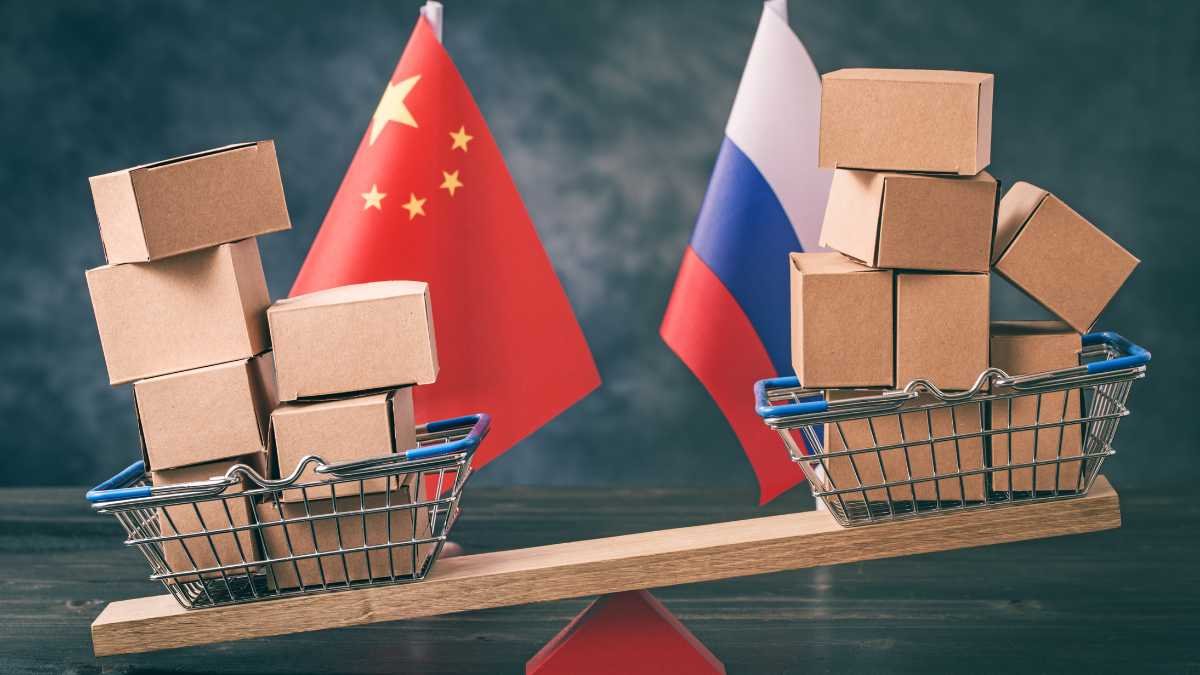
So Russia turned to what was actually available: Chinese financial channels, bilateral currency arrangements, and CIPS, which is China’s cross-border payment system for yuan-denominated transactions.
CIPS, the Yuan, and What China Is Building
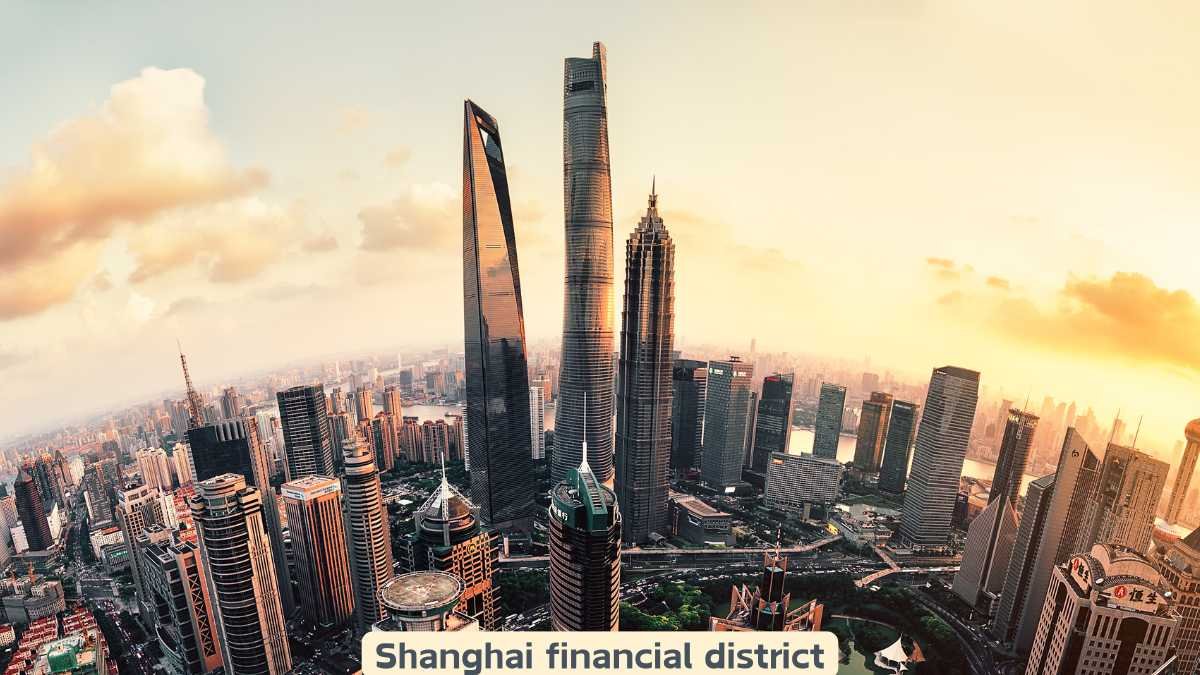
China launched CIPS (Cross-Border Interbank Payment System) in 2015, partly as a long-term hedge against dollar dominance.
As of early 2022, it had 75 direct participants and over 1,200 indirect participants globally. Russian banks were likely already indirect participants.
After the SWIFT ban, Russia-China increased their trade; in fact, Russia started accepting yuan for some exports.
By 2023, the yuan had become the most traded foreign currency on the Moscow Exchange, surpassing the dollar. That’s a significant structural shift that wasn’t in place two years earlier.
But CIPS still processes a fraction of what SWIFT handles daily. And China has been cautious about how deeply it integrates Russia into its financial system, aware that overstepping could invite US secondary sanctions on Chinese institutions.
The Russia situation gave China an opportunity to expand renminbi internationalization, but Beijing has been measuring how far to go.
India is also part of this picture. It continued importing discounted Russian oil after 2022 and has been exploring rupee-ruble settlement mechanisms.
Earlier, when buying Iranian oil before the tighter 2019 sanctions, India had used the yuan as an intermediary currency for some of those payments.
These arrangements work, but they come with currency conversion friction and counterparty risks that don’t exist in normal SWIFT transactions.
Iran, Crypto, and What “Off-SWIFT” Looks Like in Practice
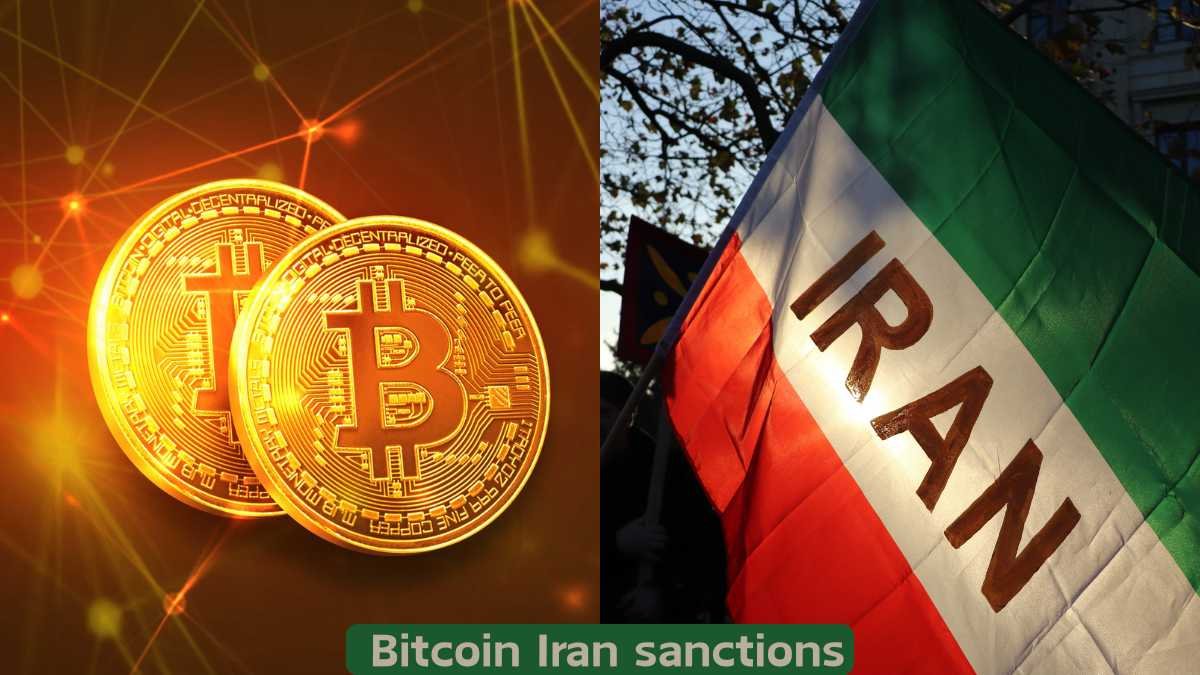
Iran was disconnected from SWIFT in 2012 and again more completely in 2018 under US pressure.
Over those years, it developed a playbook for surviving without standard payment infrastructure, including using cryptocurrency for some cross-border transactions, particularly after 2019, and routing through intermediary banks in jurisdictions with looser sanctions enforcement.
During the 2024 tensions involving Israel and Iran, reports confirmed that Iran had been using crypto as part of its payment mechanisms for some time.
Crypto works well for targeted, medium-sized transactions, and it offers some traceability resistance.
But it doesn’t scale to the level a full national economy needs for day-to-day trade.
Russia has experimented with some of these same tools, but the volume problem is much larger.
Russia’s trade flows dwarf Iran’s, crypto markets, while substantial, can’t absorb that volume without major price impact and increased traceability from blockchain analytics firms, which Western governments have become quite skilled at using.
How It Changed Global Finance, and What We’re Watching
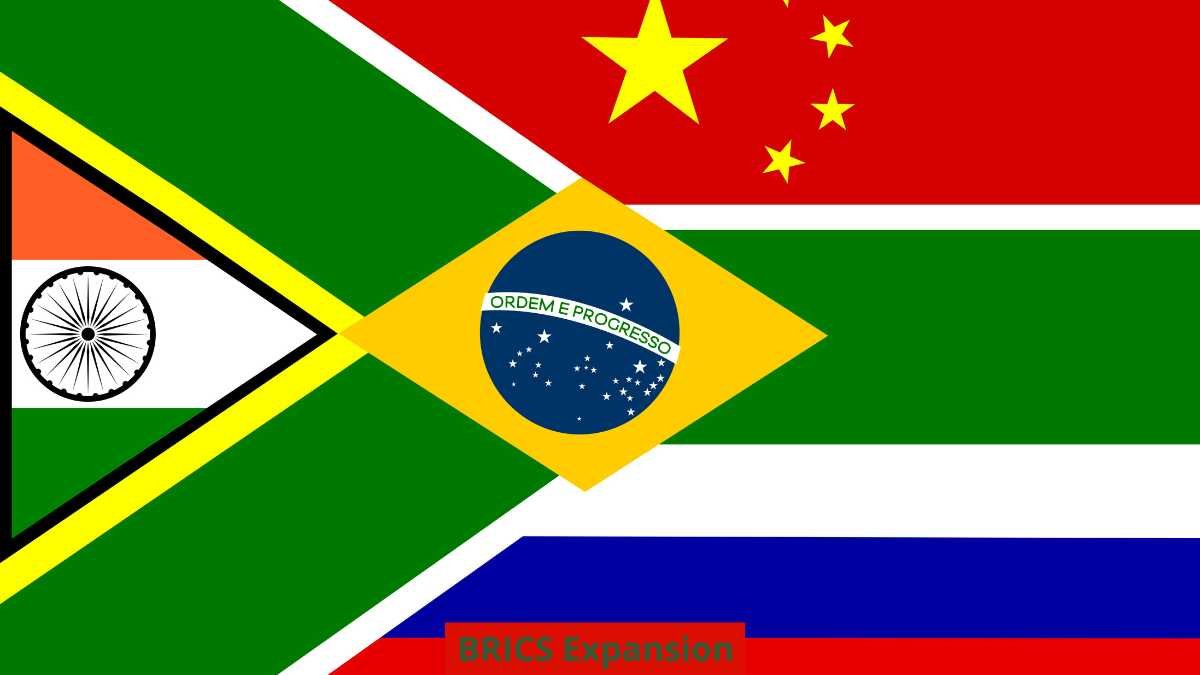
The SWIFT ban on Russia was the moment many countries, particularly in the Global South, took seriously a question which they were aware of but not urgently focused on: what happens if this happens to us?
Countries like India, Brazil, South Africa, and others in non-Western alliances started having more serious conversations about financial sovereignty after 2022.
The use of SWIFT as a sanctions tool, combined with the freezing of roughly $300 billion in Russian central bank assets held in Western institutions, sent a signal that access to global financial infrastructure is conditional, not permanent.
That’s the important change to watch. Not whether Russia found a workaround, but whether this situation speeds up the division of the global financial system.
There are real early signs of a world where a Western financial rail and a parallel non-Western one coexist with diminishing overlap.
SWIFT is still the main global payment system, and the U.S. dollar is still the world’s most important currency; these things won’t change quickly.
But BRICS is expending, and people are questioning the system behind global finance in ways they did not before February 2022. Russia being cut off from that system is a major reason for that.
Final Thought
The SWIFT ban on Russia didn’t collapse the Russian economy overnight. So, anyone who predicted it would be wrong, and some of those predictions aged poorly within months. Russia adapted, partially and painfully, but it adapted.
What it did do was change who Russia trades with, in what currencies, and through what channels.
It accelerated Russia’s pivot toward China, fast-tracked conversations about CIPS, SPFS, and rupee-ruble settlement that would have taken years otherwise.
And it put the idea of financial sovereignty, something most countries only thought about abstractly, onto the active agenda of governments across the Global South.
People no longer fully believe that the global payment system is neutral. What replaces it, and whether the world will have one financial system or two separate ones working at the same time, is the question still being answered.
FAQs
Wait, so not all Russian banks are out of SWIFT? Can people still send money to Russia?
Technically, yes, they can through non-sanctioned banks. But many Western banks have voluntarily cut Russia-related transactions out of compliance caution, even when not legally required to.
So practically, it’s very restricted. And the banned list has grown significantly since March 2022, with Sberbank added in May 2022.
Why didn’t Sberbank and Gazprombank get banned from day one?
Because the EU was buying around 40% of its gas from Russia at the time, and both banks handled the bulk of energy payment flows.
Banning them immediately would have risked disrupting Europe’s own energy supply. It was a deliberate compromise, and a politically embarrassing one. Sberbank was added in May 2022 once some energy alternatives were in place.
Why can’t Russia just use crypto for everything?
Scale! Russia’s economy is massive, and Crypto markets can’t absorb the volume of cross-border trade a country of that size needs without significant price distortion.
Crypto is more useful for Iran-sized targeted transactions; there’s also the traceability issue.
Western governments and private blockchain analytics firms have gotten quite good at tracking crypto flows, which limits how effectively it can be used to evade sanctions at scale.
Could Russia get back into SWIFT if there’s a peace deal?
Yes, in theory, it’s a reversible mechanism. Iran’s SWIFT access was partially restored in 2016 under the nuclear deal, then pulled again in 2018 when the US withdrew.
The same logic applies to Russia; if sanctions are lifted as part of a verifiable peace agreement, SWIFT access could be restored.
That’s actually part of its diplomatic value. It’s both a punishment and a negotiating chip.
How does this affect countries like India that do business with both Russia and the West?
This gets into secondary sanctions territory; the US can target non-US companies that do significant business with sanctioned Russian entities.
That’s what keeps third-country banks cautious even when their own governments haven’t imposed direct restrictions.
Some Chinese and Indian firms have already faced US secondary sanctions.
Therefore, India has been navigating this carefully, paying for Russian oil through rupee-ruble mechanisms while avoiding direct SWIFT transactions with banned banks.

Abraham is the founder and sole writer of Geopolitics Decoded. Based in New Delhi, India, he has been researching and analyzing international affairs since 2019, with a focus on great-power competition, European security, energy geopolitics, and global diplomacy. He is currently pursuing independent coursework in global diplomacy through SOAS University of London. His fact-based, deeply contextual analysis has earned millions of interactions across social media platforms, including Threads and Instagram. Every article on this site is independently researched, written, and verified by Abraham personally. Read Abraham’s full author bio