BRICS was started as a group of five economies, Brazil, Russia, India, China, and South Africa, they were tired of doing trade in dollars, which is not their control.
In 2024, the group expanded significantly; they added Egypt, Ethiopia, Iran, the UAE, and others. Saudi Arabia was also invited but has not formally confirmed full membership as of early 2025.
The BRICS expansion impact is now a real conversation in Washington, Beijing, Brussels, and every major capital in between.
I want to get into the real story here, why this group exists, what the 2024 expansion actually means, why the US started paying attention, and what is genuinely changing versus what is still mostly talked about.
How BRICS Started and Why Russia Pushed It
The BRIC concept was originally coined by Goldman Sachs economist Jim O’Neill in a 2001 research paper. He predicted that Brazil, Russia, India, and China would be the four economies that would dominate the 21st century.
So, initially it was an investment thesis, not a political project, but Russia saw an opportunity in that framing and turned it into one.
The first formal BRIC summit took place in June 2009 in Yekaterinburg, Russia. South Africa joined in 2010, and it became BRICS.
Here, timing matters; this was right after the 2008 global financial crisis, which originated in the United States and hammered emerging economies.
A lot of these countries looked at the IMF, the World Bank, and the dollar-dominated financial system and said: We bailed out a system that failed us, and we had no say in how it was built.
Russia’s motivation from the beginning was partly economic but largely political.
Putin had watched NATO expand eastward through the 1990s and 2000s. He had watched Russia get sidelined in Western-led institutions.
BRICS was, and still is, a platform to signal that there is another pole in global politics.
China had its own reasons: the yuan was not yet an international currency, and Beijing wanted a multilateral framework through which it could push that agenda without looking like it was acting alone.
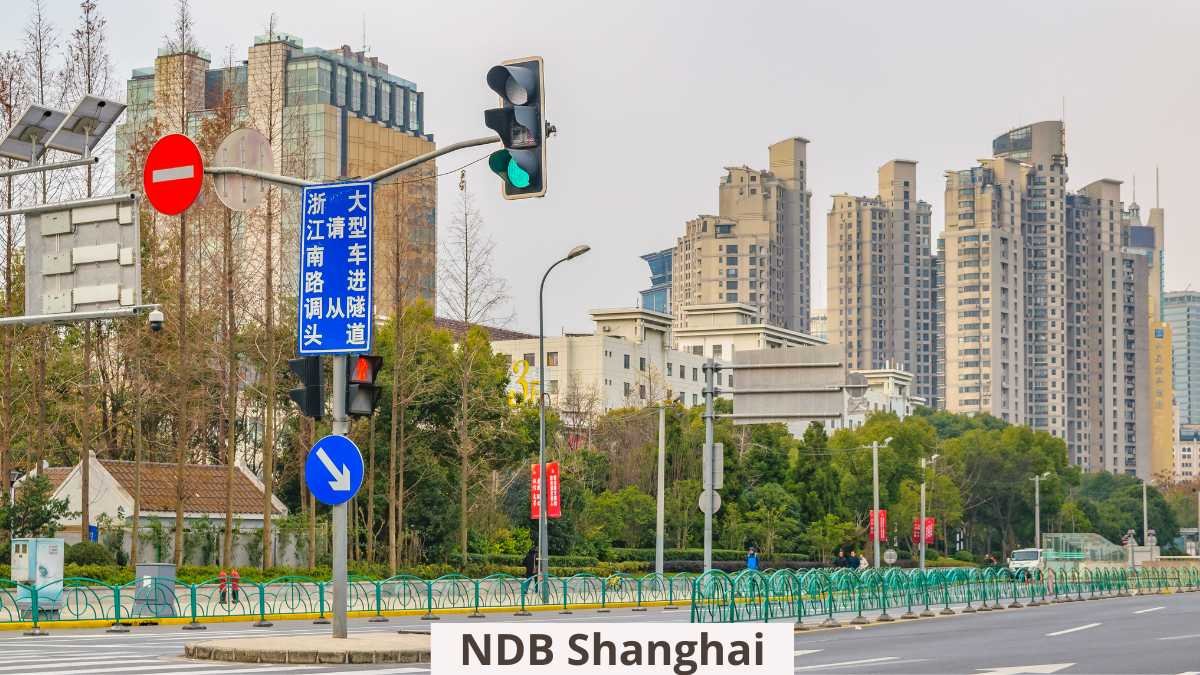
The New Development Bank, established in 2014 and headquartered in Shanghai, was the first concrete institutional output.
It was designed as an alternative to the World Bank and IMF; it started offering infrastructure financing without the political conditions those institutions typically attach.
By 2024, it had approved over $33 billion in financing across member countries.
The 2024 Expansion: Who Joined and What They Want
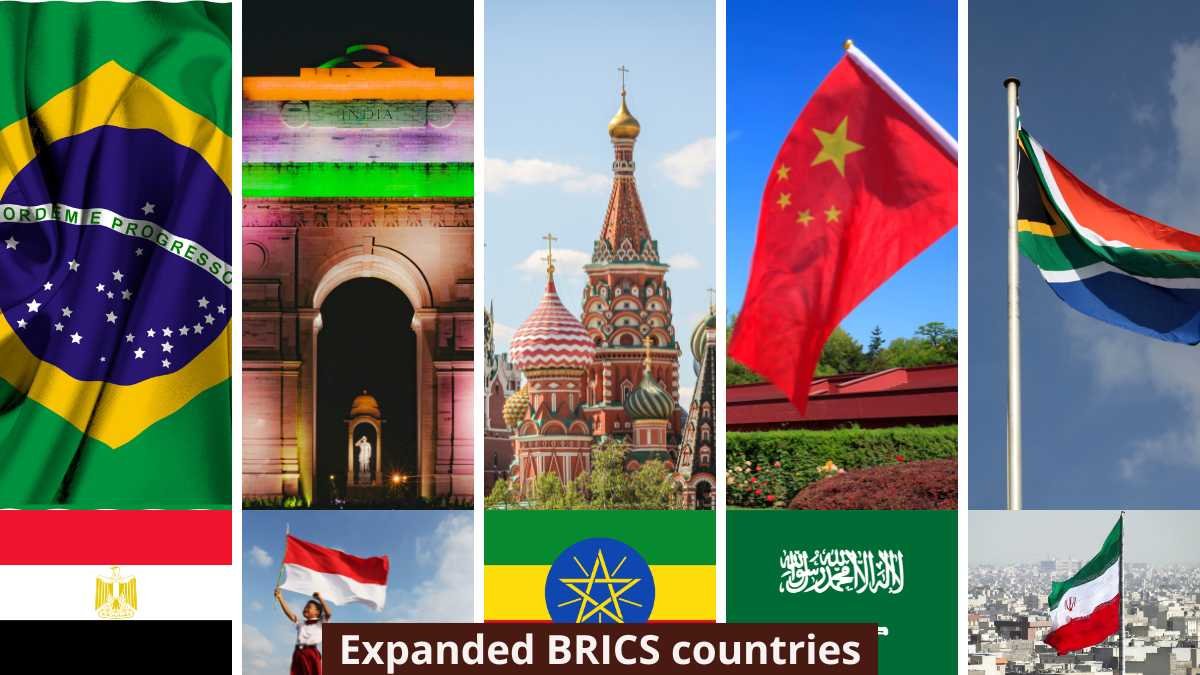
The BRICS summit in Johannesburg in August 2023 announced the addition of six new members: Argentina, Egypt, Ethiopia, Iran, Saudi Arabia, and the UAE.
Argentina declined under the new president, Javier Milei, who took office in December 2023 and reversed the decision.
The others moved forward, with formal membership starting January 1, 2024.
Each of these countries joined for different reasons, and that is worth understanding because it tells you what BRICS actually is at this point.
Iran joined primarily because of sanctions; the US has frozen over $100 billion in Iranian assets for decades due to restrictions.
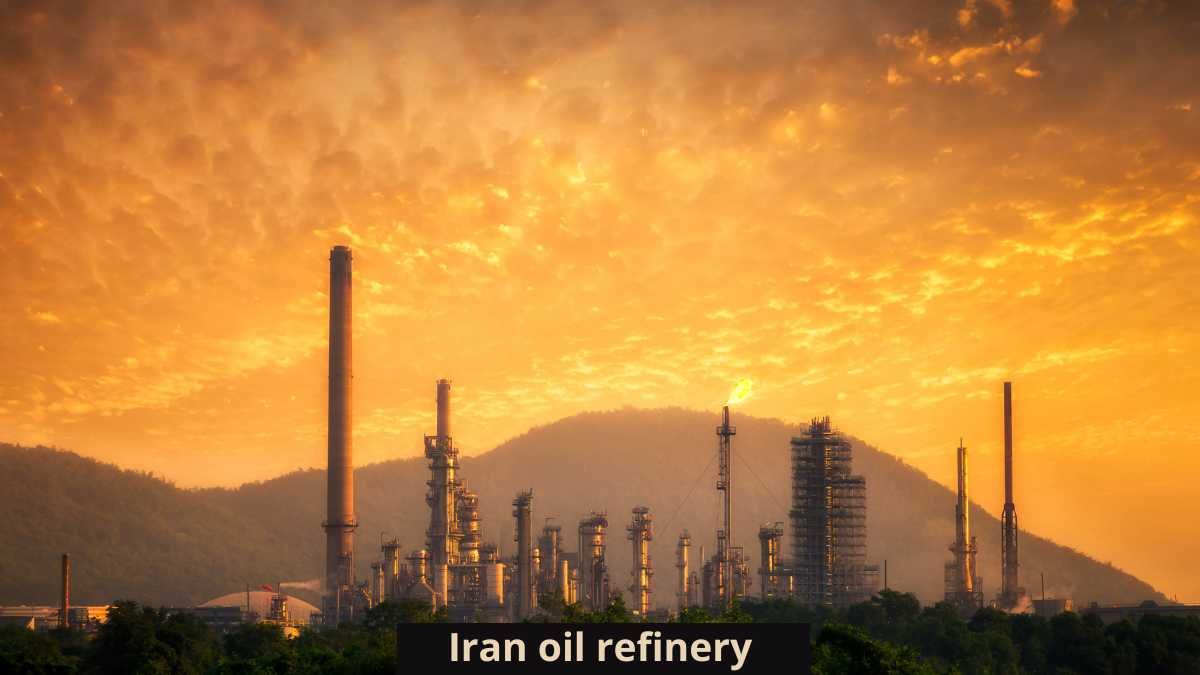
Iran cannot use SWIFT and trade in dollars without running into legal and financial barriers.
BRICS membership, and particularly closer economic ties with China and Russia, give Iran a partial workaround. And that was for economic survival under financial blockade.
Egypt joined in a very different position:
Egypt has generally good relations with the United States, and it receives significant US military aid.
But Egypt is also in a serious economic crisis, its currency losing over 50% of its value between 2022 and 2024, and it has been in and out of IMF programs.
Joining BRICS was a hedge, a way to attract financing and trade partnerships beyond the Western-dominated system without fully breaking from it.
Saudi Arabia and the UAE’s Position is Interesting
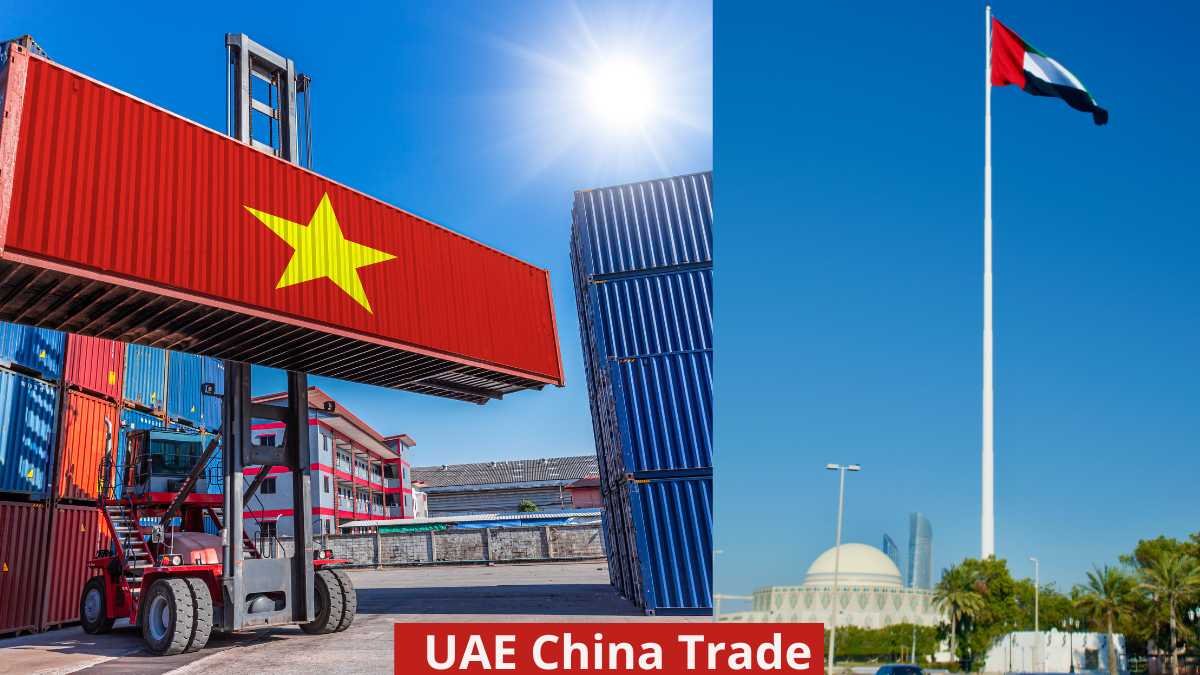
Both are close US security partners, and they have massive dollar-denominated sovereign wealth funds.
Neither is looking to break from the West, but they are also doing an enormous volume of trade with China.
Saudi Arabia reportedly had conversations with Beijing about pricing some oil sales in yuan.
Joining BRICS is part of a broader Gulf strategy of hedging between major powers rather than committing fully to one side.
The Dedollarization Question and Why the US Got Nervous
In late 2023 and through 2024, Donald Trump threatened to impose 100% tariffs on any BRICS nation that tried to replace the dollar in international trade.
That level of reaction from a US president tells you how seriously Washington is taking this
US concern is real too, even if the timeline is long, because right now, the US dollar accounts for roughly 58% of global foreign exchange reserves, down from about 71% in 2000; that’s a significant shift over two decades.
SWIFT, the global financial messaging system, is controlled by Western institutions and has been used as a sanctions tool against Russia (cut off in February 2022) and Iran (restricted for years).
Countries watching that happen have a legitimate reason to want alternatives.
Russia and China are pushing the Yuan, Rubles (and even BRICS currency)
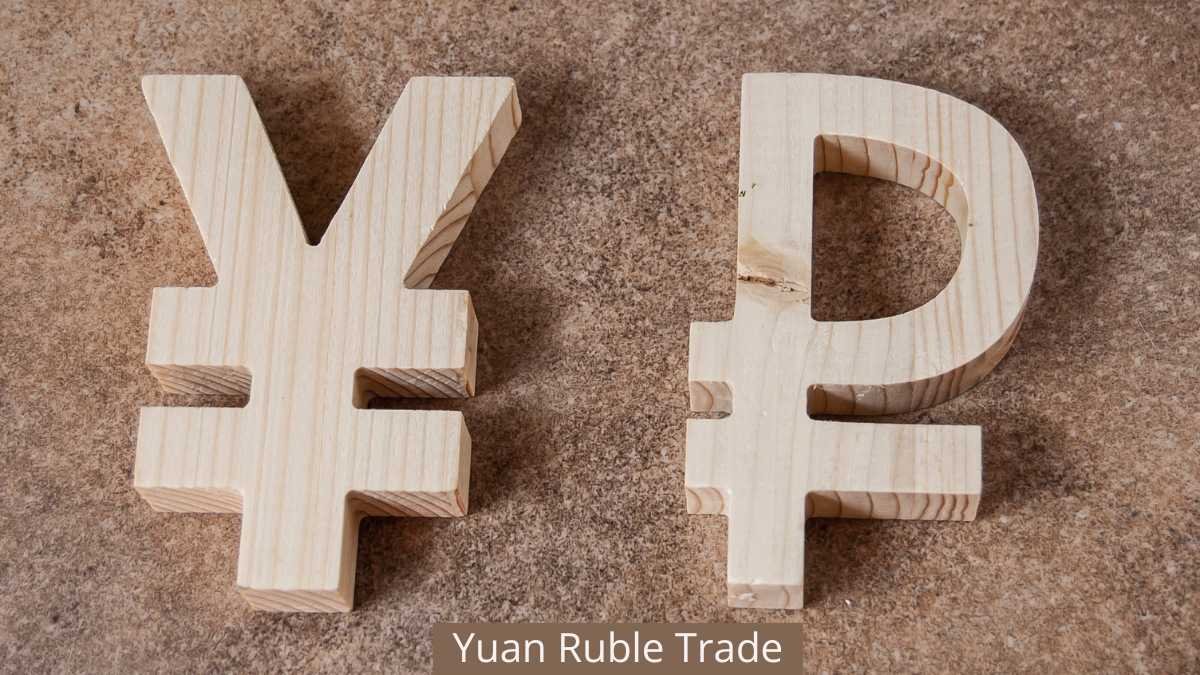
Russia and China have already moved away from the dollar in bilateral trade. By 2023, over 90% of Russia-China trade was being settled in rubles and yuan, up from essentially zero before the 2022 sanctions.
Russia built its own payment system called SPFS, and China has CIPS as an alternative to SWIFT.
These are not perfect systems, but they work for bilateral trade between countries that have decided to route around the dollar.
India’s position is the most important variable here
When India’s foreign ministry confirmed in 2023 that India was not pursuing dedollarization as a policy goal, that was a significant signal, as President Putin was pushing for BRICS currency.
India trades heavily with the US, plus it has a massive diaspora sending remittances in dollars. Therefore, India is not going to blow up that relationship to make a geopolitical point.
What this tells me is that dedollarization within BRICS is real but selective.
- Russia and Iran are doing it because sanctions left them no choice.
- China is doing it gradually as a strategic project to internationalize the yuan.
- India is not doing it because the US is its second-largest trading partner, and it receives 27% remittance from there (135.4 billion in FY25).
- The Gulf states are hedging.
So, the dollar is not going anywhere in the next decade, but the monopoly is softening.
Non-Western Nations are Losing Trust
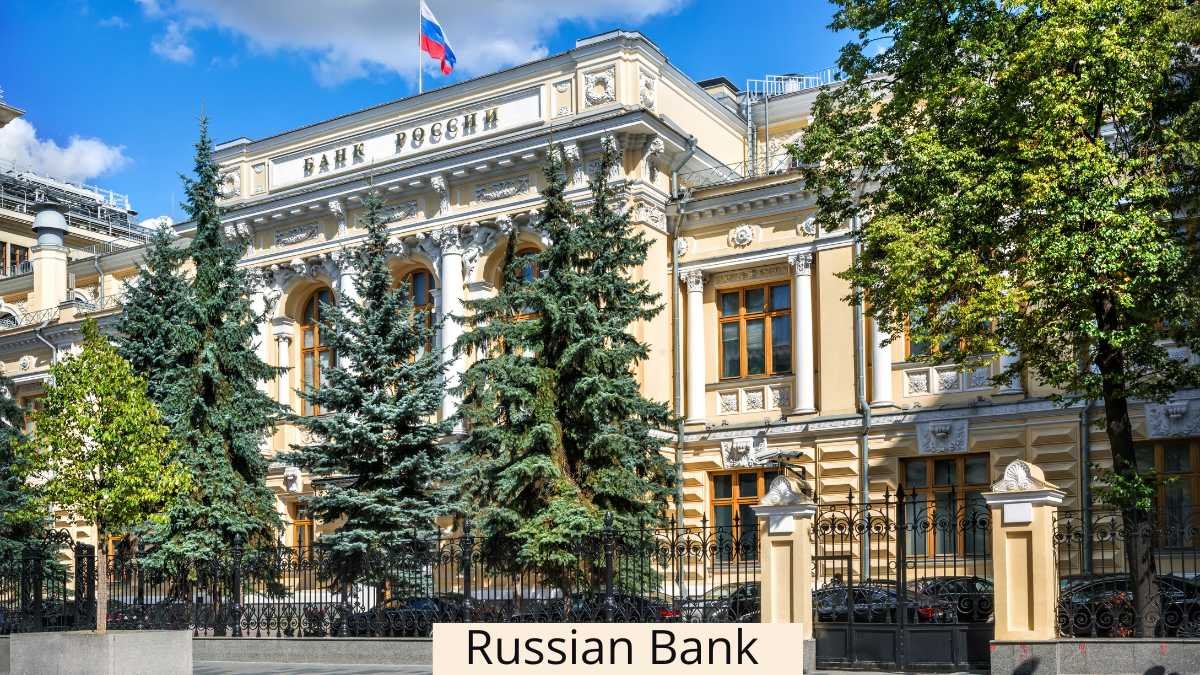
The deeper issue, and this is something a lot of Western commentary misses, is that the sanctions on Russia after February 2022 froze approximately $300 billion in Russian central bank assets held in Western institutions.
That moment was watched by every non-Western government in the world.
If the US can freeze the central bank reserves of a G20 economy, no country holding dollars can feel completely certain that those reserves are safe.
What BRICS Has Changed So Far
What it has done:
It has created a platform where major non-Western economies meet regularly and coordinate positions on global issues.
- That coordination is visible at the UN General Assembly, at G20 meetings, and in multilateral negotiations on climate, trade, and financial reform.
- BRICS countries collectively represent about 40% of world trade by value and over 40% of the world’s population. When they speak with one voice on something, it carries weight.
- The New Development Bank has become a good alternative financing source for infrastructure in the Global South. Countries that would previously have had to accept IMF conditionality to get financing now have another option. That has real leverage implications for the IMF and World Bank, even if the NDB is still much smaller.
What it has not done:
- It has not created a common currency, like BRICS own currency, an alternative to the dollar, despite years of discussion.
- It has not built a unified trading system.
- It has not replaced SWIFT even among the BRICS members. Most BRICS countries still hold significant dollar reserves.
- BRICS has not fundamentally shifted the dollar’s role in global commodity pricing.
- Oil is still priced in dollars on global markets.
So the BRICS group has grown in political and symbolic weight faster than it has grown in institutional capacity. That can change in the future, but it has not changed yet.
BRICS Impact on Major Powers and the Global Order
United States:
The United States is the most reactive to BRICS because it has the most to lose from a shift in the dollar’s global role.
As of now, the dollar’s reserve status allows the US to run deficits that would sink any other economy, borrow cheaply, and use financial access as a foreign policy tool.
BRICS is not threatening that immediately, but it is chipping at the edges.
China:
For China, BRICS is one part of a much larger strategy that also includes the Belt and Road Initiative, the Asian Infrastructure Investment Bank, and bilateral currency swap agreements with dozens of countries.
BRICS gives China multilateral legitimacy for what is essentially a Chinese-led effort to build an alternative economic architecture.
That is why Beijing is its most consistent and well-resourced champion within the group.
India:
For India, BRICS is complicated. India wants the platform, the access, and the voice for the Global South that BRICS represents.
But India also has a border conflict with China, deep US security ties, and no desire to be seen as part of an anti-Western bloc.
India has consistently used BRICS to push its own agenda on things like UN Security Council reform and climate finance, rather than to align with Russia or China on geopolitical positioning.
European Union:
The EU is watching carefully. Europe has historically relied on the dollar-based financial system and aligned with the US on sanctions.
But European companies lost significant business when Iran was sanctioned and then when Russia was sanctioned (yes, sanctions impact Russia, but also the global economy and our lives)
Also, there is a conversation within European policy circles about what financial sovereignty actually means when the US can cut any country off from global trade by controlling the plumbing of the financial system.
Global South:
A broader group of developing nations in Africa, Asia, and Latin America sees BRICS as a potential counterweight to condition-based Western financing; that sentiment is real and growing.
The question is whether BRICS can actually deliver on the promise, because right now the New Development Bank is still much smaller than the IMF and World Bank, and most of its loans still go to the original five member states.
What BRICS Can Realistically Do Next

The next realistic step for BRICS is not a common currency or a full break from the dollar.
It is a deeper bilateral trade settlement in local currencies between member states, continued expansion of the NDB’s lending capacity, and increased coordination on positions in multilateral bodies like the UN and WTO.
The 2024 Kazan summit in Russia produced a framework for a BRICS payment system, designed to connect the national payment systems of member states.
This would reduce dependence on SWIFT for transactions between member states.
It is early-stage, but it is a technical project with actual follow-through commitments from member governments.
My Opinion:
I personally think the future economic weight of Asia is not in question.
China and India together will be the two largest economies in the world within this century, according to most serious projections.
The question is not whether Asia’s economic weight grows, but whether that weight gets passed through institutions like BRICS or through bilateral arrangements and existing multilateral bodies.
If BRICS can build genuine institutional capacity like a functional payment system, a larger NDB, and a consistent diplomatic bloc on key issues, it will become a significant force in global governance.
If it stays only a forum for summits and statements, it will remain important but weak.
The expansion to 10-plus members makes it harder to achieve common agreement, but increases its representative weight.
That tradeoff is going to define the next five years of BRICS development.
Conclusion
BRICS expansion is real, and its impact on global governance is gradual, but we can see it.
It has not replaced the dollar, has not built a rival financial system, and is nowhere near challenging Western institutional dominance in the short term.
But it has created a platform with real political weight, an alternative development bank with growing capacity, and a framework for trade settlement that reduces dollar dependence between member states.
The countries most committed to that project, Russia and China, are driven by specific experiences: sanctions, asset freezes, and exclusion from Western-controlled financial infrastructure.
Countries like India and the Gulf states are playing a different game, one of strategic positioning rather than outright opposition to the current order.
What BRICS tells us most clearly is that the post-1990s assumption of a unipolar, dollar-dominated world order is no longer something every major economy accepts as permanent.
Whether BRICS becomes the vehicle for changing that order, or whether it remains a forum, we’ll see it in the next few decades.
FAQs
Is BRICS actually going to replace the dollar?
Not in any near-term timeframe, as of now, the dollar’s share of global reserves has declined from around 71% in 2000 to about 58% today, but it is still dominant.
No BRICS country has a currency ready to take its place globally, and India has explicitly said it is not pursuing dedollarization.
What BRICS is doing is creating alternative rails for trade between member states, which reduces dollar dependence at the margins without replacing it.
Why did Saudi Arabia join BRICS if it is a US ally?
Because it is hedging, Saudi Arabia does trade with China, which is its largest oil customer.
So, joining BRICS does not mean leaving the US security umbrella. It means Riyadh wants to maintain influence in both blocs rather than commit fully to one.
The Gulf states have watched how US policy shifted under different administrations and decided that diversifying partnerships is a good strategy.
What is the New Development Bank, and does it actually work?
The NDB is a banking system that was established in 2014; it’s a BRICS alternative to the World Bank and IMF.
NDB gives loans for infrastructure and development projects. Plus, it doesn’t have strict policies like the IMF and World Bank, especially for BRICS members.
Since it was founded, till now, it has approved over $33 billion in projects.
However, NDB is still much smaller than the World Bank, and it mainly focuses on the original five BRICS members.
Why does the US care so much about dedollarization?
The US dollar is the reserve currency and an important asset for the US economy.
It allows the US to borrow at lower rates, run larger deficits, and use financial access as foreign policy leverage through tools like SWIFT exclusion and asset freezes.
Any serious reduction in dollar dependence globally would reduce that leverage and raise US borrowing costs.
The $300 billion in frozen Russian assets and over $100 billion in frozen Iranian assets are exactly the kind of thing that makes other countries want alternatives.
What happens to BRICS if US-China tensions escalate further?
That will be the biggest structural risk to the group; India, which has its own serious tensions with China, could pull back from meaningful coordination.
Gulf states could face pressure from Washington to choose sides.
BRICS works best as a loose platform where members have overlapping but not the same interests.
If it starts looking like a China-Russia-led anti-Western alliance, countries like India, Brazil, and the Gulf states would likely step back from that framing even if they stayed formal members.

Abraham is the founder and sole writer of Geopolitics Decoded. Based in New Delhi, India, he has been researching and analyzing international affairs since 2019, with a focus on great-power competition, European security, energy geopolitics, and global diplomacy. He is currently pursuing independent coursework in global diplomacy through SOAS University of London. His fact-based, deeply contextual analysis has earned millions of interactions across social media platforms, including Threads and Instagram. Every article on this site is independently researched, written, and verified by Abraham personally. Read Abraham’s full author bio