On May 1, 2026, the UAE officially stopped being an OPEC member, and this announcement came on April 28, and by Friday, it was done.
Fifty-nine years of membership, gone in one statement from the Energy Ministry.
And UAE leaving OPEC actually matters, because it’s not like when Qatar left in 2018 (Qatar was mostly a gas country anyway), and it’s also not like when Angola walked out in 2023 (Angola had almost no production weight left).
The UAE was OPEC’s third-largest producer, behind only Saudi Arabia and Iraq.
And unlike most members, it had the money, the capacity, and the infrastructure to do something serious outside the group.
So what really happened here? Let me break it down.
59-Year Relationship That Was Breaking for Years
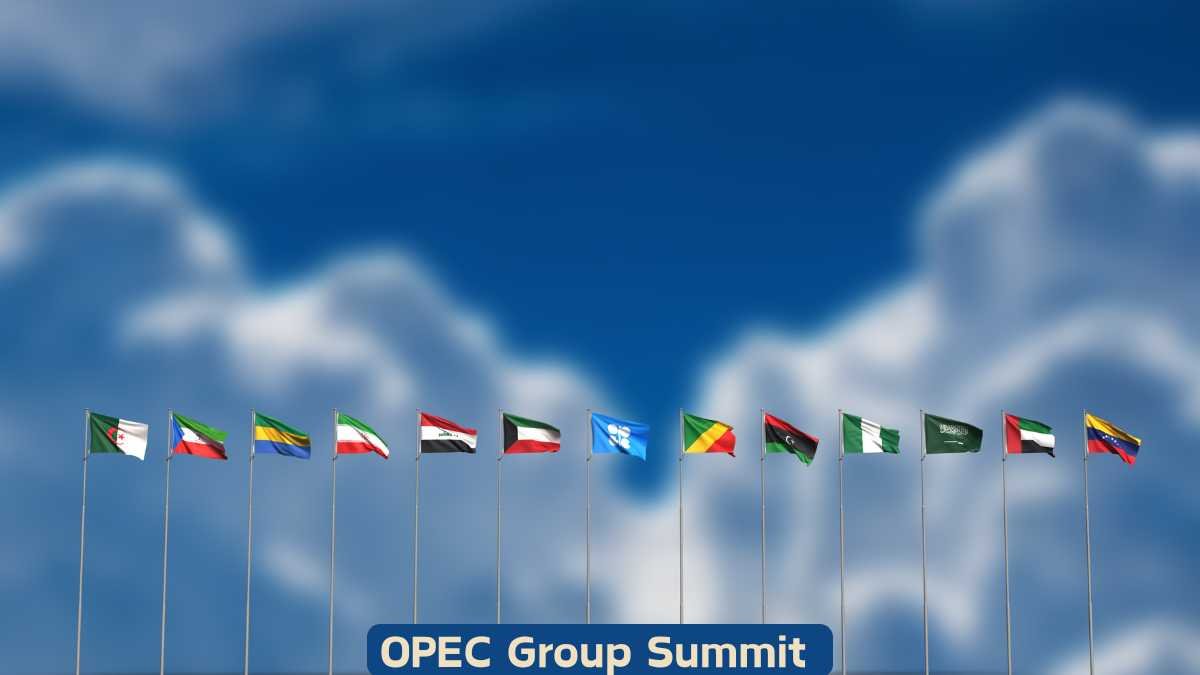
OPEC was founded in 1960, in Baghdad, by five countries: Saudi Arabia, Iraq, Iran, Kuwait, and Venezuela.
The original idea of OPEC was simple: stop Western oil companies from setting prices, and let producing nations control their own resources.
Abu Dhabi joined in 1967 as a separate emirate, seven years after OPEC’s founding.
Then in 1971, when the UAE became a federation, it inherited that membership.
So the UAE has been inside this group for nearly its entire existence as a country.
For most of that time, the relationship worked. UAE production was modest, Saudi Arabia ran the show, and everyone more or less stayed in their lane.
In 2020, when something started shifting, it came down to money and capacity
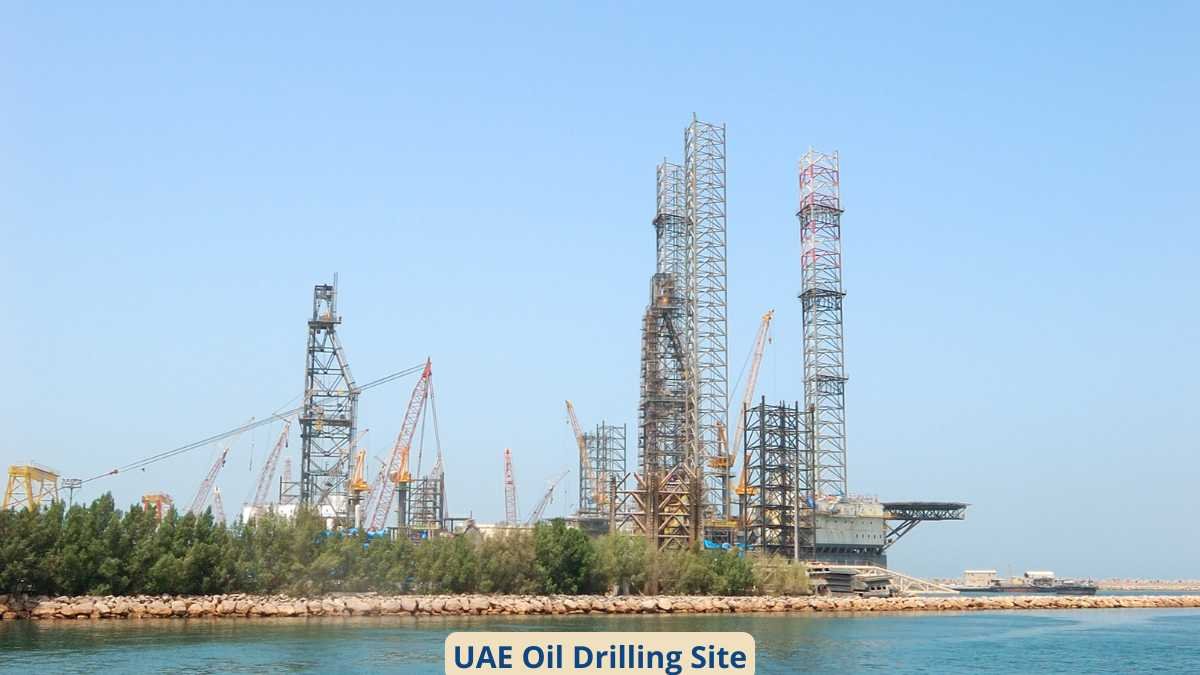
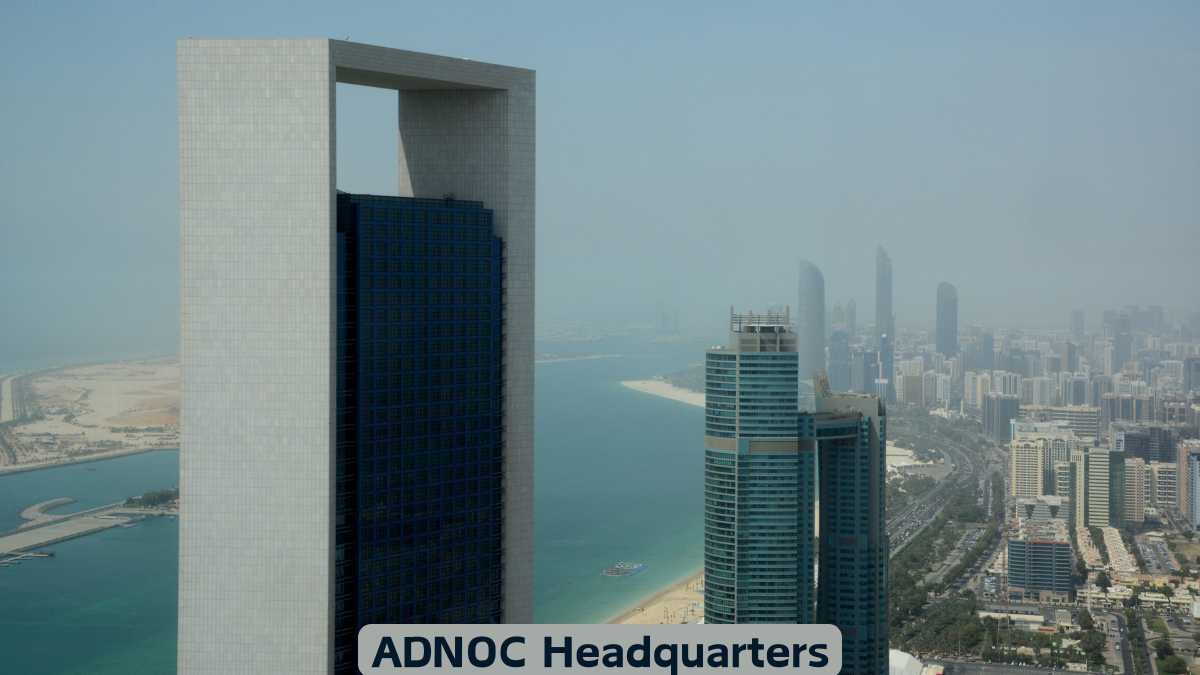
Abu Dhabi National Oil Company (ADNOC) launched an aggressive $150 billion expansion plan between 2023 and 2027, targeting 5 million barrels per day (bpd) of production capacity.
By 2024, they had already reached 4.85 million bpd in capacity.
According to Wood Mackenzie, OPEC+ quotas were keeping actual output well below that, around 3.5 million bpd.
To understand it better, put yourself in the UAE position: You’ve spent $150 billion building a machine, and someone else is telling you how fast you’re allowed to run it.
The real flashpoint came in 2021, when OPEC+ talks collapsed for days because the UAE wanted a higher quota baseline.
The eventual compromise raised it from 3.17 million bpd to 3.5 million bpd starting May 2022, but that still didn’t reflect the UAE’s actual capacity or ambitions.
From that point, the internal tension never really went away.
Why the UAE Left OPEC Right Now: Four Real Reasons
Here’s what actually drove this.
1. The quota was strangling them financially
- The UAE had built 4.85 million bpd of capacity and was only allowed to produce 3.5 million.
Every barrel above quota was a barrel they were obligated to leave in the ground. Exiting OPEC removes that ceiling permanently.
2. They’re racing against the energy transition
Al Jazeera quoted an analyst putting it clearly: the UAE is “preparing for a world after the Iran war where oil demand is in decline.”
ADNOC wants to sell as much oil as possible before the world eventually reduces its dependence on fossil fuels.
Saudi Arabia’s strategy is the opposite: keep prices high by restricting supply.
So, these two philosophies cannot coexist inside the same quota system.
3. The Iran war and the Strait of Hormuz closure
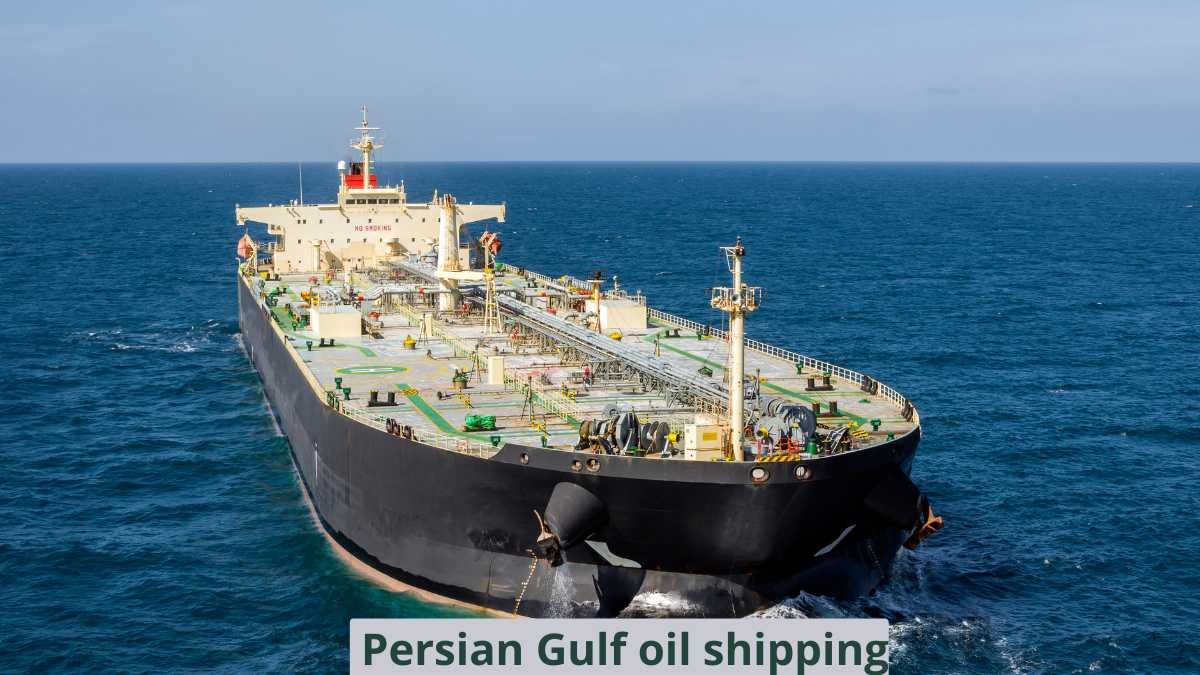
On February 28, 2026, the US and Israel began their military campaign against Iran. Iran responded by closing the Strait of Hormuz on March 4, 2026.
That’s the narrow waterway between Iran and Oman, the passage through which roughly 20 percent of the world’s oil and LNG normally flows.
Brent crude shot past $120 per barrel almost immediately. And shock also adds pressure to the European energy crisis in 2026, where governments are still struggling.
According to the IEA, the closure removed roughly 12 percent of global oil supply, a bigger shock than the Yom Kippur War, and similar to the Russia sanctions impact on the global economy.
The UAE was already receiving missile and drone attacks from Iran, a fellow OPEC member. So it had every reason to sever that political tie.
Energy Minister Suhail Al Mazrouei said directly that the war created an “opportune time” for the move.
4. The political shift toward the US
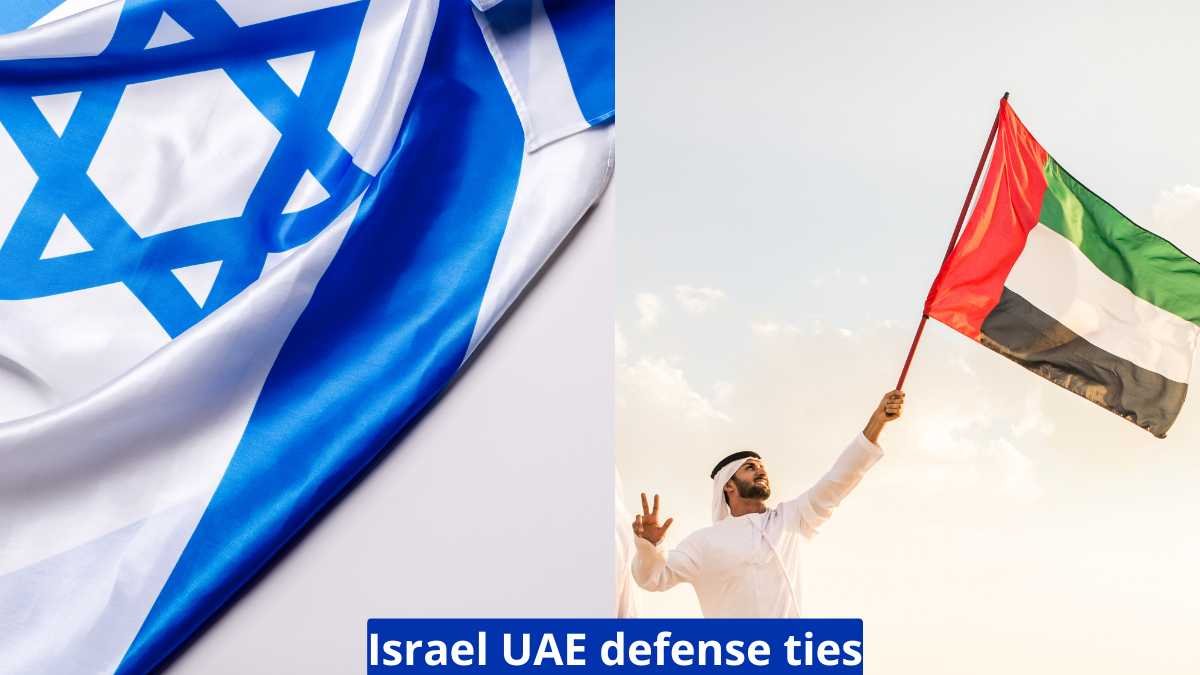
The UAE has deployed Israel’s Iron Dome air defense system on its soil, made a currency swap request to the US Treasury, and now exited an organization Washington has repeatedly criticized.
Steptoe’s analysis puts it plainly: the exit makes explicit the UAE’s alignment with the US and Israel, “following years of hedging.”
Whether or not the US asked for it, it suits American interests, and the UAE knows that.
UAE Leaving OPEC Impact on the Oil Market
In the short term, not much, when the announcement hit on April 28, oil futures fell 2 to 3 percent.
Then they bounced right back because the Strait of Hormuz is still closed, roughly 16 million barrels per day are absent from the market, and no one knows when that will change.
The UAE can’t even get its current production to global markets at full speed right now.
The Fujairah pipeline, the UAE’s only bypass route around Hormuz, is already running at capacity.
After the Strait of Hormuz reopens, the picture will change
Adnan Mazarei, a nonresident fellow at the Peterson Institute for International Economics, estimates the UAE’s independence could increase global supply by around 2 million barrels per day, putting meaningful downward pressure on prices.
For OPEC itself, the structural damage is important too; the UAE and Saudi Arabia were the only two members with significant spare capacity, the kind you can bring online quickly during a crisis.
Jorge Leon at Rystad Energy said it directly: losing a member with 4.8 million bpd of capacity “takes a real tool out of the group’s hands.”
OPEC becomes more dependent on Saudi Arabia alone to manage market swings.
UAE Left OPEC, Is it good or bad?
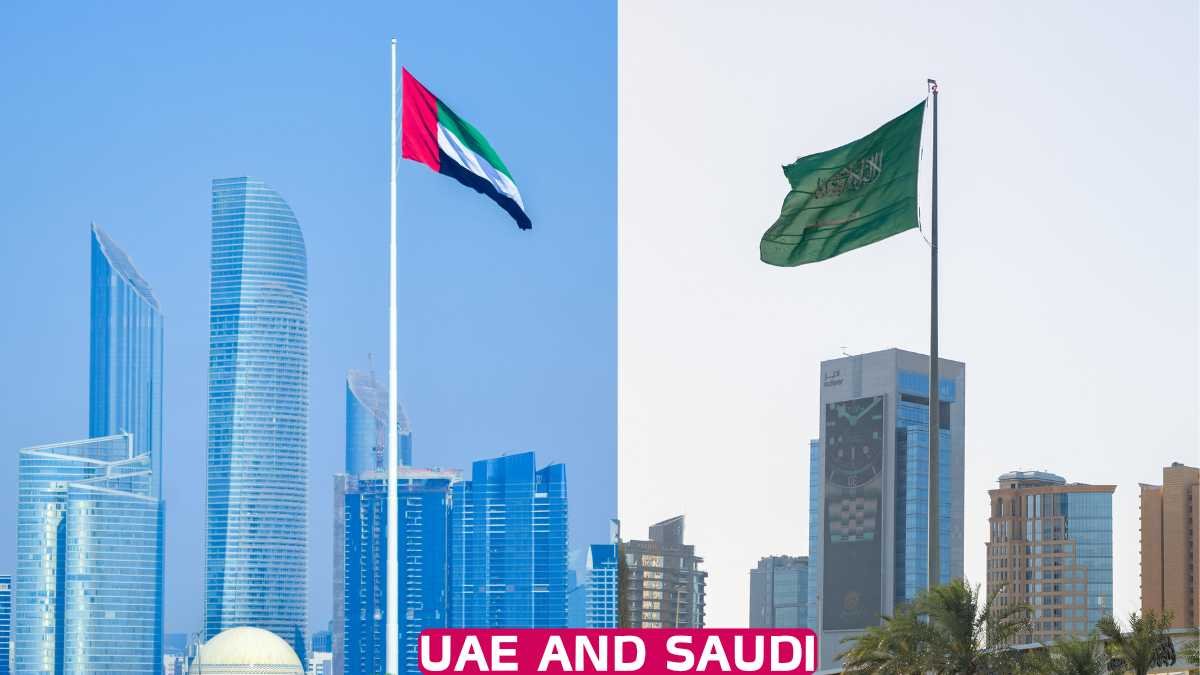
For some nations, it’s good, and for some it’s bad. Here are the winners and losers:
Winners:
The United States is probably the biggest beneficiary; the US is already the world’s largest oil producer.
A weaker OPEC with less coordinated pricing power means more competition, which benefits American energy exporters and fits perfectly with Trump’s repeated criticism of OPEC for “ripping off the rest of the world.”
The US also gains a politically closer UAE, which matters for its regional positioning.
India and Asian importers stand to benefit once the Hormuz situation resolves.
India imports about 85 percent of its oil, and the UAE’s free to pump at full capacity means more supply and eventually lower prices for the world’s biggest oil-importing economies.
Energy transition advocates get an indirect benefit.
A UAE producing flat out outside OPEC adds more supply to the market over time, which puts downward pressure on oil prices and reduces the economic incentive to stay dependent on it.
Losers:
Saudi Arabia takes the clearest hit.
Riyadh has built its entire OPEC strategy around supply discipline. It has cut its own production to hold up prices, while countries like Iraq and Kazakhstan cheated on their quotas.
Now the UAE, one of the few members that actually had discipline and credibility, is gone.
Saudi Arabia still has significant spare capacity, but its leverage inside the cartel is meaningfully weaker.
Russia loses a cooperative partner in OPEC+.
Russia relies on coordinated cuts to prop up oil revenues, especially with its war budget.
A fracturing OPEC+ is the last thing Moscow needs right now.
Smaller oil-dependent OPEC members like Gabon, Equatorial Guinea, or Congo have almost no individual ability to move markets.
They were always riding on the credibility of OPEC’s big producers; now, less credibility means less pricing power for everyone still inside.
What Happens to OPEC Now?
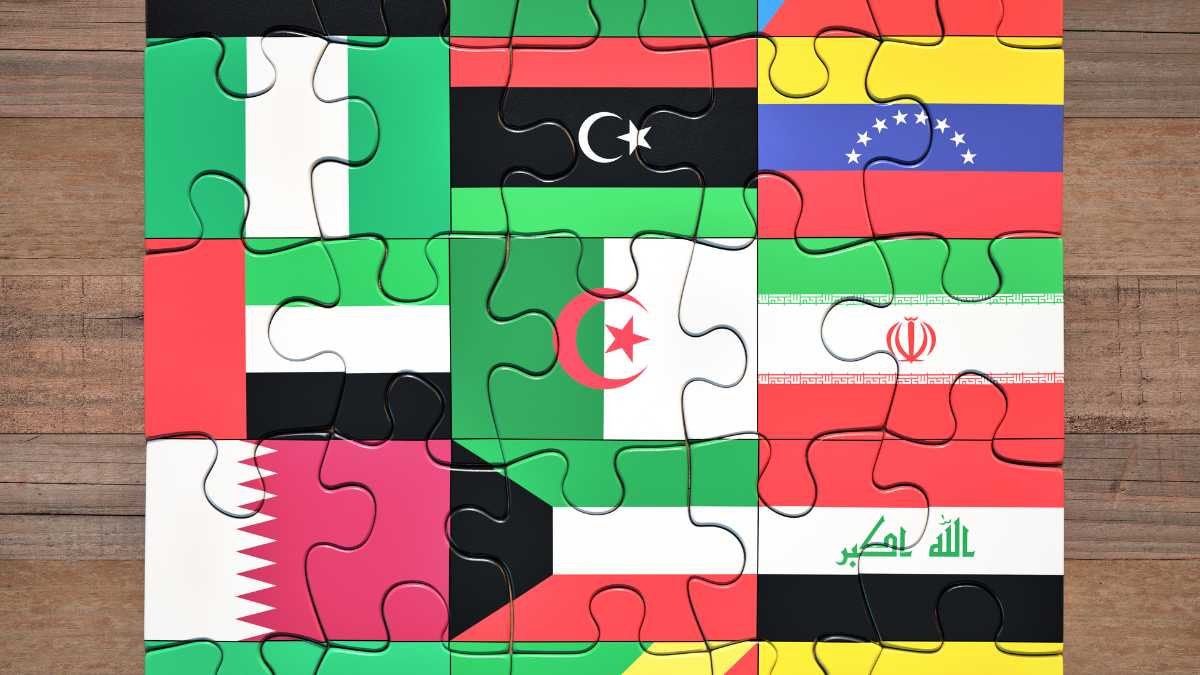
OPEC has been slowly losing grip for years; US shale production broke the cartel’s ability to fully control prices starting around 2015.
Russia’s joining OPEC+ in 2016 was partly an acknowledgment that OPEC needed outside weight to remain relevant.
Now with the UAE gone, the remaining 11 members have less spare capacity, less credibility, and Saudi Arabia is doing most of the heavy lifting alone.
Rachel Ziemba at the Center for a New American Security raised the question directly: Does this prompt more competition than cooperation, and what does the governance of energy markets even look like now?
There is also a risk of further defections; Iraq and Kazakhstan have been serially overproducing their quotas.
If OPEC can’t discipline members that are already inside, and one of the most credible members just walked out, what’s keeping the next country at the table?
I’m not saying OPEC collapses overnight, but Saudi Arabia’s dominance alone keeps it relevant.
But this is not a minor exit; the UAE was a structural pillar, and pillars don’t get replaced easily.
What Does the UAE Do Next
The plan is clear: 5 million bpd by 2027.
ADNOC is already at 4.85 million bpd in capacity, potentially ahead of schedule.
In 2025, even before the UAE left OPEC, Al Mazrouei had even said they could go to 6 million bpd “if the market requires.”
Outside OPEC, nothing stops them; there is no quota ceiling, Saudi approval is not needed anymore, and there is no need for coordination calls before deciding how much to produce.
The catch, for now, is the Strait Hormuz blockade, and the Fujairah pipeline is already maxed out.
So the UAE is building production capacity faster than it can move product, at least until the war situation resolves.
When it does, and assume at some point it will, the UAE will have significant volume ready to hit the market.
That’s when we will see the impact on our nations and probably our everyday lives.
And this doesn’t necessarily mean the UAE is gone from OPEC forever; countries have rejoined before.
- Ecuador left, rejoined, then left again.
Whether the UAE ever comes back depends on whether OPEC ever changes its quota structure in a way that finally reflects production realities.
Closing Thoughts
The UAE leaving OPEC is not the end of the organization, but it’s the clearest signal that the group’s model, built on member discipline and coordinated sacrifice for collective pricing power, is straining under the weight of countries that have grown large enough to do better alone.
The UAE spent billions building capacity, watched Saudi Arabia demand cuts, watched Iraq and Kazakhstan cheat without consequence, and decided the math no longer added up.
Add in a war, a blocked shipping lane, and a political realignment toward Washington, and the exit was less a surprise than an inevitability that finally arrived.
What comes next for OPEC depends almost entirely on whether Saudi Arabia can hold the remaining members together with fewer credible partners at the table.
A Few Questions Worth Answering
Did the UAE leaving OPEC immediately crash oil prices?
No, prices dropped 2 to 3 percent on futures when the news came on April 28, then bounced back almost immediately.
The Hormuz crisis already had Brent above $120 per barrel, and the UAE can’t physically increase exports right now with the strait blocked, so markets priced in future supply, not anything happening tomorrow.
Is this a political move or a financial one?
Both, and you really can’t separate them. Economically, the UAE had clear financial reasons to leave since it was producing far below its invested capacity.
But the Iron Dome deployment, the currency swap request to the US Treasury, and the timing during a US-Iran war are political signals stacked on top of an economic decision.
Could other OPEC members follow the UAE out?
It’s possible, especially Iraq and Kazakhstan, both of which have overproduced their quotas and clearly resent the discipline OPEC demands.
Now they will leave or not, it depends on whether they see the UAE doing well outside the group, we will see this in the next 12 to 18 months.
What does this mean for people at the gas pump?
Right now, nothing good, the Hormuz crisis is driving prices higher regardless of OPEC structure.
Medium-term, once the strait opens and the UAE ramps toward 5 million bpd, more supply should push prices down.
Long-term, a structurally weaker OPEC generally means less coordinated price floors, which over time benefits buyers.

Abraham is the founder and sole writer of Geopolitics Decoded. Based in New Delhi, India, he has been researching and analyzing international affairs since 2019, with a focus on great-power competition, European security, energy geopolitics, and global diplomacy. He is currently pursuing independent coursework in global diplomacy through SOAS University of London. His fact-based, deeply contextual analysis has earned millions of interactions across social media platforms, including Threads and Instagram. Every article on this site is independently researched, written, and verified by Abraham personally. Read Abraham’s full author bio