To resolve the UN Security Council reform issues; nations have been pushing for changes since the 1990s, and yet the Council still looks almost exactly like it did in 1945.
For example there are still five permanent members, five veto holders, the same five countries that won World War II, and they still have the power to block any resolution they don’t like.
So, why hasn’t this changed?
Because the countries that would need to approve the reform are the exact same countries that benefit the most from keeping it exactly as it is.
What the Security Council Does (And Why Reform Is So Complicated)
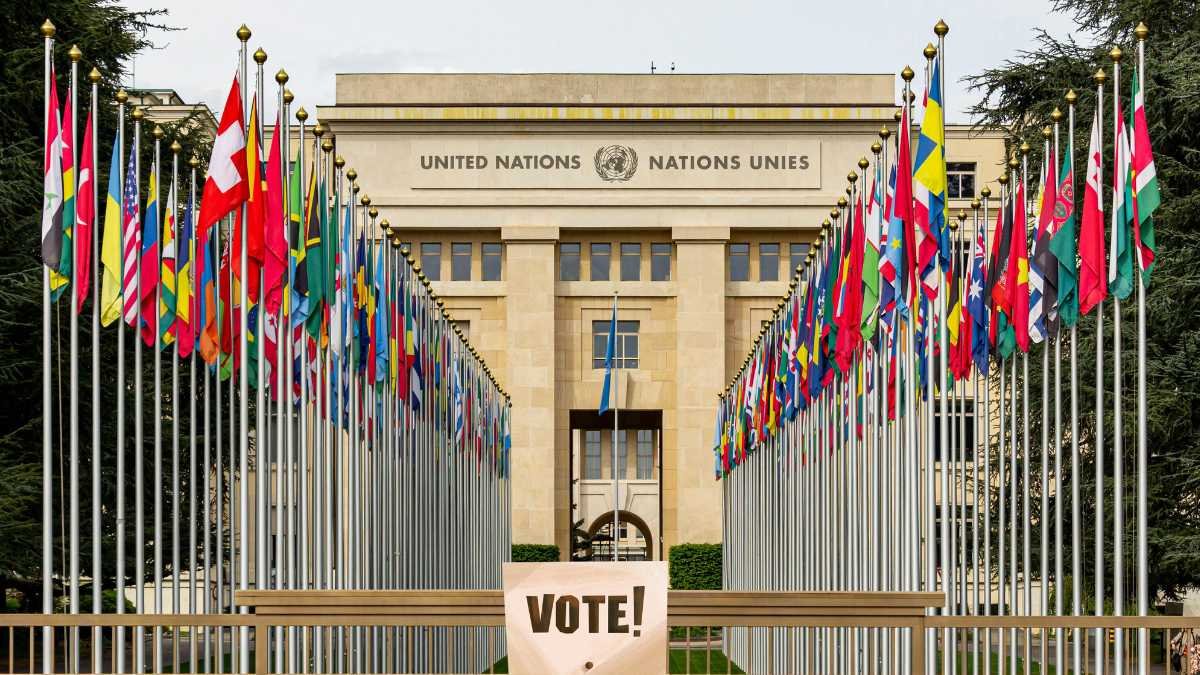
The UN Security Council was created in 1945, right after World War II ended, when the international community decided the world needed a body specifically for maintaining peace and security.
Not just diplomacy, but actual authority to authorize military action, impose sanctions, and pass binding resolutions on member states.
Right now, it has 15 members.
- Five are permanent: the United States, the United Kingdom, France, Russia, and China.
These are the P5.
The other ten are elected from UN member states for two-year terms, rotating by region, covering Africa, Asia, Latin America, Eastern Europe, and Western Europe.
Here’s the important thing: any one of the P5 can veto any resolution, and it dies.
Doesn’t matter if the other 14 members vote YES.
One “NO” from a permanent member and the resolution is gone.
How has VETO been used in the UNSC?
This veto has been used to protect allies from accountability, block ceasefire resolutions, and prevent the Council from acting on some of the worst conflicts of the last 80 years.
- Russia has used it dozens of times on Syria (Security Council Report), most notably blocking humanitarian access and accountability measures.
- The US has vetoed resolutions on Israel-Palestine.
- China and Russia together blocked action on Myanmar in 2022.
So when people talk about UN Security Council reform issues, this veto problem is usually at the center of it.
Who Wants Reform and What They’re Asking For

The loudest voices for reform have been a group informally known as the G4: India, Germany, Japan, and Brazil.
These are four of the world’s largest economies and democracies, and none of them has a permanent seat on the Council.
They want permanent membership, and in 2005, they formally proposed expanding the Council from 15 to 25 members, adding six new permanent seats and four new non-permanent ones.
That proposal went to the General Assembly and went nowhere. Africa also has a formal position on this.
The African Union adopted the Ezulwini Consensus in 2005, which calls for at least two permanent African seats with full veto rights.
Africa represents over 50 UN member states and has zero permanent representation on the Security Council.
But there’s no single unified reform proposal because different countries want different things.
- The G4 wants new permanent seats, some with veto, some without.
- The African Union wants veto power for any new African permanent members.
- Some countries want to limit or abolish the veto entirely.
- Others want to expand non-permanent seats without adding new permanent ones.
A few proposals involve creating a new “semi-permanent” category, where members serve longer rotating terms.
No agreement on the model means no momentum toward any reform.
G4 Push and Why It Keeps Failing
The 2005 G4 proposal is the most serious reform attempt in recent history.
It had broad General Assembly support. Kofi Annan’s “In Larger Freedom” report that year also called for major Security Council reform.
For a moment, it looked like something might actually happen.
Then a bloc called “Uniting for Consensus” showed up, sometimes called the Coffee Club, led by Italy, Pakistan, Mexico, South Korea, and Argentina.
These countries proposed a different model: expanding only non-permanent seats, no new permanent members.
The Coffee Club’s real purpose wasn’t reform. It was to block the G4’s version of reform.
Why did Coffee Club block the 2005 UN Security Council Reform?
Because each G4 country has a regional rival that does not want to see it gain a permanent seat.
- Germany‘s bid faces resistance from Italy and Spain within Europe.
- Japan‘s bid is opposed by China and South Korea, both of which have deep historical grievances going back to World War II.
- Brazil’s bid faces skepticism from Argentina and Mexico.
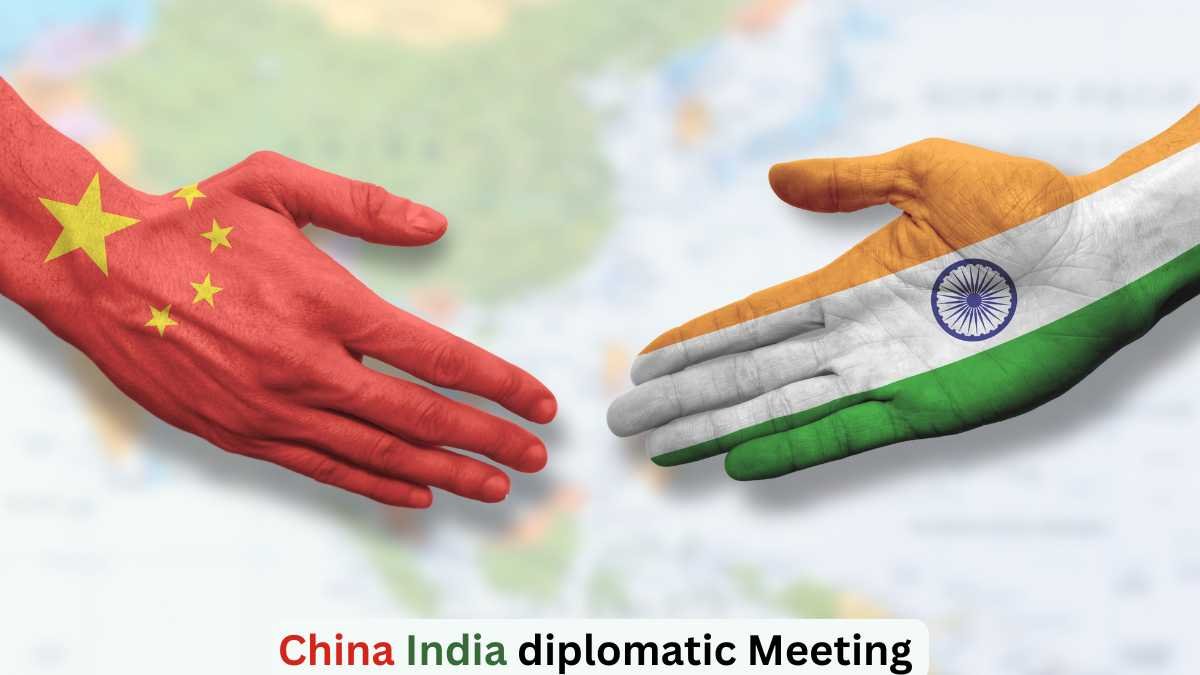
- And India’s bid is directly opposed by Pakistan, and more significantly, by China.
China has consistently blocked India’s path to a permanent seat. And this isn’t just about geopolitics in the abstract.
India and China have a contested border, a tense relationship, and a long-running competition for influence across Asia and the Global South.
China’s allowing India into the P5 would fundamentally shift the power balance inside the Council itself.
So China has no incentive to support that.
This is exactly why regional rivalries kill every proposal before it even gets to a formal vote.
But they are both part of the BRICS, which is expanding continuously.
The Veto Problem Nobody Wants to Solve
Any amendment to the UN Charter, including expanding the Security Council or changing veto rules, requires ratification by two-thirds of the General Assembly AND all five permanent members. That’s Article 108 of the UN Charter.
So the P5 have to vote to limit their own power; only France and the UK have occasionally signaled openness to veto reform, but Russia and China have not, and the US position has shifted depending on the administration.
The current veto mechanism also creates a logical trap; here are examples:
- If you add new permanent members with veto power, you’re just multiplying the number of countries that can block things.
- If you add them without veto, those seats are symbolically important but functionally weaker.
- If you abolish the veto entirely, the original P5 have zero incentive to approve that change since it costs them their core leverage.
One idea that has gained some traction is a voluntary code of conduct on veto use, where P5 members commit not to use the veto in cases of mass atrocities.
France and Mexico have championed this, and around 105 countries have signed on to the idea.
But Russia and China haven’t, and neither has the US.
Why Ukraine Changed the Conversation but Not the Outcome
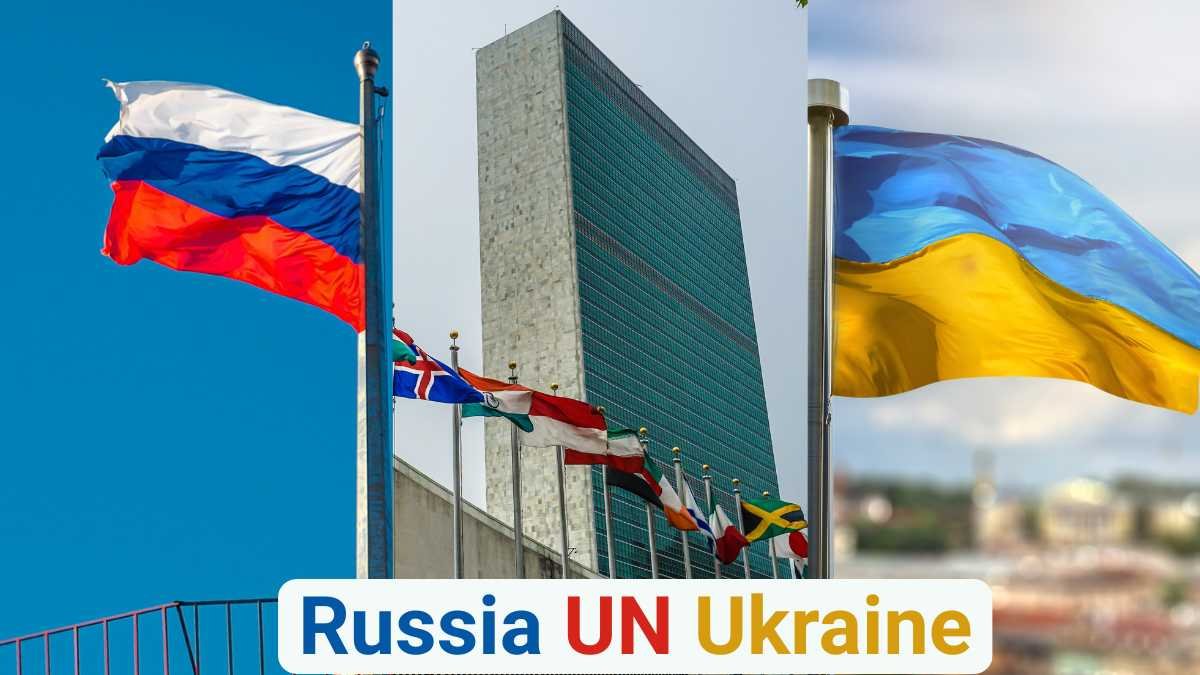
Russia’s full-scale invasion of Ukraine in February 2022 put the Council’s dysfunction on full display.
Russia used its veto to block every Security Council resolution condemning its own invasion.
Being a permanent member essentially paralyzed the body, designed to stop exactly this kind of action.
The General Assembly stepped in and passed resolutions condemning the invasion with large majorities, but General Assembly resolutions are non-binding. And the actual enforcement mechanism was locked.
This reinvigorated the reform debate. US President Joe Biden called for expanding the Council in September 2022, and the Biden administration publicly supported India and others for permanent seats.
But Ukraine also revealed why reform is harder now, not easier.
Russia, one of the countries that would need to approve any Charter amendment, is deeply isolated from the West, and China has maintained strategic ambiguity on the war.
The two countries most resistant to reform are currently more aligned with each other than at any point in recent memory.
Intergovernmental Negotiations That Have Been Running Since 2009
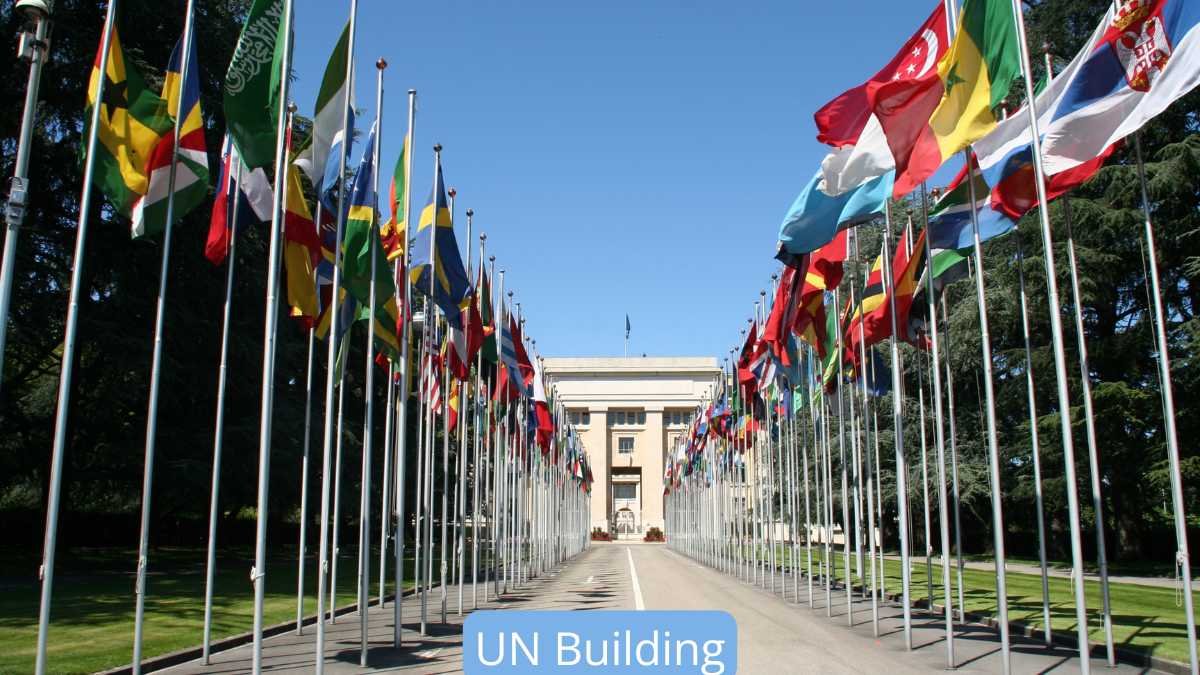
Most people don’t know there’s a formal UN process called the Intergovernmental Negotiations (IGN) that has been meeting annually since 2009, specifically to discuss Security Council reform.
It covers five key areas:
- The categories of membership
- The veto question,
- Regional representation
- The size of an expanded Council
- And working methods
After more than 15 years of negotiations, there is still no agreed text or even a draft.
The IGN operates by consensus, which means any group of countries can block progress, and the P5 themselves are not obligated to accept anything the IGN produces.
I think the IGN exists partly to give the impression that reform is being worked on without actually producing reform.
It keeps smaller countries and reform advocates engaged in a process while the structural status quo stays intact.
That’s cynical, but it’s what the evidence suggests after 15-plus years of meetings with nothing to show.
Is Any Reform Actually Possible?
Incremental reforms are probably possible; for example, a modest expansion of non-permanent seats, adding more rotating members from underrepresented regions, could happen without requiring P5 ratification of a full Charter amendment.
It happened once before in 1965, when the Council was expanded from 11 to 15 members.
But meaningful reform, like new permanent seats or any real change to the veto, requires the P5 to agree.
And as long as Russia and China are deeply opposed to anything that reduces their relative leverage, that’s not happening.
India getting a permanent seat is the most discussed scenario and probably the most geopolitically significant one.
Biden’s administration publicly backed it, and most Western democracies support it in principle.
But China’s opposition is firm, and under the current Charter rules, China’s opposition is enough.
Everything changes if there’s a broader geopolitical realignment, for example:
- If China’s relationship with the West shifts significantly
- If Russia’s isolation deepens to the point where its leverage in reform negotiations changes.
But these aren’t conditions anyone can predict; they’d have to happen organically through other pressures.
Conclusion
The UN Security Council was established in 1945 to reflect the power structure of a world that no longer exists.
The countries that won World War II gave themselves permanent seats and veto power, and they wrote a Charter that makes those privileges almost impossible to remove without their own consent.
Every serious reform attempt since has hit the same wall, such as:
- The G4 proposals failed.
- Ezulwini Consensus is stuck.
- IGN has been running for 15 years without producing a single agreed-upon text.
- The Ukraine crisis, which exposed the Council’s dysfunction more visibly than anything in decades, has actually made the political conditions for reform harder, not easier.
So now, reform is blocked not because the world lacks ideas; there are plenty of models.
It’s mainly blocked because the countries that benefit most from the current system are the same ones that control the exit.
Change depends on whether geopolitical pressure on Russia and China grows strong enough to make blocking reform more costly than allowing it.
Until then, the Security Council will keep looking like 1945.
FAQs
Can the UN Security Council be reformed without all P5 agreeing?
Not for Charter amendments, Article 108 requires ratification by all five permanent members.
Non-Charter reforms, like expanding non-permanent seats or changing internal working methods, are theoretically possible with just a two-thirds General Assembly vote, but even those have historically required P5 acquiescence.
Why hasn’t Africa gotten a permanent seat despite having 54 UN member states?
The Ezulwini Consensus is the reason Africa’s official position demands two permanent seats with veto rights.
Western powers are willing to discuss African permanent seats, but not with veto power.
Africa has refused a permanent seat without veto; that standoff has been going on since 2005, and that’s why Africa can’t get a permanent seat.
Has the veto ever been used to protect an ally from accountability for serious crimes?
Yes, multiple times, the US has vetoed dozens of resolutions on Israel.
Russia and China together have vetoed resolutions on Syria, Myanmar, and other situations.
This is one of the strongest arguments reform advocates make about why the current system undermines the Council’s stated mission.
What is the “Uniting for Consensus” group, and why does it matter?
It’s a bloc of about 40 countries, including Pakistan, Italy, South Korea, Argentina, and Mexico, that opposes any expansion of permanent seats.
They push instead for more rotating non-permanent seats.
The bloc effectively neutralizes G4 proposals in the General Assembly, even when those proposals have broader support.
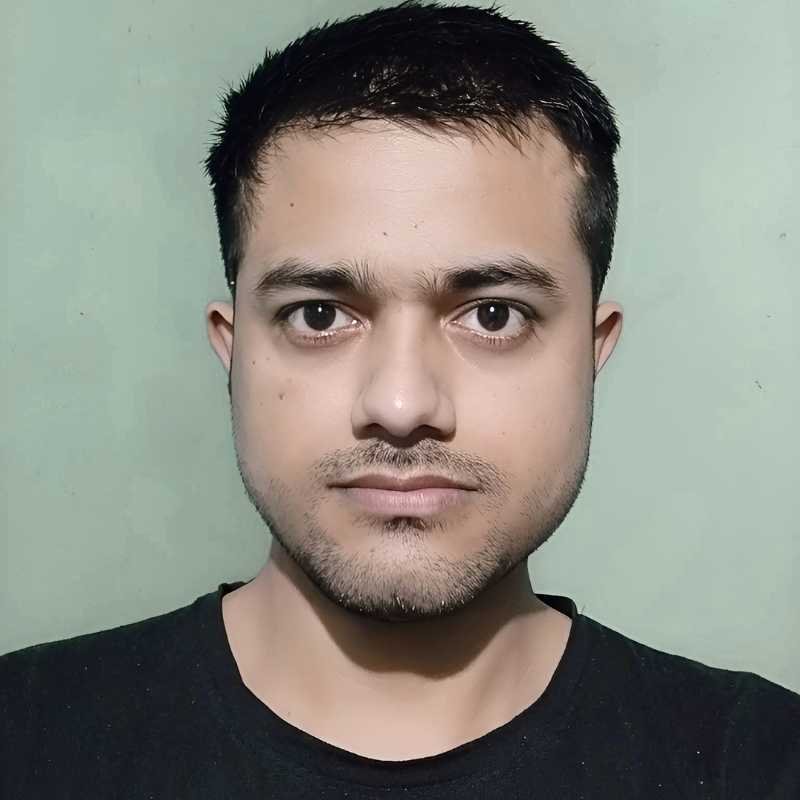
Abraham is the founder and sole writer of Geopolitics Decoded. Based in New Delhi, India, he has been researching and analyzing international affairs since 2019, with a focus on great-power competition, European security, energy geopolitics, and global diplomacy. He is currently pursuing independent coursework in global diplomacy through SOAS University of London. His fact-based, deeply contextual analysis has earned millions of interactions across social media platforms, including Threads and Instagram. Every article on this site is independently researched, written, and verified by Abraham personally. Read Abraham’s full author bio