Germany’s Zeitenwende policy is the decision to reverse decades of military restraint, massively rebuild its armed forces, and step up as a security actor in Europe.
Zeitenwende is a German word, which means, as per the government’s official English translation, “Watershed,” but a more literal reading is “turning point in the era” or “change of times.”
Either way, it is richer than a simple policy announcement; it signals that Germany felt something fundamental had shifted, not just a new budget line.
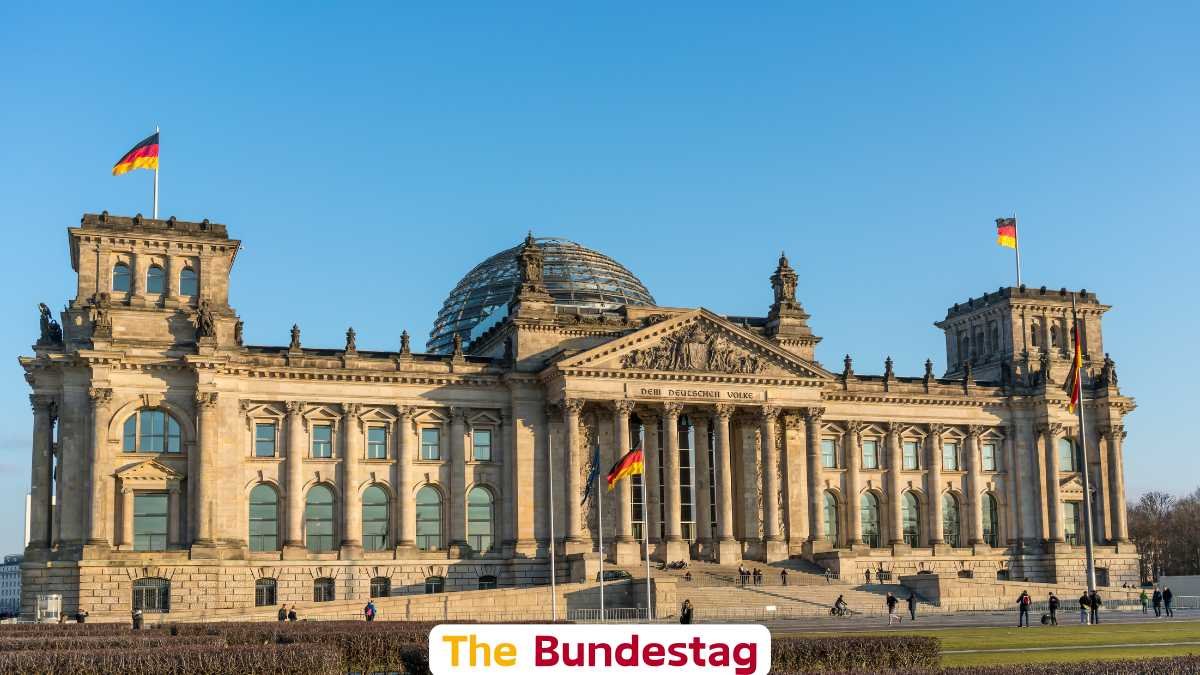
On February 27, 2022, just three days after Russia’s full-scale invasion of Ukraine, Chancellor Olaf Scholz walked into an emergency Sunday session of the Bundestag.
Remember: Bundestag does not sit on Sundays normally, so it tells you how serious the moment was.
And in that speech, Scholz declared a Zeitenwende for Germany: a €100 billion special fund to rearm the Bundeswehr, a permanent commitment to spend more than 2% of GDP on defense every year, and direct weapons supply to Ukraine, something that had been taboo under postwar German foreign policy for decades.
So Germany’s Zeitenwende policy, at its simplest: end the era of military neglect, rebuild the Bundeswehr, and accept that Germany has to carry real weight in European security.
Now it is 2026, let’s see where this actually stands.
Why Germany Let Its Military Fall Apart in the First Place
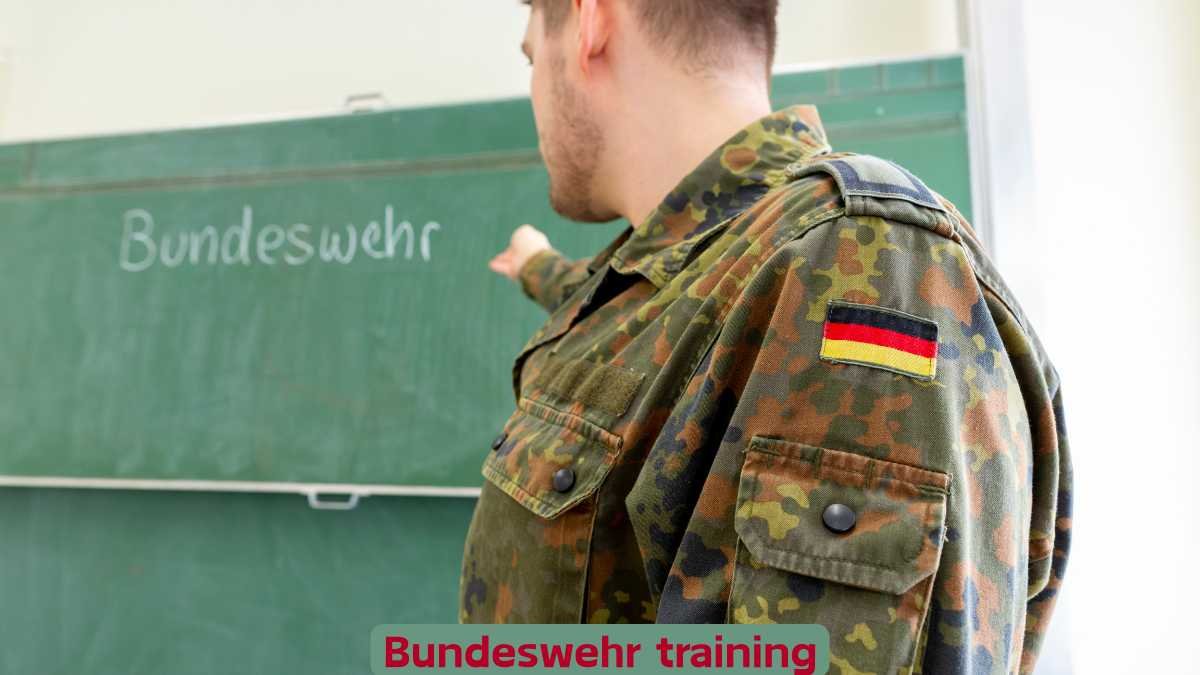
To understand why Zeitenwende is such a big deal, you have to understand why Germany was so militarily weak going into 2022.
My short answer is: it was both a deliberate choice and a slow drift over thirty years.
After World War II, Germany was rebuilt under strict constraints, and the old memories of Nazism were embedded in the country’s political DNA. Military power, nationalism, and rearmament all carried enormous cultural and legal stigma.
Germany’s Basic Law was written with those limits baked in; the whole postwar identity of Germany was built around soft power, diplomacy, multilateralism, and economic strength.
Then the Cold War ended, and Germany collected the “peace dividend.” With the Soviet Union gone, at that time, Germany’s logic was: why spend on defense? NATO had the US at its core.
Germany could rely on the alliance and focus on trade and EU integration. And, therefore, defense budgets got cut year after year through the 1990s and 2000s.
By 2022, the Bundeswehr was in rough shape. On the day Russia invaded Ukraine, Germany’s army chief, Lt. Gen. Alfons Mais, publicly wrote on LinkedIn that the Bundeswehr was “More or Less Empty-handed” With “Extremely Limited” options to support the alliance.
Germany had also built a deep energy relationship with Russia, importing roughly 55% of its natural gas from Moscow.
I covered the full story of how Europe rebuilt its supply chain after that in Europe’s LNG supply chain post. The energy dependency and the foreign policy dependency were two sides of the same coin.
3 Main Points that Scholz Announced on Sunday in February 2022
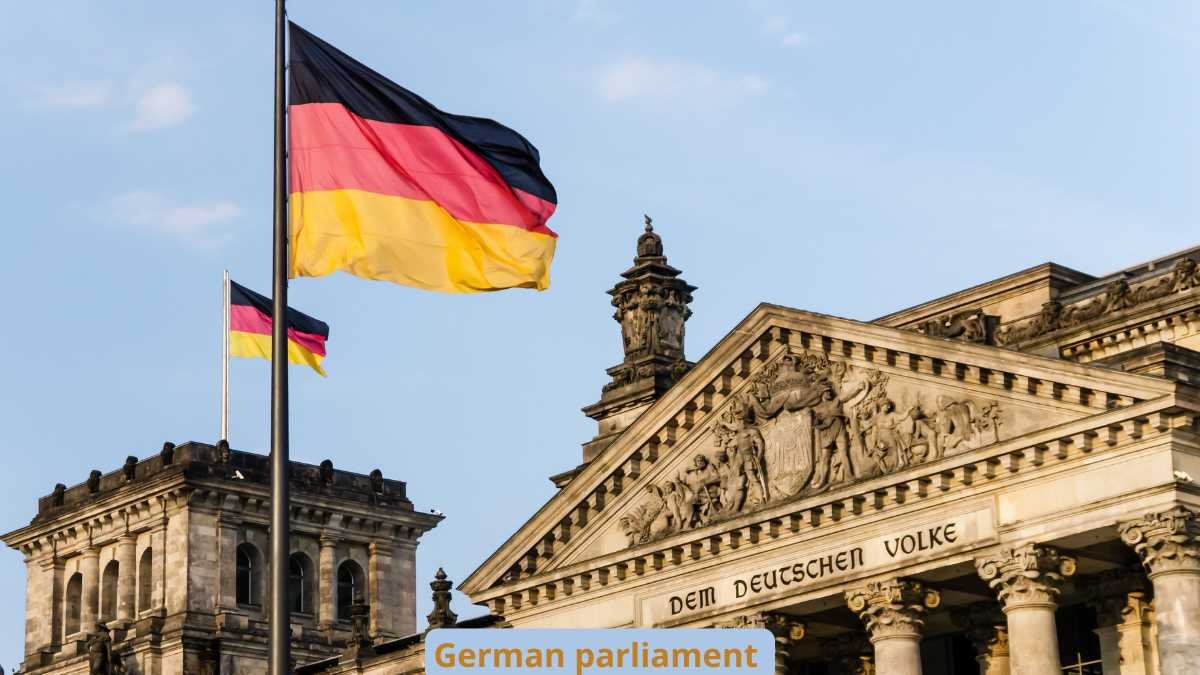
The Zeitenwende speech had three pillars that mattered geopolitically.
1. The €100 billion special fund
Scholz announced a one-time Sondervermögen, a special off-budget fund, of €100 billion specifically to modernize the Bundeswehr.
This required changing Germany’s Basic Law.
In June 2022, the Bundestag passed that constitutional amendment with a large majority, which was a significant political moment.
2. The 2% GDP commitment
Germany had been dodging NATO’s 2% spending target for years. Scholz committed to exceeding it permanently.
3. Weapons for Ukraine
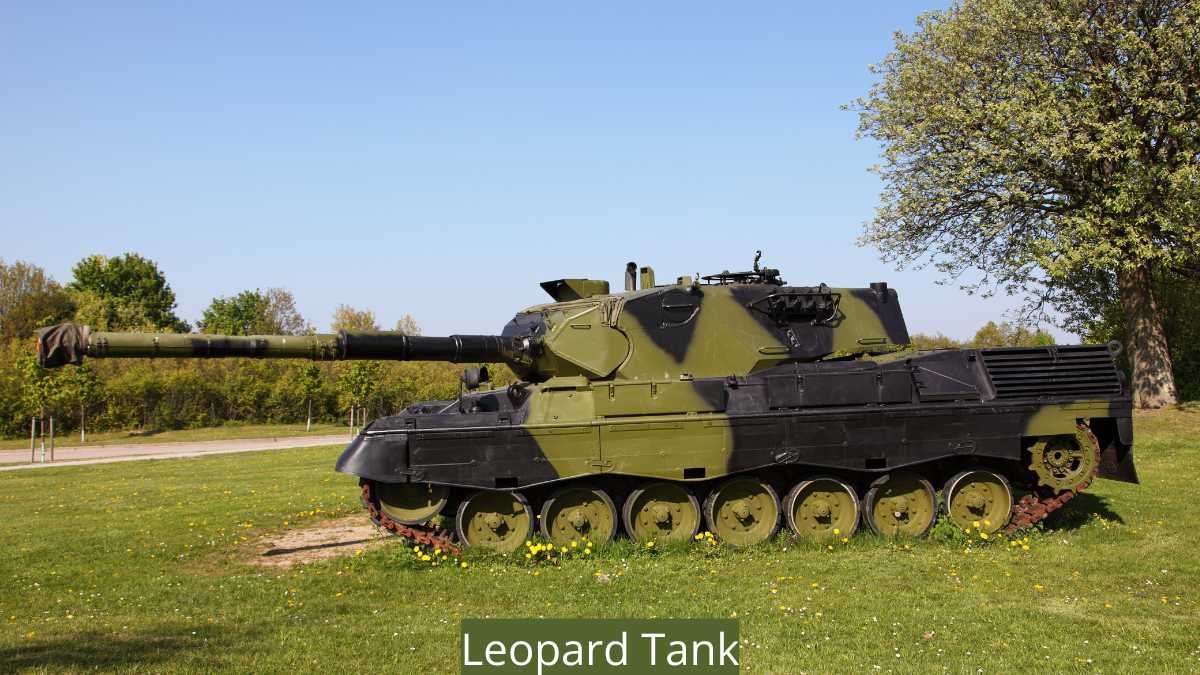
Germany reversed its long-standing policy of not supplying weapons to conflict zones and began direct military aid: Leopard tanks, Gepard air defense systems, IRIS-T missiles, and it was unprecedented for postwar German policy.
However, this speech received standing ovations from across the political spectrum.
But the follow-through under Scholz was slower than expected.
Researchers at Foreign Policy have also argued that between 2022 and 2023, Scholz was just delivering big words with slow action.
And this is because procurement was still bogged down in bureaucracy, and budget decisions kept getting delayed.
Friedrich Merz and the Acceleration: Where Zeitenwende 2.0 Begins
The real acceleration came in 2025 after Friedrich Merz became Chancellor. And this is where things get structurally interesting.
Merz managed to do something Scholz could not, which was to reform Germany’s Schuldenbremse, the constitutionally embedded debt brake that limits government borrowing to 0.35% of GDP. This rule was a massive obstacle to major defense spending.
In March 2025, Merz secured a cross-party agreement to exempt defense spending from the debt brake. And that change made everything else possible.
Merz then unveiled a €500 billion Bundeswehr modernization plan covering 2025 to 2035.
So in that speech, Germany cleared its decade-long industrial and military transformation agenda.
The explicit goal under Merz is to make the Bundeswehr Europe’s most powerful conventional military force.
2026 Budget Numbers and What Germany Is Buying
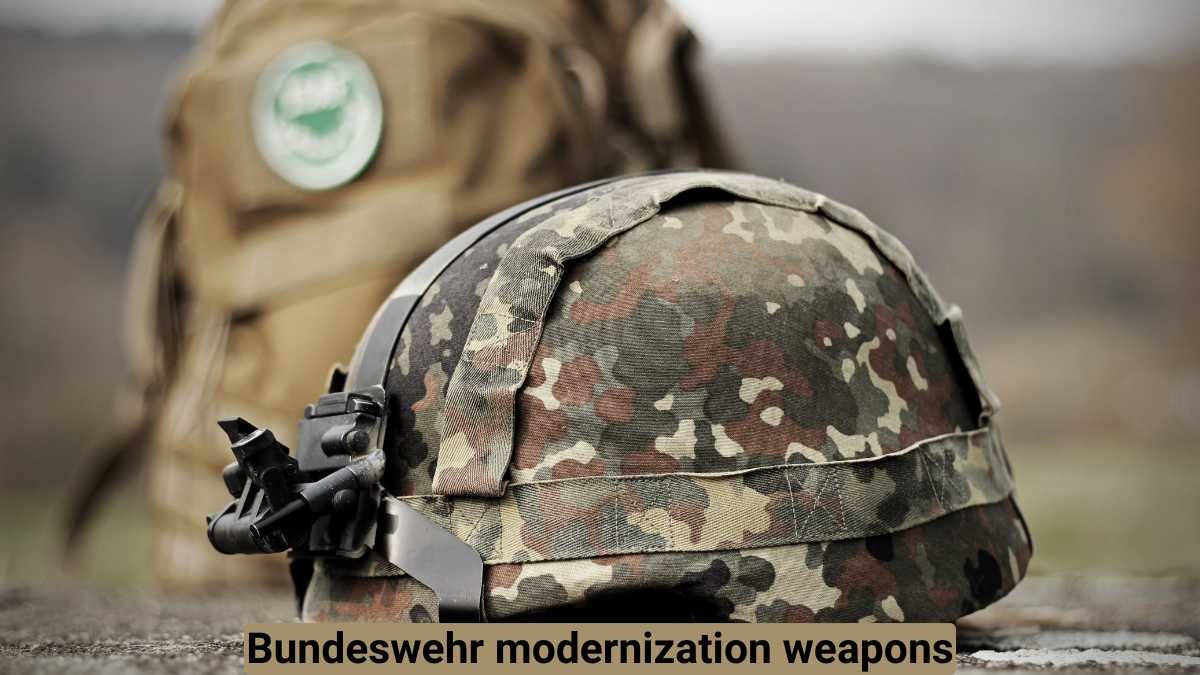
Germany’s 2026 defense budget is the clearest signal of how serious this has become.
The total defense commitment is approximately €108.2 billion: €82.7 billion from the regular Bundeswehr budget plus €25.5 billion drawn from the Zeitenwende special fund.
Compare this to Germany’s defense spending of around €50 billion in 2021, and you get the scale of the shift. Plus, the trajectory beyond 2026 is even more striking.
Germany intends to raise its defense budget to €152 billion by 2029, targeting 3.5% of GDP, then aligning with NATO’s updated long-term guideline of 5% by 2035.
So what is the money buying?
The major procurement programs include F-35A jets to replace the aging Tornados in Germany’s NATO nuclear-sharing role, with first deliveries in 2026.
- New Eurofighters.
- Leopard 2A8 tanks.
- Boxer armored vehicles.
- CH-47F Chinook helicopters.
- Around €15 billion specifically for ammunition stocks, which were critically depleted.
Rheinmetall is the biggest beneficiary with an €88 billion share across 53 programs. And we can notice the company’s stock price from 2022.
One deliberate policy choice: roughly 92% of purchasing contracts are going to European or domestic suppliers, not to the United States.
And this decision to rebuild European defense industrial capacity rather than simply outsourcing to the US.
What Does This Mean for NATO?
This is probably the most important dimension of the whole Zeitenwende shift, and it connects to something that has been building for years.
NATO was built on the assumption that the United States would always be the backbone of European security.
Two Trump presidencies introduced uncertainty about whether that commitment is permanent or conditional.
And in May 2026, the US announced military changes in Germany, which led NATO’s Secretary General to publicly state that Europe must take on greater responsibility.
So, Germany’s Zeitenwende policy is a structural response to this uncertainty.
A Germany that can field Europe’s largest conventional force is a Germany that reduces the continent’s exposure to changes in Washington’s foreign policy.
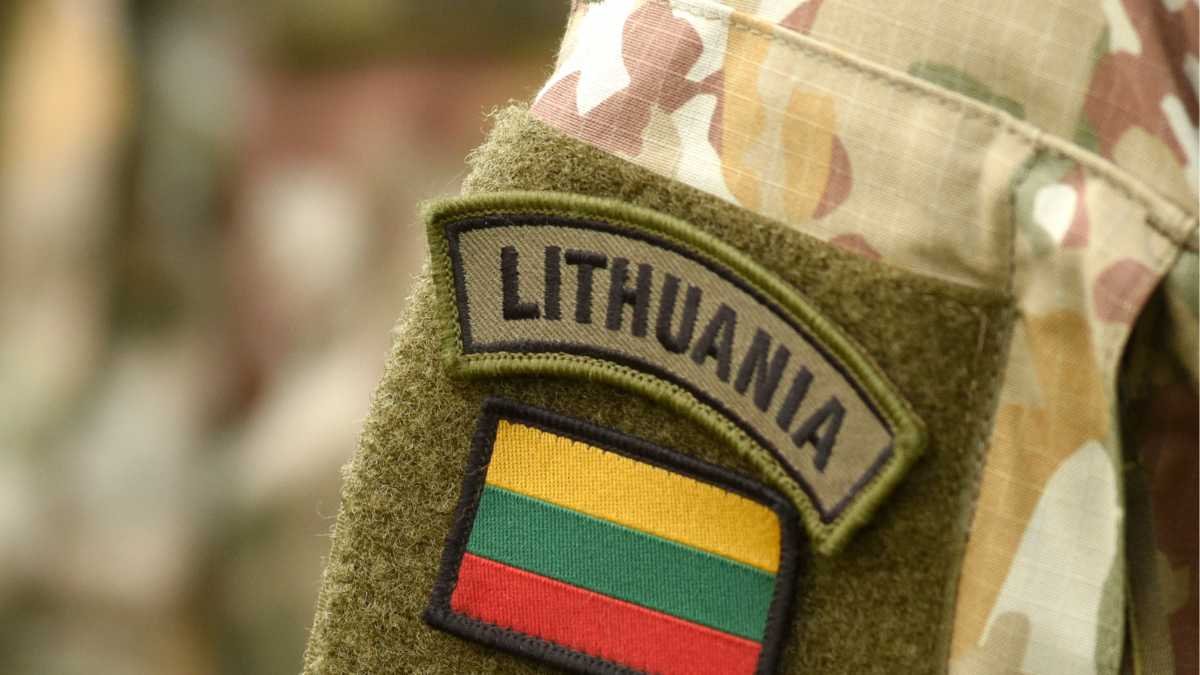
The most concrete operational signal is Germany’s deployment of a permanent armored brigade to Lithuania, which Chatham House identifies as one of the earliest tangible manifestations of Zeitenwende in practice.
Deploying troops permanently in the Baltic region is a big departure from Germany’s historically cautious posture.
Germany is also leaning into multilateral formats: the Weimar Triangle with France and Poland, the E3 format with France and the UK, and involvement in the Coalition of the Willing framework for Ukraine security guarantees.
The idea is a European-led security architecture that complements NATO rather than competes with it.
You can also check my Post on Poland’s role in NATO, cause it’s also building a huge military and strengthening NATO.
Russia’s official response has been to frame German rearmament as a direct threat, invoking memories of World War II.
Where Germany Stands in 2026: Progress and What Is Still Lagging
The money and political will are real, but is Germany actually on track?
To me, it is a mixed picture; a recent Chatham House analysis noted that the Bundeswehr illustrates a gap between resources and readiness.
Funding is flowing, but deficiencies persist in equipment availability, ammunition stocks, and procurement speed.
So the challenge is not just volume but usability.
A May 2026 assessment noted that while F-35 commitments and helicopter orders have been achieved, much of the original €100 billion fund remains tied up in long-term procurement programs that have not yet translated into improved operational readiness.
Although long delivery timelines are the nature of major defense procurement.
Personnel is another structural issue
Germany ended conscription in 2011, and reversing that gap takes years.
Demographics and a society that has not thought in military terms for a generation are constraints.
The procurement system itself is also being reformed; the Bundeswehr Planning and Procurement Acceleration Act is expected to come into force in 2026.
There is also a deeper strategic culture question. Analysts at the American-German Institute have noted that Germany’s intellectual infrastructure for strategic thinking has largely collapsed since the Cold War.
Very few universities, think tanks, or government institutions seriously research and teach strategic affairs. Rebuilding that will take longer than ordering new tanks.
Final Thought
Germany’s Zeitenwende policy, budgets, and political consensus are real, at least for now.
What Scholz announced in February 2022 is now significantly accelerated by Merz.
In 2026, the budget is €108.2 billion in defense spending, with a trajectory toward €152 billion by 2029. It represents the fastest and largest reversal of Germany’s postwar defense posture in living memory.
But readiness and spending are not the same thing; currently, Germany is in full transformation and is a decade-long project.
The procurement gaps, personnel shortfalls, and strategic culture deficit are also constraints.
What is different now, compared to 2022, is that the institutional scaffolding to address them is actually being built. And this is a meaningful shift even if it is not a finished one.
FAQs
Is Zeitenwende a new policy, or just a name for something Germany should have been doing anyway?
It’s both, because Germany had been under pressure from NATO allies for years to hit the 2% spending target.
The real shift is not the spending number itself but the speed, the constitutional changes, and the strategic framing that came with it.
The debt brake reform alone was something multiple previous governments had refused to touch.
Germany was militarily weak partly because of postwar guilt. Is that really still a factor in 2026?
Yes, but it is evolving, postwar restraint was genuine and deep, but the generation now making decisions in Germany has more distance from it.
What you see in 2025 and 2026 is the willingness in German political culture to accept that being unable to defend yourself is also a strategic and moral failure.
Does this make Germany the military leader of Europe now?
Not quite yet, and not automatically, France still has nuclear weapons and a more established expeditionary military tradition.
The UK remains a major power outside the EU, but in terms of conventional military size and spending trajectory, Germany is heading toward being the largest contributor within the EU defense structure.
Strategic leadership still requires doctrine, decision-making speed, and political will in a crisis, and Germany is still building those.
How is Bundeswehr modernization different from Germany just buying more weapons?
It is supposed to be more than that; the Zeitenwende agenda includes procurement reform, personnel expansion, new cyber and space capabilities, AI and drone integration, and civil-military resilience planning.
But the challenge is that the institutional culture that let the Bundeswehr decay over three decades does not disappear just because the budget grew.
So, that culture transformation is the hardest and slowest part of the work.

Abraham is the founder and sole writer of Geopolitics Decoded. Based in New Delhi, India, he has been researching and analyzing international affairs since 2019, with a focus on great-power competition, European security, energy geopolitics, and global diplomacy. He is currently pursuing independent coursework in global diplomacy through SOAS University of London. His fact-based, deeply contextual analysis has earned millions of interactions across social media platforms, including Threads and Instagram. Every article on this site is independently researched, written, and verified by Abraham personally. Read Abraham’s full author bio