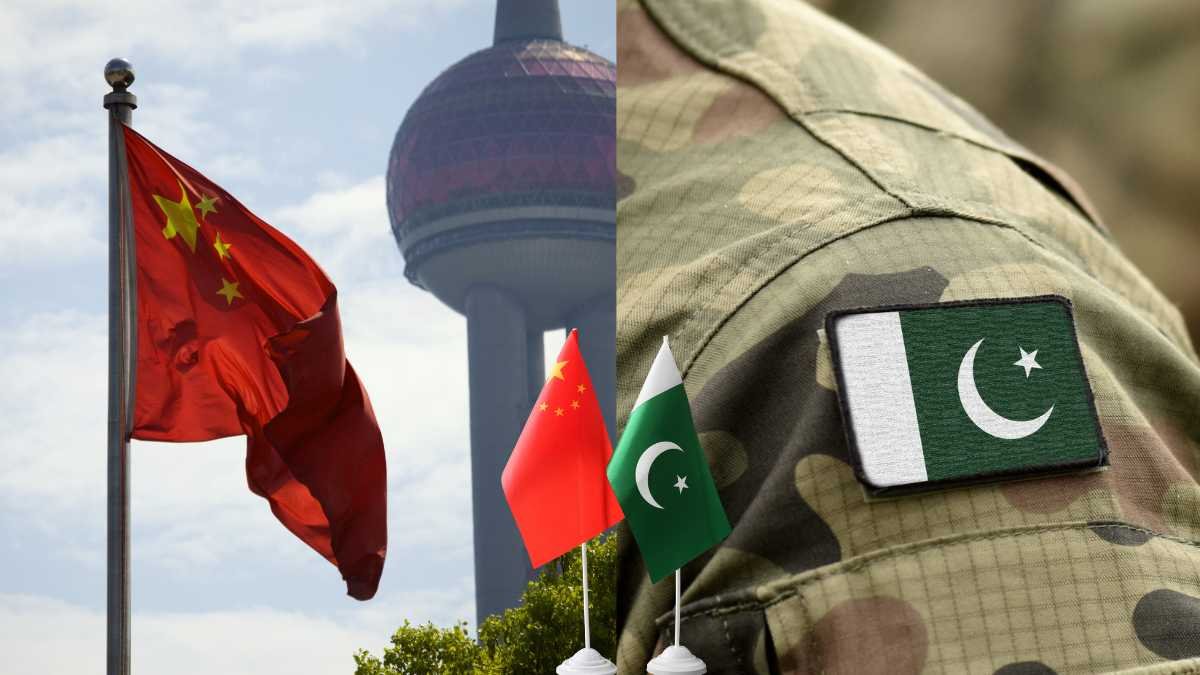
China-Pakistan relations impact on India is not positive, and the May 2025 conflict made them worse.
China supplies about 80 percent of Pakistan’s arms, and they have called each other “iron brothers” for over 70 years; the China-Pakistan Economic Corridor has built roads, ports, and possibly a naval base that change what India has to plan for militarily.
Last year in the 2025 conflict, Pakistan used Chinese equipment like J-10C fighters and PL-15 missiles against India, and Pakistani officials later claimed they downed seven Indian aircraft, which India later acknowledged.
Analysts at CSIS called it the first time Chinese-made weapons had really been tested in live combat against a major power’s military, on India’s own border.
So, China openly supports Pakistan against India.
China Provides Military Equipments to Pakistan
According to the Stockholm International Peace Research Institute’s 2025 arms transfer data, China supplied around 81 percent of Pakistan’s major arms imports between 2020 and 2024, up from about 74 percent in the previous five-year period.
That’s Pakistan’s military becoming a Chinese-equipped force functionally.
What Hardware Pakistan Runs on Chinese Tech
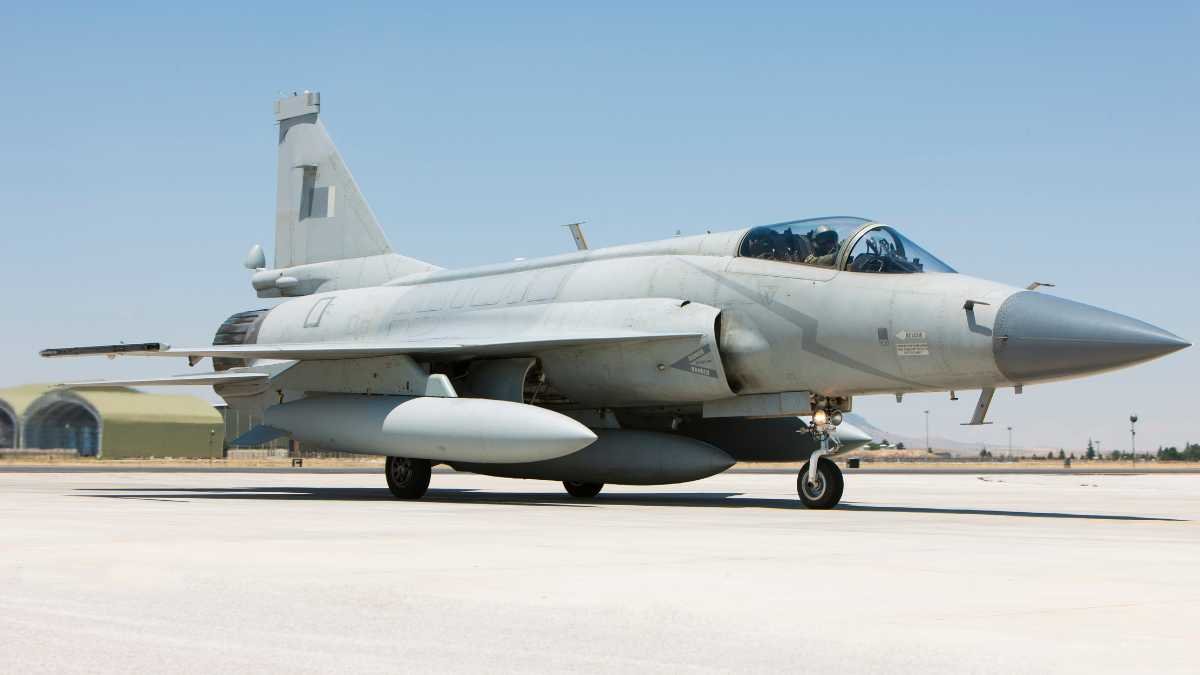
Pakistan’s air force flies the JF-17 Thunder, which is co-produced with China and assembled partly at the Pakistan Aeronautics Complex in Kamra, and the more advanced J-10C, which Pakistan has been buying from China’s Chengdu Aircraft Corporation since 2020, with 36 units ordered across two batches.
On the missile side, Pakistan has the PL-15 air-to-air missile, which has a published range well beyond 200 kilometers, and that range gap caused problems for India during the May 2025 clash, according to Pakistani sources as per Reuters, though India hasn’t confirmed that account itself.
Here’s a breakdown of where Pakistan’s major weapons systems actually come from.
| Weapon System | Type | Chinese Share / Origin |
| JF-17 Thunder | Multirole fighter jet | Co-produced, 58% Chinese components |
| J-10C | 4.5-gen fighter jet | Direct purchase, 36 units since 2020 |
| PL-15 / PL-15E | Air-to-air missile | 100% Chinese, 200km+ range |
| HQ-9 / HQ-9P | Air-to-air missile | 100% Chinese |
| Type 054A/P frigates | Naval warship | Built in China for Pakistan Navy |
| Overall arms imports | All categories | 81% from China (2020–2024) |
Pakistan’s major weapons systems and Chinese supply share.
Source: SIPRI Arms Transfers Programme, 2025
| Country | Estimated Combat Fighter Fleet |
| India | India 410 fighter aircraft (Su-30MKI, Rafale, Mirage 2000, Tejas, MiG-29) |
| Pakistan | 225 fighter aircraft (JF-17, J-10C, F-16, Mirage) |
Approximate fighter aircraft strength, India vs Pakistan. Figures are rounded estimates from open-source defense trackers and change as deliveries continue.
Chinese Hardware Hurt India in May 2025
Pakistan’s military spokesperson said Chinese systems “demonstrated exceptionally well” during what Pakistan calls Operation Bunyan-um-Marsoos, the four-day conflict in May 2025, and claimed seven Indian aircraft losses.
India initially denied it, but later senior officials acknowledged it.
Besides this, independently verified research says that India recovered an intact PL-15E missile near Hoshiarpur, Punjab, on May 9, 2025, which had failed to hit its target and landed around 100 kilometers inside Indian territory.
So some Chinese weapons performed as designed, and there’s also physical proof that at least one expensive Chinese missile missed completely.
A Stimson Center analysis published after the conflict pushes back on the “China won” framing too, said that any Indian aircraft losses may just as plausibly have come from Pakistan’s Chinese-made HQ-9 ground-based air defense system.
As for the PL-15 missiles getting all the attention.
India’s mixed fleet of Russian, French, and Israeli equipment may not have had the kind of real-time networked targeting that some analysts believe Pakistan’s more uniform Chinese-supplied system had.
Though that explanation is one theory among several, not a confirmed finding.
CPEC’s Military Side, Not Just the Commercial One
Pakistan’s government and China’s government have both, on the record, called Gwadar port a purely commercial venture with no military intentions, going back to statements as early as 2018.
But here’s what the evidence actually shows versus what’s projected.
Leaked Documents That Suggest Military Activities at Gwadar

In September 2024, leaked documents reported by independent journalists revealed that after two earlier rounds of Pakistan-China talks stalled over the issue
Pakistan’s military-backed government privately agreed, in January 2024, to allow future Chinese military assets to be based at Gwadar.
In fact, a satellite photo interpretation, this came from internal government documents.
Pakistan reportedly asked for expanded military and economic assistance from China in exchange, partly to cushion the backlash it expected from Washington.
So why does it matter to India or any other nations?
Analysts at CSIS said Gwadar sits close to the Strait of Hormuz, can host large warships, and has seen oddly low commercial traffic for a port that’s absorbed so much investment, just under 100,000 tonnes a year compared to tens of millions at Pakistan’s other ports.
So this gap between investment and commercial use is exactly why people suspected a military purpose all along.
For India, the concern is geography, as Gwadar sits roughly 500 kilometers from Mumbai by sea.
A Chinese naval presence there, even a modest one focused on refueling and resupply, extends Chinese reach into waters India has always considered its own backyard, the Arabian Sea.
| CPEC Component | Approx. Investment | Strategic / Military Relevance |
| Energy projects | 45% of $62B total | Power security for Pakistan, indirectly frees military budget |
| Transport infrastructure | 30% of total | Roads and rail link Karachi to Gilgit-Baltistan, faster troop and equipment movement |
| Gwadar Port | Multi-billion, ongoing | Low commercial use; 2024 leaked deal shows agreed future Chinese military access |
| Industrial zones | 15% of total | Includes Chinese-linked defense manufacturing investment |
CPEC investment breakdown and its strategic relevance. Exact military-spending percentages are not officially disclosed by either government; figures here reflect broad CPEC sector allocation, not confirmed military line items.
Source: CSIS; Drop Site News (leaked documents reporting, Sept. 2024)
India Can’t Just Plan for One Border Anymore; It has to face Two
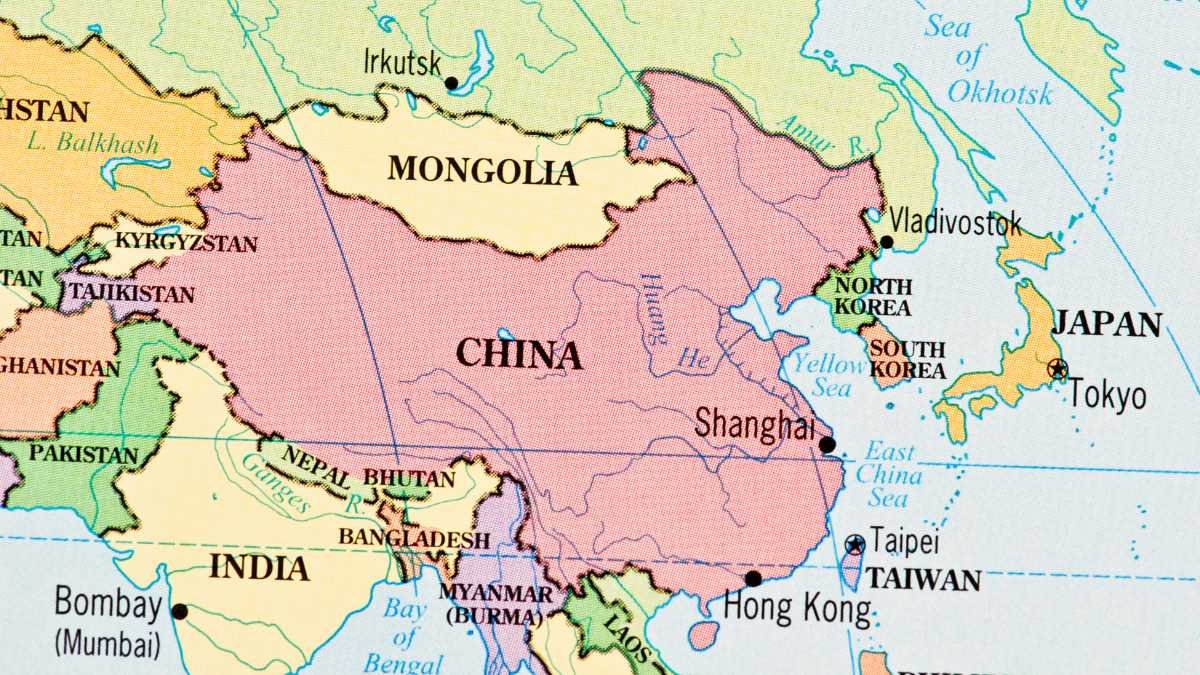
India shares a disputed, unresolved border with China that runs through Ladakh, and a separate, also unresolved border with Pakistan that runs through Jammu and Kashmir and Punjab.
Historically, India could treat these as somewhat separate problems.
But the China-Pakistan relationship makes that harder, because a crisis on one border now has to be planned as a possible trigger or distraction for the other.
In Ladakh, China holds higher ground and better road access on its side of the Line of Actual Control, which gives it a logistics advantage in a high-altitude standoff.
Along the Punjab plains facing Pakistan, it’s flat, fast terrain that favors tank movement, which is a completely different kind of fight requiring different equipment and different readiness.
Jammu and Kashmir sits at the junction of both threats, which is exactly why it’s been the most contested patch of land in the region for 75 years.
Now India has to spend a lot to Cover Both Fronts as they are partners
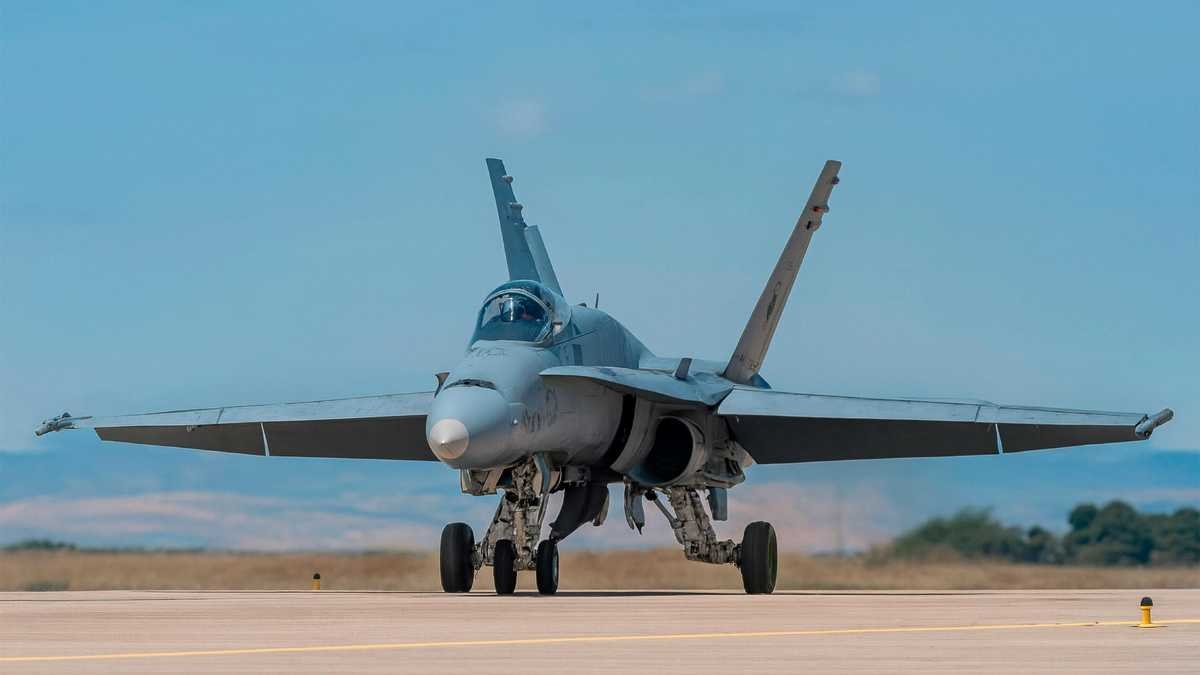
India’s defense budget for 2026-27 was set at around ₹7.85 lakh crore, about a 15 percent jump from the year before, with ₹2.19 lakh crore specifically earmarked for modernization, the largest single-year capital jump in a decade according to Indian budget reporting.
A good chunk of that increase is a direct, acknowledged response to lessons from Operation Sindoor.
India is also moving on a 114-Rafale jet deal with France, alongside continued production of the homegrown Tejas, and naval allocations were raised about 24 percent for new ships and submarines.
Where India still has gaps, and this is acknowledged by Indian strategic analysts too, is in things like hypersonic missile defense and the sheer number of submarines compared to what China and Pakistan can field together.
See, China-Pakistan relations impact on India too.
| Region | Bordering Threat | Terrain Factor |
| Ladakh | China (LAC) | High altitude, China holds road and logistics advantage |
| Jammu & Kashmir | China + Pakistan | Three-way junction, most historically contested zone |
| Punjab | Pakistan | Flat terrain, favors fast tank and armor movement |
Geographic vulnerability across India’s two active fronts.
Satellite and Cyber Connection Between China and Pakistan
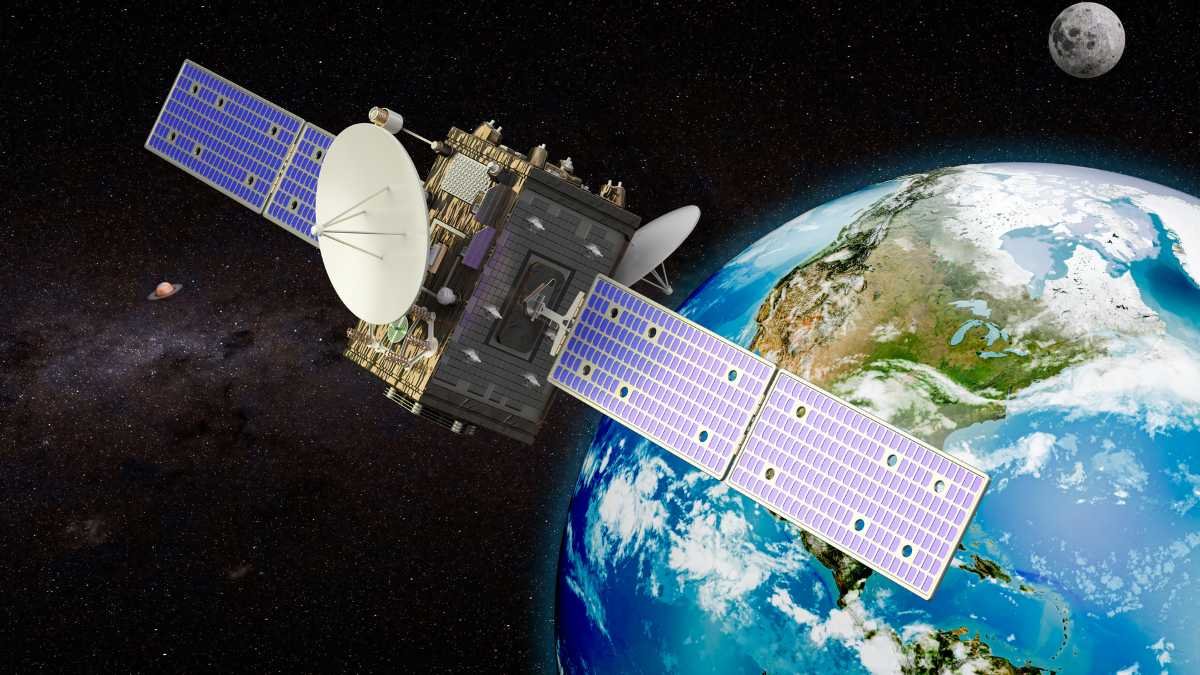
During the May 2025 conflict, Indian officials alleged that China provided Pakistan with live intelligence inputs covering around 109 Indian military positions, essentially real-time targeting help.
Both Beijing and Islamabad denied this publicly.
Also, I want to be careful here, because “Indian officials alleged” is not the same as confirmed fact, and neither side has produced fully public proof either way.
But the allegation tells us where this rivalry is heading: space-based intelligence sharing as a live wartime tool.
China has over 1000+ Satellites that Pakistan also uses
China operates a much larger constellation of reconnaissance and navigation satellites than India does, including its BeiDou navigation system.
And Pakistan has integrated into its military communications, which Pakistani and Chinese sources describe as giving Pakistan GPS-independent navigation and targeting that doesn’t rely on US-controlled systems.
So if a future conflict ever involved Western pressure on GPS access, both Pakistan and China will have advantages, though I haven’t found independent, non-government confirmation of exactly how operational that integration is today.
India has its own satellite and navigation programs, including the indigenous NavIC system, but the gap is too much compared to China.
Cyber Advantages
On the cyber side, India’s government and Indian media outlets have attributed a steady stream of intrusion attempts against Indian infrastructure to Pakistan-linked groups over the past several years.
Although attribution in cyber incidents is hard to pin down with certainty, I’d be doing you a disservice if I claimed more precision here than actually exists in open sources.
India has been building out its own cyber defense capacity, but this is one of those areas where both countries likely know more than they’re saying publicly, which is true of basically every nuclear-armed state’s cyber posture.
Nuclear Math, and Why It’s More Stable Than It Sounds
According to the Stockholm International Peace Research Institute’s Yearbook 2026, published in June 2026, India’s stockpile stood at approximately 190 warheads as of January 2026, a little ahead of Pakistan’s estimated 170.
China’s arsenal has grown much faster than either, reaching around 600 to 620 warheads, expanding by something like 100 new warheads a year since 2023.
So if we add China and Pakistan’s combined arsenals, that’s somewhere around 770 to 790 warheads facing India’s 190, which is an imbalance, even if the older “670 vs 160” figures some people still cite are now out of date.
Having more nuclear weapons combined, both Pakistan and China, will it impact India?
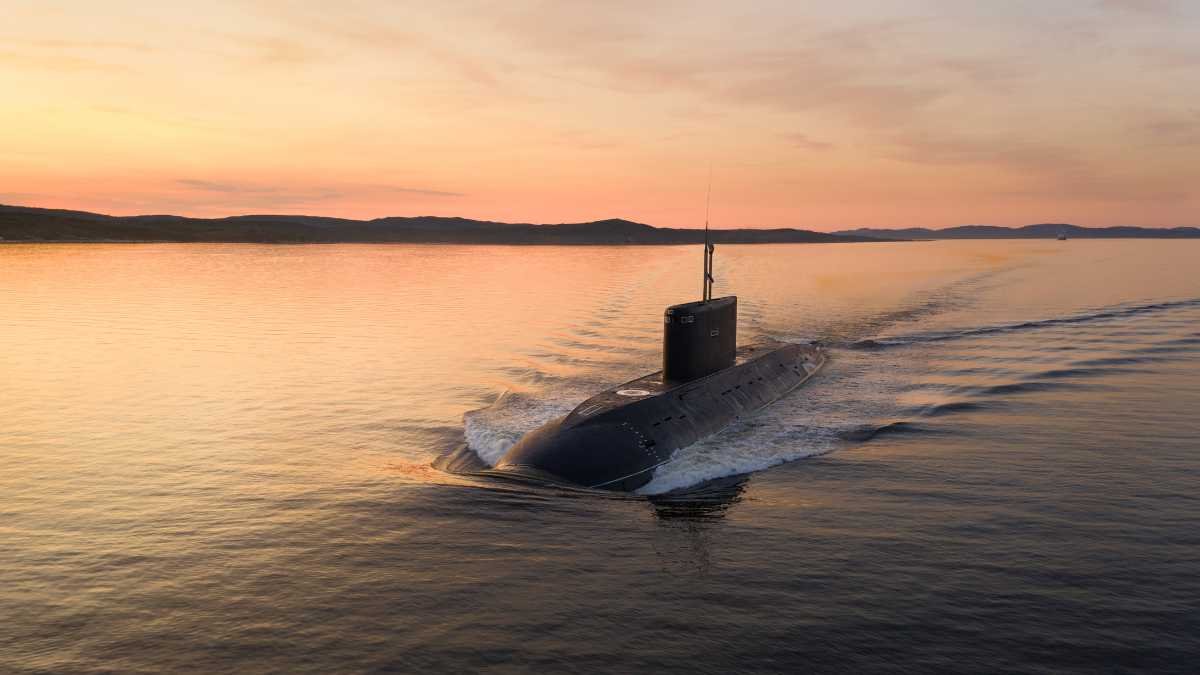
India has a declared no-first-use policy and is building out what strategists call a survivable second strike capability, meaning enough weapons safely deployed, including a nuclear submarine, that India could absorb a first strike and still retaliate.
And it’s called nuclear deterrence, so it’s not about who has more; it’s about whether both sides know retaliation is guaranteed.
India currently operates its first indigenous nuclear submarine, INS Arihant, with more reportedly in development, while Pakistan has leaned on land and air-based systems plus some submarine-launched options developed with Chinese assistance.
Command and Control of Nuclear
Some Western analysts have flagged Pakistan’s more military-led nuclear command structure, compared to India’s more centralized civilian-led structure, as a stability concern in a fast-moving crisis.
Though Pakistan’s government disputes that characterization and disputes that its command and control is any less secure.
I’ll say, this is one of those areas where outside observers are working with limited, often dated information.
| Country | Estimated Warheads (Jan 2026) | Delivery Systems |
| India | 190 | Agni-series missiles, Rafale, INS Arihant submarine |
| Pakistan | 170 | Shaheen-series missiles, JF-17/F-16, Chinese-assisted submarine options |
| China | 600–620 | DF-41 ICBMs, J-20, expanding SSBN fleet |
Estimated nuclear arsenals as of January 2026.
Source: SIPRI Yearbook 2026
CPEC Money Reaches Pakistan’s Military
CPEC’s around $62 billion in committed investment breaks down heavily toward energy projects and transport infrastructure, things like power plants and highways.
On paper, that’s economic development, but in reality, infrastructure like the highway network connecting Karachi to the north, and rail and road links through Gilgit-Baltistan toward the Chinese border.
They also function as logistics capacity for moving Pakistani military assets faster than before, even though that wasn’t the stated purpose.
Pakistan Gets Investment from China
Pakistani state-linked defense manufacturers, including the Pakistan Aeronautical Complex that builds the JF-17, have received Chinese investment and co-production contracts that flow Chinese capital straight into Pakistan’s domestic weapons production capacity.
Besides this, China and Pakistan settle bilateral trade and defense-linked transactions in yuan rather than dollars.
It insulates that relationship somewhat from US dollar-based sanctions or financial pressure.
While India doesn’t have the same insulation, given how much of its own defense trade still runs through dollar-denominated deals with the US and France, Pakistan isn’t part of BRICS, but China and India are.
However, exact figures on how much CPEC money specifically funds Pakistani military procurement versus genuine civilian infrastructure are not fully public.
And Pakistan’s own government doesn’t break this down transparently.
Where These Relationships Go Through 2030
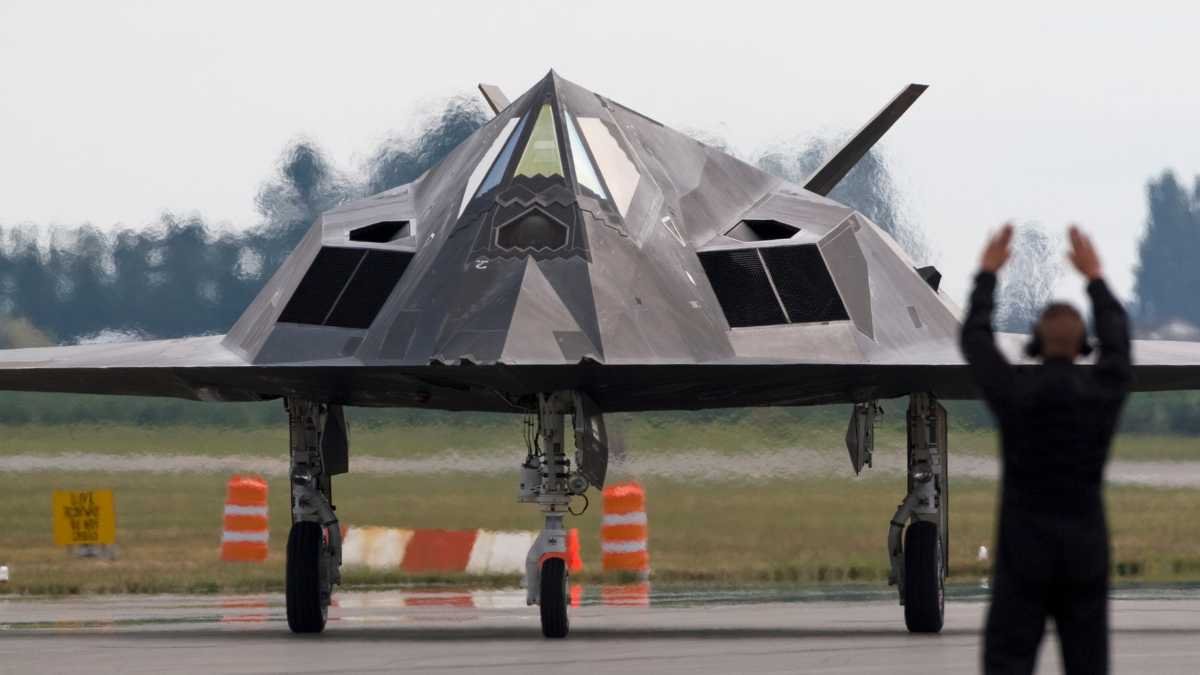
Pakistan has reportedly been in discussions with China about fifth-generation J-35 stealth fighters, with some Pentagon and Congressional reporting from late 2025 and early 2026 already referencing offers of around 40 such aircraft alongside airborne early warning planes.
Although it’s important to know this is still at the offer and discussion stage in the reporting, not a confirmed delivery timeline.
If that goes through even partially, it would be a jump in Pakistan’s air capability, since India’s own fifth-generation fighter program, the AMCA, is still years from operational service.
Gwadar’s military buildup, based on the 2024 leaked agreement, looks set to continue moving from informal to more formal Chinese access over the next few years.
But, and more importantly, the exact timeline keeps getting pushed, and nothing here should be read as locked in.
What India Is Doing for All of This?
As for India, the priorities seem to be racing toward, based on budget allocations and public statements.
India is focusing on faster submarine production, closing the satellite gap, and scaling up indigenous fighter production so the Rafale deal isn’t doing all the heavy lifting.
However, None of this resolves the China-Pakistan relationship’s core advantage, which is that India faces two coordinated fronts, but it’s building toward a future where it doesn’t have to lean as heavily on any one foreign partner.
Conclusion & India’s Position
Pulling this together, China-Pakistan relations impact on India through three connected channels.
- Hardware: Pakistan’s military is now overwhelmingly Chinese-equipped, and that hardware got a combat test in May 2025 with mixed but concerning results for India.
- Infrastructure: CPEC has built physical and now apparently military-linked capacity inside Pakistan that didn’t exist a decade ago, with Gwadar as the clearest example.
- Strategic Math: the nuclear and conventional numbers genuinely favor a combined China-Pakistan position, even though India’s actual deterrent posture is more stable than raw warhead counts alone suggest.
None of this means conflict is inevitable, and I’d push back on anyone framing it that way.
It does mean India’s defense planning has permanently shifted from a one-front to a two-front mindset, and the 2025-26 budget and procurement decisions reflect that shift happening.
FAQs
Why is Pakistan so important to China?
Mainly geography and strategy, not sentiment, even though both governments use “iron brothers” language a lot.
Pakistan gives China a land and sea route to the Arabian Sea through Gwadar that avoids the Strait of Malacca chokepoint, which matters a lot for China’s oil security if relations with the US Navy ever get tense.
It also gives China a reliable way to keep India strategically distracted on its western border, and a steady customer for Chinese weapons exports that helps prove those weapons work in the field, which is exactly what happened, controversially, in May 2025.
Will China help Pakistan against India?
China has helped Pakistan build and arm itself for decades; that part’s clear and documented.
But whether China would get directly, militarily involved in an actual India-Pakistan war is a different thing, and there’s evidence China wants that.
China’s pattern so far has been supplying weapons, technology, and reportedly intelligence support during the May 2025 crisis, while staying out of direct combat itself.
Arming and advising an ally is not the same commitment as fighting alongside them, and China has generally avoided the second one in its modern history.
Did Chinese weapons beat Indian weapons in May 2025?
It’s disputed; Pakistan claims its Chinese-built J-10C jets and PL-15 missiles downed multiple Indian aircraft, including Rafales, and some Pentagon reporting has taken those claims seriously.
The Indian government didn’t confirm the losing aircraft and recovered at least one Chinese missile that completely missed its target.
But India’s Defense Attaché to Indonesia, Captain Shiv Kumar, said that the Indian Air Force lost fighter jets to Pakistan during Operation Sindoor, as per the report by AL Jazeera.
Independent defense analysts believe that Pakistan’s networked use of Chinese systems likely outperformed India’s mixed fleet in some engagements, without it being a clean, one-sided result.

Abraham is the founder and sole writer of Geopolitics Decoded. Based in New Delhi, India, he has been researching and analyzing international affairs since 2019, with a focus on great-power competition, European security, energy geopolitics, and global diplomacy. He is currently pursuing independent coursework in global diplomacy through SOAS University of London. His fact-based, deeply contextual analysis has earned millions of interactions across social media platforms, including Threads and Instagram. Every article on this site is independently researched, written, and verified by Abraham personally. Read Abraham’s full author bio