The prisoner exchange program happens between two countries even when they’re actively fighting or the conflict is frozen.
In that swap program, it’s a formal agreement between two parties, usually governments or armed groups, to release individuals they’re each holding.
Now, they can be soldiers captured on the battlefield (POWs), civilians caught in conflict zones, intelligence operatives convicted of espionage, or even journalists and aid workers labeled as spies.
So how does it actually work? Who decides when one happens? And why do some of these deals take years, while others seem to get done in days?
I will talk about all these things and discuss more about swap programs, including the 1962 Cold War swap on the Glienicke Bridge or Ukraine’s massive 1,000-for-1,000 deal in May 2025, as these exchanges are some of the most fascinating and complex moments in modern diplomacy.
How a Prisoner Exchange Gets Decided
There is no standing committee that calls up two governments and says “time to swap.” So one thing that makes a prisoner exchange happen is a combination of three things coming together at once.
- One side has something the other side specifically wants, like a named person, or a number that’s politically significant, or a deadline. For example, in the 2024 Ankara deal, Russia’s non-negotiable condition was getting back Vadim Krasikov, a convicted assassin held in Germany. So without Germany releasing him, the three Americans held by Russia, including Wall Street Journal reporter Evan Gershkovich, would not go home.
- A third-party country that is accepted by both sides as a venue, as normally direct talks between hostile states are almost impossible to arrange without someone neutral holding the room.
- The political moment has to be right for both sides domestically, because releasing a convicted assassin or a known spy is politically costly. So no government likes it unless what they’re getting back makes that cost defensible at home.
If all three of these things line up, we see a prisoner swap deal happening, but if one is missing, talks drag on for years. For example, Gershkovich spent 16 months in Russian detention before the stars aligned.
What International Law Says About This
The legal backbone here is the Third Geneva Convention of 1949, and it covers the treatment of prisoners of war in international armed conflict.
The most important thing that it says is that POWs:
Must be released and repatriated without delay after the end of hostilities.
However, one thing that complicates the law is that “After the End of Hostilities” is a problem when the war is still going on.
Exchanges during active conflict are not legally mandated by Geneva; they’re negotiated through diplomacy.
So the convention sets the floor for how prisoners must be treated, but it doesn’t create a mechanism for getting them home mid-war.
The Role of ICRC in Prisoner Exchange

There is a gap where the ICRC steps in: the International Committee of the Red Cross has the right under Article 126 of Geneva III to visit all detention sites, speak with prisoners privately, and act as a neutral intermediary.
It doesn’t negotiate terms or propose numbers; it only verifies that the people on the list are who both sides say they are, and coordinates the physical logistics.
Without that verification layer, neither side can trust the other isn’t cheating, so that’s the main role of it.
One more thing, POW status under Geneva only applies to combatants in international armed conflict.
But Journalists, civilians caught in conflict zones, people labeled “spies” by one side- these categories sit in legal grey zones.
West Point’s Lieber Institute noted in a 2024 analysis that some of the Russia-Ukraine exchange categories tested the edges of what Geneva III covers.
And this matters because when legal status is unclear, both sides have more room to argue over who counts.
Two Case Studies Where the Modern Template Comes From
The 1962 Bridge of Spies
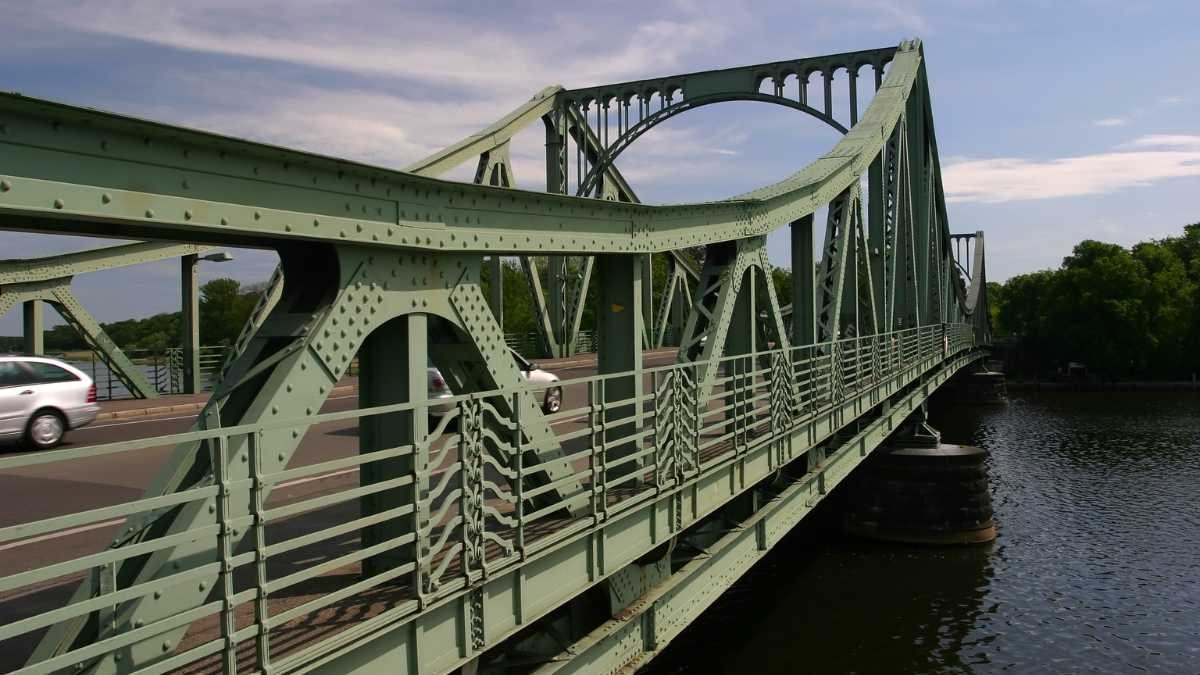
On February 10, 1962, two men walked toward each other from opposite ends of the Glienicke Bridge connecting West Berlin and East Germany.
One was Francis Gary Powers, the American U-2 spy plane pilot shot down over Soviet airspace in 1960 and sentenced to 10 years in a Soviet prison.
The other was Rudolf Abel, a KGB colonel the FBI had arrested in Manhattan in 1957.
At exactly 8:52 a.m. Berlin time, both men crossed the painted white line in the middle of the bridge simultaneously, and that exchange was negotiated by James B. Donovan, a private American lawyer.
Rudolf Abel had served four years of a 30-year sentence, while Powers had served less than two years of his ten-year term.
So that prisoner swap was clean, simultaneous, and both sides walked away with something.
That logic, clean, simultaneous, mutual, is still being followed behind every prisoner exchange today.
So the Cold War formalized the spy-for-spy structure and established the Glienicke Bridge as a physical symbol of what these moments look like.
The bridge itself hosted several high-profile swaps through the Cold War, becoming what insiders called the “Bridge of Spies.”
2024 Ankara Swap: The Most Complex Deal in Decades
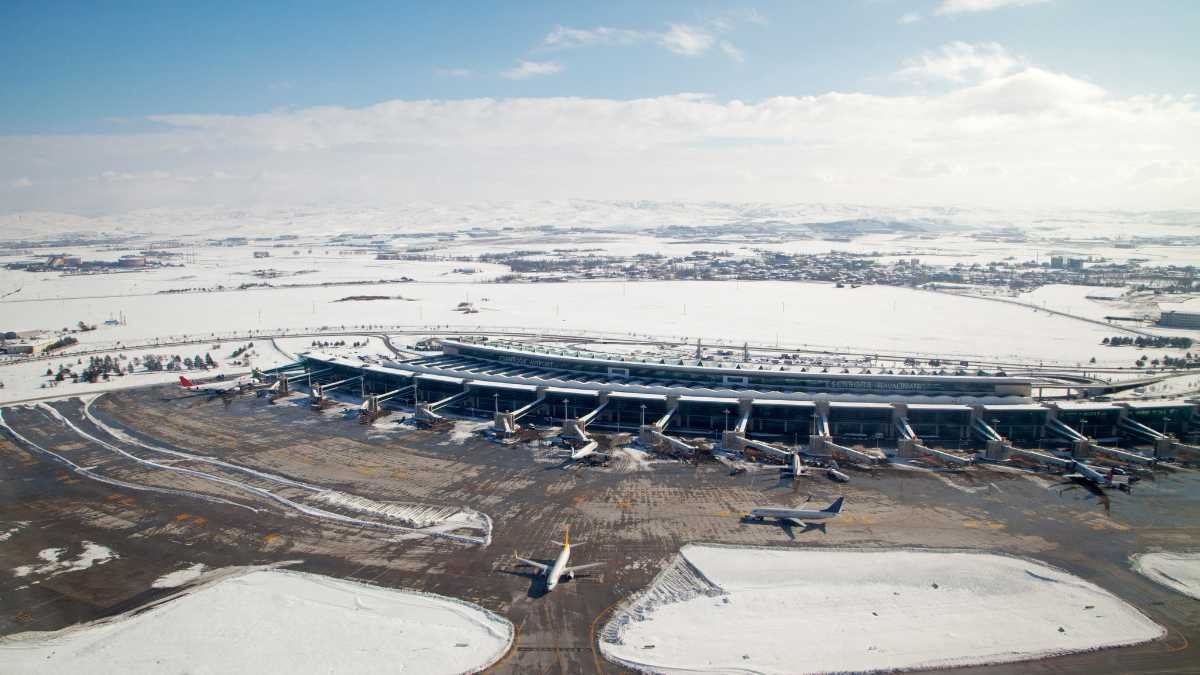
August 1, 2024, there was an airport tarmac in Ankara, Turkey. Twenty-six people from seven countries were released; it was the largest East-West prisoner swap since the Cold War.
Russia and Belarus released 16 people, while the US, Germany, Poland, Slovenia, and Norway collectively released eight people and two minors.
Gershkovich, Whelan, journalist Alsu Kurmasheva, and Russian opposition figure Vladimir Kara-Murza came home.
Germany absorbed the most politically difficult part: they released Vadim Krasikov, a Russian intelligence officer who had carried out a state-sanctioned assassination on German soil in 2019.
These negotiations were running in secret for at least six months, according to reporting at the time.
The White House confirmed that Biden personally worked on the issue directly with German Chancellor Scholz, and Germany was the hardest piece because releasing Krasikov meant acknowledging publicly that you’re freeing a convicted murderer to get your people back.
What do these two studies teach us?
These deals teach something important about how these programs have evolved.
Cold War exchanges were almost always bilateral: two countries, two people, one bridge.
Modern exchanges are multiparty logistics operations.
- Country A releases someone for country B
- B releases someone for C
- C releases something for A
It only works if every party agrees on the same day, which is why Turkey’s neutral airport was the only venue that could hold all of this together.
Turkey’s intelligence agency, MIT, described it as “the most comprehensive prisoner exchange operation of the recent period.”
Countries That Make Prisoner Swap Deals Possible
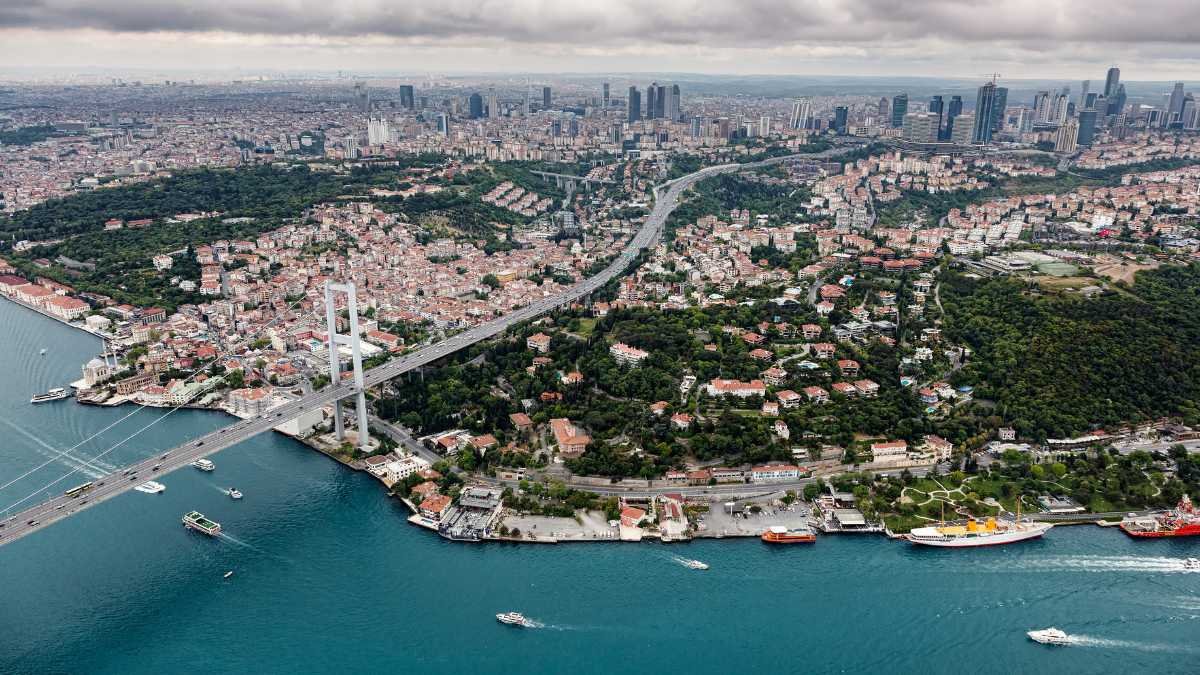
The most underappreciated part of modern prisoner exchange diplomacy is the role of third-party mediator states.
Turkey
Turkey has become the most consistent physical venue for major exchanges in the last three years.
- It hosted the Ankara 2024 swap.
- Hosted the May 2025 Istanbul talks that produced Ukraine’s largest POW deal.
- It facilitated an earlier Russia-Ukraine exchange back in September 2022, early in the war.
The reason why Turkey is chosen is that it’s a NATO member with deep energy and trade ties to Russia; therefore, both sides can use it without either side feeling they’re walking into the other’s territory.
UAE
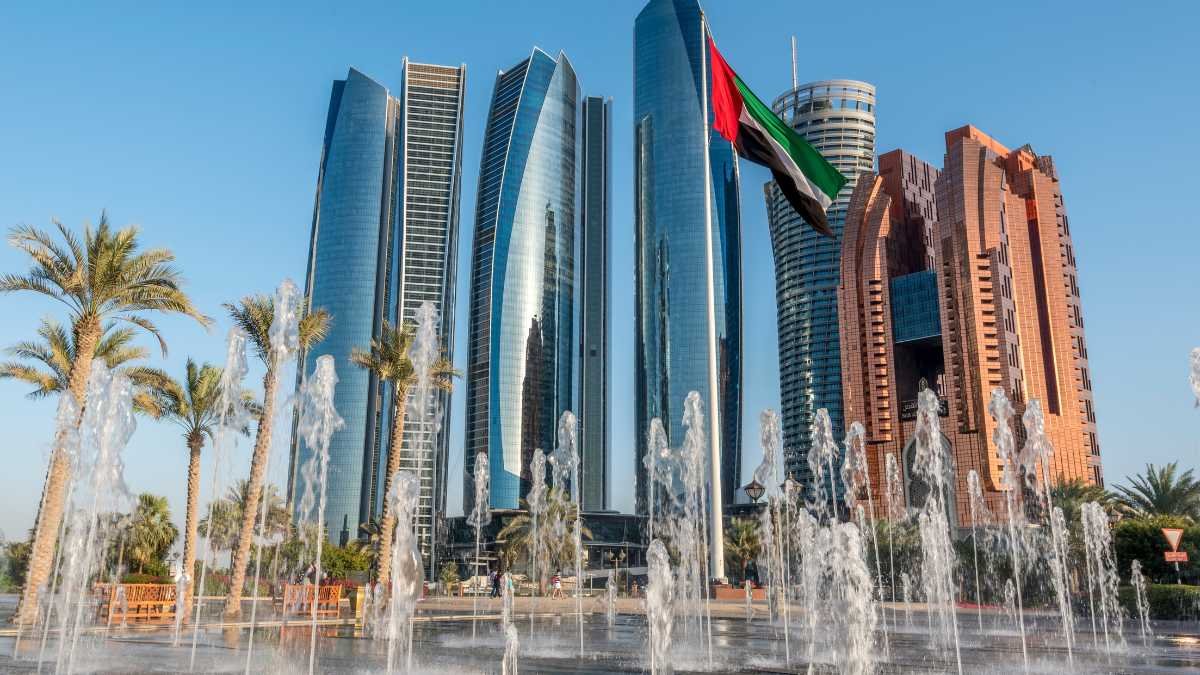
The UAE has done something almost unnoticed outside diplomatic circles: it has become the primary ongoing mediator for Russia-Ukraine prisoner exchanges at the operational level.
By the end of 2024, the total number of prisoners exchanged through UAE mediation had reached 2,484.
And that number kept climbing; a separate Gulf News report noted the UAE’s twelfth successful mediation of 2024 alone was exchanging 300 captives at a time.
The Washington Institute described the UAE’s approach as “quiet diplomacy”, which is exactly right.
Abu Dhabi doesn’t hold press conferences about this; it just keeps doing it, exchange after exchange, because it has trust relationships with both Moscow and Kyiv that most Western nations don’t, especially after the Russia-Ukraine conflict, and they have also frozen Russian assets.
Qatar
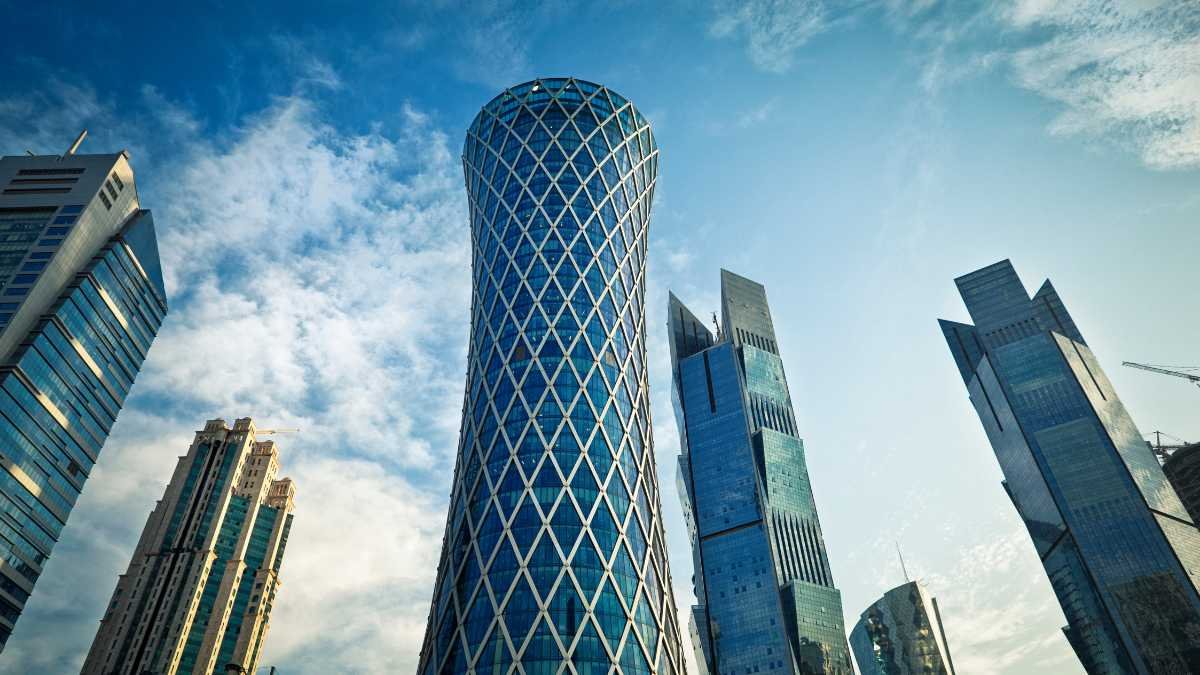
Qatar’s role is slightly different; where the UAE focuses on Russia-Ukraine, Qatar has been the essential channel for Israel-Hamas.
Qatar has maintained a political relationship with Hamas for years, which is precisely why it can carry messages that the US and Israel officially cannot send directly.
The January 2025 Gaza ceasefire deal was announced by Qatar’s Prime Minister in Doha, with Egypt and the US co-mediating, and without Qatar’s channel to Hamas, that deal might not have happened.
What these three countries share:
- Trust on both sides of a conflict
- No territorial ambitions in the relevant conflict zones
- The financial and logistical capacity to host complex operations.
So it’s a rare combination, which you may not see in big nations like the USA, China, Russia, India, Germany, etc.
Ukraine’s Record-Breaking Prisoner Exchanges
By the time 2025 ended, Ukraine had returned a record 2,310 of its people from Russian captivity through 10 confirmed exchanges and the major Istanbul swap.
It was more than any previous year since Russia’s full-scale invasion in February 2022.
The Istanbul 1,000-for-1,000 (May 2025)
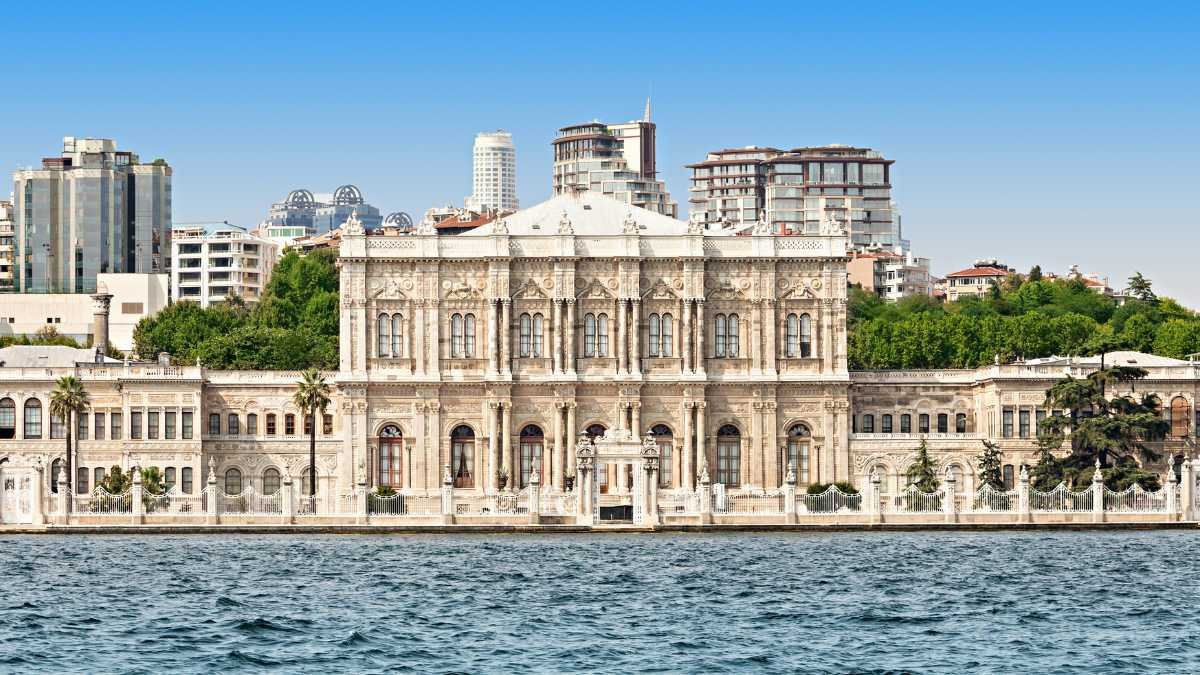
On May 16, 2025, Russian and Ukrainian delegations met at the Dolmabahce Palace in Istanbul for the first direct peace talks between the two countries in over three years.
Ukraine’s side was led by Defense Minister Rustem Umerov and Russia’s by Kremlin aide Vladimir Medinsky.
Neither Zelensky nor Putin attended, and the only concrete outcome was the agreement to exchange 1,000 prisoners from each side.
That exchange ran across three days: May 23, 24, and 25, and on the final day, both sides exchanged 303 prisoners each, completing the process.
One freed soldier, Anton Kobylnik, had spent three years in Russian captivity.
He arrived in a poor physical condition, draped in a blue-and-yellow Ukrainian flag. “I’m worried about those of us left behind,” he told journalists.
At the time, Zelensky’s office estimated more than 8,000 Ukrainian soldiers remained in Russian captivity, and that 1,000-for-1,000 was the largest swap of the war.
What Followed in 2026
In May 2026, Russia and Ukraine exchanged 205 prisoners each as part of a new 1,000-for-1,000 agreement, announced by US President Trump.
The UAE again provided humanitarian assistance during the return of Russian servicemen.
As of early June 2026, Zelensky confirmed another exchange of 500 Ukrainian prisoners was planned for the weekend of June 7-8, according to the Kyiv Independent.
One thing that is unusual about the Ukraine situation is that these exchanges are happening during an active war with no ceasefire. And it’s not normal, because most prisoner exchange programs operate at the end of a conflict or during a formal pause.
The Gaza Model: When There’s No Legal Framework at All
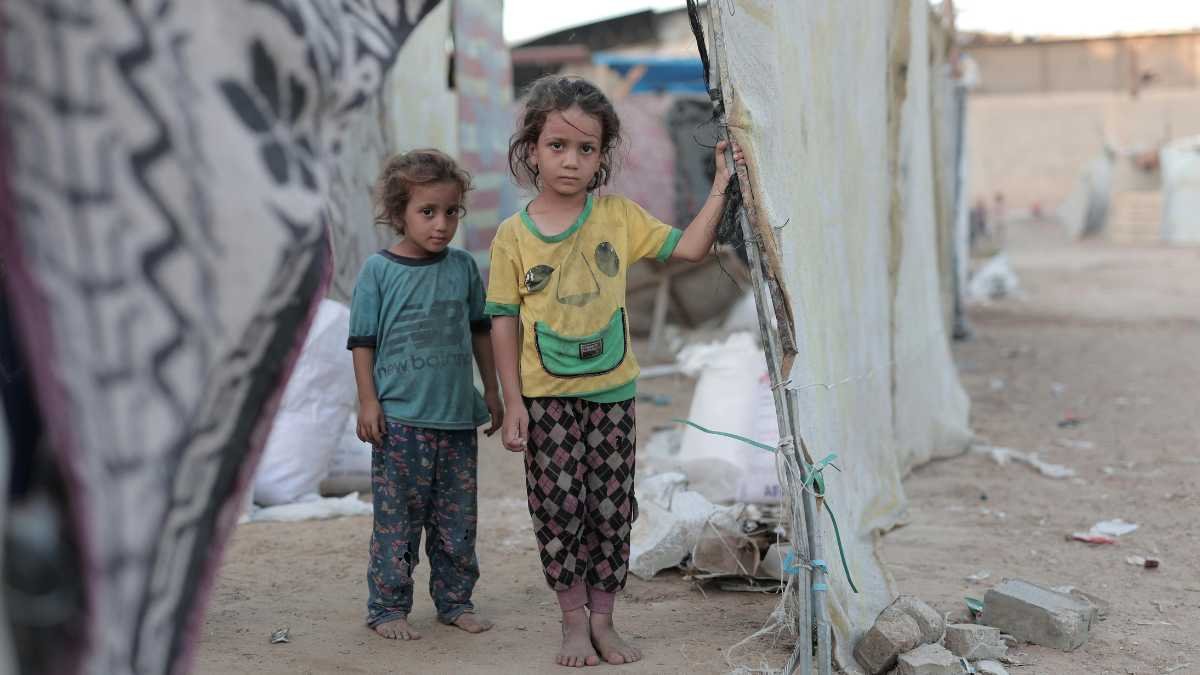
I examined the Israel-Hamas situation and wanted to explain it separately because almost none of the standard prisoner exchange rules apply here.
That’s because they don’t recognize each other, and there was no Geneva Convention POW status for most of the people involved, and no formal military ceasefire structure.
The deal that was announced in January 2025 involved Hamas releasing 33 Israeli hostages in the first phase, with Israel releasing 1,950 Palestinian prisoners: 250 serving life sentences and 1,700 Gazans detained after October 7, 2023.
The ratio is huge: one hostage for roughly 60 prisoners, so this asymmetry reflects the different leverage and legal standing each side holds.
It happens when two parties negotiate with no legal floor, so the exchange ratio becomes a pure bargaining variable, and deals that would be legally indefensible in a traditional POW context become the only way anything moves.
The US, Qatar, and Egypt spent months of indirect shuttle diplomacy to get there, with Qatar as the indispensable channel because it was the only mediator Hamas would actually talk to.
Challenges: Why Prisoner Exchange Deal Collapses
Most prisoner exchange negotiations don’t make the news when they fail, so it’s easy to underestimate how often they fail; here is why it happens:
Verification is the first breaking point
Both sides need confidence that the person being handed over is actually who the list says.
One disputed name can freeze everything; that’s why the ICRC involvement in list verification is structurally necessary for the deal to hold.
Public Positioning is Important too
In May 2026, Putin publicly claimed Ukraine had submitted no proposals for a swap even while Ukraine said it had already transferred lists to Russia; now both claims cannot be true.
Zelensky responded by confirming Ukraine had handed over its lists and was seeking US guarantees to enforce the deal.
This kind of public contradiction is standard behavior, because both sides have domestic audiences watching.
Being seen as the one “who wanted to swap” looks weaker than being seen as the one who held firm. So even when talks are serious, public statements are often theatrical.
Domestic Political Cost is the Big Pressure Point
Germany released Krasikov, and Israel released 250 people serving life sentences.
These decisions have electoral consequences; leaders need political cover, which is partly why the US, Qatar, and Egypt take so much visible ownership of brokering the Gaza deal, because it gives the Israeli government something to point to.
Different Types of Prisoner Exchanges
Soldier-for-soldier swaps:
It’s the most straightforward exchange; there is a fixed ratio, both sides have combatants in formal military custody, Geneva III applies, and ICRC can verify.
The Ukraine-Russia exchanges are mostly in this category, which is why they’ve been able to happen with regularity even mid-conflict.
Spy-for-spy swaps (the Cold War model):
It’s slower because both sides have made legal convictions that are politically difficult to walk back.
Releasing a convicted spy is tacitly admitting you’re doing the same.
These need heavy political will and a specific person both sides want badly enough to absorb the optics.
Hostage-for-prisoner deals (Gaza, some Iran cases):
They have no standard framework, and they go with the asymmetric ratios.
One side has people it took in a raid; the other has convicted criminals in a formal prison system.
They’re not legally equivalent categories, so the negotiation is about leverage, not legal parity.
Multi-party deals (Ankara 2024):
It’s the most complex because the concessions don’t flow in a straight line.
Country A releases someone, Country B gets something from Country C, which then delivers to D.
This only works with a trusted hub country that can hold the whole operation together on a single day, as Turkiye did.
Conclusion
Prisoner exchange as a practice is older than modern international law, but the infrastructure around it, such as the mediator networks, verification systems, and multi-party deal structures, is new, and it’s been built largely in response to the complexity of post-Cold War conflicts.
What I think is interesting about the current moment is that two things that seem contradictory are both true at the same time.
Russia and Ukraine are still in a conflict, but they are also operating a near-monthly structured prisoner exchange mechanism backed by Turkey, the UAE, and the United States.
And this practice wasn’t normal if we look at history.
Besides this, the Geneva Convention gives it a legal floor and an operational infrastructure. And some nations like Turkey, the UAE, and Qatar give it political channels.
Till now, more than 8,000 Ukrainians are still estimated to be in Russian captivity as of mid-2025, but these exchanges will continue.
FAQs
Is there any international body that can demand countries do a prisoner exchange?
No! The ICRC has visiting rights and verification roles, but zero enforcement power.
The UN Security Council can pass resolutions supporting exchanges; for example, it did with Gaza via Resolution 2735 in June 2024, but those resolutions don’t compel action either.
Every prisoner exchange in history has happened because both sides decided it served their interests, so nobody can force it.
Why did the Ankara 2024 deal need seven countries? Couldn’t the US and Russia just do it directly?
The multi-country structure existed because Russia’s key demand was a person held in Germany, not the US.
Germany had its own nationals to get back, and Poland, Slovenia, and Norway each had their own nationals held in Russia.
So, a pure bilateral US-Russia swap couldn’t have secured all of those releases, and the only way to do it was a simultaneous multilateral swap where every country agreed to release on the same day.
Do exchanged soldiers or spies go straight back to their jobs after being released?
Never immediately; the released American prisoners from Ankara 2024 were transported to Brooke Army Medical Centre in Texas for medical evaluation before anything else.
Ukrainian POWs arriving from Russian captivity go through a reception and rehabilitation process.
And this happens because psychological and physical damage from extended captivity is significant.
Russian servicemen freed in swaps have reportedly been sent to Belarus for psychological and medical assistance before returning to Russia.
How do you actually agree on who goes on the exchange list in the first place?
Each side submits a list of the people it wants released; those names are cross-checked against what the other side actually holds.
There’s negotiation over categories (soldiers only? civilians too? convicted spies?), and disputed cases can hold up everything else.
In Ukraine’s case, the coordination runs through a dedicated body called the Coordination Headquarters for the Treatment of POWs.
The lists go through ICRC verification, which can take months of back-and-forth before a final agreed list exists.

Abraham is the founder and sole writer of Geopolitics Decoded. Based in New Delhi, India, he has been researching and analyzing international affairs since 2019, with a focus on great-power competition, European security, energy geopolitics, and global diplomacy. He is currently pursuing independent coursework in global diplomacy through SOAS University of London. His fact-based, deeply contextual analysis has earned millions of interactions across social media platforms, including Threads and Instagram. Every article on this site is independently researched, written, and verified by Abraham personally. Read Abraham’s full author bio