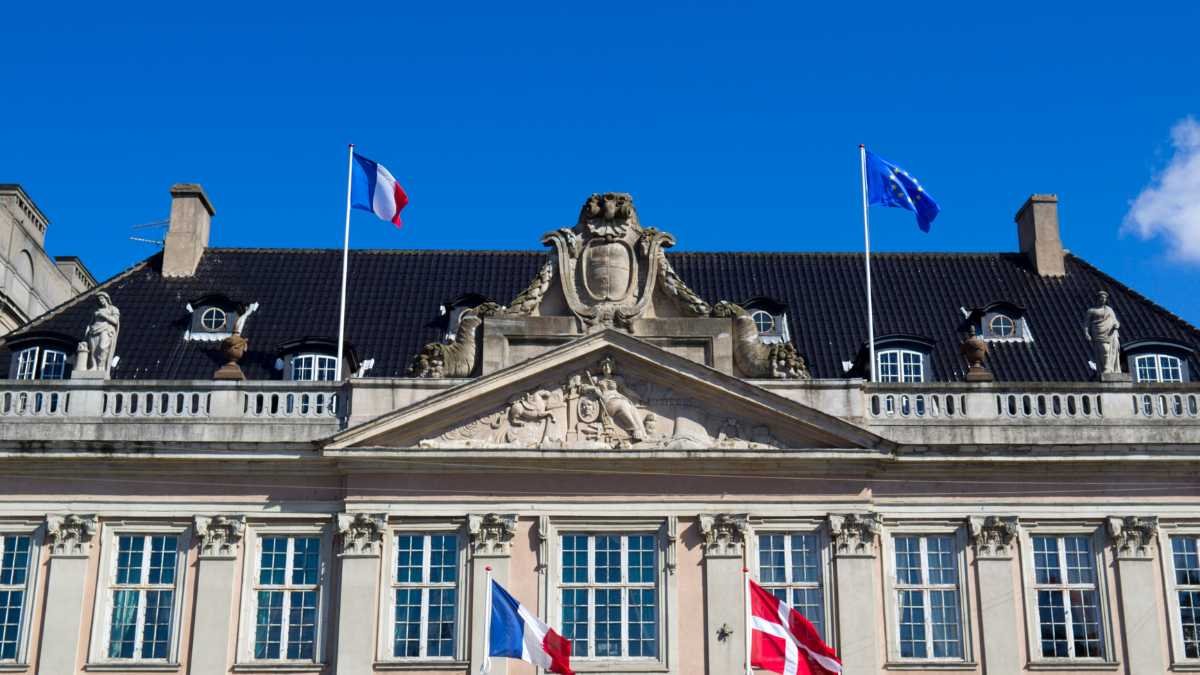
In 2026, around $280 to $300 billion in Russian assets are frozen across Western jurisdictions. This figure comes from the G7 and the EU’s own REPO Task Force.
These are not oligarch yachts or seized mansions; what we’re primarily talking about are the official foreign exchange reserves of Russia’s Central Bank, money that Russia saved over the years, stored abroad in government bonds and deposits, that the West locked down within days of the February 2022 invasion of Ukraine.
One thing to be clear on from the start: freezing is not the same as confiscating; the money hasn’t been taken, it’s just been made inaccessible to Russia.
Frozen Russian Assets by Country
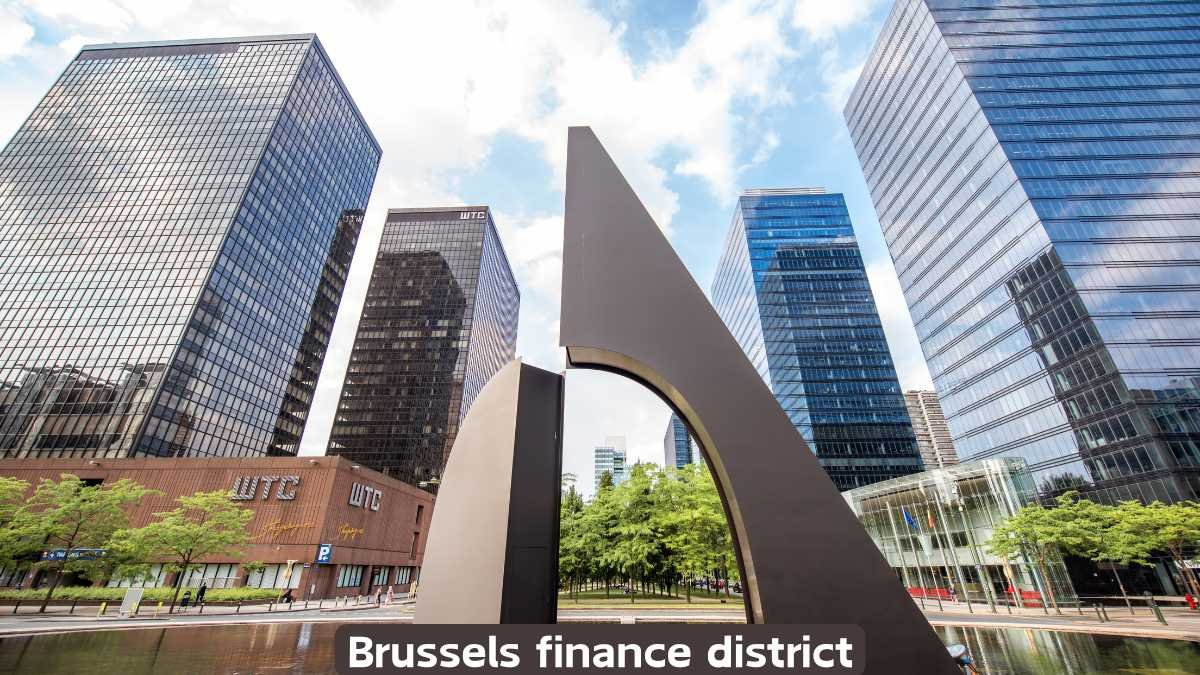
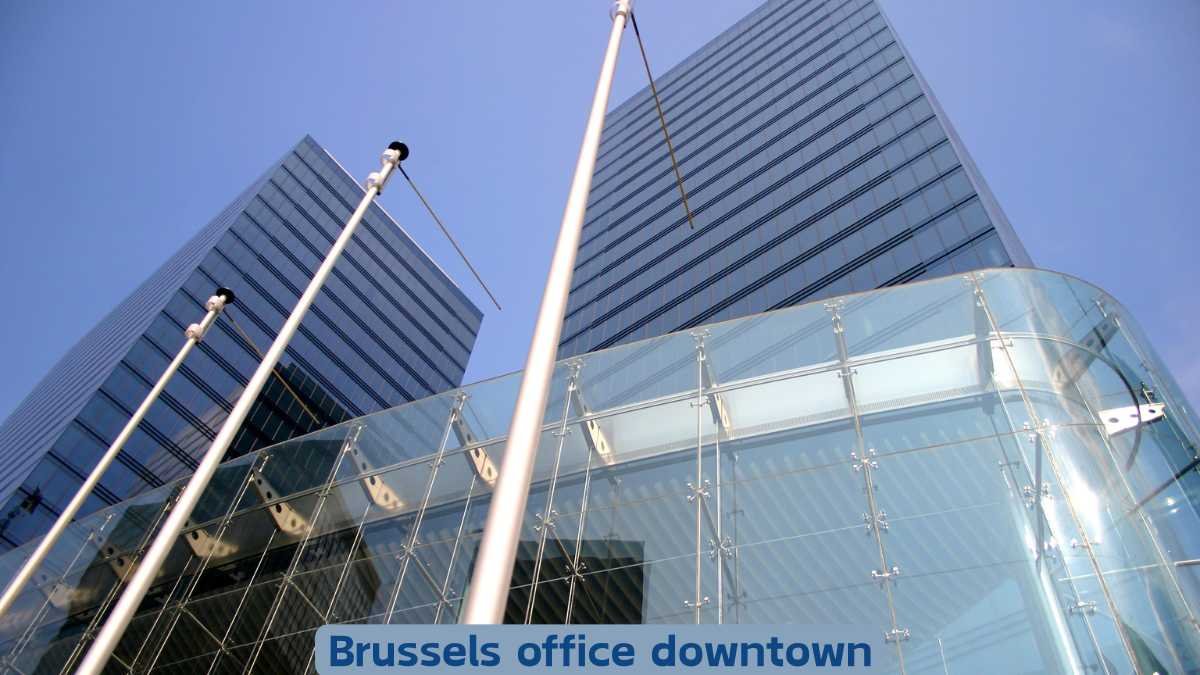
The biggest chunk sits at a single institution: Euroclear, a central securities depository based in Brussels, Belgium.
Euroclear is basically a giant financial middleman that holds trillions of euros of assets for central banks and investors worldwide.
Russia’s Central Bank had stashed around $183-210 billion in bonds and securities there. And, when EU sanctions kicked in on February 28, 2022, all of it got frozen in place.
Here’s a country-level breakdown based on data from the International Crisis Group and G7 assessments:
| Country / Institution | Approx. Amount | Form |
| Belgium (Euroclear) | $183-210 billion | Government bonds, securities |
| Japan | $30-33 billion | Cash in Japanese banks |
| United Kingdom | $31-34 billion | Mixed (sovereign + private) |
| France | $21 billion | Securities, deposits |
| Switzerland | $8-9 billion | Cash, bonds |
| United States | $5 billion | Dollar-denominated assets |
| Germany | $229 million (state only) | Securities (private assets higher) |
| Canada / Australia | Smaller combined figures | Sovereign + private combined |
The U.S. figure looks small given how loudly Washington talks about this issue.
That’s because Russia had already moved a lot of its dollar reserves away from U.S. jurisdiction after the 2014 Crimea annexation, specifically anticipating this kind of risk.
But as we’ll see, that move didn’t protect Russia the way it hoped.
Why Did Russia Even Keep This Money Abroad?
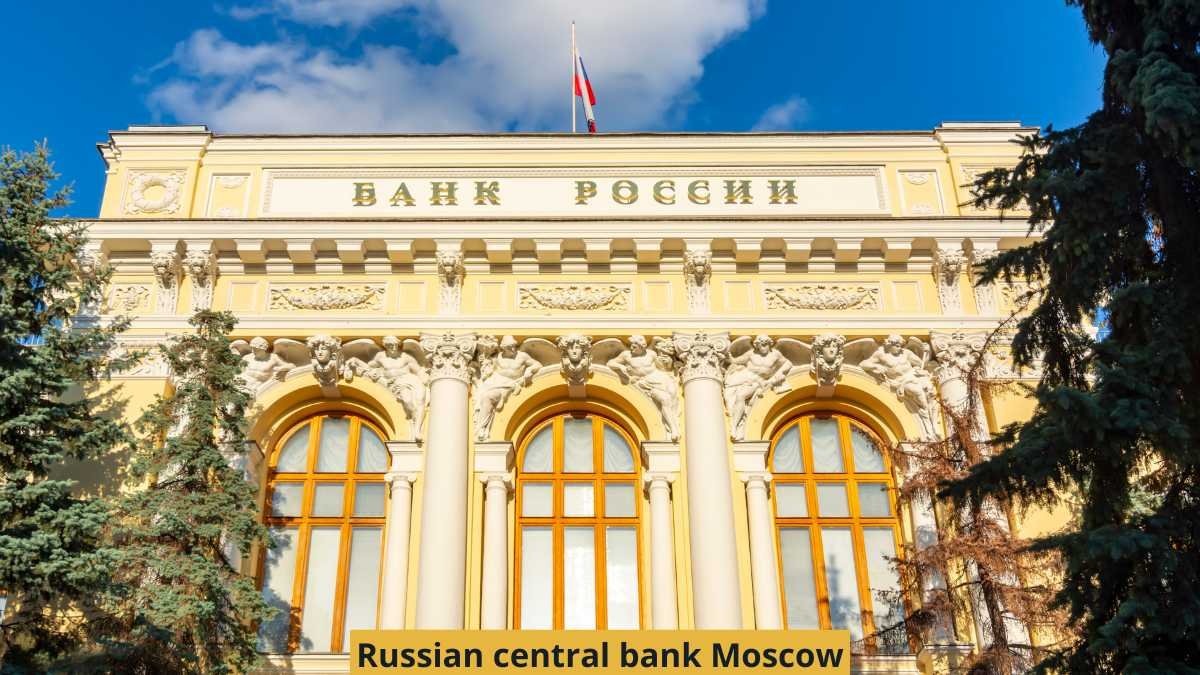
Every central bank keeps foreign exchange reserves abroad, so it’s standard practice.
The IMF reports that roughly 80% of all global reserves are held in U.S. dollars or euros, because those are the currencies you actually need to do international trade.
Russia is an oil and gas exporting economy; its exporters earn dollars and euros.
The Central Bank needs to hold those currencies to manage the ruble’s exchange rate and make sure international payments go through smoothly.
Therefore, keeping everything in gold or Chinese yuan just doesn’t let global trade work at the scale Russia was operating.
After 2014, Russia did start diversifying away from the dollar and reducing its U.S. exposure, and by 2022, it held far less in the U.S treasuries than a decade earlier.
So Russia was being smart about the U.S. risk. But what it didn’t anticipate was Europe moving in lockstep.
That was the real shock, not the freeze itself, but the coordinated G7 action that made euro diversification equally useless.
And here is a more detailed: CSIS confirmed through conversations with senior Russian officials that the Kremlin did not believe the West would move to freeze sovereign assets on this scale.
Freezing another nation’s central bank reserves at this size had essentially no modern precedent. So, Russia miscalculated the political will behind the response.
Frozen vs. Confiscated: Why This Difference Is Everything
Freezing means the assets are immobilized, so they still technically belong to Russia. But Russian accounts are still there and earning interest, but Russia can’t access them anymore.
Confiscation would mean that Russia’s asset ownership will be transferred permanently, most likely to fund Ukraine’s reconstruction.
Sovereign immunity is a core principle of international law; state assets generally cannot be seized by foreign governments without consent.
There are legal arguments being made around countermeasures, but there is no settled consensus.
Belgium, France, Germany, and Italy, which together hold the majority of these assets, have consistently pushed back against outright seizure.
- French President Macron has said international law clearly prohibits it.
- Belgian Prime Minister De Wever went further and described potential confiscation as an act of war.
Meanwhile, the ECB itself has warned that confiscation could push China and Gulf states to reduce their euro-denominated reserves, which will damage the euro’s global standing long-term.
- The U.S. Congress passed legislation authorizing confiscation in 2024.
- The European Parliament passed a non-binding resolution supporting it in March 2025.
But non-binding means nothing changes automatically. And in December 2025, the EU chose caution: member states agreed to joint borrowing to support Ukraine rather than touching the principal.
The assets stay frozen, the legal fight is deferred, and European taxpayers carry the near-term burden.
Interest on Profits: What’s Being Used Right Now
Frozen assets of Russia are still generating returns:
- Bonds pay coupons.
- Securities earn yields.
In normal circumstances, that money would flow to Russia’s Central Bank. But now, they are inside Euroclear, and the EU has been redirecting those windfall profits.
- The first transfer came in July 2024: around 1.5 billion euros, used to buy military equipment for Ukraine through the European Peace Facility.
- A second tranche of 2.1 billion euros arrived in spring 2025.
- A third tranche of 1.6 billion euros followed in summer 2025.
But they’re nowhere near the actual scale of need. Ukraine’s reconstruction costs have been estimated at around $524 billion by the European Parliament alone.
So even if all the frozen assets are transferred tomorrow, it would still barely cover more than half of that.
Russia’s Position: Retaliation Threats and Private Write-Offs
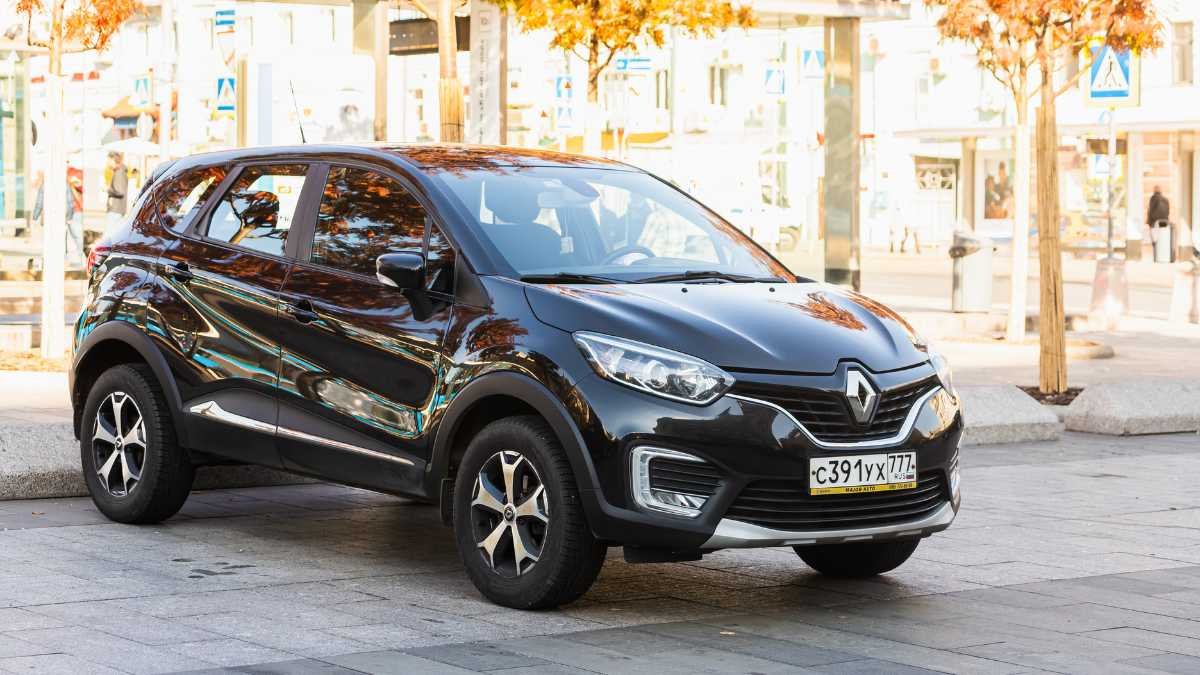
Moscow formally said that if the West confiscates these assets, it will act symmetrically.
Russia’s Foreign Ministry confirmed that there are substantial Western-owned assets inside Russia that could be subject to retaliatory measures.
In practice, Russia has already moved to nationalize assets of companies that existed after 2022.
Renault, Carlsberg, Danone, and dozens of others saw their Russian operations taken over under Russian legal mechanisms. These are seen as a counterbalance in any future negotiation.
But here’s the more interesting detail: Reuters reported in early 2025 that Russia had privately signaled willingness to concede the frozen assets in a peace settlement, only if its territorial demands are met.
Former senior U.S. diplomat Philip Zelikow put it bluntly: “In private, the Russians have already written this money off.”
However, if Russia has already internally accepted losing this money, the threat of confiscation carries less deterrent weight than Western governments might want it to.
Main Reason to Freeze Russian Assets
The main goal was to limit Russia’s ability to fund the war.
On the narrow question of the frozen reserves specifically, Russia wrote off the $300 billion as essentially gone early on.
But Russia still has approximately $580 billion in total gold and foreign currency reserves, the remaining portion held in gold, yuan, and other assets outside Western reach.
Though these sanctions have hurt the Russian economy and also our everyday life, they have not crippling at the macro level.
Russia adapted through trade rerouting via China, India, Turkey, and the UAE. And, high oil prices in 2022, and recently, after the closure of the state of Hormuz, compensated Russia well.
The Carnegie Endowment noted that Russia’s foreign currency earnings by 2024 had returned to close to prewar levels.
The broader sanctions package has done real damage, particularly in technology access, long-term investment, and the cost structure of the Russian economy.
But the frozen assets, specifically, while significant as long-term leverage, didn’t knock Russia out of the financial system the way some analysts predicted in the spring of 2022.
Three Scenarios That Matter Next
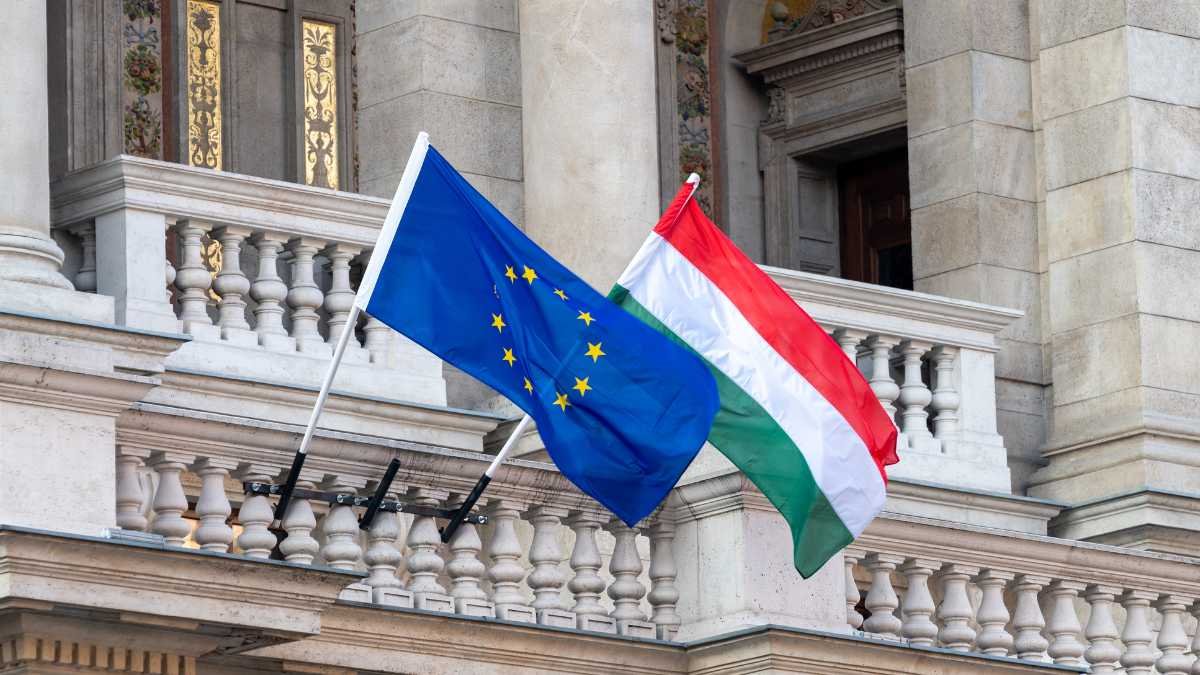
As of 2026, the assets remain frozen, but the EU’s sanctions require unanimous renewal every six months by all 27 member states, and Hungary and Slovakia have periodically threatened to block extensions.
This is a genuine structural vulnerability: if sanctions lapse even once, the money would need to be returned, and this clock ticks every six months.
So, now the most direct path forward is the peace negotiation track. If a ceasefire or settlement happens, the assets become central to the deal.
Russia sees them as something to trade for political concessions; Western governments frame them as reparations owed.
Neither side agrees on that framing, and bridging that gap will be difficult.
Outright confiscation remains unlikely in the near term despite U.S. legislative authorization.
The legal exposure, risk to the euro’s reserve currency status, and the precedent it would set for other countries’ assets held in Western systems all push against it.
German Chancellor Merz’s late 2025 proposal for a 140 billion euro loan backed by the frozen assets is probably the closest model to where this ends up: frozen assets as long-term collateral, not immediate cash out.
From where I sit watching this, the frozen assets story is really two things at once. It’s a financial story about how reserve systems work and how even large economies remain exposed to coordinated Western action.
And it’s a political story about how hard it is to turn financial leverage into actual outcomes when the legal frameworks weren’t designed for this scale of action.
Wrapping Up
The Russian frozen assets picture is bigger and more complicated than the headlines suggest.
Around $280-300 billion in Russia’s Central Bank reserves are frozen across Western jurisdictions, with the vast majority at Euroclear in Belgium.
Russia kept the money abroad because that’s how global finance works, and it didn’t fully anticipate coordinated G7 action.
However, the confiscation is a different legal and political question entirely, and the West still hasn’t resolved it.
In 2026, the assets remain frozen, and some profits have been redirected to Ukraine.
And now the bigger question of the principal is still tied to war outcomes, legal debates, and shifting political will.
Russia has written the money off internally; the West hasn’t decided what to do with it formally.
So it sits, earning interest, generating arguments, and waiting on a peace deal that may or may not ever directly address it.
Frequently Asked Questions
Can Russia somehow get the money back or move it?
No! The assets are immobilized at the institutional level, Euroclear, and the other holding banks physically cannot release them under current sanctions.
Russia cannot access the accounts regardless of what legal moves it tries, because the counterparty is blocked from acting.
Why does Belgium hold so much more than anyone else?
Euroclear is headquartered in Brussels, and it’s one of the world’s largest central securities depositories, holding assets for central banks globally.
Russia’s Central Bank wasn’t specifically choosing Belgium; it was using global financial infrastructure the same way other central banks do.
What’s actually happening with the interest the assets earn?
Since 2024, the EU has been directing the windfall profits to support Ukraine.
Three tranches have been transferred: 1.5 billion euros in July 2024, 2.1 billion in spring 2025, and 1.6 billion in summer 2025.
Could freezing these assets make other countries nervous about keeping reserves in Western systems?
That’s one of the central arguments against confiscation specifically.
The ECB has also warned that formally seizing these assets could push China, Gulf states, and other non-Western economies to reduce their euro holdings, accelerating a structural shift away from Western financial infrastructure.
Freezing was one thing. Permanent confiscation would send a very different message to the global reserve system.

Abraham is the founder and sole writer of Geopolitics Decoded. Based in New Delhi, India, he has been researching and analyzing international affairs since 2019, with a focus on great-power competition, European security, energy geopolitics, and global diplomacy. He is currently pursuing independent coursework in global diplomacy through SOAS University of London. His fact-based, deeply contextual analysis has earned millions of interactions across social media platforms, including Threads and Instagram. Every article on this site is independently researched, written, and verified by Abraham personally. Read Abraham’s full author bio