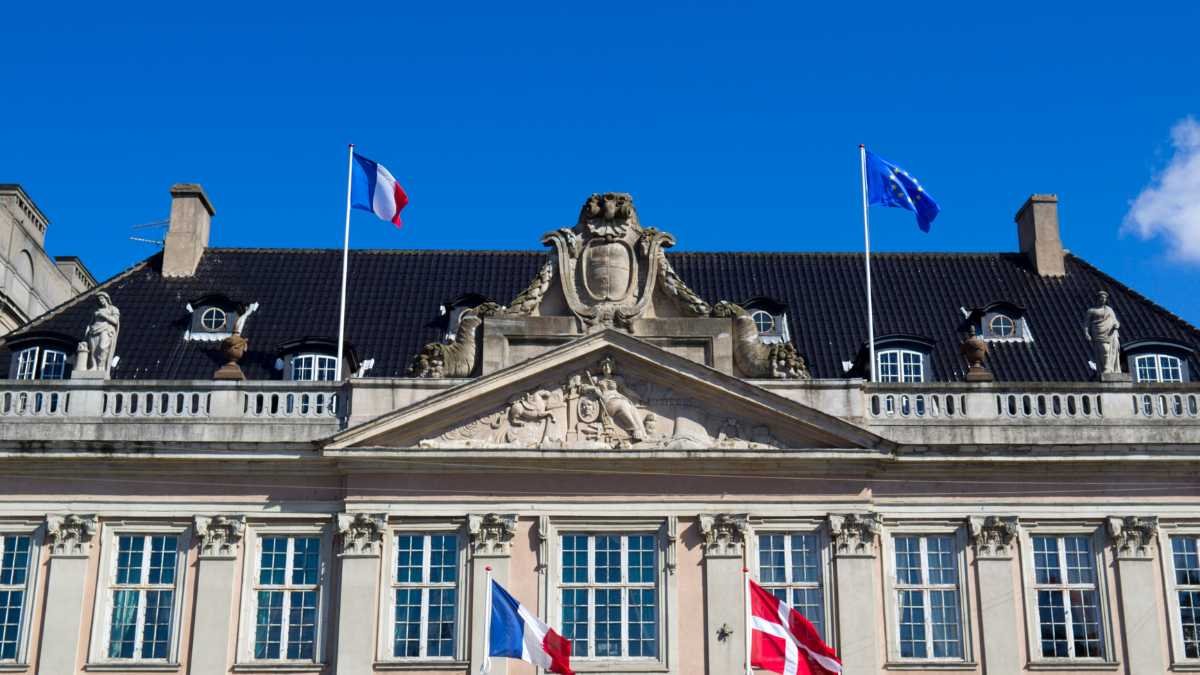
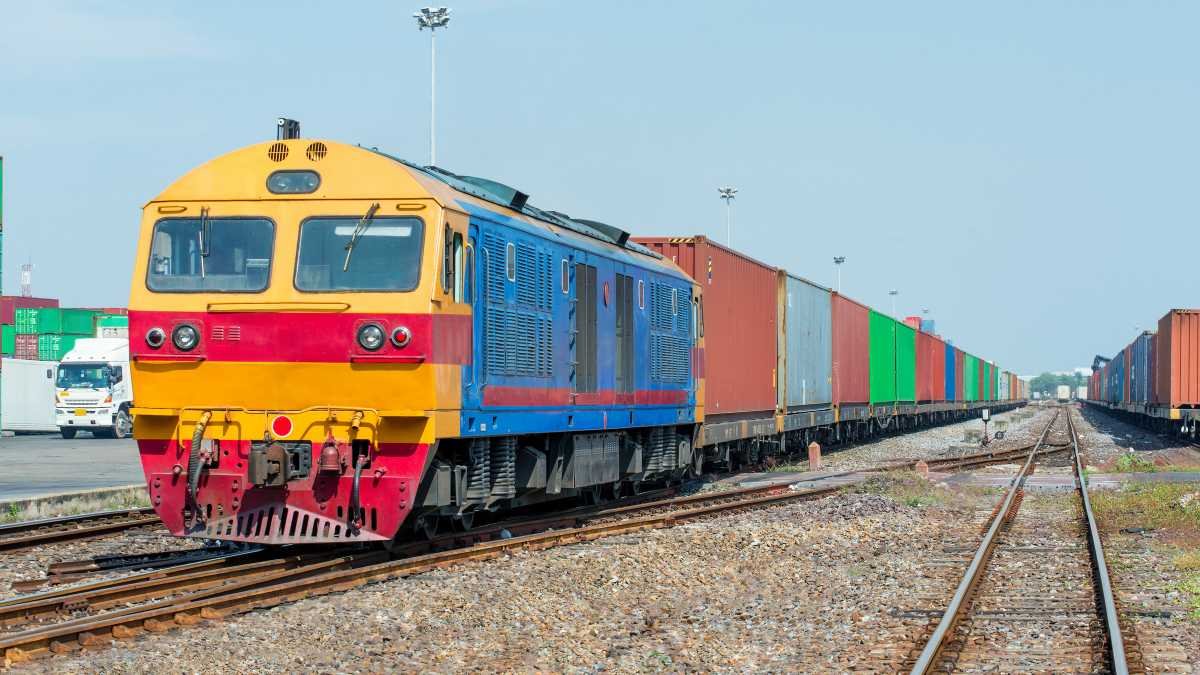
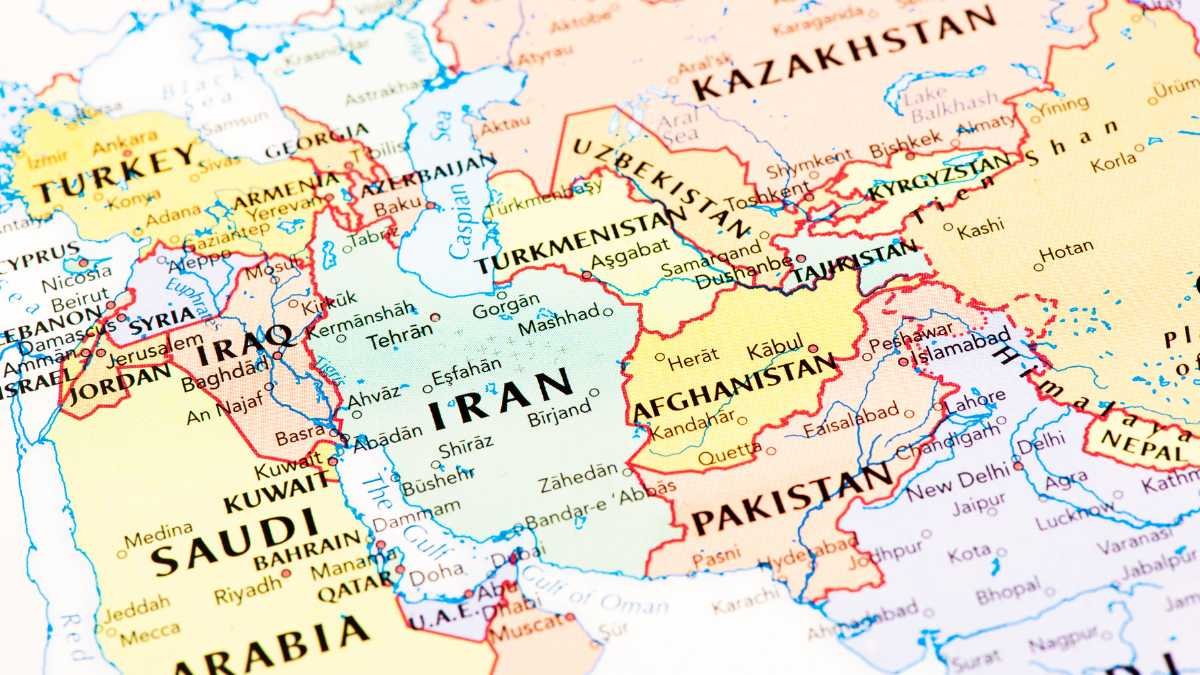
The Middle Corridor, officially known as the Trans-Caspian International Transport Route (TITR), is a multimodal trade network. It links western China to Eastern Europe via Kazakhstan, the Caspian Sea, Azerbaijan, Georgia, and Turkey, spanning roughly 4,000 kilometers.
For years, it was treated as a curiosity, a workaround that could not possibly compete with Russia’s Northern Corridor or the Suez Canal maritime route.
In the eleven months of 2024, cargo volume across the corridor’s Caspian leg jumped more than 63 percent year-on-year, and reached 4.1 million tons.
By end-2025 that figure crossed 5 million tons.
Container traffic, measured in TEUs, is up 36 percent in 2025 compared to 2024, according to TITR Association data.
So what changed? And more importantly, what does it mean in 2026 for China, Europe, Central Asia, and even countries like Russia that built their leverage on controlling the old routes? Let’s now talk about these things.
Why Russia’s Corridor Got Replaced, Not Competed With
The Northern Corridor, running from China through Russia and Belarus into Europe, was the dominant overland route for decades.
It was cheaper, faster, and well-established, and the price to ship a 40-foot container via the Northern route was around $2,800 to $3,200. On the other hand, the Middle Corridor, for comparison, costs $3,500 to $4,500 for the same container. So the Middle Corridor was never winning on price.
What happened on February 24, 2022, that changed the logic
Russia’s full-scale invasion of Ukraine triggered the heaviest cascade of Western sanctions in modern history.
By April 2026, the EU had adopted its 20th sanctions package; any European business routing cargo through Russia was navigating legal minefields, reputational damage, and insurance problems that no freight premium could justify.
For Chinese exporters and Central Asian producers, the Northern Corridor did not disappear technically, but it became operationally unreliable for anyone with EU clients or Western banking relationships.
A container cleared to go through Russia is now a compliance risk.
What the Middle Corridor Looks Like as a Trade Route
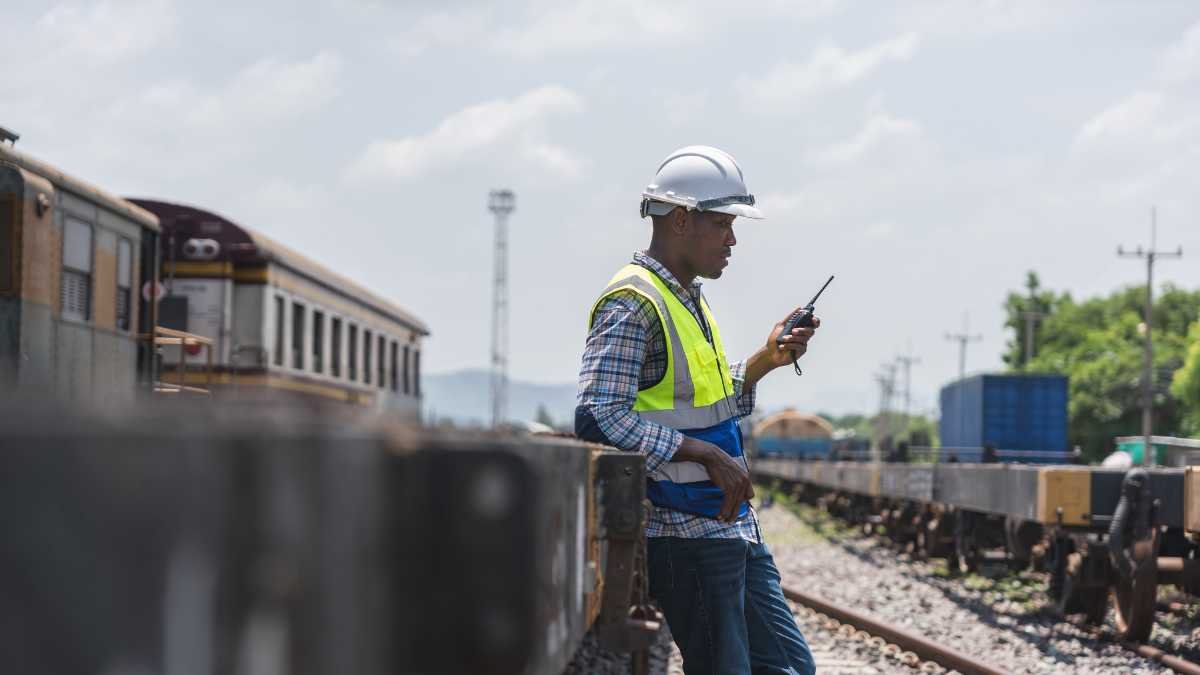
This is multimodal, meaning it combines rail, ferry, and road.
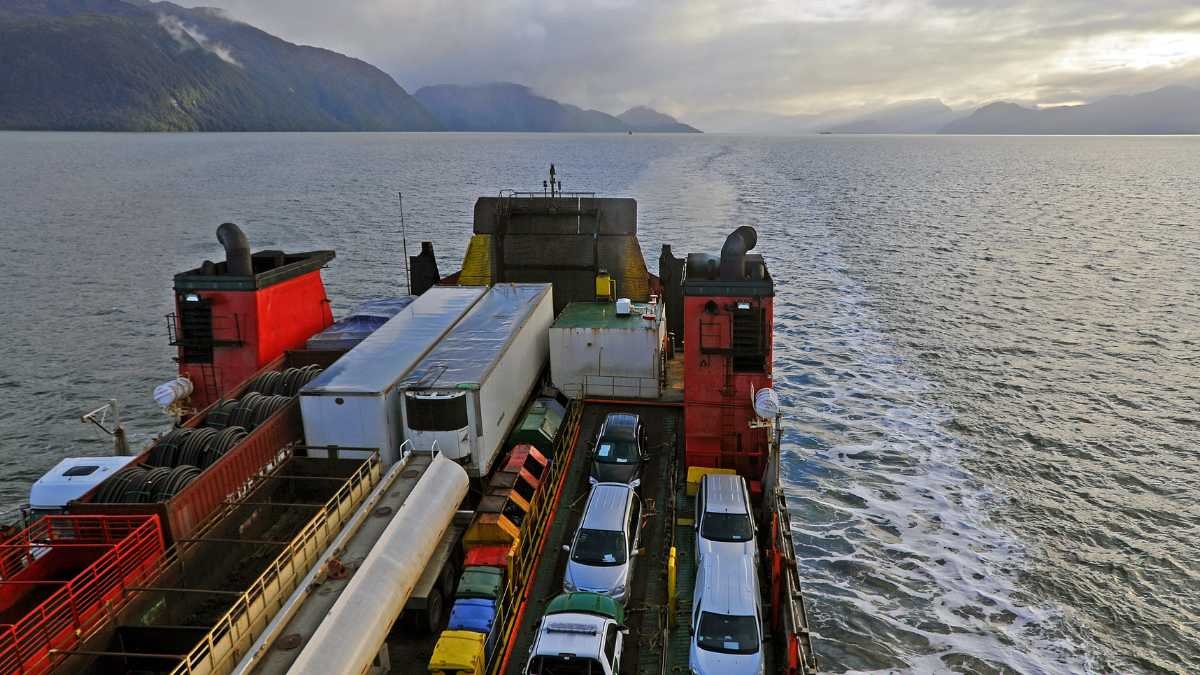
Goods leave from Chinese cities like Xi’an or Chongqing by rail into Kazakhstan, cross the Caspian Sea by Ro-Ro ferry from ports like Aktau or Kuryk, then continue by rail through Azerbaijan, into Georgia, across the Black Sea, and into Turkey or the EU.
Transit time now runs between 13 to 17 days on good runs, with an average closer to 15 days.
While the Suez route typically takes 28 to 40 days, and since late 2023, many carriers rerouting around Africa’s Cape of Good Hope have been clocking 40 to 55 days.
So the Middle Corridor’s time advantage becomes very real for high-value or time-sensitive cargo.
But yes, there is also a challenge, which is the Caspian Sea crossing; it’s a genuine bottleneck, actually.
Fleet capacity has been the weak link, but Azerbaijan is addressing it: plans call for adding 10 more Ro-Ro vessels by end-2026, which would boost Caspian ferry capacity by up to 70 percent.
Kazakhstan, Azerbaijan, and Turkmenistan are also building newer vessels domestically for the first time.
8 Strategic Importance of the Middle Corridor
1. Europe’s Supply Chain Independence
The EU’s core problem since 2022 is dependency, specifically on Russian routes for goods and Russian energy for factories, and even in 2026, Europe is going through an energy crisis.
So this Middle Corridor addresses the trade dependency directly; the EU has also committed around €12 billion through its Global Gateway initiative for Central Asia, with €3 billion earmarked specifically for Trans-Caspian transport infrastructure.
Brussels also pledged €2.5 billion for critical raw materials from the region.
At the November 2025 Trans-Caspian Connectivity Forum in Uzbekistan, EU Commissioner for Enlargement Marta Kos stated directly that cargo along the Middle Corridor had grown four-fold between 2022 and 2025, and that by 2030 it could triple again with the right investment.
2. Kazakhstan’s Geopolitical Leverage
Kazakhstan has become one of the most useful countries in Eurasia; almost every China-Europe overland train passes through its territory.
The Khorgos Dry Port on the China-Kazakhstan border alone handled more than 2,000 China-EU trains.
And the country is not just a pass-through: Kazakhstan also holds around 5,000 mineral deposits valued at roughly $46 trillion, including 19 of the 34 critical minerals the EU needs for green technologies like batteries and wind turbines.
EU-Kazakhstan mutual trade reached $50 billion in 2024, and European investment there has exceeded $200 billion since 2005.
China invested $23 billion in Kazakhstan in the first half of 2025 alone.
Astana is running a multi-vector diplomacy: balancing Russia, China, the EU, and the US at the same time, and using the corridor as leverage with all of them.
3. Azerbaijan’s Economic Transformation Play
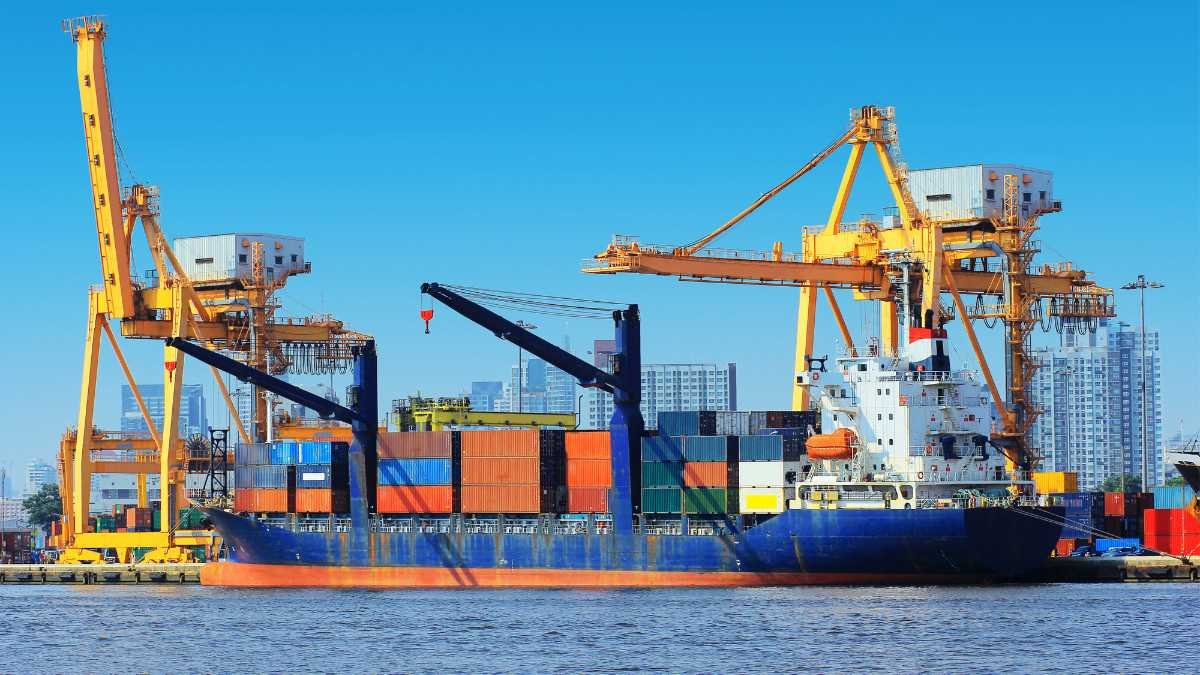
Azerbaijan is the corridor’s western Caspian anchor; its Alat seaport, Baku’s main freight hub, saw container turnover grow 40.8 percent between January and November 2025.
Azerbaijan Railways (ADY) handled 350 block trains from China in that same period, a 34 percent year-on-year increase.
Baku is deliberately repositioning from an oil economy to a transit economy; the Baku-Tbilisi-Kars (BTK) railway, which connects the Alat port through Georgia to Turkey, completed modernization in 2025.
4. The Washington Peace Deal and the Zangezur Corridor
On August 8, 2025, Armenian Prime Minister Nikol Pashinyan and Azerbaijani President Ilham Aliyev signed the Washington Peace Declaration with Donald Trump as mediator.
The deal ended more than 30 years of conflict and opened the way for the Trump Route for International Peace and Prosperity (TRIPP), also known as the Zangezur Corridor.
The TRIPP is a 43-kilometer corridor through southern Armenia linking mainland Azerbaijan to its Nakhchivan exclave, with roads, energy pipelines, fiber optic cables, and power lines.
Once fully operational, this will become a direct extension of the Middle Corridor into Turkey.
Analysts estimate it could reduce transit times from Central Asia to Europe by up to 40 percent, and generate billions in annual transit revenue for Armenia and Azerbaijan both.
As of April 2026, Kazakhstan and Azerbaijan are moving to sign a formal intergovernmental agreement institutionalizing the corridor.
5. China’s BRI Gets a Russia-Proof Lane
China’s official interest in the Middle Corridor is, ironically, more muted than Kazakhstan’s or Europe’s.
Beijing still prefers the Northern route and its direct relationship with Moscow, but China is not stupid about risk.
The ongoing Western sanctions on Russia mean any Chinese exporter using Northern Corridor logistics faces downstream compliance friction at the European end.
Chinese cargo now accounts for 60 percent of container traffic through the Middle Corridor.
The China-Kyrgyzstan-Uzbekistan railway, expected to be completed by 2026, will add a second direct feed into the corridor from China’s west.
Beijing has also invested $24.3 billion into Central Asian infrastructure through BRI channels in the first half of 2025.
6. The Strait of Hormuz Factor
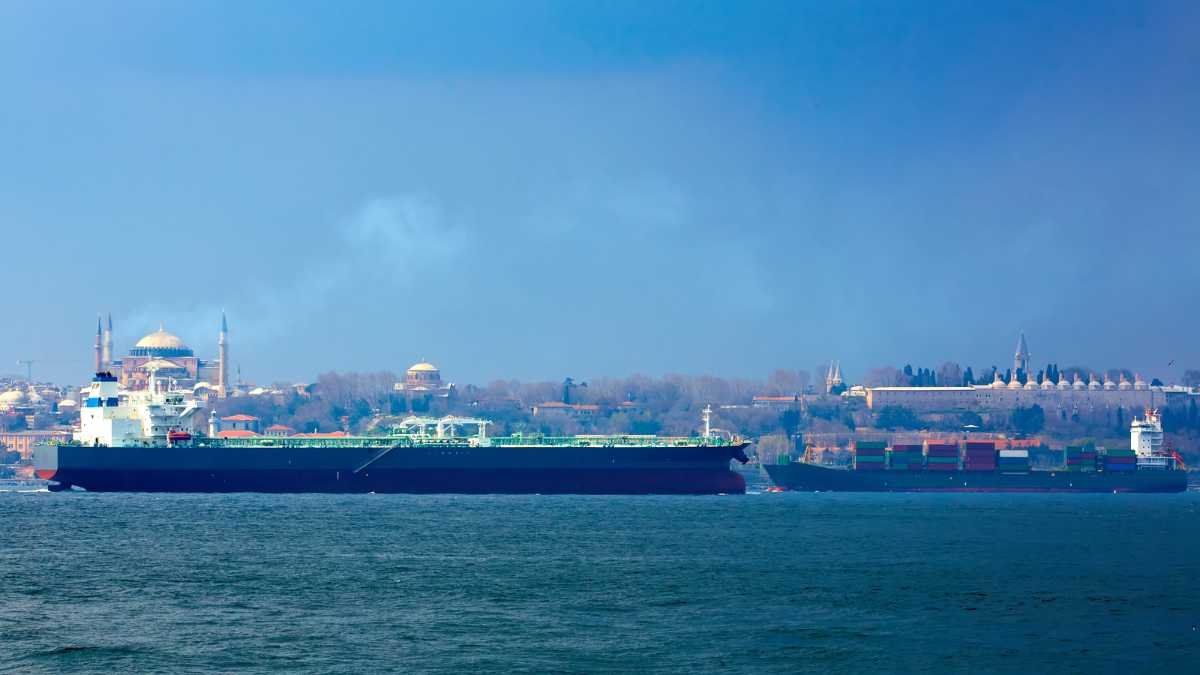
After the US-Israeli conflict with Iran, the Strait of Hormuz was closed, and because of that, prices were hiked.
And, to absorb that, the Middle Corridor was designed.
So, when the Suez route is risky, and the Hormuz route is closed, an overland corridor through Central Asia is the only commercially viable fast option.
The Caspian Post reported that in just one week following the Hormuz disruption, traffic on the Middle Corridor increased 35 percent, with train queues stretching for kilometers at border crossings.
So, this is what strategic importance looks like in practice.
7. Central Asia’s Escape from the Value-Added Trap
Historically, Central Asian countries exported raw materials, mostly into China as unprocessed ore, and lost roughly five times the potential revenue by not processing domestically.
This is what analysts call the “Value-Added Trap”: shipping dirt instead of refined metal.
The Middle Corridor is changing this calculus, because now there is a viable export route to Europe that bypasses China, Kazakhstan, and Uzbekistan, and they have leverage to negotiate better terms, attract Western processing investment, and export finished or semi-finished materials rather than raw concentrates.
In June 2025, the EU announced its first 13 strategic raw material projects outside the EU, one of which is Kazakhstan’s Sartyogan Project for battery-grade graphite.
8. Turkey as the Western Gateway
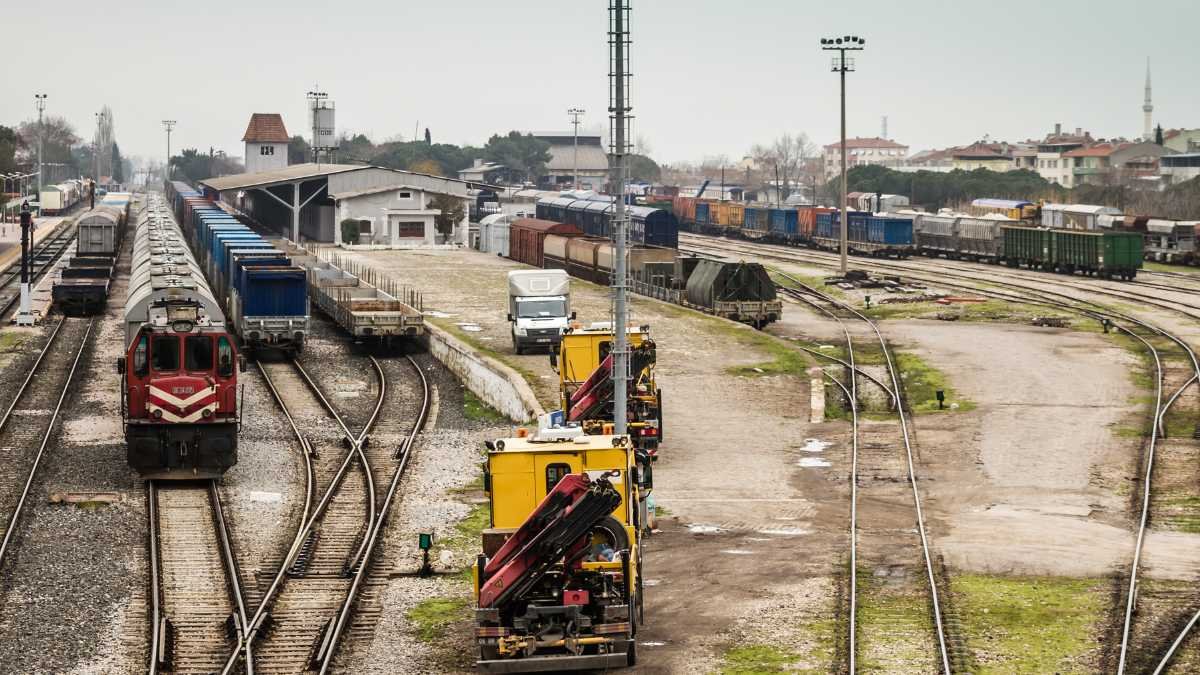
Turkey connects the Middle Corridor to European rail networks and Mediterranean ports, its bridge between them.
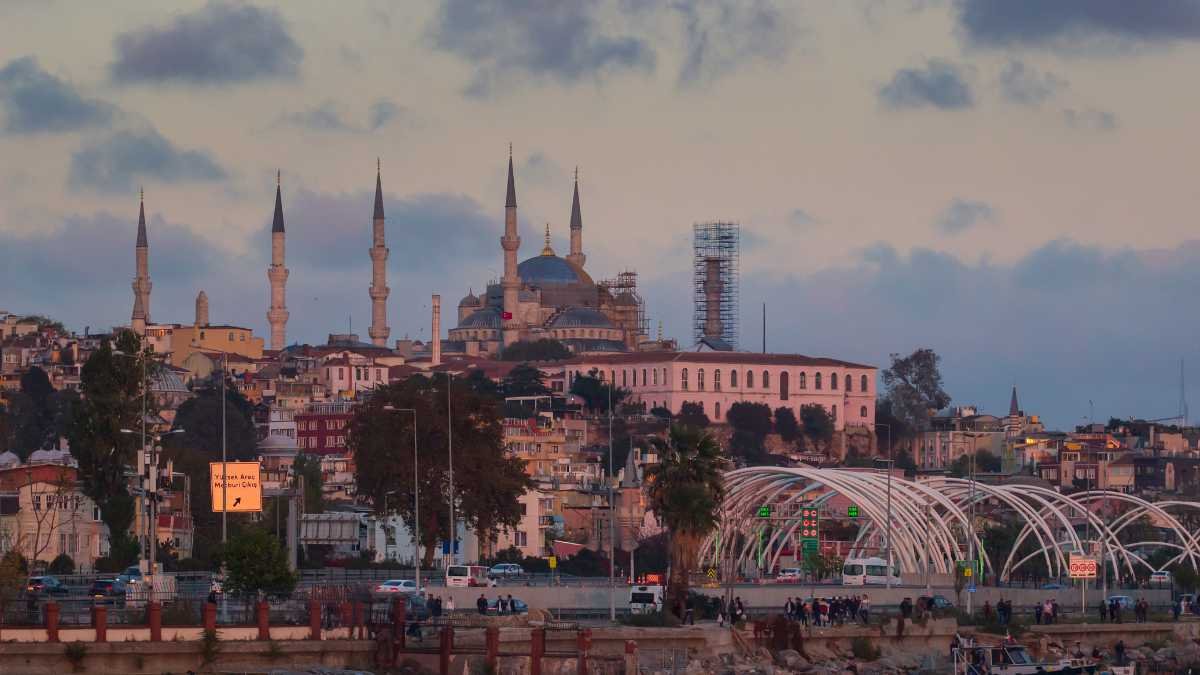
So, from the Baku-Tbilisi-Kars railway, goods from Central Asia can easily reach Istanbul and then continue into Europe.
Ankara has positioned itself as a corridor hub through the Organisation of Turkic States (OTS), leveraging its linguistic and cultural ties with Kazakhstan, Azerbaijan, Uzbekistan, and others.
The Middle Corridor is partly a Turkic-state infrastructure project, and Turkey is the exit door toward Europe.
Problem with Middle Corridor Trade Route

The Carnegie Endowment published a sharp April 2026 analysis calling the Middle Corridor a route with a potential “limited shelf life” if structural problems are not fixed. Here is what they mean:
- The Caspian Sea is shrinking.
- Climate change has been reducing its water levels progressively, which threatens ferry operations at Aktau and Kuryk.
- Dredging is underway, but it is an ongoing cost, not a one-time fix.
Also, the Anaklia deep-sea port project, which would transform Black Sea transit capacity, has been stalled for years in political paralysis. Without it, cargo has to transship across the Black Sea by ferry, which will add time and cost.
Border crossing delays are also a problem, particularly between Kyrgyzstan, Kazakhstan, and Uzbekistan, where the absence of integrated digital customs systems means paperwork bottlenecks that can extend transit times to 40 days on bad runs.
Digital customs harmonization is in progress, but as of mid-2026, it remains inconsistent.
Capacity is also still far smaller; if we compare it to the Northern Corridor, the Middle Corridor currently handles around 5 percent of the Northern route’s volume.
Even with the current growth trajectory, the EBRD estimates $18.5 billion in additional infrastructure investment is needed just to reach its 2040 target of 130,000 TEUs annually.
There is also a big question about governance: a large share of the infrastructure investments along the corridor are still financed by Chinese capital.
So, it raises legitimate strategic concerns for Western partners about long-term access and influence over a route they are counting on as an alternative to Russian dependency.
Countries That Win and Who Lose with This Corridor
Kazakhstan wins the most
It’s the corridor’s largest node, its minerals are the corridor’s most valuable cargo, and it has managed to stay non-aligned while collecting investment from every direction.
The Belfer Center described it well: Brussels committed around $14 billion to the corridor’s development in 2024-2025 alone.
Kazakhstan is also the country that most controls its own narrative here, including carefully avoiding public criticism of China’s Xinjiang policies, where about one million ethnic Kazakhs live.
Azerbaijan wins significantly too
It converts its geography into a post-oil identity; the TRIPP deal was a diplomatic masterstroke that brought American patronage, Armenian cooperation, and a formal role in a US-backed trade route, all at once.
Turkey
Turkey benefits by becoming the western gateway, but Turkey’s benefit is more structural than dramatic.
It was always going to be the land bridge into Europe.
Russia loses some leverage
Moscow still earns on the CPC pipeline route for Kazakh oil, and Kazakhstan still pipes around 80 percent of its oil through Russian territory via the Caspian Pipeline Consortium to Novorossiysk.
But Kazakh oil transiting through Azerbaijan has already reached 4 million tons in 2025, with projections of 5-6 million tons in 2026 and potentially 9-10 million tons by 2027.
So, Russia is watching its transit income erode in slow motion.
Iran is the quiet big loser
A functional Middle Corridor that bypasses both Russian territory and the Strait of Hormuz removes Tehran’s geographic leverage over East-West trade almost entirely.
The TRIPP route through Armenia specifically avoids Iran. That is not accidental.
Future of This Middle Corridor
The Middle Corridor is not even closer to the Northern Corridor, but it has broken the monopoly logic of Eurasian trade.
Before 2022, Europe and China had basically one serious overland option, and that option ran through Russia, which triggered the most comprehensive trade sanctions a few years back.
What exists now is an alternative with momentum, investment, and geopolitical backing from multiple major powers.
As I said before, Carnegie analysts are right that it has hard constraints: the Caspian shallowing, Georgia’s Anaklia problem, and the digital customs gap.
But the World Bank’s target of tripling freight volumes and halving transit times by 2030 is based on actual infrastructure plans.
China Will Have a Stronger Grip
The wildcard that I am watching is China’s long-term financing grip: if Beijing ends up owning the infrastructure that European supply chains depend on for their Russia-bypass route, that is not supply chain independence; that is just a different dependency.
Though the EU knows this too, which is why its Global Gateway investments in the corridor are being treated as strategic.
Central Asia’s window is good, but it is time-limited, because if a Russia-Ukraine peace eventually restores the Northern Corridor, the urgency driving Western investment into the Middle Corridor will fade at some point.
For Kazakhstan and Azerbaijan, the question will be: can they convert the current attention into domestic industrial capacity before that window closes?
FAQs
Does China actually want the Middle Corridor to succeed, or is it just along for the ride?
China’s position is complicated, because it still prefers the Northern route as it gives more direct leverage with Russia and less exposure to Western-aligned logistics chains.
But Chinese exporters are pragmatic: 60 percent of Middle Corridor container cargo is Chinese.
Beijing is investing in corridor infrastructure through BRI while officially keeping its enthusiasm measured.
Will the Northern Corridor come back if there is ever a Russia-Ukraine peace deal?
Probably yes, but not fully; the EU’s 20th sanctions package as of April 2026 covers far more than just the war, and there is deep institutional skepticism about restoring Russian logistics dependency.
More importantly, the infrastructure built for the Middle Corridor will not disappear.
Why is the Caspian Sea a problem for the corridor and not just a route through it?
The Caspian is a closed inland sea, meaning cargo cannot just sail freely.
Ferry schedules are limited, weather disrupts crossings, and the sea has also been shrinking due to climate change, which reduces port depth at Aktau and Kuryk.
Unlike a river or a canal, there is no engineering fix that can make it a smooth transit point.
Plus, it adds time variability that rail-only routes do not have, which is why the 13-day fastest runs and 40-day delayed runs exist within the same corridor.
Is the EU actually investing in the Middle Corridor or just talking about it?
Both have a €12 billion Global Gateway commitment for Central Asia and also include specific transport funding.
In June 2025, the EU named its first 13 strategic raw material projects outside the EU, one of which is in Kazakhstan.
But EU disbursements still lag well behind Chinese capital flows in the region.
The CSIS noted this gap directly: EU investments are in early stages while BRI money has already moved.

Abraham is the founder and sole writer of Geopolitics Decoded. Based in New Delhi, India, he has been researching and analyzing international affairs since 2019, with a focus on great-power competition, European security, energy geopolitics, and global diplomacy. He is currently pursuing independent coursework in global diplomacy through SOAS University of London. His fact-based, deeply contextual analysis has earned millions of interactions across social media platforms, including Threads and Instagram. Every article on this site is independently researched, written, and verified by Abraham personally. Read Abraham’s full author bio