
If a country goes to the IMF and asks for a loan, the IMF gives some conditions, and those conditions can also reshape how a country runs its economy.
IMF conditionality examples from Argentina, Indonesia, South Korea, Pakistan, and post-Soviet Eastern Europe show that conditions are not always the same for every nation; they are different and change over the decades.
So, we can’t say whether IMF conditions help or hurt, because it depends on the country, the timing, and how the government handles the political blowback.
What IMF Conditions Look Like
Before the examples, you have to understand what these conditions typically are, because they follow a pattern.
The IMF generally asks for:
- cut government spending,
- Raise interest rates to defend the currency
- Reduce or remove subsidies (especially fuel and food)
- Privatizing state-owned companies,
- Opening the economy to foreign investment
- Let the currency devalue to market rates.
This whole package was largely built on what the Washington Consensus, a set of free-market reform ideas that dominated policy from the late 1980s through the 1990s.
Consensus logic was that these reforms would fix the structural problems causing the crisis, in a nation that is asking for an IMF Loan.
The 1997 Asian Crisis: Three Countries, Three Very Different Results
We had a financial crisis in our continent, which we also call the 1997 Asian financial crisis. It is probably the most studied set of IMF conditionality examples in modern history.
At that time, currency collapse spread in Thailand across Southeast and East Asia quickly. And Indonesia, South Korea, and Thailand all went to the IMF. Malaysia did not.
South Korea
South Korea got a $58.4 billion package in December 1997, which was the largest IMF bailout at the time.
The conditions included:
- Closing non-viable banks
- Raising interest rates
- Open financial markets to foreign ownership.
These crises were too painful, and the unemployment nearly tripled between 1997 and 1998.
But South Korea had a relatively strong institutional base and a government that moved quickly.
By 2000, the economy had recovered, and South Korea repaid the IMF ahead of schedule in August 2001.
Indonesia
Indonesia got a $43 billion package from the IMF, and these were the conditions:
- Ask the Government to cut fuel and food subsidies almost immediately (it was the biggest political disaster at that time)
Cutting subsidies in a country where millions of people live created many problems.
Suharto, who had ruled Indonesia since 1967, fell from power in May 1998, which was a result of the IMF Loan, and the GDP contracted by 13.5% that year.
The World Bank’s own retrospective acknowledged that the speed and sequencing of the reforms were poorly handled.
Indonesia eventually recovered, but it took until 2003 to get back to 1997 GDP levels.
Malaysia
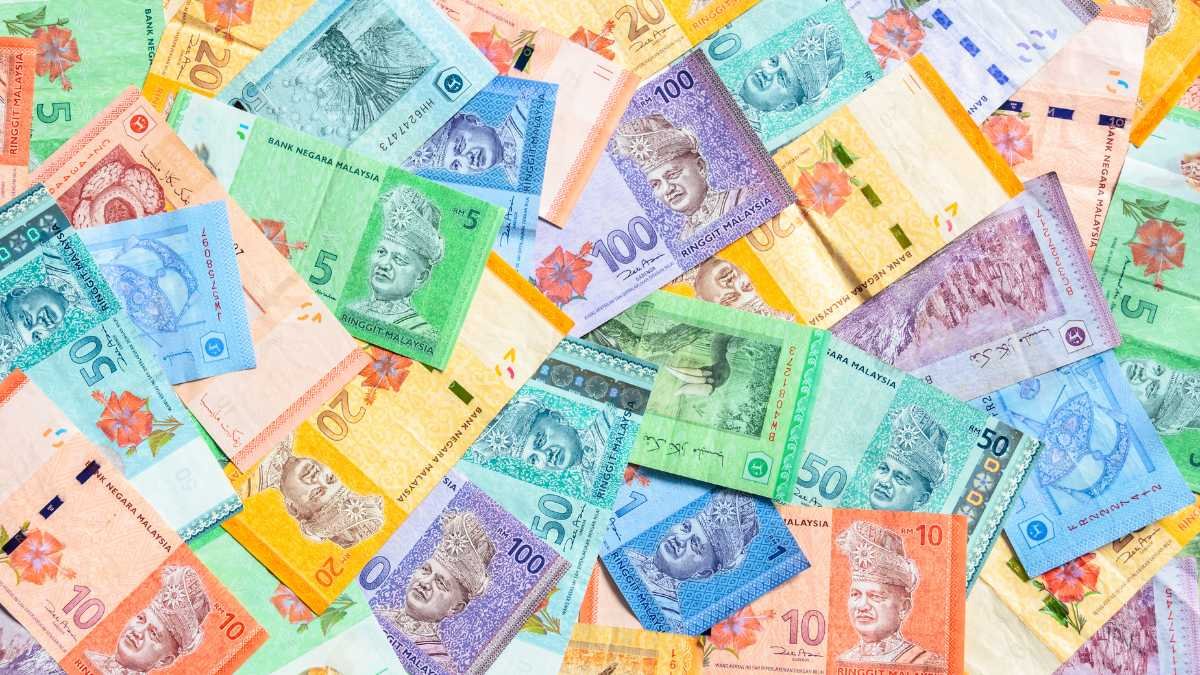
Malaysia is the one that challenged IMF orthodoxy. Prime Minister Mahathir Mohamad refused IMF help, and in September 1998, he imposed strict capital controls, pegging the ringgit to the dollar and blocking short-term capital from leaving.
The IMF and Western economists said this would fail, but it did not.
Malaysia’s recovery was faster than Indonesia’s and happened without the political collapse.
Though Malaysia also had different fundamentals coming into the crisis, it is not a perfect comparison.
IMF Conditions Made a Bad Situation Worse in Argentina
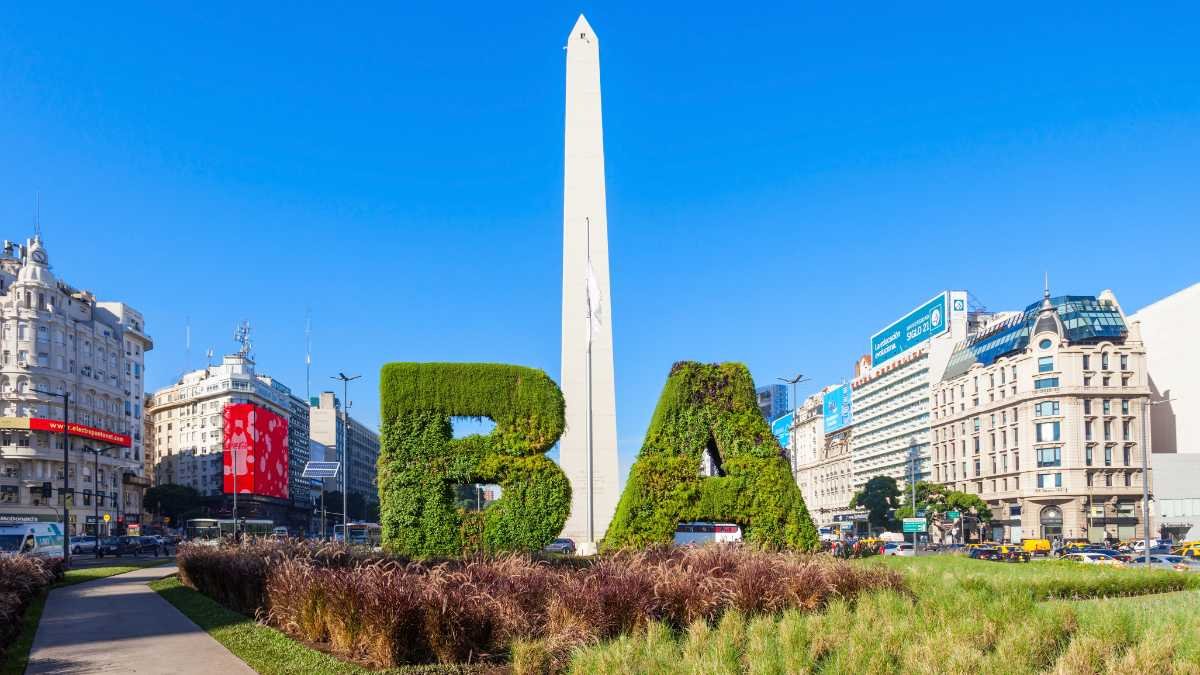
Argentina, through the 1990s, was praised as an IMF success story because it had pegged its peso to the dollar in 1991 through a currency board system, inflation was controlled, and the economy grew for most of the decade.
The IMF was supportive throughout this period, but about a decade later, it all fell apart.
By 2001, Argentina was in a deep recession, unemployment was above 18%, and the government could not meet its debt obligations.
On the other hand, the IMF kept pushing for more fiscal cuts even as the economy shrank.
In December 2001, the Argentine government froze bank accounts in what became known as the “corralito,” meaning people literally could not access their own money. (Imagine yourself there, you can’t get your own money, how hard was that for people?)
Argentina defaulted on roughly $100 billion in debt, the largest sovereign default at that point in history, and its GDP fell around 11% in 2002.
How did Argentina recover and pay the Loan?
Argentina broke the dollar peg, let the peso devalue massively, defaulted on IMF debt, and started a slow recovery through commodity exports.
By 2006, President Kirchner paid back the entire IMF debt of $9.8 billion in one lump sum and made a public event out of it.
The IMF’s own internal evaluation office later concluded that the Fund had maintained an unsustainable program in Argentina for too long and that the fiscal targets imposed were unrealistic given the economic contraction already underway.
Post-Soviet Eastern Europe Results
After the Soviet Union collapsed in 1991, a wave of Eastern European and former Soviet states went through IMF programs.
This approach is also known as “shock therapy,” which pushes countries from state-controlled to market economies as fast as possible.
Poland
Poland adopted rapid reforms starting in January 1990, which is also called the “Big Bang.”
It was painful in the early years because it raised unemployment and contracted GDP.
But Poland had some structural advantages: a strong civil society, proximity to Western Europe, and political will across parties.
By the mid-1990s, Poland was growing faster than almost any economy in Europe.
Russia 1998
Russia had been through IMF programs since the early 1990s.
In July 1998, the IMF, World Bank, and G7 put together a $22.6 billion package to help Russia stabilize the ruble (its currency).
Within six weeks, Russia defaulted anyway, devalued the ruble in August 1998, and the financial system nearly collapsed.
The IMF’s projections for Russia’s fiscal position were based on unrealistic oil price assumptions.
When oil prices were low, the numbers simply did not work. But, Russia recovered, largely because oil prices rose after 1999, so here I will personally give more credit to OIL PRICES than to IMF reforms.
Pakistan and the IMF Relationship
Pakistan has been in more IMF programs than almost any other country. As of 2024, Pakistan has entered 23 IMF programs since 1958.
And the most recent was a $3 billion standby arrangement in 2023, which then extended into 2024.
Each time, the IMF conditions for Pakistan are similar:
- Raise energy prices (Pakistan subsidizes electricity and gas heavily)
- Broaden the tax base
- Let the rupee depreciate
- Cut the fiscal deficit.
Each time, the Pakistan government agrees, no matter which government is in power, they implement conditions partially, things stabilize somewhat, and then the next government walks back some reforms, and then Pakistan is back at the IMF’s door.
I noticed one thing from this pattern: the IMF programs can stabilize a crisis in the short term without fixing the underlying structural problems, especially when the political will to sustain reforms is inconsistent.
Pakistan’s energy sector circular debt, its narrow tax base, and its military’s Influence on the budget are not things any IMF program has actually fixed.
How IMF Conditionality Changed Between 1990 and 2020
In the 1990s, the Washington Consensus approach was dominant:
- Fiscal cuts
- Privatization
- Liberalization
The Asian crisis and the criticism that followed started changing these things.
By the early 2000s, the IMF began including more explicit protections for social spending in its programs.
It acknowledged that cutting everything, including health and education, was not the right thing.
There was also more attention paid to sequencing, because the order in which reforms happen matters a lot.
After 2010, two more things shifted:
- IMF economists, including Olivier Blanchard, published research showing that fiscal multipliers during recessions are larger than previously assumed, which means cutting government spending during a downturn shrinks the economy more than models had predicted.
- Second, the Fund acknowledged that capital controls, long considered taboo, could sometimes be a legitimate tool.
- In 2012, the IMF formally published an institutional view on capital flows that accepted this, a direct reversal from 1990s orthodoxy.
During COVID in 2020, the IMF moved even further. It extended emergency financing to over 80 countries with reduced conditionality because the crisis was external and not caused by domestic policy failures.
Countries That Found Other Options (and What Those Options Are)
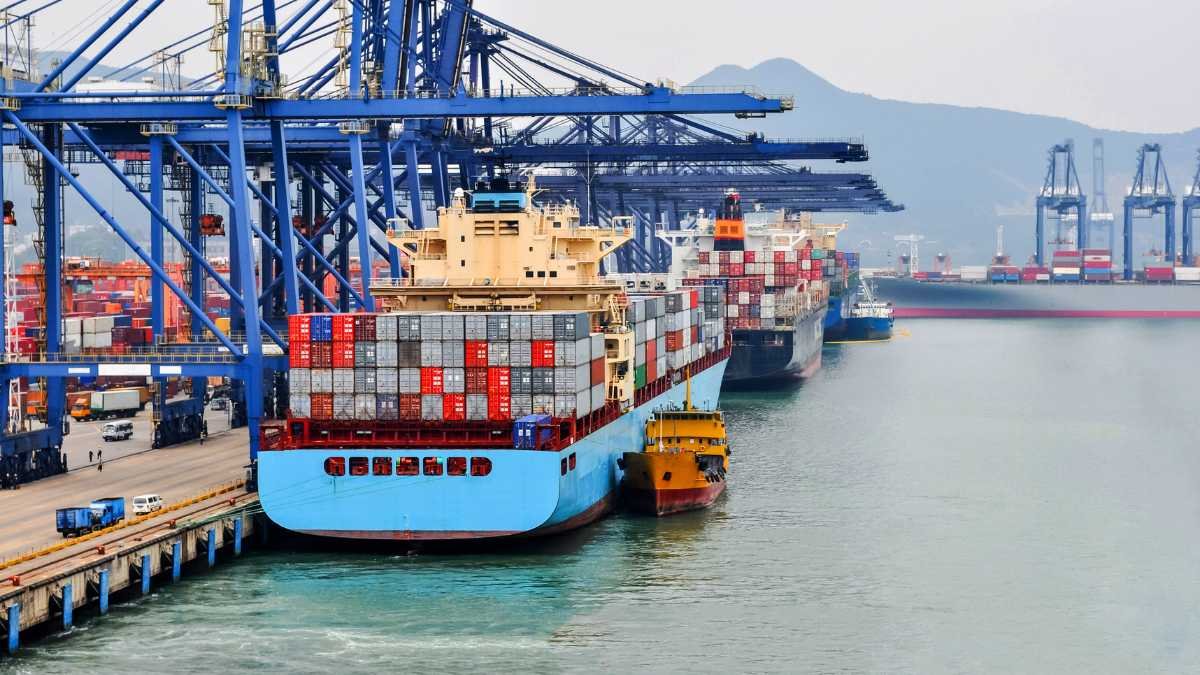
There are also countries that have rejected IMF help or found alternatives.
Bolivia, under Evo Morales, paid off its remaining IMF debt in 2006 and asked the Fund to close its office in La Paz.
Bolivia then nationalized its gas industry and used those revenues to fund social programs.
Their growth was good through the commodity boom years of the late 2000s.
Ecuador under Rafael Correa defaulted on foreign debt in 2008, calling it “illegitimate,” and then negotiated a buyback of that debt at a steep discount before eventually returning to international markets.
China is Now Becoming a Good Alternative to the IMF
Many lower-income countries have turned to China as an alternative lender, primarily through Belt and Road Initiative financing.
Chinese loans typically come with fewer conditions on domestic policy. But they come with other risks:
- less transparent terms
- Concerns about debt sustainability
- And in some cases, infrastructure assets that serve Chinese strategic interests more than local development needs (remember Hambantota)
Zambia’s debt crisis and negotiations in 2023 show how complicated Chinese debt restructuring can get.
The New Development Bank (the BRICS bank) and the Asian Infrastructure Investment Bank also offer alternatives, though they are much smaller compared to the IMF lending capacity.
BRICS is expanding too, and you can read more about the BRICS expansion, impact, and Influence. I have covered a lot of things, and maybe in the future they will have a much bigger Bank, and they can give a larger amount of information that will be needed.
Countries Under Sanctions: Iran, Russia, and Why the IMF Isn’t Even an Option
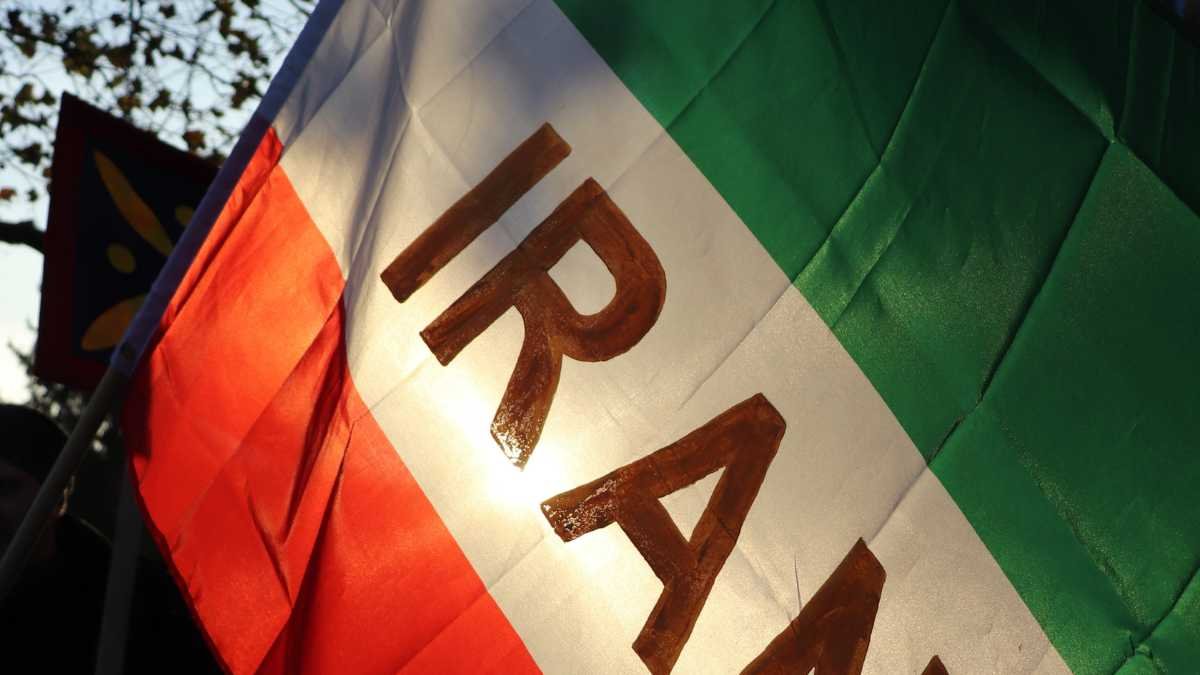
Iran has over $100 billion in frozen foreign assets, and Russia has approximately $300 billion in central bank reserves frozen by Western countries after February 2022.
These countries don’t just choose not to go to the IMF, and that’s because they cannot.
To get a loan from the IMF, a nation should not have any sanctions, and it must maintain functional relationships with the international financial system.
Iran has been cut off from SWIFT, the global banking messaging system, since 2012.
Russia’s central bank assets held in Western custodians were frozen, and their use is now being debated for Ukraine’s reconstruction.
These are extreme cases, but they show that the IMF option does not exist for every country in crisis.
You can read more about the Swift ban on Russia’s impact here. I’ve covered a lot of things about it.
What do sanctioned Russia, Iran, and others do if they cannot get loans from the IMF?
They rely mainly on bilateral trade, barter arrangements, and alternative currencies.
In Russia’s case, its own commodity exports are denominated in rubles or yuan.
On the other hand, Iran has built parallel financial relationships with China, Russia, and Venezuela.
Though they are not clean or efficient solutions, the economic cost to ordinary people in these countries is severe. But this is one of the best alternatives to handle an economic crisis when you’re under sanction.
Wrap Up
IMF conditionality examples from the past three decades show there is no single outcome when a nation gets a loan from the IMF.
- South Korea used the pressure to push through reforms, and it recovered fast.
- The Indonesian government collapsed, and a far slower recovery.
- Argentina followed IMF advice and still defaulted.
- Malaysia rejected the IMF and did fine; on the other hand, Pakistan keeps cycling back.
What changed over time is that the IMF itself adjusted and moved away from rigid structural adjustment toward more flexible approaches, and it also acknowledged past mistakes.
And for countries like Iran and Russia, the whole debate is academic, because they operate completely outside the IMF framework; right now, they are dealing with the sanctions.
FAQs
Does the IMF actually force countries to do anything?
Technically No! Countries that want loans from the IMF voluntarily apply for loans.
But when a nation is running out of foreign exchange reserves and its currency is collapsing, the word “Voluntary” is doing a lot of work.
The conditions are attached to loan disbursements, so if a country does not meet the conditions, it won’t get the money.
Which IMF program actually worked the best?
South Korea, after 1997, is probably the most successful. And that’s because it had strong institutions, moved quickly on reforms, and repaid early.
But even South Korea’s case had serious short-term damage that hit ordinary workers very hard.
Why does Pakistan keep going back to the IMF if it does not fix things?
Because each program stabilizes the immediate crisis without resolving the political reasons, the crisis keeps happening.
The IMF cannot fix Pakistan’s civil-military budget dynamics or its energy sector inefficiencies.
It can only make loans conditional on policy changes that are then partially reversed by the next government.
Is China’s lending actually better than the IMF’s?
It depends on what you mean by better; the Chinese loans have fewer political conditions on domestic governance.
But terms are often less transparent, interest rates are sometimes higher than IMF rates, and debt restructuring when things go wrong is much harder.

Abraham is the founder and sole writer of Geopolitics Decoded. Based in New Delhi, India, he has been researching and analyzing international affairs since 2019, with a focus on great-power competition, European security, energy geopolitics, and global diplomacy. He is currently pursuing independent coursework in global diplomacy through SOAS University of London. His fact-based, deeply contextual analysis has earned millions of interactions across social media platforms, including Threads and Instagram. Every article on this site is independently researched, written, and verified by Abraham personally. Read Abraham’s full author bio