
Pipelines are buried underground, mostly invisible, and they cross borders through valleys and mountains without fanfare.
But they might be one of the most powerful political tools on the planet right now.
Pipeline geopolitics is basically the study of how these energy corridors, which carry oil and gas from producers to consumers, shape alliances, trigger crises, and give certain countries enormous leverage over others.
And we can see that in 2026, that leverage is being tested.
So if your country depends on a pipeline that runs through someone else’s territory, or is owned by a government with its own agenda, you are never fully in control of your own energy supply.
I’m not saying that hypothetically, Europe is facing an energy crisis in 2026, and it has learned a lot.
And that’s why both Russia and China are maneuvering right now over a proposed pipeline that hasn’t even been fully agreed upon yet.
Pipeline Is More Than Just a Pipeline
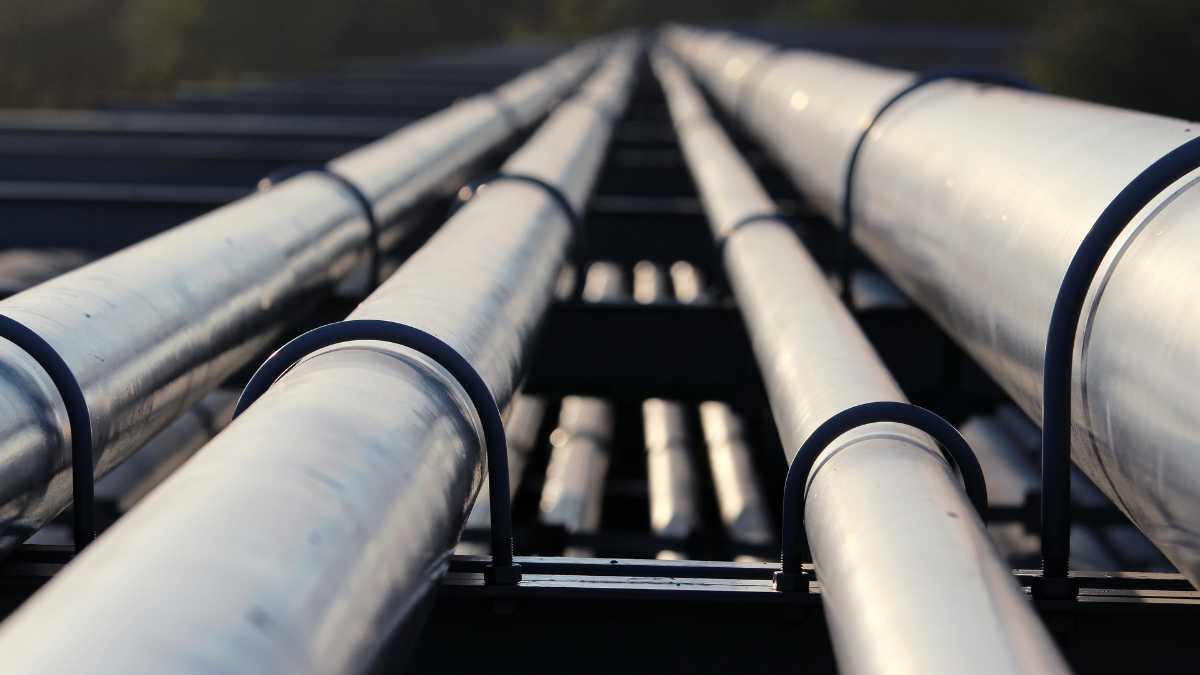
When Russia built Nord Stream 1 and Nord Stream 2, those pipelines were running under the Baltic Sea to Germany, and Germany was dependent on them.
By 2021, Russia was supplying around 45% of all natural gas imported by EU countries.
Germany, which we also called the economic engine of Europe, was getting a huge chunk of its heating and industrial energy from Russian pipelines.
And that dependency gave Moscow a kind of power that no army could match.
The U.S. understood this clearly and spent years pushing back.
President Trump called Nord Stream 2 a move that would turn Germany into a “hostage of Russia“ in 2019 and slapped sanctions on companies helping build it.
Biden came in and lifted those sanctions in 2021 to keep Germany onside, but never stopped warning about the risk.
Then February 24, 2022 came, Russia invaded Ukraine, and the entire logic of pipeline dependency became a full-blown crisis.
The Night Three Pipelines Died
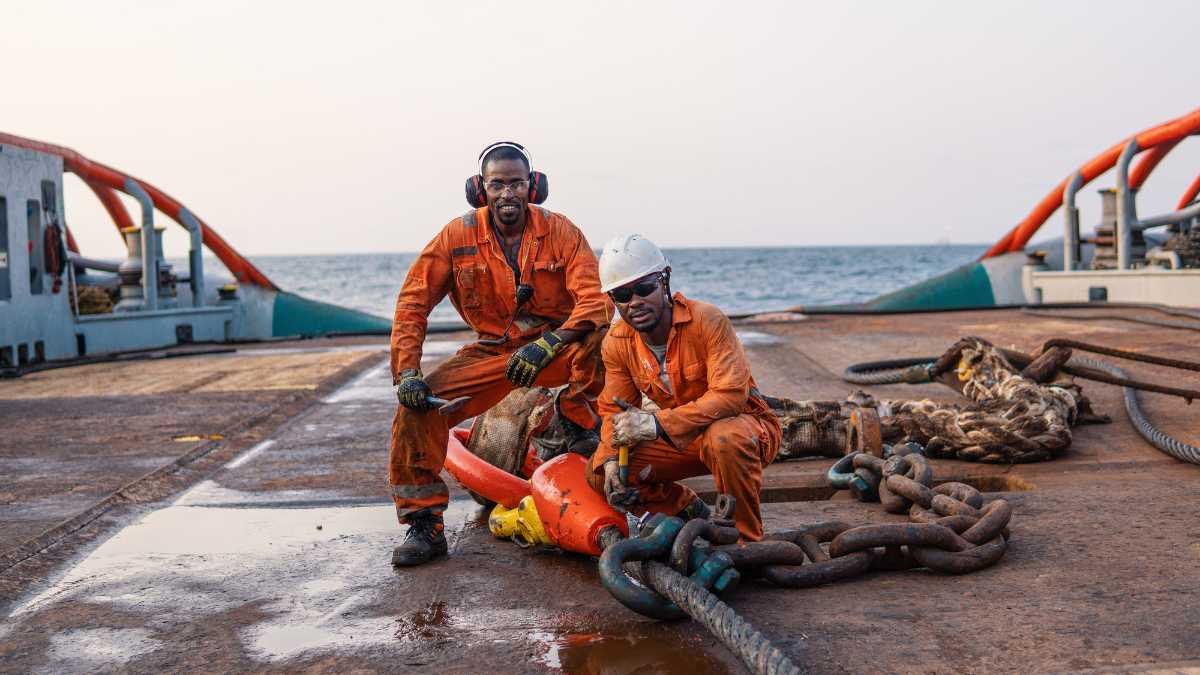
On September 26, 2022, underwater explosions tore through three of the four Nord Stream pipelines in the Baltic Sea near Bornholm, Denmark, that leaked methane in a massive amount, and it was destroyed.
Sweden, Denmark, and NATO all confirmed sabotage, but who did it remains, officially, unanswered.
Germany, Sweden, and Denmark investigated for years, and their fingers pointed at Ukraine, the U.S., and Russia, and every theory had a motive attached to it.
Now why would someone do it?
Pipelines are political instruments, and when the politics shift sharply enough, they become targets.
Columbia University professor Jeffrey Sachs called the Nord Stream sabotage an “act of international terrorism” at a UN Security Council meeting in February 2023.
Whatever the truth, the event signaled to every country in the world that critical energy infrastructure can and will be used as a weapon in geopolitical conflicts.
Case Study of the Druzhba Situation in 2026
If you want to understand how pipeline dependency plays out in real time, look at what happened with the Druzhba pipeline in early 2026.
Druzhba means “friendship” in Russian, which in hindsight is painfully ironic.
On January 27, 2026, a Russian drone strike damaged the pipeline infrastructure near the Brody oil hub in western Ukraine.
The southern leg of the Druzhba, which runs through Ukraine to supply Slovakia and Hungary with Russian crude oil, went offline.
Both countries panicked because both are landlocked and were still heavily reliant on Russian crude despite years of EU pressure to diversify.
Slovakia’s Emergency and the Retaliation
Slovakia’s situation was worse, and its only refinery, Slovnaft, is specifically configured to process Russian crude.
You can’t just switch to a different type of oil overnight without major technical modifications. So when Druzhba went down, Slovakia declared a national energy state of emergency.
Prime Minister Robert Fico blamed Ukraine and halted emergency electricity supplies to Kyiv in retaliation.
Slovakia and Hungary jointly suspended diesel fuel exports to Ukraine.
But Ukraine denied responsibility, pointing to the Russian drone strike; the EU also sided with Ukraine.
And suddenly a pipeline dispute in Eastern Europe became a proxy battle inside the EU itself, with Slovakia threatening to block Ukraine’s EU membership talks.
The crisis was resolved by April 23, 2026, when pipeline repairs restored oil flows, but the political damage lingered.
Fico described it as a “geopolitical tool” being used against Slovakia.
He wasn’t wrong; the whole episode showed exactly how a country dependent on a pipeline that runs through a conflict zone has almost no good options.
Russia Pivots East: Power of Siberia and the China Play
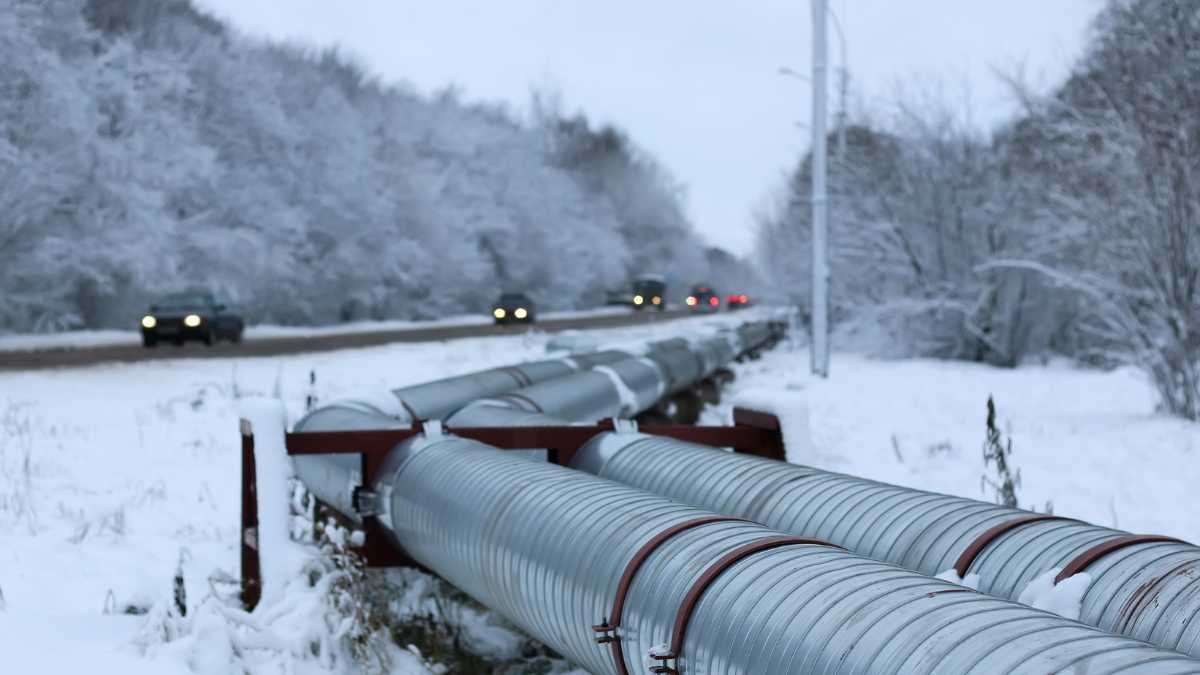
Losing Europe as a gas market was a massive blow to Russia.
Before the Ukraine invasion, EU countries were importing around 155 billion cubic meters (bcm) of Russian gas annually, but by 2024, that number had dropped to around 33 bcm, and it keeps falling.
Russia knows the European market is, in its own assessment, “irreversibly lost”. So the pivot to China was the only real option.
The Power of Siberia 1 pipeline, which started delivering gas to China in December 2019, has become Russia’s lifeline.
By 2024, it was supplying almost 27 bcm a year, more than a third of China’s total pipeline gas imports. And Russia expects it to hit its full 38 bcm capacity by 2025.
Power of Siberia 2 & the $50 Billion Question
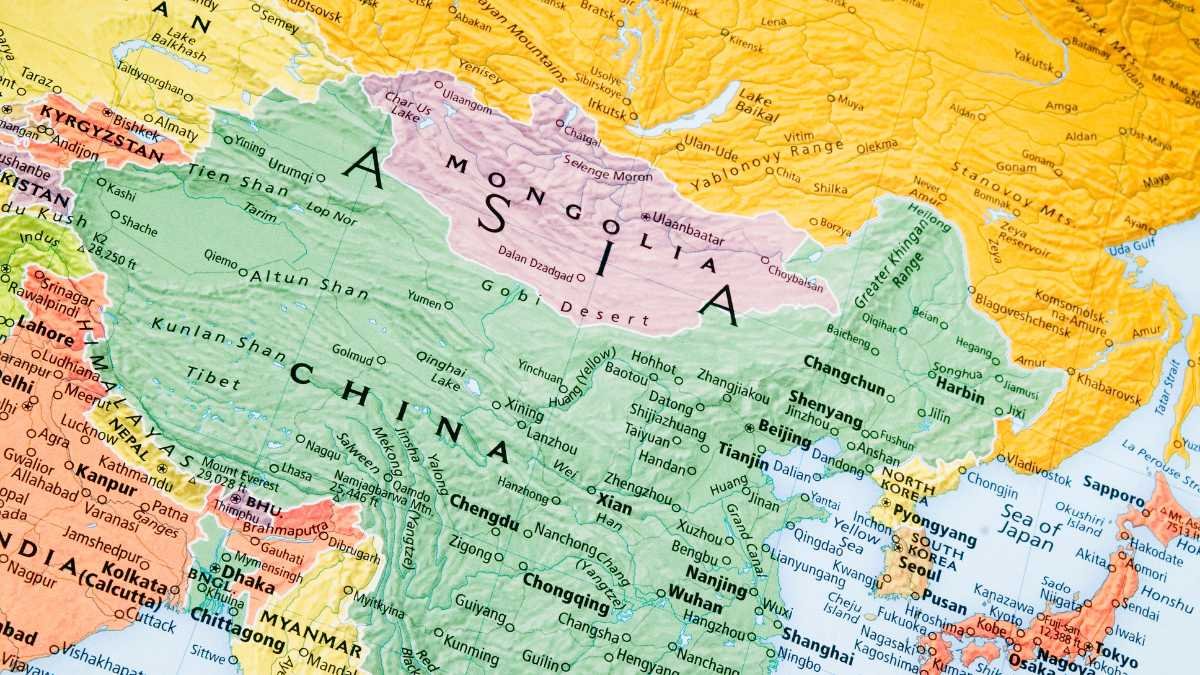
Then there’s the proposed Power of Siberia 2, a massive pipeline that would carry up to 50 bcm per year from Russia’s Yamal fields through Mongolia to China.
On September 2, 2025, Russia and China signed a “politically binding” agreement to build it, setting off what analysts called a geopolitical signal to the U.S. LNG exporters that China could eventually pivot away from American liquefied natural gas completely.
But China is not in a rush, and no binding contract has been signed regarding volumes, pricing, or timeline.
Russia desperately needs this deal because it needs somewhere to send its gas.
An interesting thing about Geopolitics: China knows this, so Beijing is taking its time, negotiating hard on price, and keeping its options open.
As Carnegie Endowment researchers noted in early 2026, China won’t want to be so dependent on a single supplier that it loses flexibility.
If Power of Siberia 2 delivers full capacity alongside existing routes, Russia would supply about 42 to 45 percent of China’s projected gas imports by 2040.
China is unlikely to accept that level of dependence on anyone.
So what you actually have here is a dynamic where Russia is more dependent on this deal than China is.
Which is exactly the leverage problem that Europe used to sit with, now reversed, so the geopolitics of pipelines tends to favor the buyer over time.
BTC Pipeline That Is Bypassing Russia
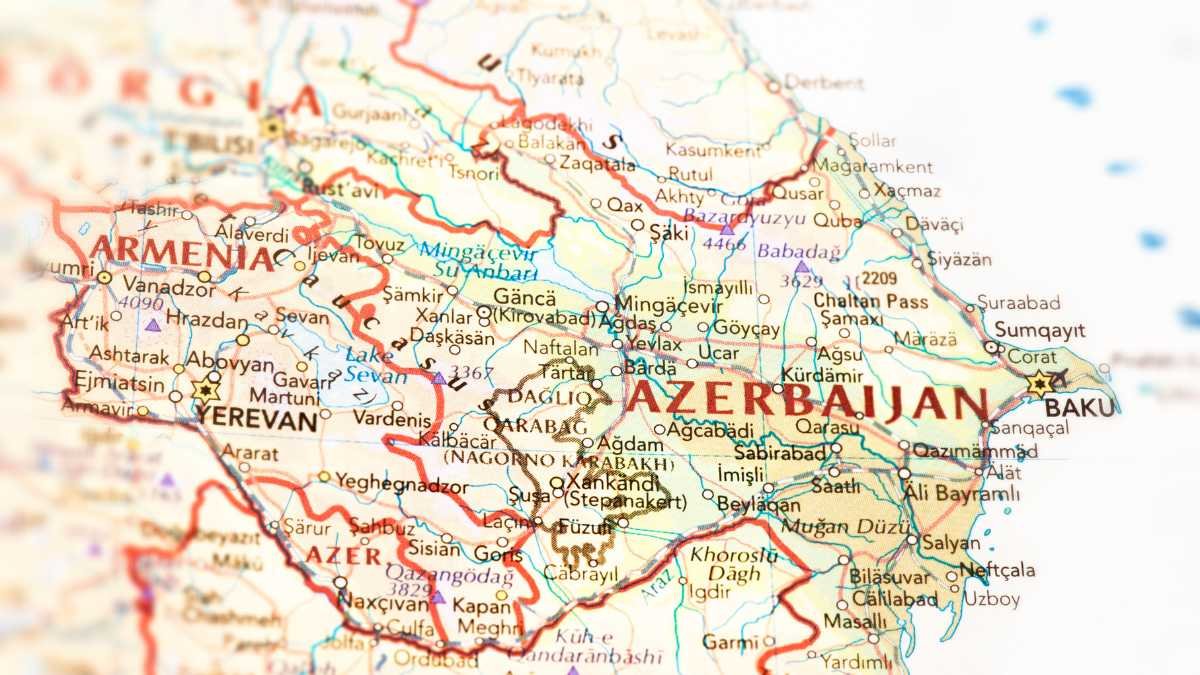
The Baku-Tbilisi-Ceyhan (BTC) pipeline, which runs 1,768 km from Baku in Azerbaijan through Georgia to the port of Ceyhan on Turkey’s Mediterranean coast, is actually a success story of intentional geopolitical routing.
It was completed in 2006 with strong U.S. and Turkish backing, specifically designed to bypass Russia and Iran.
Azerbaijan could have routed its Caspian oil through Russia, but that would have meant Russia collecting transit fees and having a chokehold over Azeri exports.
Through Armenia, that pipeline was politically impossible due to the Nagorno-Karabakh conflict.
So the BTC route through Georgia and Turkey was the deliberate choice of independence.
Today, around 83% of Azerbaijan’s oil exports flow through the BTC pipeline. And the pipeline has weakened Russia’s dominance over Caspian energy in a meaningful way.
Kazakhstan saw it too, especially post-2022. Therefore, by 2023 Kazakhstan had increased its own BTC exports by 54 percent over 2022, hoping to reduce dependence on Russian-controlled routes.
Turkey, for its part, earns significant transit fees and has used its position as an energy corridor to leverage political influence in NATO, the EU, and its neighborhood.
This is pipeline geopolitics working as originally intended: infrastructure as diplomacy, not only commerce.
When the Middle Country Has Power, It Can Take Political Leverage
One of the most underappreciated dynamics in pipeline geopolitics is the position of transit states, the countries that pipelines run through without being the source or destination of the energy.
Ukraine was the most obvious example for decades, because Russian gas flowing to Germany, France, and Austria all passed through Ukrainian pipes.
Ukraine collected transit fees, but it also had leverage.
In 2006 and 2009, when Russia and Ukraine had pricing disputes, Russia cut gas supplies that froze Europe.
And the world realized that the country with pipes in the ground between buyer and seller holds enormous, often invisible, power.
Russia responded by building Nord Stream 1 and 2 specifically to cut Ukraine out as a transit state, so by taking away the transit country, it took away their leverage.
So it was the pipeline geopolitics logic.
One thing that is interesting now, in 2026, is that Ukraine is demonstrating that transit states can also choose to end that arrangement.
By refusing to renew its gas transit agreement with Gazprom on December 31, 2024, Kyiv voluntarily shut off billions in transit revenue because President Zelensky said Ukraine would not let Russia “earn additional billions on our blood”.
Europe braced for a crisis that never fully materialized, because European storage was high and LNG imports from the U.S., Qatar, and Australia had already surged.
America’s Pipeline Victory: LNG as the Alternative
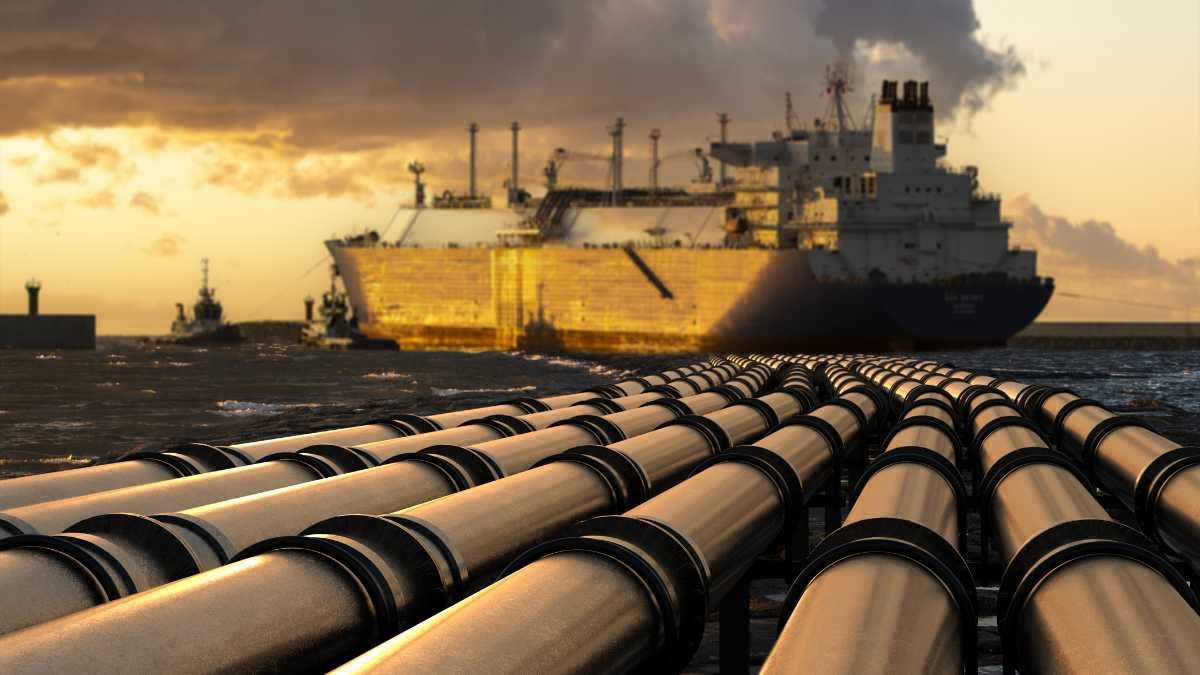
The U.S. doesn’t have pipelines reaching Europe, but it has ships. And LNG, or liquefied natural gas, is gas that gets cooled to -162 degrees Celsius, loaded onto specialized tankers, and shipped anywhere in the world.
It’s more expensive than pipeline gas, but it’s flexible, and you’re also not locked into one route.
In 2025, the United States became a major LNG supplier to the EU, and it filled the gap that was left with Russian gas.
This is arguably one of the biggest geopolitical energy shifts of the decade.
European countries that were subsidizing Russian foreign policy through gas purchases are now buying American LNG instead, which changes the political dynamic.
And it’s also why the Power of Siberia 2 deal between Russia and China sent a message to Washington.
China importing Russian pipeline gas means China importing less American LNG; that’s a geopolitical pressure point, and both Beijing and Moscow know it.
What Happens to Pipelines in the Energy Transition?
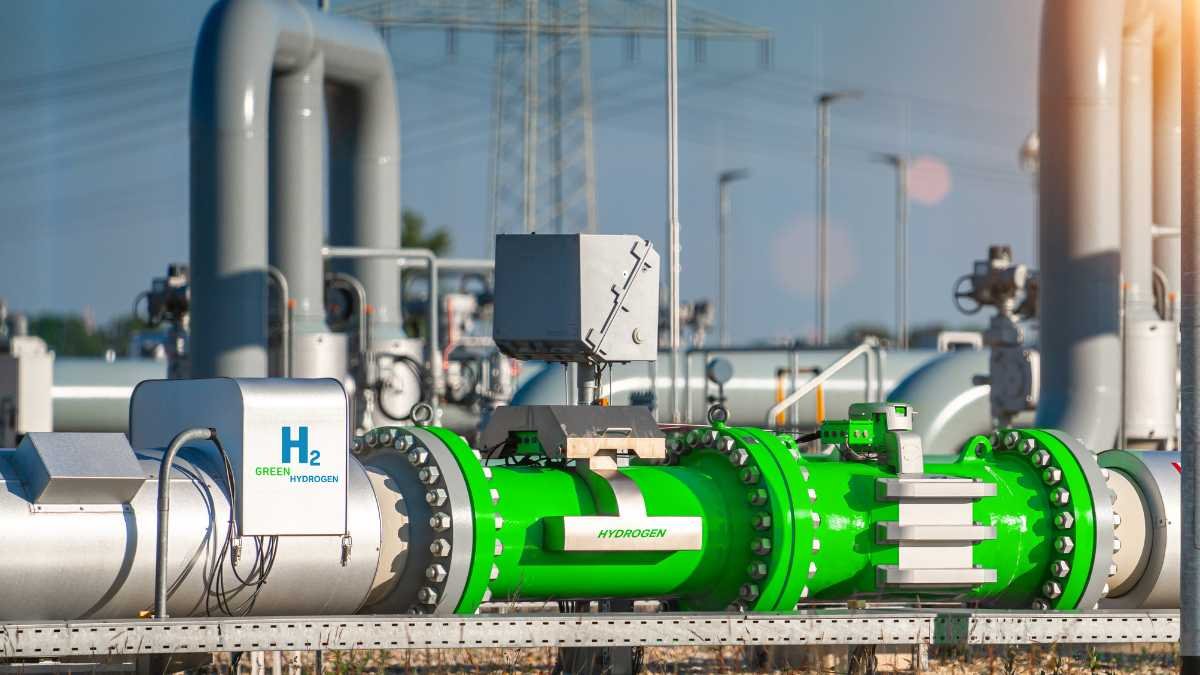
Now the world is supposedly moving toward renewables, do pipelines eventually become irrelevant?
NO, not anytime soon at least; the IEA’s own analysis consistently treats natural gas as a transitional fuel that will remain significant in global energy systems through at least 2035, especially in developing economies where gas replaces coal as renewable infrastructure is built.
The gas pipeline market is still growing, with an estimated 78% market share for natural gas applications as of 2025.
But what happens to existing pipeline infrastructure?
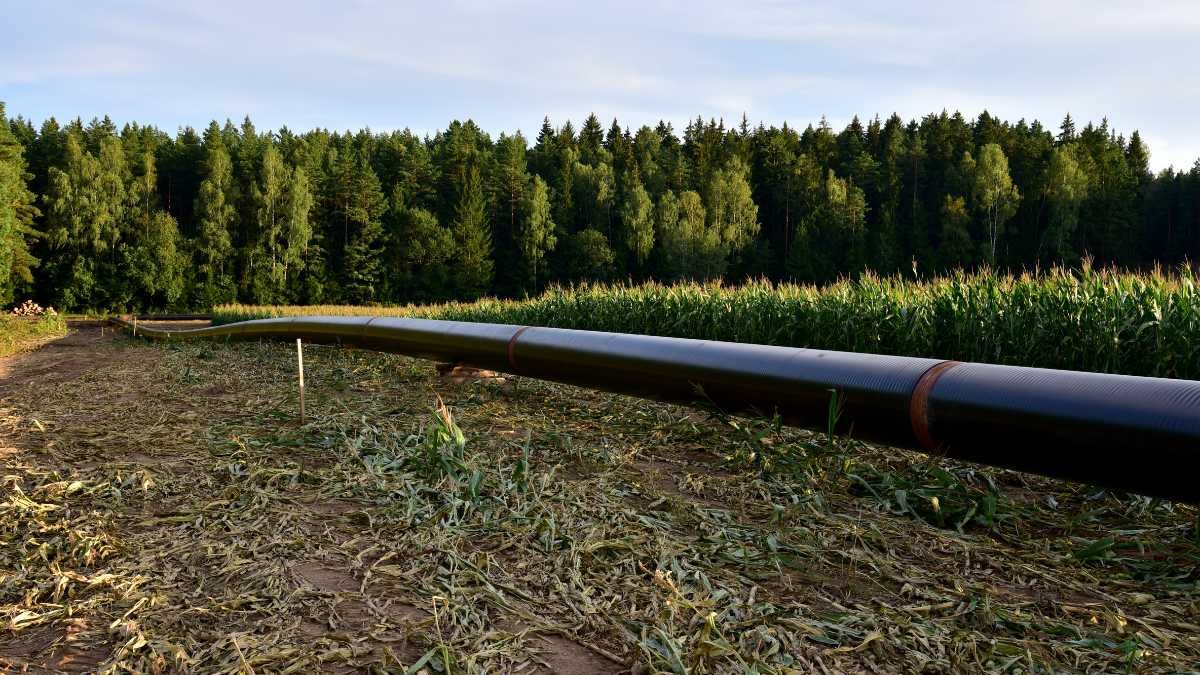
Europe and North America are pushing to convert gas pipelines into pipelines for hydrogen, which has no carbon when burned.
The UK government said in December 2023 that it will support blending hydrogen into gas.
Large-scale hydrogen blending in British pipelines could begin by 2025 to 2026, with a longer-term goal of converting entire sections to carry pure hydrogen.
The hydrogen pipeline market is projected to grow from about $5.1 billion in 2025 to $27.2 billion by 2035, at a growth rate of 60%.
If that trajectory holds, the geopolitics of pipelines won’t end; it’ll only shift, and instead of arguing over who controls gas routes, countries will be positioning themselves over hydrogen corridors.
The leverage dynamics will be familiar even if the molecule inside the pipe is different.
Plus, the energy transition is also intensifying competition over the critical minerals needed for solar panels, batteries, and wind turbines.
China refines close to 75% of the minerals essential for clean energy, which is its own version of pipeline chokepoint control.
I have also covered Rare Minerals Geopolitics and China’s monopoly; you can read that too.
Final Thoughts
Pipeline geopolitics in 2026 looks like this: Europe is largely free of Russian gas dependency but still dealing with the consequences of decades of it.
Russia wants to redirect energy exports to China while China negotiates from a position of strength.
The U.S. has become a major LNG supplier, which is a kind of pipeline-free pipeline geopolitics. And everyone, from Slovakia to Kazakhstan, is recalibrating how much dependency they can afford on routes they don’t fully control.
So the broader lesson that keeps proving itself true: pipeline is a commitment, a vulnerability, and a weapon, often all at once.
Those countries that understand this build redundancy, and countries that don’t find themselves declaring states of emergency when a drone strikes the wrong oil hub.
Questions People Ask
What exactly is pipeline politics?
It’s when a pipeline stops being just infrastructure and becomes a political tool.
In that, either the country supplying the energy uses it as leverage (like Russia with European gas), or the country the pipeline runs through uses its transit position as bargaining power (like Ukraine did for years).
Or a third country opposes a pipeline because it shifts regional influence in ways they don’t like (like the U.S. opposing Nord Stream 2).
Why is there no direct pipeline between Russia and India?
Geography is the main problem; a land pipeline from Russia to India would have to pass through either China or one of the Central Asian states, and then through Afghanistan or Pakistan.
Every one of those transit countries would have significant leverage over both Russia and India, and none of those relationships are stable or trust-based enough to make such a project viable.
The conflict dynamics between India and Pakistan make any pipeline crossing that border practically impossible to insure, finance, or protect.
India instead buys discounted Russian crude by tanker, which is expensive but doesn’t require trusting any transit country with a chokepoint.
Can a transit country just shut down a pipeline that isn’t theirs?
Yes, physically, but with significant consequences.
Ukraine has already shown two directions: it shut down Russian gas transit in December 2024 on its own terms, despite the fact that Ukraine was making a profit out of it.
But it was also blamed for disrupting Druzhba crude oil flows in January 2026, even though it pointed to Russian drone strikes as the cause.
The legal and political fallout included Slovakia suspending electricity exports to Ukraine and both Slovakia and Hungary halting diesel exports to Kyiv.
There’s no international body with enforcement power that can compel a transit country to keep energy flowing.
What was the Nord Stream controversy?
3 out of 4 Nord Stream pipelines were destroyed after an underwater explosion that happened on September 26, 2022.
Those pipelines were running from Russia under the Baltic Sea to Germany, and they were the main route for Russian gas to Western Europe.
Multiple countries investigated, fingers pointed at Ukraine, the U.S., and Russia, but no definitive conclusion was ever made public.
Germany’s investigation was eventually dropped, and controversy was about the pipeline itself, which the U.S. opposed for years because it made Germany dependent on Russian energy.
Some observers said that whoever was responsible, the sabotage opened up a highly profitable market for American LNG exporters.

Abraham is the founder and sole writer of Geopolitics Decoded. Based in New Delhi, India, he has been researching and analyzing international affairs since 2019, with a focus on great-power competition, European security, energy geopolitics, and global diplomacy. He is currently pursuing independent coursework in global diplomacy through SOAS University of London. His fact-based, deeply contextual analysis has earned millions of interactions across social media platforms, including Threads and Instagram. Every article on this site is independently researched, written, and verified by Abraham personally. Read Abraham’s full author bio