A humanitarian corridor is a temporarily agreed passage through a conflict zone, sealed border, or dangerous area that allows civilians, aid workers, or relief supplies to move safely.
It was a simple definition, but from one definition, you won’t understand how messy, political, and complicated these corridors are in practice.
I know it sounds very simple, like there is a crisis and someone opens a passage, so that people can get out, but it rarely works like that, only some become the lifeline while others announce on paper.
Also, some corridors have been weaponized as propaganda tools by the very governments that created them.
I will mainly focus on some famous ones so that you understand better, such as the corridors in Syria, Russia-Ukraine, the evacuation routes out of Afghanistan in August 2021, the humanitarian access debates around Gaza in 2023, and even Italy’s legal resettlement program that runs under the same name.
When and How Do Humanitarian Corridors Open?
A humanitarian corridor requires at least two parties to agree, and often those two parties are fighting each other, and sometimes it also causes problems from the start.
There is also an international legal basis for corridors. Under Additional Protocol I of the Geneva Conventions (1977) (ICRC), specifically Article 70, parties to a conflict are obligated to allow rapid and unimpeded passage of humanitarian relief.
But “obligated” on paper doesn’t mean much when one side benefits strategically from blocking access.
So, corridors generally open under one of three conditions:
- When a ceasefire or pause is negotiated, corridor access is one of the terms.
- International pressure (from the UN, major powers, or media attention) becomes too costly to ignore.
- In evacuation scenarios like Afghanistan 2021, a sudden collapse of government forces requires an emergency response.
So Who Decides? Country, UN, or NGOs?
The country in crisis usually doesn’t “open“ a corridor for its own civilians in the traditional sense.
What happens is either the warring factions agree to let people out, or a receiving country announces it will accept people and opens safe passage. And sometimes even both happen together.
The UN doesn’t open corridors, but the United Nations Office for the Coordination of Humanitarian Affairs (UN OCHA) coordinates the response once a corridor is operational or being negotiated.
They track access, push for agreements, and document where aid is being blocked.
The ICRC (International Committee of the Red Cross) is probably the most active actor on the ground.
They’re the ones who negotiate with armed groups to get physical access, sometimes with governments that refuse to speak to each other directly, we also call it Track II Diplomacy.
NGO That Try to Help
NGOs like MSF (Doctors Without Borders) operate inside and around corridors but don’t have the authority to create them.
What they do is push, publicly and loudly, when corridors are blocked or fake.
Italy’s humanitarian corridor program is the best example to understand how NGO help Italy run a corridor since 2016 by faith-based organizations like the Community of Sant’Egidio in partnership with the Italian government, which issues legal humanitarian visas to people in conflict zones.
By 2023, it had brought over 5,000 people to Italy through this route from Syria, Libya, Ethiopia, and Lebanon.
That’s corridors as a legal migration pathway, not a war-zone passage.
Real Examples That Show How Different Each One Is
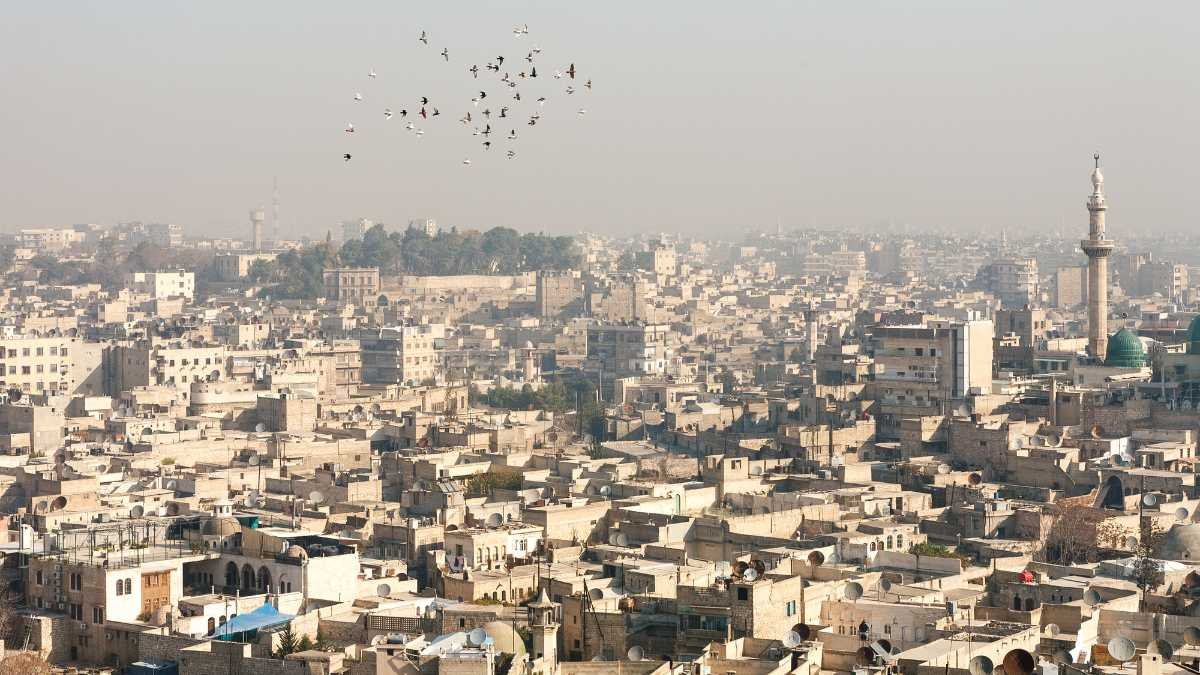
Syria (2016, Aleppo):
After a year-long siege, Russia and the Assad government announced humanitarian corridors for civilians to leave east Aleppo.
On paper, it sounded like relief, but in reality, MSF and other organizations documented that civilians were afraid to use them because they feared detention or being seen as sympathizers.
Although corridors were real in a physical sense, they were widely perceived as a tool to pressure the population and claim humanitarian cover for a military operation.
Ukraine (February 2022 onward):
Russia proposed corridors in the first weeks of its invasion that would route Ukrainian civilians toward Russia or Belarus.
Ukraine’s government and international observers rejected these as manipulation, saying the routes led people into the attacking country.
Later in the conflict, genuine corridors were negotiated through third parties for specific towns, and those worked better.
So the difference between the fake corridors and the real ones in Ukraine is probably the clearest example of how the same concept can be used in completely opposite ways.
Afghanistan (August 2021):
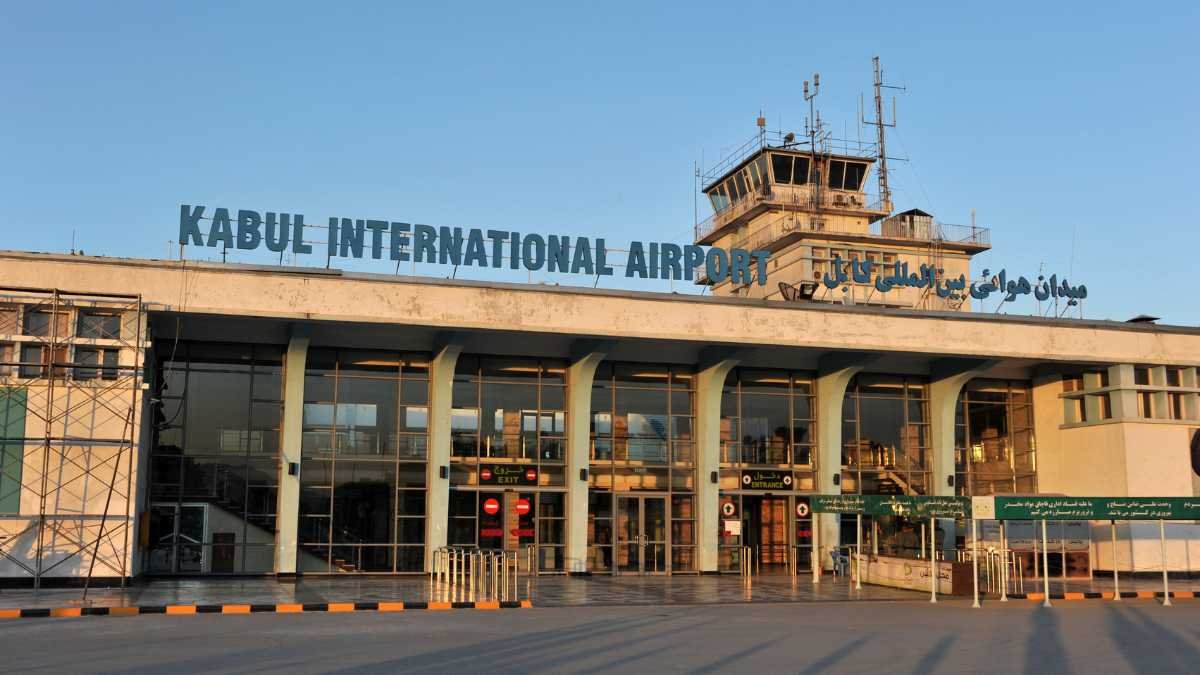
After the Taliban takeover, the US-led evacuation from Kabul was essentially a humanitarian corridor under military protection.
Over 120,000 people were evacuated in roughly two weeks through Kabul airport. It was chaotic, dangerous, and tragically incomplete, but it did function.
Multiple countries, including the UK, Germany, Canada, and others, ran parallel evacuation operations; each country decided its own criteria for who could board.
Myanmar/Bangladesh (2017 onward):
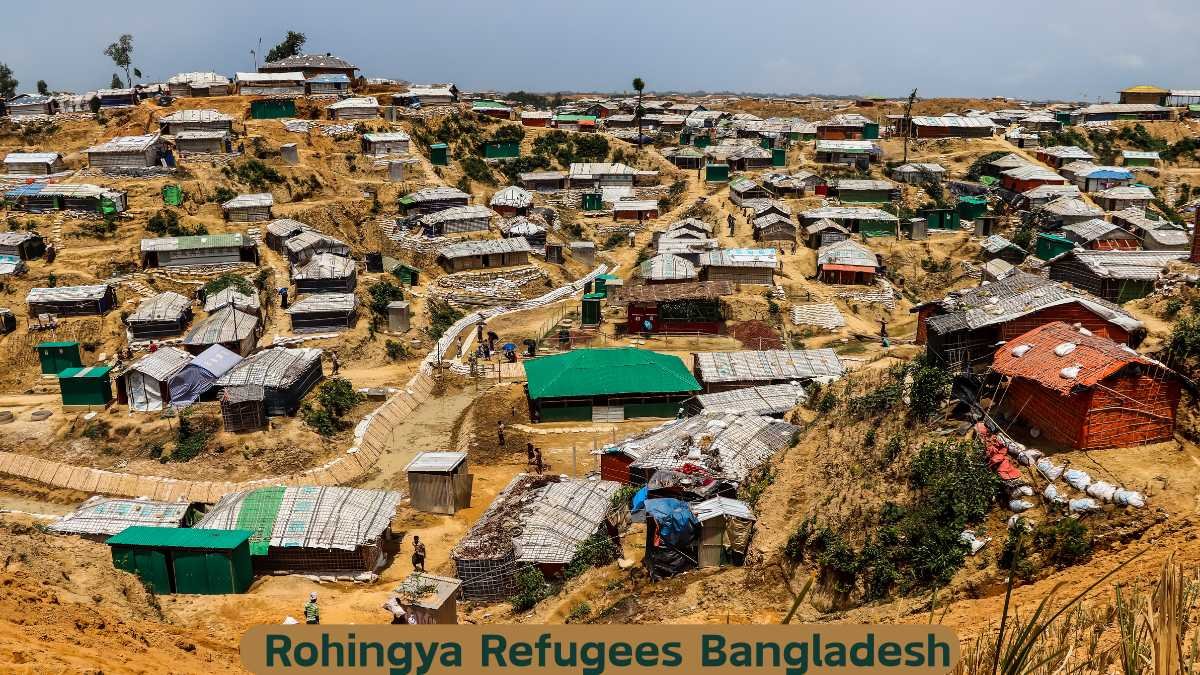
In August 2017, the Myanmar military launched a crackdown in Rakhine State.
According to United Nations, over 700,000 Rohingya Muslim minority fled into Bangladesh within months, and Bangladesh opened its border rather than turn people away.
That informal open border was effectively the humanitarian corridor here, not a negotiated passage, but Bangladesh made this choice under massive pressure.
Right now, Cox’s Bazar in Bangladesh is the world’s largest refugee camp, housing over a million people as of 2019.
By the way, a repatriation corridor back to Myanmar has been discussed since 2018 under agreements between Bangladesh and Myanmar, but Rohingya refugees have consistently refused to return because Myanmar still does not recognize them as citizens and offers no safety guarantees.
Gaza (2023-2024):
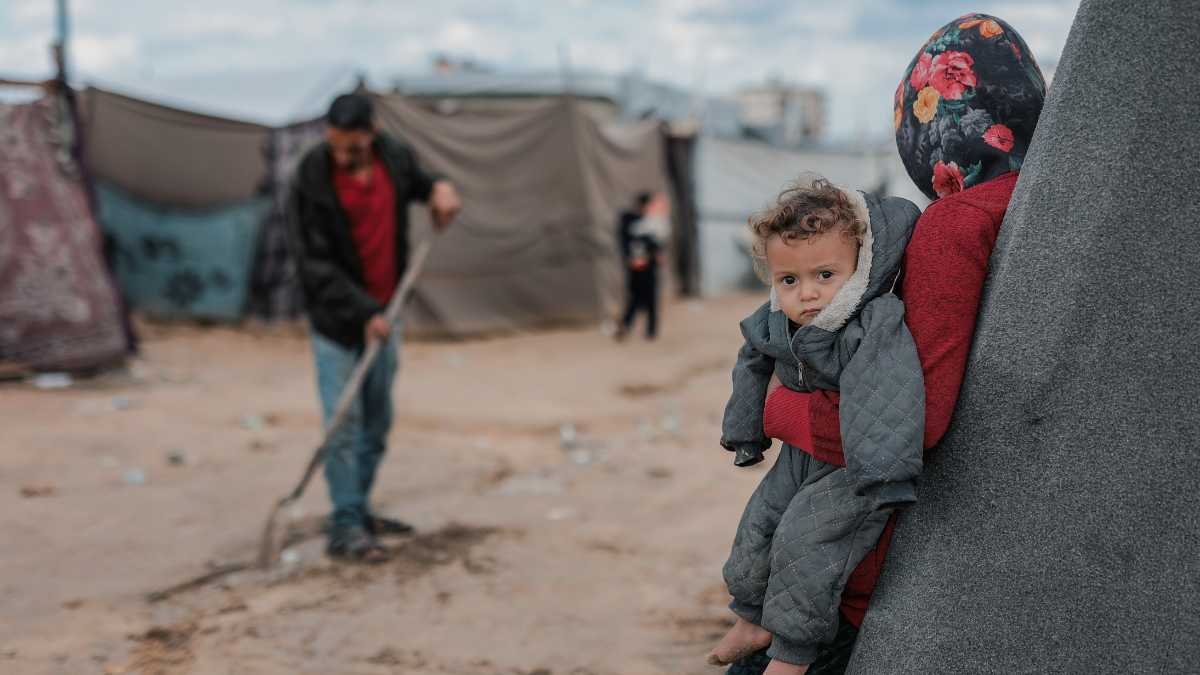
Israel announced a corridor along the Netzarim axis for civilians moving from north to south after October 2023.
UN and humanitarian agencies documented repeatedly that movement along this corridor was dangerous, not consistently safe, and that the infrastructure to receive displaced people in the south was also overwhelmed.
Italy’s legal corridors:
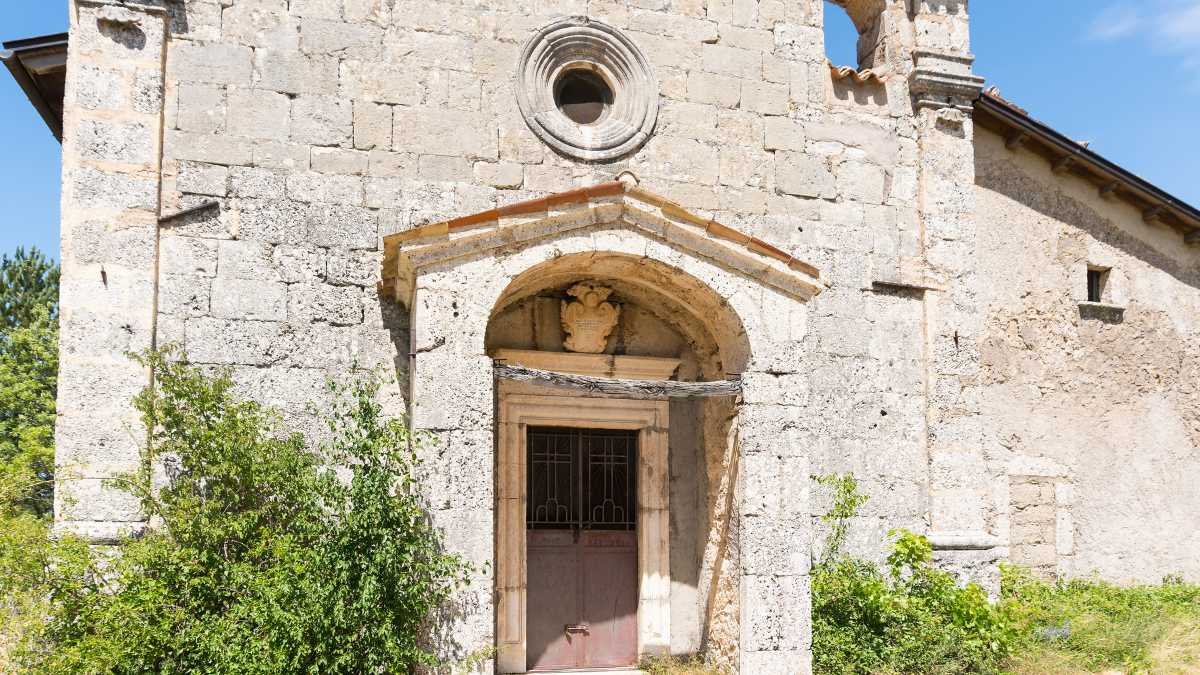
As I said before, this is the quiet, more functional version. Plus, it’s slow, bureaucratic, and limited in scale, but for the people who get through it, it works.
What Do People Get When They Use a Corridor?

This completely depends on where they’re going and under what legal framework.
If it’s a war-zone evacuation (like we have seen in Afghanistan or Ukraine), people generally arrive with temporary protection status.
In Europe, the EU’s Temporary Protection Directive was activated in March 2022 specifically for Ukrainians, which gave them the right to work, access to healthcare, education for children, and social assistance.
For comparison, Syrians in 2015 went through years of individual asylum processes for something similar.
In most corridor situations, people end up in reception centers or displacement camps, not in city centers. So, it’s not like a refugee will immediately get access to services in Paris or Berlin.
How about other facilities?
- Healthcare access depends on the receiving country.
- Education for children is usually provided.
- Housing is typically a shared facility, at least initially.
- Work authorization varies widely.
What they often don’t get:
- Permanent residency automatically
- Freedom of movement across all countries
- Ability to bring extended family without a separate process.
Many temporary protection statuses come with explicit clauses that the protection is “for the duration of the conflict“ and can be revoked when the situation in the home country is deemed safe.
What Do Economically Powerful Nations Do in All That?
It depends on multiple things; the US, EU nations, UK, and others play multiple roles.
- They fund UN agencies and humanitarian operations.
- Impose diplomatic pressure to get corridors opened.
- Sometimes, provide military logistics (like in Afghanistan).
- And they accept people through their own resettlement quotas.
But there’s also a pattern of selectivity; for example, the EU had a generous response to Ukrainian refugees in 2022, while it was different for Syrian, Afghan, and Libyan refugees who were treated in 2015 and after.
UNHCR has noted this disparity without stating it as discrimination, but the data is hard to argue with.
Powerful nations also sometimes block corridors indirectly, by funding or arming parties to a conflict that have an interest in keeping civilians trapped, and they keep funding humanitarian operations trying to reach those same civilians.
Ground Reality of These Humanitarian Corridors
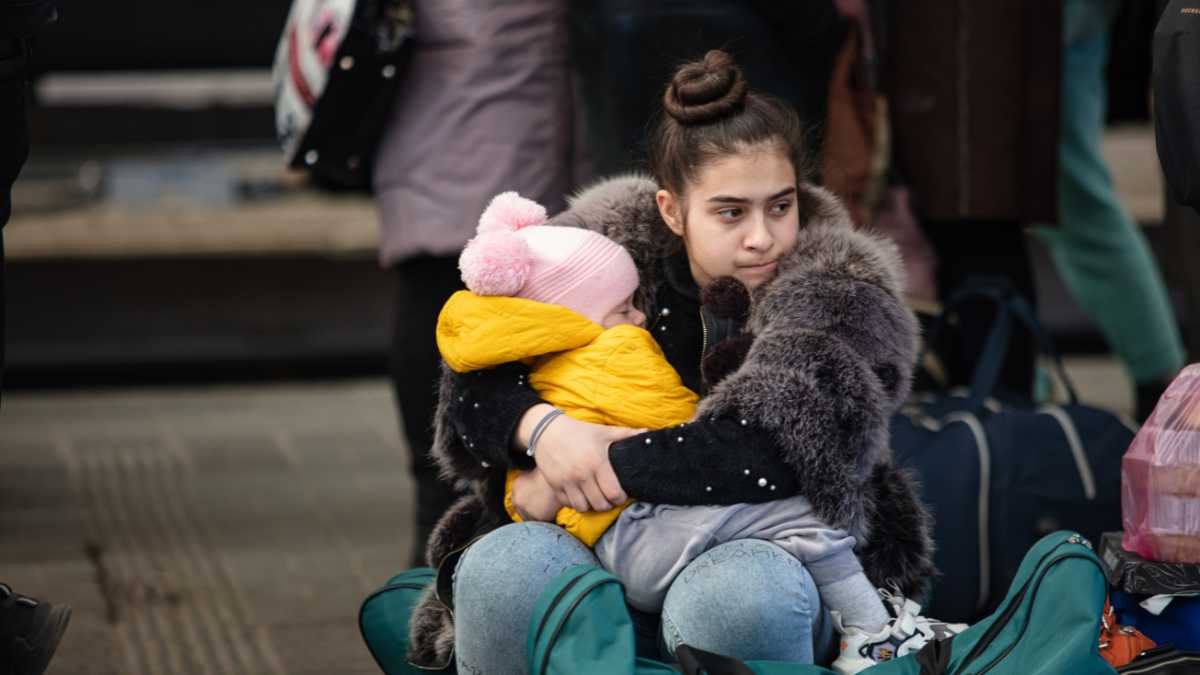
For people moving through corridors, the physical journey is the most dangerous part of a life that has already become dangerous.
UNHCR’s data consistently shows that displacement, even through “official“ corridors, comes with significant risks.
People lose their documents and get separated from their families at checkpoints. And medical emergencies happen mid-route with no support available.
What do the Receiving Countries Experience (their citizens and Immigrants)?
For Ukrainians in Poland and Germany in 2022, it was generally structured and relatively welcoming.
But even within that response, non-Ukrainian people (including African students who had been living in Ukraine) reported discrimination at the border and were sometimes turned back or sent to the back of lines.
For people from Syria, Afghanistan, or sub-Saharan Africa, using corridors into Europe over the past decade, the experience has often included the following things:
- Long detention in reception facilities
- Restricted movement
- Hostility from local populations
- Worried about housing and public services being stretched
- And in some cases, actual racism that doesn’t make headlines.
The Political Economy Side that People in Destination Countries Feel
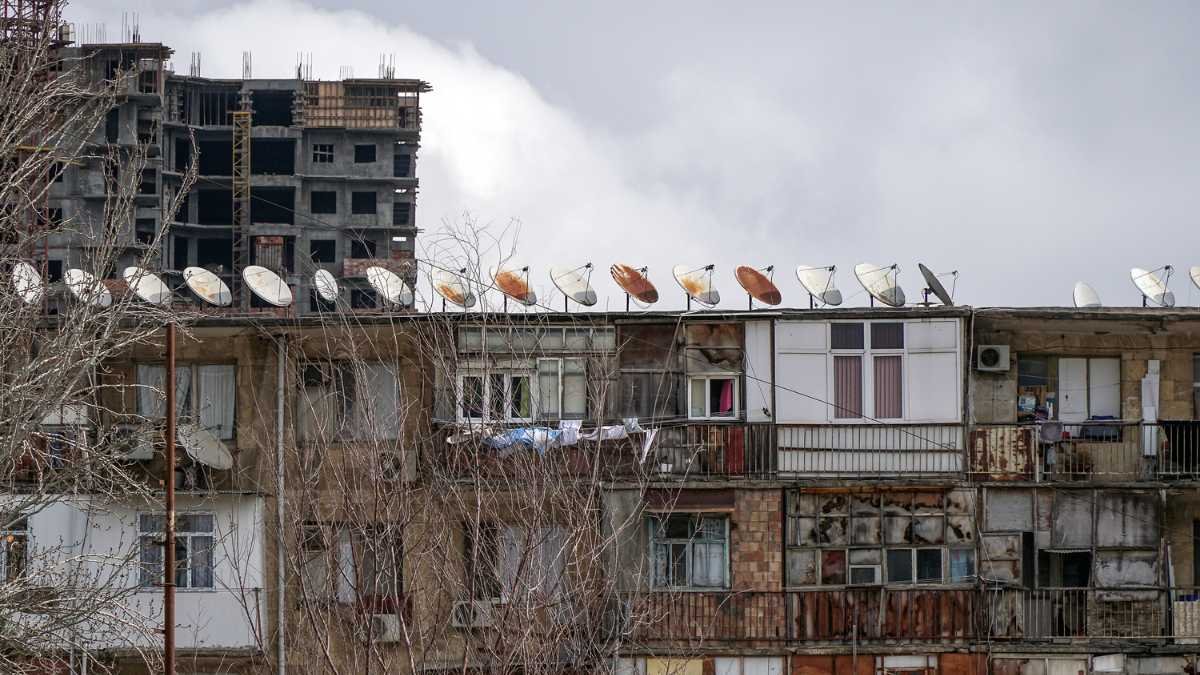
When a government announces it’s bringing in 50,000 people through a humanitarian corridor, there are communities that immediately start worrying about schools, hospitals, and housing.
This concern is not always rooted in hostility; it’s practical. And when governments don’t communicate the plan clearly, it turns into resentment faster than it needs to.
The UNHCR’s 2023 Global Trends report put the global displaced population at over 117 million.
Humanitarian corridors, at their best, move tens of thousands at a time.
Conclusion
Humanitarian corridors are one of the few tools that can physically move people out of danger when everything else has failed.
But they’re also deeply political, inconsistently applied, and often manipulated by the very actors who are causing the crisis in the first place.
I personally think that the gap between a corridor being “announced“ and a corridor actually functioning safely is also different. Because sometimes, the problem is also that people can’t use corridors safely, as it involves risk too, like in Syria.
However, international organizations, NGOs, and frankly, political pressure from citizens in receiving countries, all have to push together. Because without that, the corridor becomes a headline and not much else.
FAQs
Can a country just refuse to open a humanitarian corridor even if the UN asks?
Yes, and it happens often! International law says parties to a conflict must allow humanitarian access, but enforcement is nearly nonexistent.
The UN Security Council has passed resolutions demanding access in Syria, and those resolutions were ignored. So there is no real mechanism to force compliance short of military action.
What’s the difference between a humanitarian corridor and a refugee route?
A corridor is a specific, often temporary, and negotiated passage, usually during an active conflict. On the other hand, the refugee route is just the path people take when fleeing, legal or not.
Most of the “routes“ you see reported across the Mediterranean or through the Balkans were not corridors.
They were people moving without official sanction because no corridor existed.
Do people using corridors have to go back after the conflict ends?
Often, yes, that’s the intention written into temporary protection frameworks, but “returning when safe“ is a political decision, not a factual one.
Many Syrian refugees who arrived in Germany in 2015 are still there in 2026 because the conditions for return have never been formally declared safe.
In practice, many people with temporary status end up transitioning to longer-term residency over time.
Are there corridors that work well and serve as a model?
Italy’s legal humanitarian corridor program is probably the most cited example of something that works at a small scale.
It’s slow and limited to a few thousand people a year, but it’s orderly, legal, and the people who go through it arrive with proper status.
But the problem is that the world has 117 million displaced people, and Italy’s program handles maybe 2,000 a year, so it doesn’t match the need.

Abraham is the founder and sole writer of Geopolitics Decoded. Based in New Delhi, India, he has been researching and analyzing international affairs since 2019, with a focus on great-power competition, European security, energy geopolitics, and global diplomacy. He is currently pursuing independent coursework in global diplomacy through SOAS University of London. His fact-based, deeply contextual analysis has earned millions of interactions across social media platforms, including Threads and Instagram. Every article on this site is independently researched, written, and verified by Abraham personally. Read Abraham’s full author bio