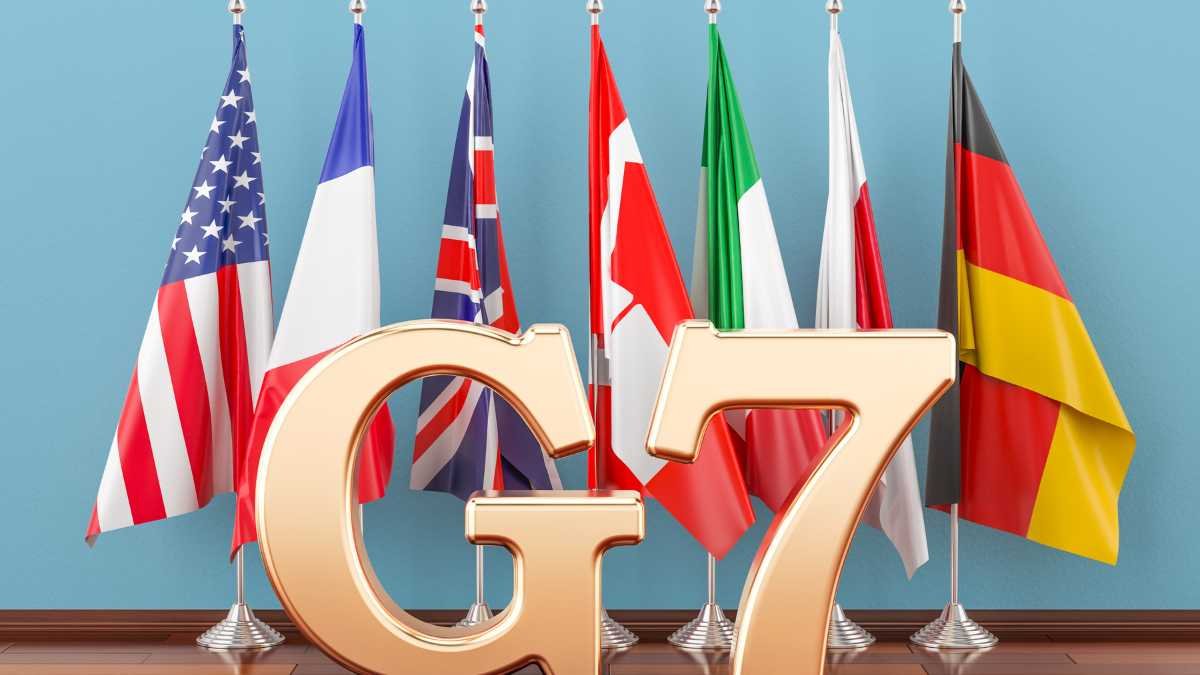
The main purpose of the G7 countries is to bring the 7 largest economies (mainly Western-aligned) together to discuss major global, economic, and foreign issues.
They try to keep their decisions aligned instead of conflicting with each other.
As of 2026, the group brings together the United States, the United Kingdom, France, Germany, Italy, Canada, and Japan to talk about trade, finance, security, climate, and a few other big issues. And then they try to move on to those issues together.
Now, the G7 does not issue binding orders, as it is not a treaty organization, but still, the country gets fined or expelled for ignoring a G7 statement.
What it does is create a shared signal, a public alignment of the most economically powerful democracies in the world.
And that signal, when it is unified, moves markets, pressures other governments, and sometimes unlocks international cooperation that no single country could have triggered alone.
If you want to understand the G7 fully, like why it exists, what it has done, how summits work, which country is really driving the agenda, and what is on the table in 2026, keep reading.
Why the G7 Was Even Created
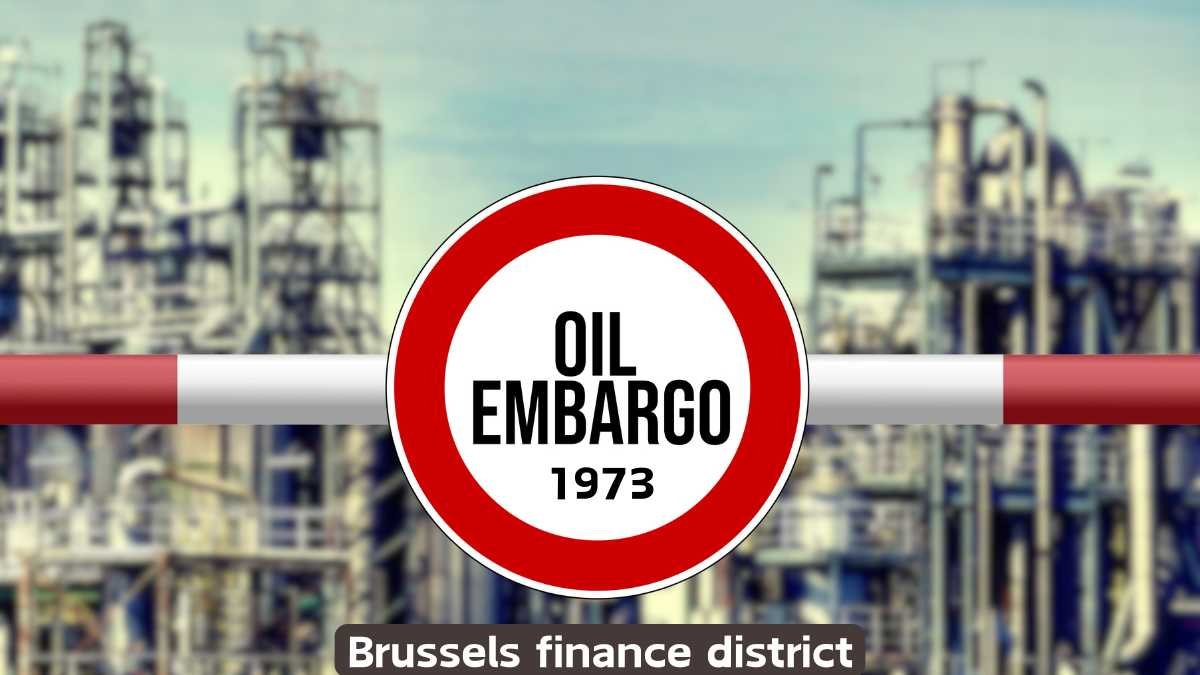
In October 1973, OPEC cut oil exports to Western nations following the Arab-Israeli war.
Oil prices quadrupled within months. Inflation shot up across the US, Europe, and Japan, which caused the stock markets to crash.
It was a textbook economic shock that no single government had the tools to handle alone.
In November 1975, French President Valery Giscard d’Estaing hosted a summit at the Chateau de Rambouillet outside Paris.
Six countries sent their heads of government: the US, UK, France, West Germany, Italy, and Japan.
- Canada joined in the next year, in 1976, making it the G7, which we know today.
- The EU has been an informal participant since 1977, though it is not counted as a formal member.
- Russia joined in 1998, briefly making it the G8. But after Russia’s annexation of Crimea in March 2014, the other seven countries suspended Russia’s membership and reverted to the G7 format.
So the G7 was not designed by a committee; it was created because a crisis made it obvious that the major economies needed a direct line between their leaders, and that a formal international bureaucracy would be too slow for that purpose.
The Seven Nations and Why These Specific Countries
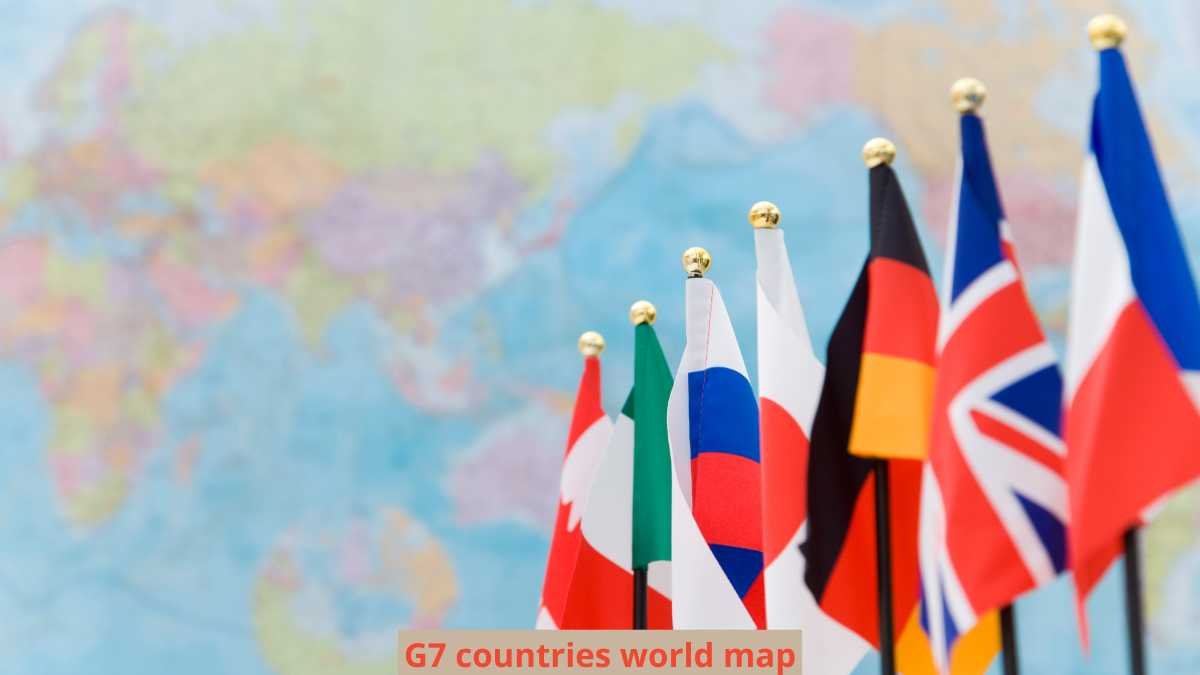
The original G6 was chosen on the basis of who had the biggest, most developed economies in 1975 that were also Western-aligned democracies.
Giscard d’Estaing invited the ones he thought mattered most for stabilizing the global economy after the oil shock.
Today, the seven members and their rough share of global GDP are:
- United States: the single largest economy, contributing around 25% of global GDP on its own
- Germany: the largest economy in the European Union and the fourth largest globally
- Japan: the third-largest economy in the world until recently, is still a major creditor nation
- United Kingdom: a major financial center and permanent UN Security Council member
- France: a nuclear power, permanent Security Council member, and EU core state
- Italy: the eighth-largest economy in the world, with a substantial industrial base
- Canada: a major commodity and energy exporter with close ties to the US economy
Collectively, the G7 represents roughly 43% of global GDP and about 770 million people.
That is a smaller share of global output than it was in 1975, partly because of the rise of China, India, and other emerging economies.
That shift is one reason why questions about G7 relevance keep coming up.
Some bigger economies like China, India, and Brazil are not part of the G7.
These are all larger economies than at least some G7 members now.
Fact: G7 has not expanded its core membership since 1976, which is one of its ongoing structural tensions. The G20, which includes these larger emerging economies, was partly created to address this gap.
What the G7 Has Achieved?
If you only look at G7 statements, you would think it mostly produces polished communiques and photo ops.
But there are a few outcomes that probably would not have happened, or would have taken much longer, without G7 coordination.
Debt Relief for Developing Nations
Back in 1996, the World Bank and IMF started the HIPC debt relief program with strong support from the G7 countries.
Their whole idea was to help poor nations that were drowning in debt for years.
Later, by the mid-2000s, more than $100 billion in debt had already been written off for some of the world’s poorest countries.
Then, in 2005, the Gleneagles Summit in Scotland, where the G7 pushed the plan even further and agreed to wipe out 100% of the debt owed by 18 countries to the IMF, World Bank, and African Development Bank.
Countries such as Mozambique, Tanzania, and Bolivia saw a huge cut in their external debt burden after that.
Global Minimum Corporate Tax
In June 2021, G7 finance ministers meeting in London reached a landmark agreement on a 15% global minimum corporate tax.
Their idea was to stop multinational companies from booking profits in low-tax jurisdictions like Ireland or Bermuda.
The G7 agreement gave the proposal enough political weight that it moved to the G20 and then to the OECD, where 136 countries eventually signed on.
Without the G7 anchoring that consensus first, it would be hard for the OECD version to get traction that fast.
Russia Sanctions and SWIFT
After Russia’s large-scale invasion of Ukraine in February 2022, the G7 coordinated one of the most extensive financial pressure campaigns in modern history.
This included removing major Russian banks from the SWIFT international payments system, freezing around $300 billion in Russian central bank reserves held in Western financial institutions, and deploying over a dozen rounds of export controls on semiconductors, advanced machinery, and dual-use goods.
The SWIFT removal and asset freeze happened within days, which only works when multiple governments move simultaneously.
I wrote in more detail about how the SWIFT ban on Russia played out and what it actually did to the Russian financial system.
The broader Russia sanctions impact on the global economy is its own complicated story, including how India and China became key outlets for Russian exports that the G7 was trying to restrict.
COVID-19 Vaccine Distribution
At the June 2021 Carbis Bay summit in Cornwall, the G7 pledged to donate one billion COVID-19 vaccine doses to lower-income countries through the COVAX mechanism.
The actual delivery took longer than promised, and there were gaps in how quickly shots reached the developing world.
But the G7 commitment helped fund and partially validate COVAX at a moment when the global vaccine distribution architecture was fragile.
Though the pledge was imperfect, without a floor of political commitment from major economies, COVAX could have collapsed much earlier.
Partnership for Global Infrastructure
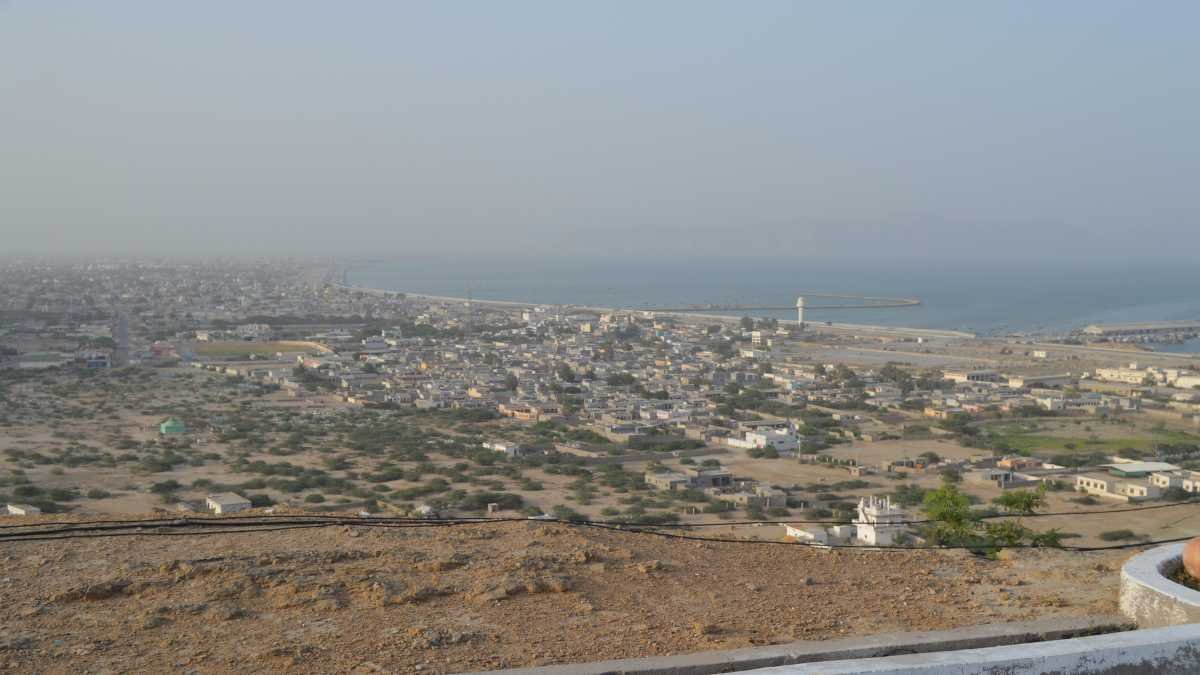
In 2022, the G7 launched the Partnership for Global Infrastructure and Investment. And gave a commitment to mobilize $600 billion in public and private infrastructure financing for developing countries by 2027.
This was explicitly framed as an alternative to China’s Belt and Road Initiative.
Now it’s 2026, and whether PGII delivers on its numbers is a different question. But as a signal that the G7 intended to compete for infrastructure influence rather than cede the space to China, it was a significant policy shift.
Which G7 Country Is Running the Show
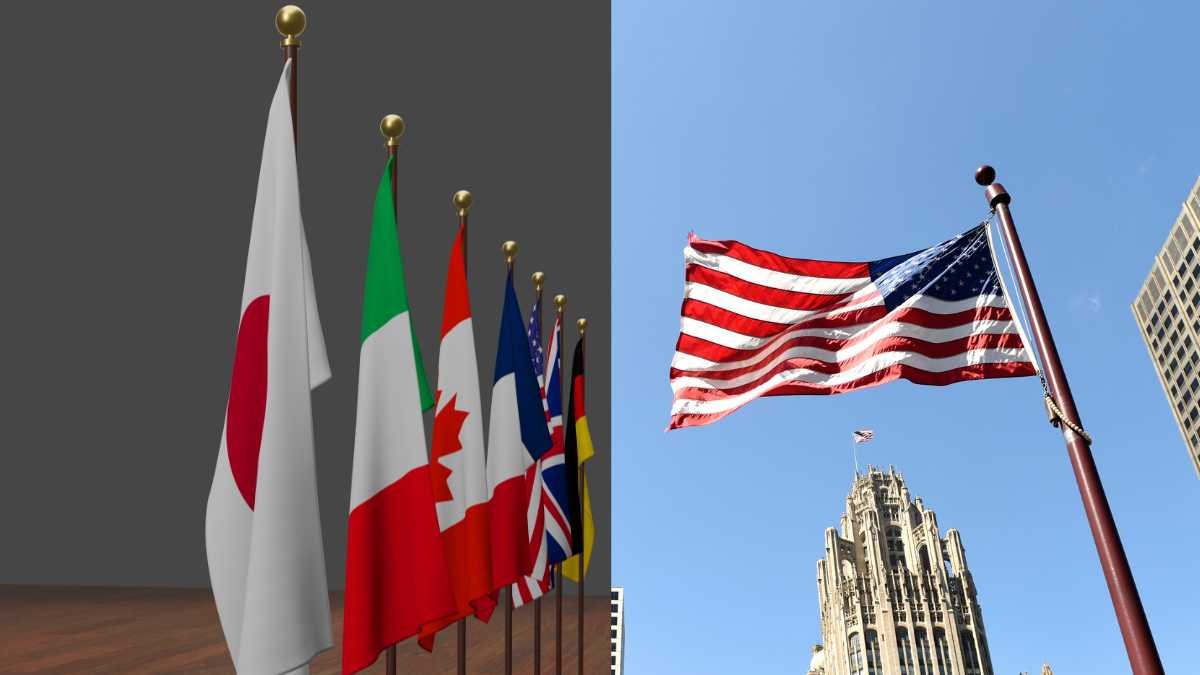
Formally, no single country runs the G7; the presidency rotates annually.
In 2025, Canada held the presidency and hosted the summit at Kananaskis in Alberta in June.
In 2026, the United States holds the presidency, but informally, the answer is obviously the United States.
That’s because the US accounts for more than half of the G7’s total GDP on its own. Also, it’s the only G7 country with a global military presence.
The dollar is also the world’s primary reserve currency, which means US monetary policy decisions automatically affect every other G7 economy, whether those governments want that or not.
When the Federal Reserve raises interest rates, capital flows out of European and Japanese markets into dollar assets.
- From an economic and Industrial point of view, Germany is the strongest nation in Europe in the G7.
- Japan is there for the Asia-Pacific security issues and monetary policy.
- The UK has worked hard post-Brexit to use its security and intelligence relationships to stay relevant in G7 conversations.
- France leverages its nuclear status and African policy role.
But none of them move the G7 agenda the way the US does. That is just how the power distribution sits right now.
How G7 Summits Work
The annual G7 summit is where heads of government meet for two or three days, sign a joint communique, and announce new commitments.
The host country sets the agenda, but a lot of the work happens before the summit.
Each G7 country sends senior officials called sherpas, named after the mountain guides who carry loads at altitude.
These sherpas meet multiple times in the months before the summit to negotiate the communique text, iron out disagreements, and identify what the leaders can realistically agree on.
By the time the heads of government sit down together, most of the substance is already locked in.
This summit itself is largely about political visibility and public commitment.
The G7 also runs parallel tracks throughout the year: finance minister meetings, foreign minister meetings, health minister meetings, and so on.
These working-level meetings are where technical agreements get shaped before they rise to the leader level.
G7 Priorities in 2026
With the United States holding the G7 presidency in 2026, the agenda is shaped heavily by American foreign policy priorities.
Based on where G7 discussions were heading through 2025, the main clusters look like this.
Ukraine and European Security
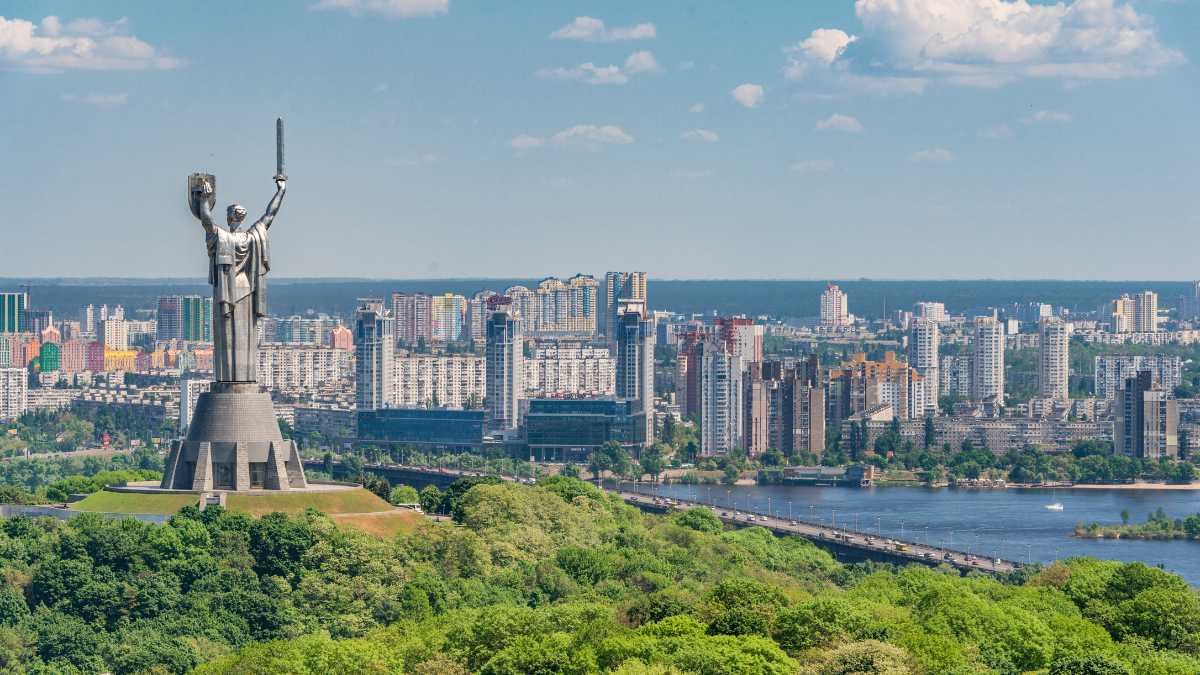
The G7 has been the primary coordination body for Western financial and political support for Ukraine since 2022.
The key questions for 2026 center around sustaining financial aid, managing the $300 billion in immobilized Russian central bank assets that are largely in Belgian accounts, and coordinating future reconstruction financing.
The G7 has committed to channeling the interest earned on those frozen assets to Ukraine.
As Russian assets are frozen, but they’re still earning interest on them, the G7 has pledged to use those Russian interests generated to support Ukraine financially.
China and Economic Security
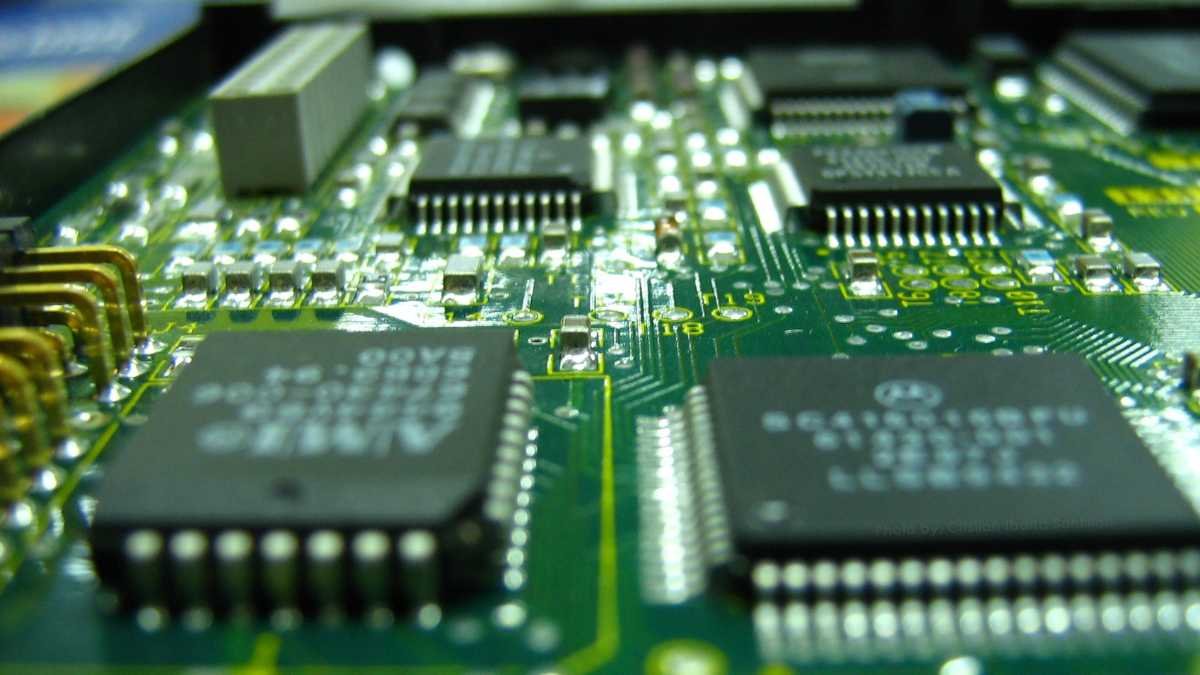
The G7 is no longer looking at China only as a major trading partner. In recent years, it has described China as a potential economic security challenge, especially because of heavy dependence on Chinese supply chains for semiconductors, critical minerals, and electric vehicle components.
The 2023 Hiroshima summit communique was considered one of the G7’s strongest and most direct statements on China in years.
Now in 2026, the United States will hold the G7 presidency, so the question will be whether other G7 countries continue with voluntary cooperation or move toward strict coordination.
This debate is especially important for dual-use AI systems, including both commercial and national security purposes.
The BRICS expansion and its impact on global influence are the other side of this picture, as China is building parallel institutions to reduce its exposure to G7-led economic pressure.
Energy and Climate
The energy picture going into 2026 is complicated by what has happened in European energy markets.
The post-2022 restructuring of European supply chains, buildout of LNG infrastructure, and sustained pressure from high energy costs on European industry are all live issues that feed into G7 energy policy discussions.
Also, the European energy crisis of 2026 has made energy security a very big G7 issue.
On climate, the G7 committed in 2021 to end new public finance for coal and in 2022 to phase out most coal power by 2035.
But implementation timelines have shifted, particularly in Germany and Japan, which are dealing with near-term supply pressures.
AI Governance

The Hiroshima AI Process, launched at the 2023 G7 summit in Japan, was the first serious G7 attempt to coordinate on artificial intelligence governance.
It produced a voluntary code of conduct for advanced AI developers in October 2023.
In 2026, it’s the US’s turn to handle the presidency, so the bigger question will be whether this cooperation will move beyond voluntary efforts and become more formally coordinated, especially around dual-use AI systems that have both commercial and national security uses.
This is an area where the G7 has technical leadership but limited enforcement tools.
Global Debt and Development Finance
A number of developing countries that borrowed heavily during the pandemic years are now in debt distress or facing restructuring.
The G7 plays a major role in handling sovereign debt problems, as I said, it has a strong influence over institutions like the IMF and World Bank.
This Framework for Debt was introduced in 2020, during the G20 meeting. However, it has processed slowly.
Because of this, the G7 has faced growing pressure to speed up debt decisions, especially for countries like Zambia and Ghana.
Final Thoughts
The G7 countries’ purpose has never been just one thing; it was started as a crisis response mechanism in 1975 and has expanded its scope decade by decade, now including macroeconomic coordination, health security, AI governance, energy, geopolitical pressure campaigns, etc.
The group is a fast coordination mechanism for the world’s most institutionally capable democracies.
There are some limitations too. It represents a declining share of global GDP.
- It cannot compel compliance from China, India, or any country outside its membership.
- Its statements are sometimes more ambitious than its follow-through.
But the alternatives, meaning purely bilateral coordination or waiting for the UN Security Council to act, are slower and often blocked.
The G7 fills a specific space, and as long as the major democracies want a venue for fast, frank coordination outside formal treaty structures, the G7 will remain relevant.
FAQs
Is the G7 the same as the G20?
No, they are different groups; the G7 is the smaller, older group of seven major advanced economies.
The G20 was created in 1999 and includes 19 countries plus the EU, covering a much broader set of economies, including China, India, Brazil, South Africa, and Saudi Arabia.
The G7 operates as a coordination core within the larger G20 framework.
Why is India not part of the G7?
This is a fair question given that India is now the fifth-largest economy in the world and projected by the IMF to become the third largest by the late 2020s.
So the simple answer is that when the G7 was formed in 1975, India’s economy was too small in its current size, and the group was built around Western-aligned industrialized nations. And, India simply did not fit that profile at the time.
Plus, structural barriers today are not just economic; G7 membership has an implicit democratic alignment requirement, which India does technically meet.
But India’s longstanding tradition of strategic autonomy, meaning it avoids formal alignment with any bloc, makes it an uncomfortable fit for a group that operates on tight consensus positions.
During the Russia sanctions campaign, India continued buying Russian oil at discounted prices while G7 countries were trying to enforce a price cap.
That kind of divergence is manageable when India is a G20 partner. It would be a structural problem if India were a G7 member expected to sign joint communiques.
There have been proposals, including from some European leaders, to invite India as a regular guest at G7 summits. India has attended some summits as an observer.
But there is no active process to expand G7 membership, and India has not publicly lobbied for a seat.
For now, India’s weight in global governance conversations flows through the G20, BRICS, which is expanding, and bilateral relationships rather than the G7.
Why is China not in the G7?
China’s economy was very small in 1975 when the group was formed, and the original membership was based on Western-aligned developed democracies.
By the time China’s economy grew large enough to warrant inclusion on economic grounds, the group’s identity as a democratic alliance created a structural barrier.
There have been proposals over the years to create a broader format, but no serious movement to expand G7 membership itself.
Does the G7 have a permanent headquarters or secretariat?
No! The G7 has no permanent headquarters, secretariat, or any fixed budget.
The host country for each year handles all organizational infrastructure for that year’s summit and working-group meetings.
The following year, all of that shifted to the new host. It’s deliberately lightweight by design, which is both a feature and a limitation.
How does a country get invited to join the G7?
There is no formal application or criteria document; membership has historically been by consensus among existing members.
Russia was invited in 1997 under a political logic, not purely economic criteria, and was suspended in 2014 on political grounds.

Abraham is the founder and sole writer of Geopolitics Decoded. Based in New Delhi, India, he has been researching and analyzing international affairs since 2019, with a focus on great-power competition, European security, energy geopolitics, and global diplomacy. He is currently pursuing independent coursework in global diplomacy through SOAS University of London. His fact-based, deeply contextual analysis has earned millions of interactions across social media platforms, including Threads and Instagram. Every article on this site is independently researched, written, and verified by Abraham personally. Read Abraham’s full author bio