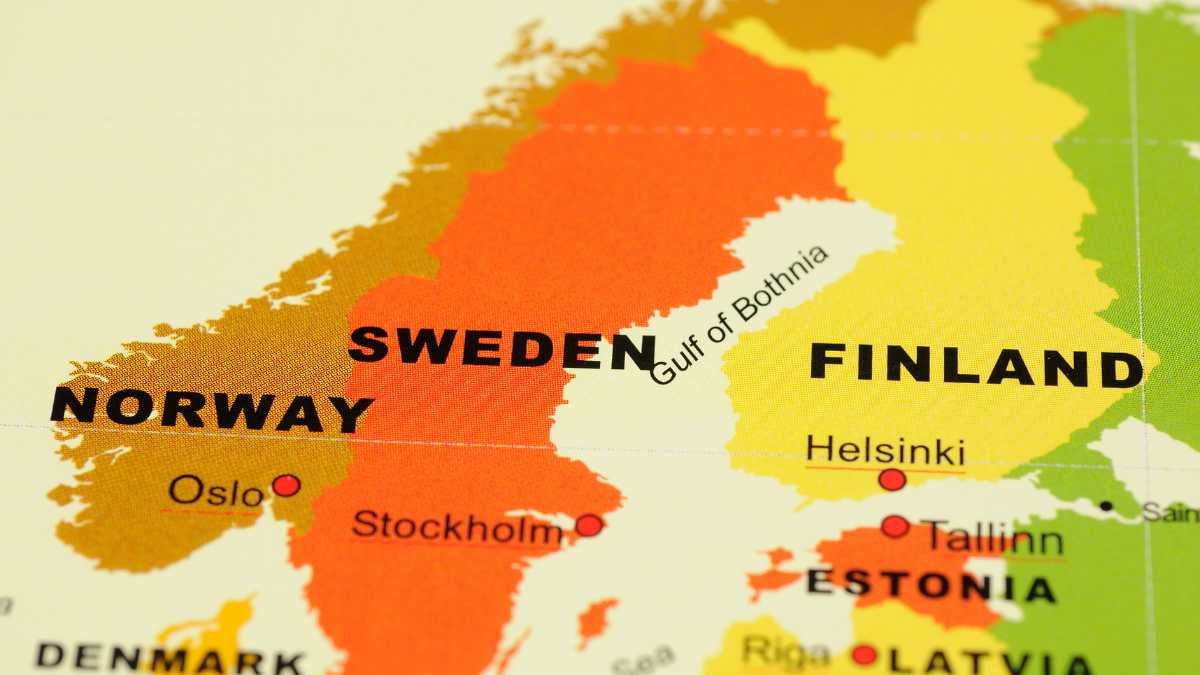
Finland and Sweden joined NATO in 2023 and 2024, and ended decades of deliberate military non-alignment.
Finland became the 31st member on April 4, 2023, and Sweden followed as the 32nd on March 7, 2024.
For context, Finland had been outside NATO for the entire Cold War, even while the Soviet Union existed right next door.
Sweden had been militarily non-aligned for over 200 years. So this was not a routine expansion.
So why did they join? The simple answer is Russia’s full-scale military operation in Ukraine, which began in February 2022.
Within weeks, public opinion in both countries flipped dramatically, and both governments moved fast.
But the longer answer is more interesting than that, because the reasons, the process, and the strategic implications all deserve a proper breakdown, and this is what I will do.
Why Finland and Sweden Stayed Out of NATO for So Long
Sweden’s non-alignment goes back to the Napoleonic Wars, well over two centuries.
Sweden fought its last war in 1814 and chose a path of military neutrality after that. And that posture held through two world wars, the Cold War, and the post-Cold War reorganization of Europe.
Finland’s situation was different and more complicated
After World War II, Finland signed the 1948 Treaty of Friendship, Cooperation, and Mutual Assistance with the Soviet Union.
The treaty didn’t explicitly bar Finland from NATO, but it required Finland to consult with Moscow if it faced threats from Germany or allied powers, and it created strong political and diplomatic pressure to avoid any moves seen as anti-Soviet.
This gave rise to the term “Finlandization,” which political scientists use to describe how smaller states adjust their foreign policy to avoid upsetting a more powerful neighbor.
Neither country was militarily weak; Finland maintained compulsory military service and built one of the largest artillery reserves in Europe relative to its population size, with a reserve force capable of mobilizing around 900,000 soldiers.
Sweden operated Gripen multirole fighter jets and maintained a submarine fleet.
And their non-alignment was a strategic choice, maintained by multiple governments across generations.
So staying out of NATO all this time wasn’t a failure or an oversight.
The 2022 Turning Point: What Broke the Decades-Long Calculation
When Russia launched its full-scale military operation in Ukraine on February 24, 2022, the debate in Helsinki and Stockholm shifted at a pace neither country had experienced before on a foreign policy question of this magnitude.
A Yle poll in May 2022 showed 76% of Finns supporting NATO membership, up from around 28% just the previous year.
In Sweden, support for NATO membership crossed 50% for the first time in recorded polling history, according to surveys tracked by the Swedish Defence Research Agency (FOI).
This calculation shift was structural because a large European democracy, Ukraine, was experiencing what happens to a country without binding security guarantees.
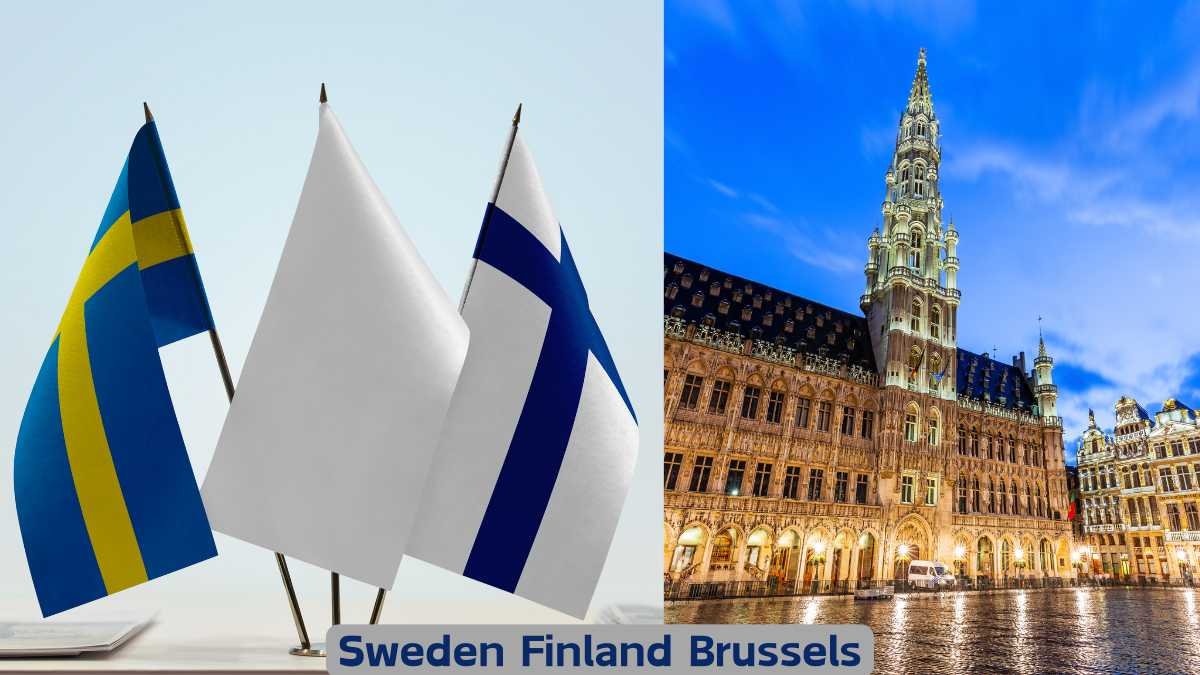
Finland and Sweden applied for NATO membership together on May 18, 2022.
And also, they did not panic; it was a synchronized policy move, which sent a clearer signal about the deliberateness behind it. The joint application was formally submitted to NATO Secretary General Jens Stoltenberg in Brussels.
The Process: How They Joined, Including the Friction
NATO membership requires unanimous consent from all existing members, which were 30 countries at the time of the application. And most approved quickly, but two did not, Turkey and Hungary.
Turkey’s Conditions
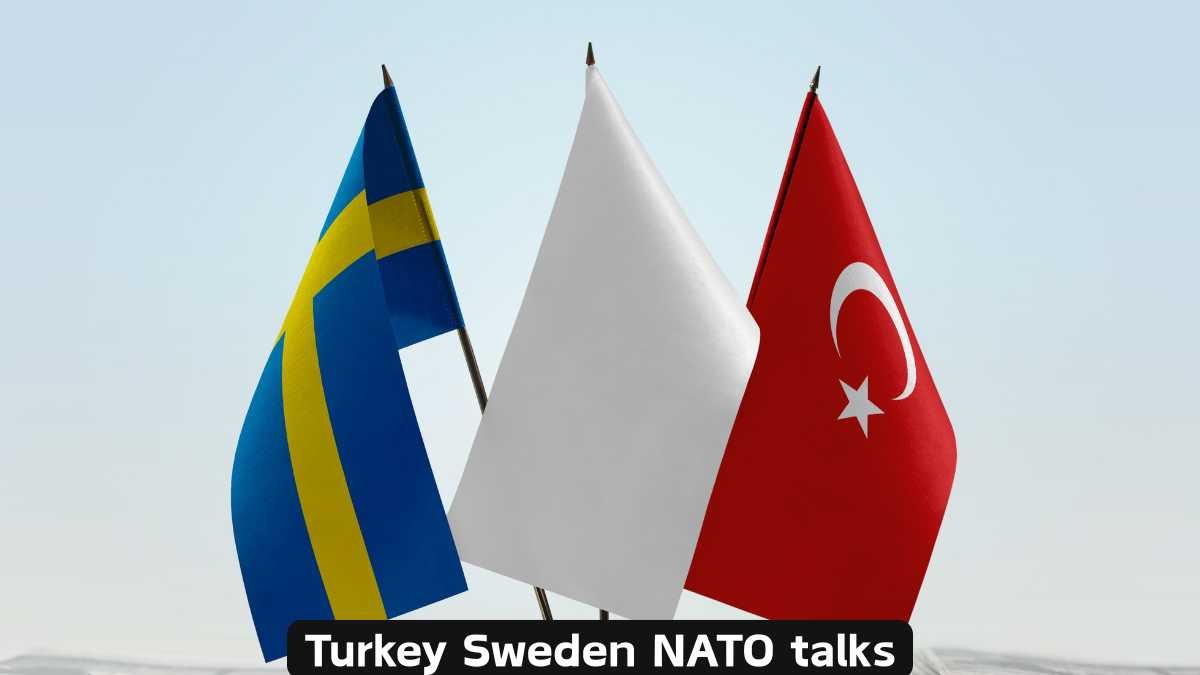
Turkey was the first and most prominent obstacle.
President Erdogan said publicly in May 2022 that Turkey would not support the applications, directing most of his criticism at Sweden.
Turkey accused Sweden of providing safe harbor to members of the PKK (Kurdistan Workers’ Party), which Turkey, the EU, and the US designate as a terrorist organization, and to followers of the Gülen movement.
Turkey also pointed to a Swedish arms embargo imposed after Turkey’s 2019 military operation in northern Syria.
A few months later, in June 2022, the three countries reached an agreement in Madrid.
Sweden then made some changes to ease Turkey’s objections, including updating its anti-terror laws, ending the arms embargo, and working more closely with Turkey on extradition cases.
Turkey ratified Finland’s membership separately in March 2023 and Sweden’s in January 2024, after additional assurances regarding Swedish counterterrorism cooperation.
Hungary’s Delay
Hungary was the second holdout; Prime Minister Orban’s government delayed Sweden’s membership until February 2024.
The stated reasons shifted over time but centered on EU rule-of-law disputes and bilateral diplomatic tensions with Stockholm.
Sweden’s formal accession was completed on March 7, 2024, when it deposited its instrument of accession in Washington.
Finland’s process was more clean; it became a full NATO member on April 4, 2023, exactly on the 74th anniversary of NATO’s founding.
What Finland and Sweden Bring to NATO
This is probably the most underexplored part of this post, because neither country has the GDP of Germany or the defense budget of France.
So what exactly did NATO gain? Here is what they gain:
Finland: Geography and Battle-Tested Military Doctrine
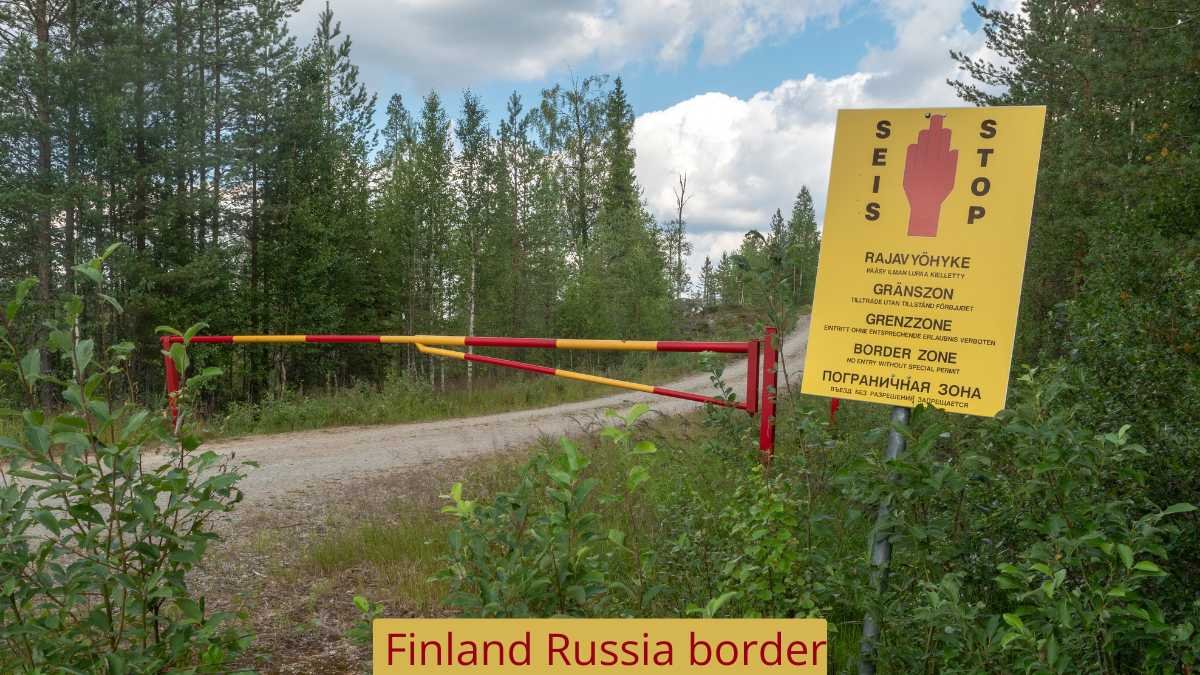
Finland shares a 1,340-kilometer border with Russia, the longest of any EU member state.
Before Finland joined NATO, the alliance’s only direct land borders with Russia were in Norway and the Baltic states, which were separated from each other by a large stretch of non-NATO territory.
Finland’s accession doubled NATO’s land border with Russia essentially overnight.
So its border changes logistics, deterrence planning, and the geography of any potential conflict scenario in northern Europe.
Finland also brings something that is harder to quantify: decades of military doctrine built specifically around potential Russian aggression.
Finland fought two wars against the Soviet Union between 1939 and 1944 (the Winter War and the Continuation War). And, its defense planning has never been abstract on this point.
So the Finnish army understands forest warfare, winter operations, and defensive depth in ways that are directly applicable to the terrain along the eastern NATO flank.
Sweden: Baltic Sea Control and Advanced Defense Tech
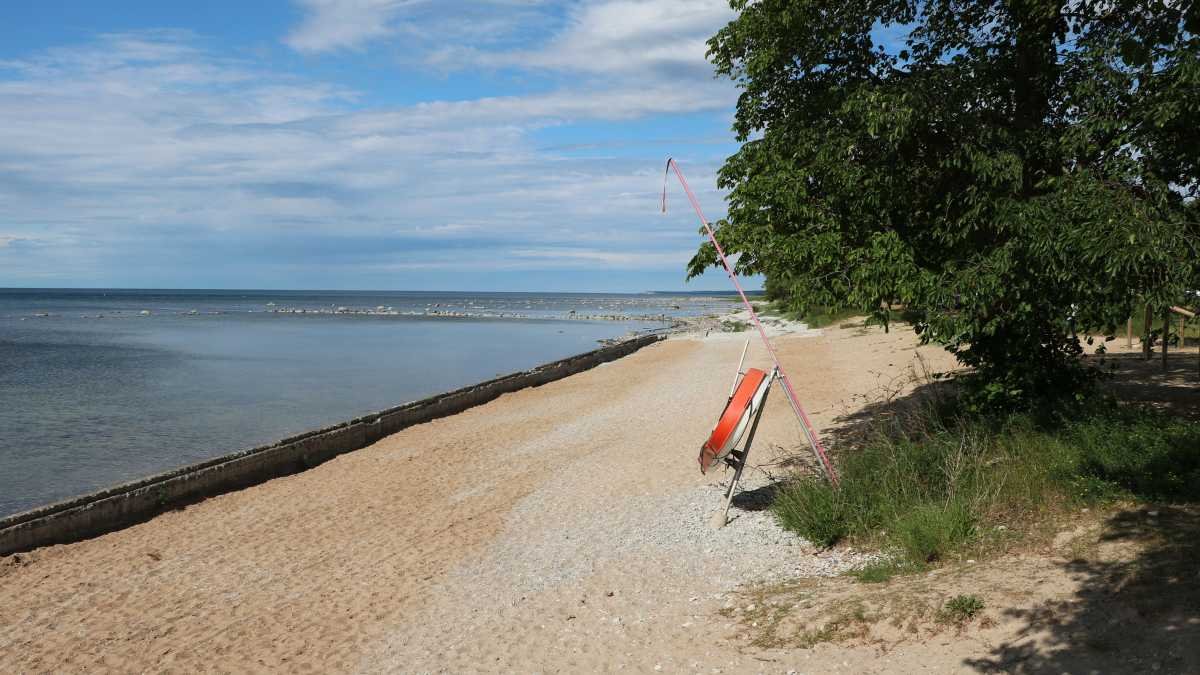
Sweden sits at the geographic center of the Baltic Sea.
Before Sweden joined, NATO had to plan for a Baltic Sea environment where one of the most strategically significant coastlines was outside the alliance.
With Sweden in, NATO’s ability to operate in and control Baltic Sea access improved substantially.
This matters directly for the defense of Estonia, Latvia, and Lithuania, and for any reinforcement scenario that will involve those countries.
Sweden also brings Gripen fighter jet production capability, the Gotland island (strategically positioned in the middle of the Baltic Sea), and a submarine fleet relevant to the region’s naval balance.
Together, Finland and Sweden closed a notable gap in NATO’s northern European coverage.
The Nordic-Baltic corridor, which NATO planners had long identified as a structural vulnerability, is now almost within alliance territory.
Fact: Poland is also building one of the strongest military presences in NATO. The 2026 defense budget hit a record 4.8% of its GDP. You can read that blog too.
Russia Reaction to Finland and Sweden Joining NATO
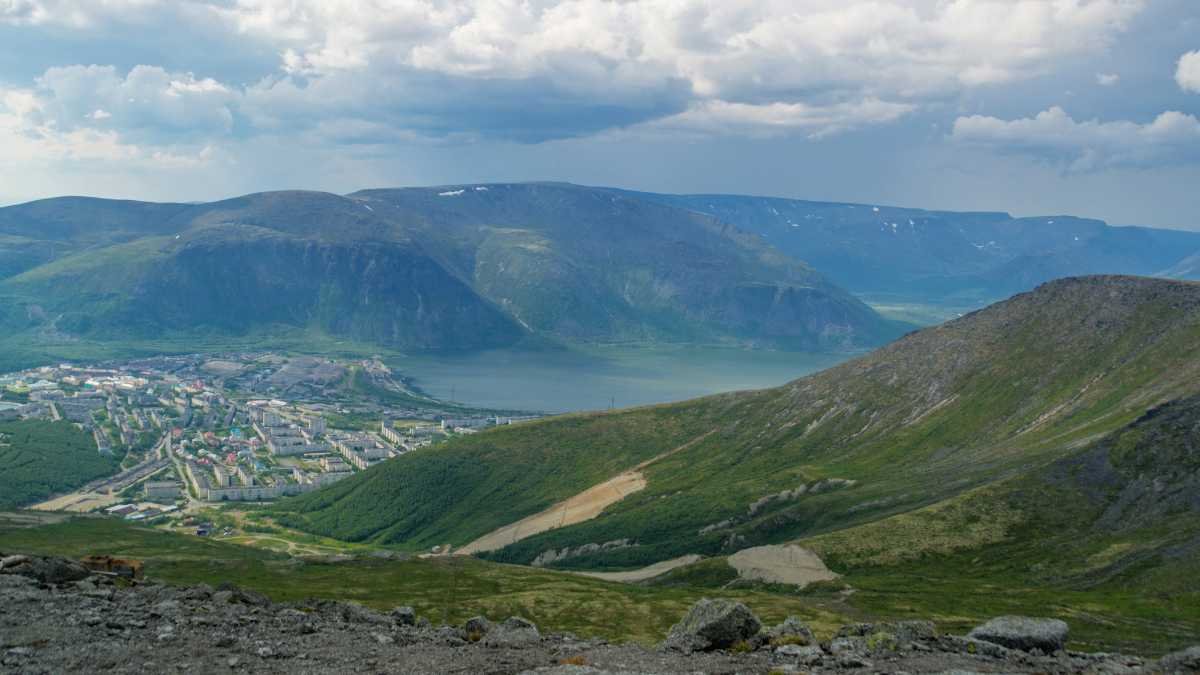
Russia’s public response was firm but measured. And the Russian officials warned of unspecified “counter-measures.”
Deputy Foreign Minister Alexander Grushko said NATO expansion “will not bring more security to Europe.”
Putin stated that Russia had no territorial conflicts with Finland or Sweden but that the expansion of military infrastructure would trigger a response.
In practical terms, Russia relocated some military units toward the Finnish border region, and there were reports of increased aerial activity near Finnish airspace in 2022 and 2023.
Russia also did not withdraw from the NATO-Russia Council, though that body had been largely inactive for years.
Next, what Russia did not do was take dramatic military action in response to either accession.
So the threats remained rhetorical, and this is worth noting because Putin had explicitly named further NATO expansion as a red line in December 2021, before the Ukraine operation began.
The addition of two Nordic countries with historically significant borders and military capabilities is a direct outcome, he said he wanted to prevent.
The Allies Who Had Questions, and Why It Matters
Turkey and Hungary got most of the public attention, but the internal NATO debate was not completely frictionless, even among supportive members.
Some allies raised practical questions about the pace of integration and whether both countries were ready to meet NATO’s defense spending benchmarks.
Both Finland and Sweden had spent below NATO’s 2% of GDP guideline for years, a product of their non-alignment posture and the post-Cold War peace dividend.
Sweden had cut defense spending substantially through the 1990s and 2000s.
By the time of accession, both governments had committed to reaching or exceed 2%.
Sweden formally announced a plan to raise defense spending to 2% in 2023, according to the North Atlantic Treaty Organization.
The US, UK, Germany, and France were supportive throughout. And for Washington, filling the northern European gap was a clear strategic win.
For the UK, it reinforced the Joint Expeditionary Force (JEF) framework already operating in the region with Nordic and Baltic partners.
For Germany, it reduced exposure along the Baltic coastline.
What Does this Change Mean for European Security Going Forward

The accession of Finland and Sweden will change NATO’s geometry in northern Europe.
The Baltic states, which have been among the most vocal about security concerns since Russia’s 2014 annexation of Crimea, now sit within a much more continuous NATO territory.
Reinforcement routes that previously had to account for a large neutral zone are now viable.
For NATO as an institution, the expansion demonstrates that the alliance’s open-door policy still works.
Two significant democracies with strong militaries and real geostrategic value pursued membership, navigated friction, and completed the process, so that was itself a data point.
However, practical integration will take time because defense procurement, joint exercises, NATO command structure integration, and interoperability planning are multi-year processes.
RAND Corporation analysis from 2023 noted that the full strategic benefit of both accessions would depend on sustained investment in interoperability and regional defense planning, not just the political fact of membership.
Final Thoughts
Finland and Sweden joining NATO is one of the more significant structural shifts in European security in decades.
Both countries had grounded reasons for staying outside formal alliances for as long as they did, and both made the decision to change that posture within a compressed window.
The process was not clean: Turkey and Hungary created some problems for them, and the alliance had to negotiate its way through political disputes before either accession was complete.
What they bring to NATO is concrete and meaningful, even if their GDP numbers don’t make headlines, but their Geography, military doctrine, Baltic Sea access, and northern European coverage fill that gap. And NATO planners had noted that for years.
Questions and Answers
Why did Finland join NATO so late if it shares a border with Russia?
The 1948 Soviet-Finnish treaty created strong political pressure to stay out of Western alliances.
Finland had a capable military all along, and it was a deliberate posture shaped by the post-WWII settlement, and for decades, it held.
But the 2022 shift happened because the security environment changed in a way that made that posture feel untenable.
What did Turkey actually want from Sweden?
Turkey also asked Sweden to take stronger action against groups linked to the PKK that were operating in Sweden. Besides this, it also asked to hand over some individuals.
Sweden changed its terrorism laws, lifted an arms embargo on Turkey, and agreed to a more structured extradition process.
Finland had fewer bilateral disputes with Turkey and moved through the ratification process about a year faster because of that.
Does NATO’s expansion mean a higher chance of conflict with Russia?
Both sides have an argument here; NATO’s position is that expansion deters conflict by clarifying the cost of aggression toward any member state.
Russia’s position is that expansion reduces its security buffer.
How does Sweden’s location actually help NATO in the Baltic Sea?
Gotland Island sits in the middle of the Baltic Sea and is strategically important for controlling access to the Baltic states.
With Sweden in NATO, the alliance can use that geography for basing, surveillance, and operations.
Before accession, any Baltic defense plan had to account for a neutral Sweden that might restrict transit or basing rights, which was a planning constraint.
Are Finland and Sweden now fully covered under Article 5?
Yes, they are fully covered! Article 5 is the collective defense clause, which treats an armed attack on any member as an attack on all, and both countries are now full members.
During the transition period before their accession was complete, the US and UK provided bilateral security assurances, but those were political commitments, not treaty obligations.
Could Finland or Sweden ever leave NATO?

Technically, yes, Article 13 of the North Atlantic Treaty allows any member to withdraw after giving one year’s notice.
But in practice, leaving NATO would require a dramatic reversal of domestic political consensus in both countries, which currently sits at very high levels of public support for membership.
Withdrawal would also strip both countries of Article 5 protection and create huge defense planning gaps. So, it’s a theoretical option, but not a realistic near-term scenario.

Abraham is the founder and sole writer of Geopolitics Decoded. Based in New Delhi, India, he has been researching and analyzing international affairs since 2019, with a focus on great-power competition, European security, energy geopolitics, and global diplomacy. He is currently pursuing independent coursework in global diplomacy through SOAS University of London. His fact-based, deeply contextual analysis has earned millions of interactions across social media platforms, including Threads and Instagram. Every article on this site is independently researched, written, and verified by Abraham personally. Read Abraham’s full author bio