As of 2026, the EU and its 27 member states have mobilized around €75.2 billion in total military support for Ukraine since 2022.
On the other hand, the US separately committed around $65 billion in direct military assistance through mid-2025, making it the single largest bilateral donor in absolute terms.
And on April 23, 2026, the EU Council finalized a €90 billion loan for Ukraine backed by frozen Russian assets, covering 2026 and 2027.
If we compare EU vs US Military Aid to Ukraine side by side, we might miss some points, because their help to Ukraine is structurally different in how they give.
- The US, until recently, operated like a direct supplier, pulling from Pentagon stockpiles, and it shipped systems like Patriot missiles, HIMARS, and M777 howitzers straight to Ukrainian hands.
- The EU works more like a reimbursement system: member states donate equipment and Brussels pays them back through the European Peace Facility (EPF). On top of that is EUMAM Ukraine, a dedicated training mission that has trained over 90,000 Ukrainian soldiers at bases across Europe.
There is also the Trump factor, which reshaped how US aid flows work in 2025 and 2026. Now, let’s understand in more detail.
How the US and EU Deliver Aid and What Their Structures Are

The US approach is more direct; the Pentagon draws on its own stockpiles under Congressional authority and ships equipment to Ukraine.
- By mid-2025, the US had transferred over 7,700 air defense missiles, 1,600 air defense systems, and the largest overall delivery of M777 howitzers among all donor nations.
The EU model is more decentralized, in that individual member states send weapons from their own arsenals, then submit claims to the EPF for partial reimbursement.
- The EPF has disbursed €6.4 billion this way.
- It also channeled €3.4 billion from frozen Russian asset revenues into direct equipment procurement.
- EUMAM Ukraine, launched in November 2022 and extended through November 2026 at a cost of €362 million, runs training programs across Germany, Poland, and several other member states.
One practical difference:
The USA
- The US process moves faster.
- Congressional draw-down authorities let the Pentagon dispatch equipment quickly without waiting for sign-off from 27 governments.
The EU
- Their system involves more bureaucratic steps and, as we’ll cover, is vulnerable to a single country blocking the whole mechanism.
Ways for Ukraine to Get all the Logistics
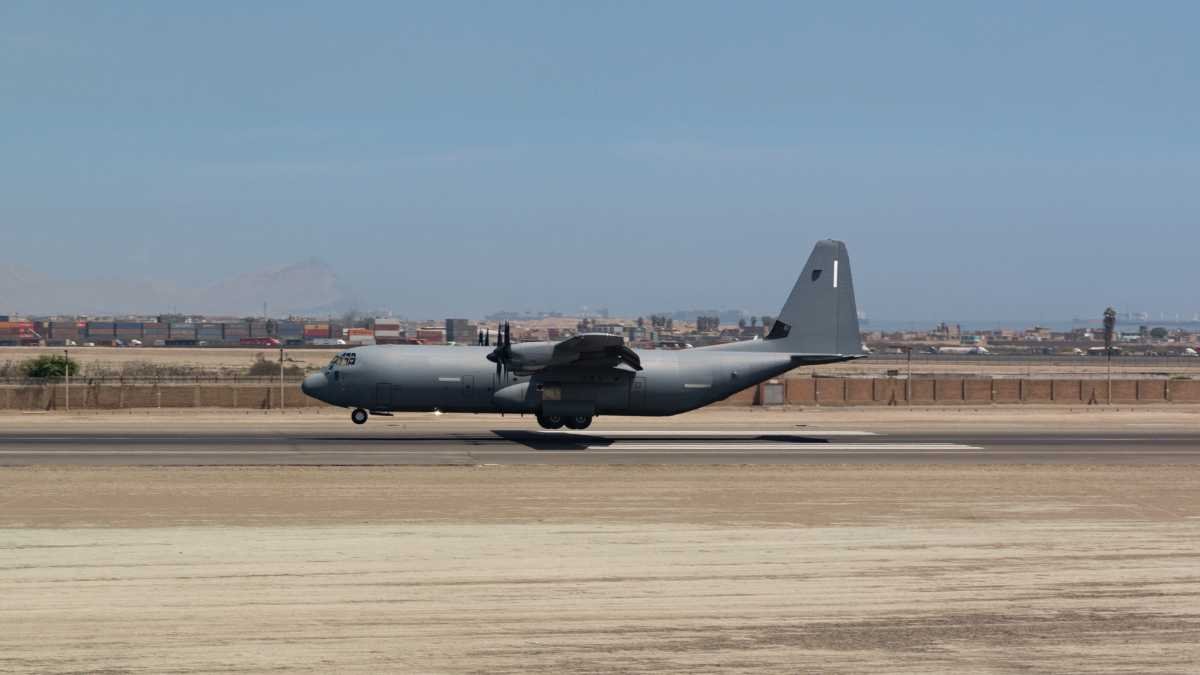
Moving heavy military equipment from depots in Germany or Ohio to Ukrainian hands requires crossing active borders through a logistics chain that barely existed before 2022.
The main artery has been the NATO hub in Rzeszów, Poland, as Poland is already the highest defense spender by GDP.
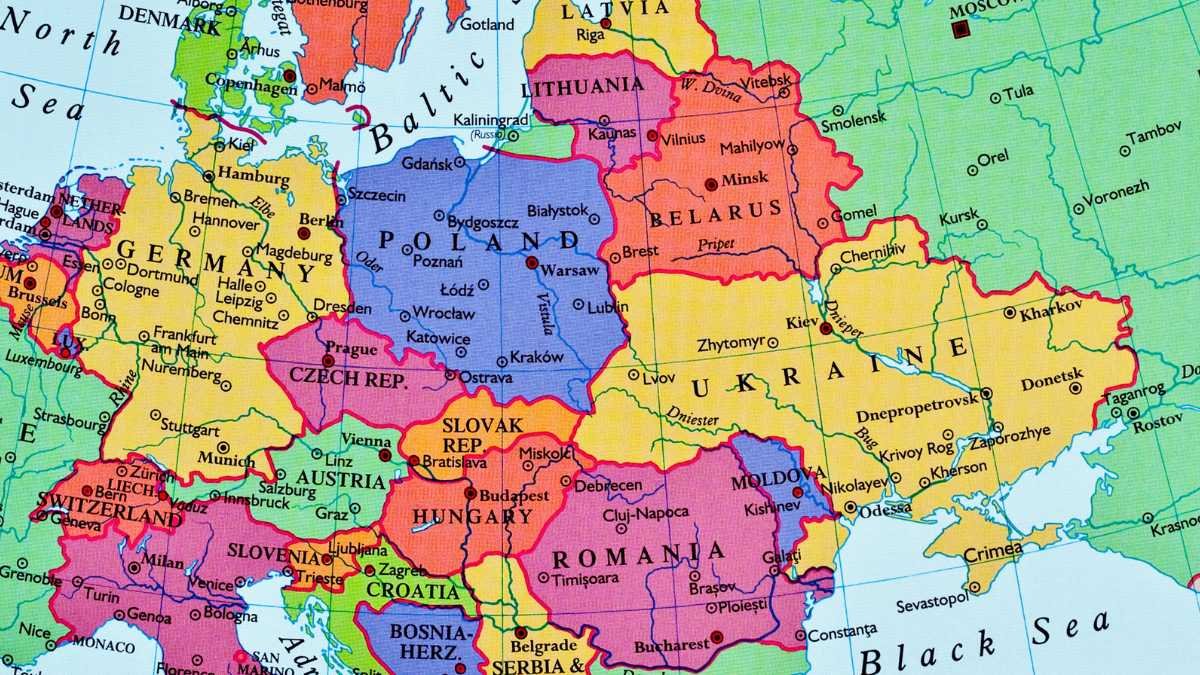
We can call it a central distribution warehouse: weapons arrive from across Europe and the US, get processed, and move east.
In 2025 alone, that corridor handled around 220,000 tonnes of military cargo across roughly 9,000 trucks, 1,800 rail cars, and over 500 strategic air shipments.
Relying on a single hub is a strategic vulnerability, so in January 2026, NATO activated a second logistics center in Romania under direct NATO command.
The Romanian hub operates alongside Rzeszów and doubles the overall transit capacity. It’s also better positioned for supply runs to Ukraine’s eastern and southern regions, which were harder to reach through only Poland.
There is also a technical bottleneck:
Ukraine’s railways run on a wider gauge than most European networks, and every freight shipment has to be transferred to different rail cars at the border; it adds time and handling to every delivery.
Ukrzaliznytsia, Ukraine’s national railway, then handles the domestic leg.
Hungary, separately, has refused to allow weapons transit through its territory since 2022, which is part of why the Polish and Romanian corridors carry the entire load.
Things Trump has Changed since His Second Presidency

On March 4, 2025, three days after a very public falling-out between Trump and Zelensky at the White House, the administration froze all US military aid to Ukraine.
Equipment on aircraft and ships already in transit was also held; his reason was that aid needed to be contributing to a solution, a clear push for Ukraine to move toward peace negotiations.
However, his pause fight lasted long enough, and he was eventually lifted.
Then, in July 2025, the Department of Defense conducted a separate capability review that halted Patriot missile deliveries and precision-guided munitions before Trump intervened to restart them within days.
The PURL mechanism (Prioritised Ukraine Requirements List)
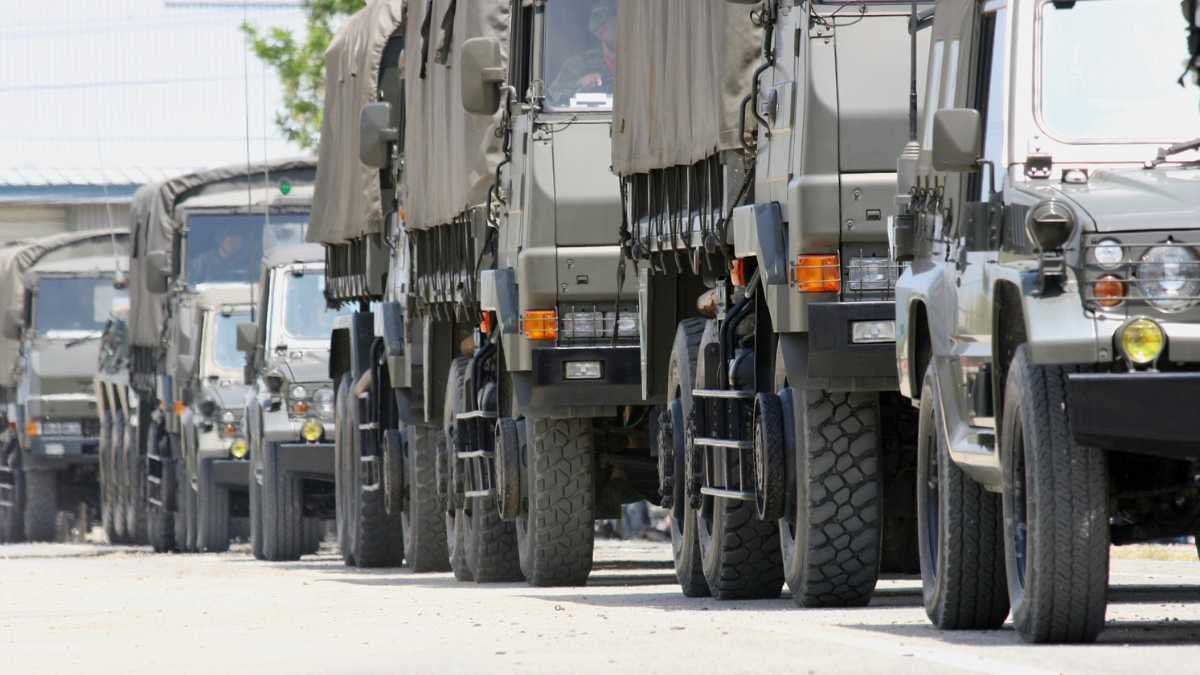
Under PURL, the US identifies Ukraine’s priority needs, facilitates procurement, and starts shipping immediately, while European partners cover the costs after the fact.
Then, in early May 2026, Ukraine’s parliament ratified a minerals deal with the US, and it established a joint reconstruction investment fund.
And then the main reason for that is that any future US military aid now counts as a capital contribution to that fund, not a grant.
So what does the USA get?
In exchange, the US gets preferential access to Ukraine’s critical mineral reserves, including titanium, uranium, and graphite.
Trump approved $50 million in weapons sales on the same day the deal was signed, and now the US support to Ukraine is no longer framed as charity; it’s an investment with deferred returns in resources.
The Country that Objected to Aid to Ukraine via the EU
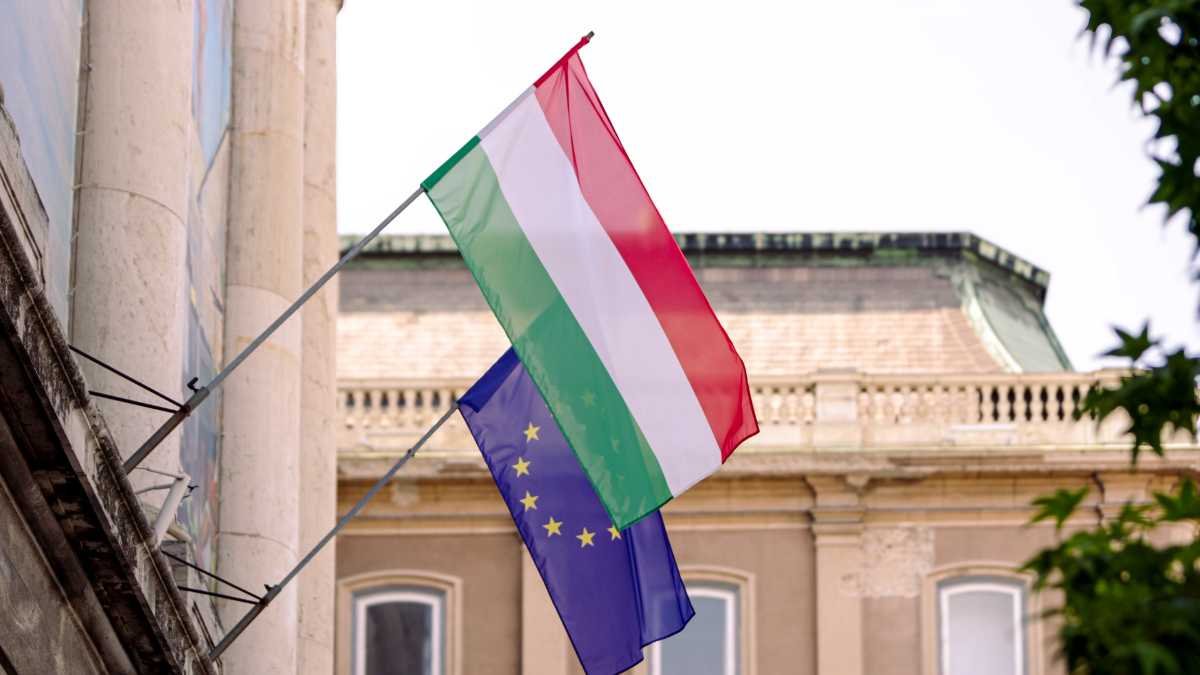
Hungary has been blocking EPF fund releases since 2022, and the accumulated backlog, standing at €6.6 billion as of May 2026, is money EU member states are owed for weapons they have already sent to Ukraine.
Budapest has also filed a lawsuit against the EPF at the EU Court of Justice over the decision to fund it using frozen Russian asset revenues.
The bigger flashpoint was the €90 billion loan agreed by all 27 EU leaders at the European Council in December 2025.
Hungary signed on, then walked it back after a Russian attack on the Druzhba oil pipeline in January 2026 damaged the supply route feeding Hungarian and Slovak refineries.
Former prime minister of Hungary, Viktor Orbán, used this as justification to block implementation while running an election campaign built around keeping Hungary out of the war.
EU leaders at a March 2026 Brussels summit openly accused him of abusing the veto for electoral gain.
However, the loan was finally approved on April 23, 2026, following Hungary’s April 12 election.
The EU’s workaround used borrowing on capital markets backed by the EU budget, with repayment expected through future Russian war reparations.
And its design was specifically meant to reduce single-member leverage, though it still took months.
Military Aid to Ukraine by Country GDP: Who’s Pulling Weight?
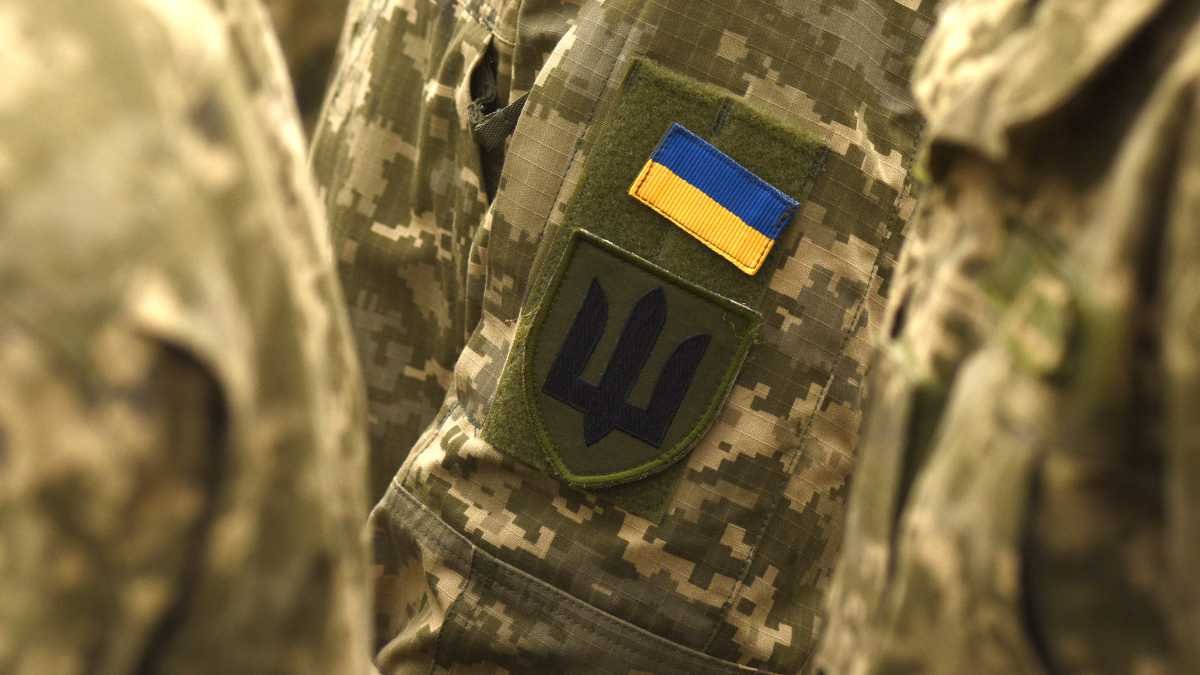
Germany leads in absolute European bilateral military donations at roughly €28 billion. But the cleaner measure is what each country gives relative to its own economic size.
Here is the data below, which comes from a February 2026 analysis by the Peterson Institute and Kiel Institute, covering January 2022 through October 2025:
| Country | Military Aid to Ukraine (% of 2021 GDP) |
| Denmark | 2.75% |
| Estonia | 2.63% |
| Lithuania | 1.91% |
| Latvia | 1.64% |
| Sweden | 1.42% |
| Finland | 1.16% |
| Norway | 1.00% |
| Netherlands | 0.93% |
| Poland | 0.68% |
| Slovakia | 0.68% |
| Belgium | 0.58% |
| Germany | 0.53% |
| United Kingdom | 0.50% |
| Croatia | 0.45% |
| United States | 0.32% |
| Bulgaria | 0.32% |
| Luxembourg | 0.26% |
| Canada | 0.25% |
| Czech Republic | 0.23% |
| France | 0.23% |
| Portugal | 0.17% |
| Iceland | 0.17% |
| Romania | 0.15% |
| Slovenia | 0.13% |
| Italy | 0.09% |
| Greece | 0.08% |
| Spain | 0.06% |
| Australia | 0.06% |
| Ireland | 0.02% |
| Turkey | 0.01% |
| New Zealand | 0.01% |
Note: These Figures show bilateral military aid to Ukraine as a percentage of each country’s 2021 GDP, covering January 2022 through October 2025. The 2021 GDP baseline is used because it was the last full year before Russia’s invasion of Ukraine.
However, Estonia, at 2.63% of GDP, is remarkable for a country of 1.3 million people.
And PIIE research also found that geography explains nearly half of the variation in aid levels across EU states.
Countries that share borders or recent history with Russian military pressure understand the stakes differently than France or Italy, and the data reflects that exactly.
Beyond Weapons: Civilian Aid and the Defense Industry

The EU has also pushed substantial civilian support, and since 2022, the EU has provided around $4.8 billion in humanitarian aid and emergency assistance:
- Sent over 157,000 tonnes of in-kind supplies
- Including mobile hospitals
- School buses
- Ambulances
- And power generators, and arranged 4,986 medical evacuations of Ukrainian patients to hospitals across Europe.
Europe is going through an energy crisis in 2026, but in terms of energy, the EU has donated $2.3 billion for energy security through the Ukraine Energy Support Fund and related mechanisms.
Total EU and member-state support across all categories has exceeded $223 billion since 2022.
Defense Industries that Get Benefits of the Ukrainian Aid
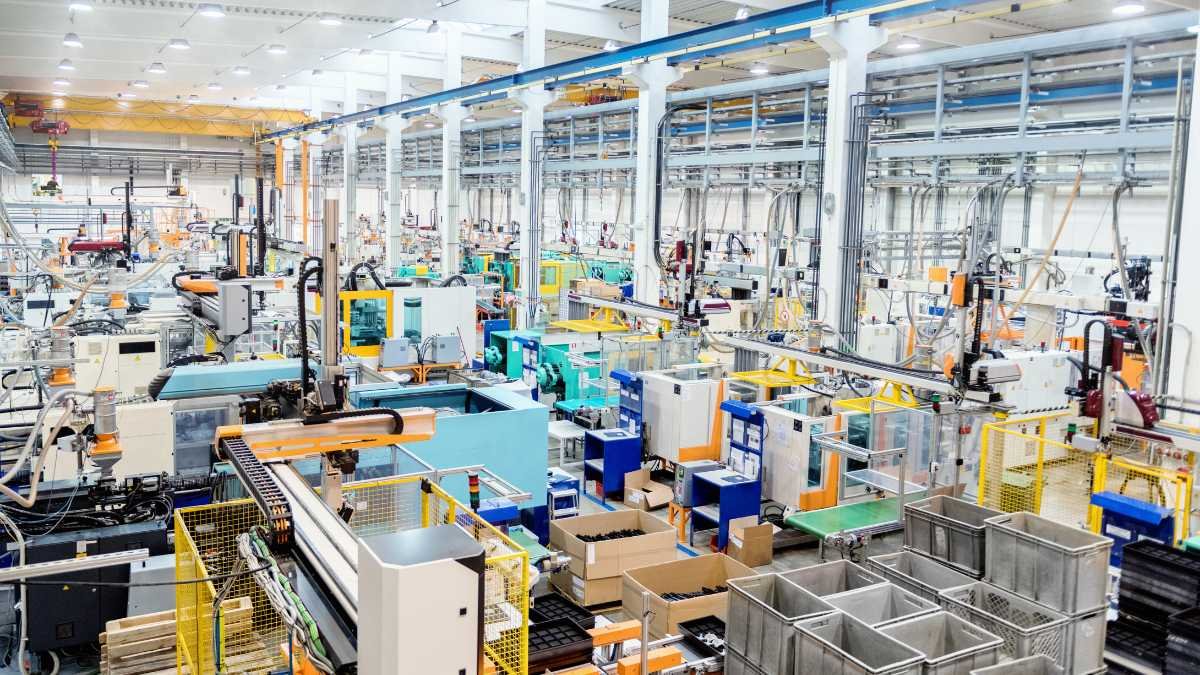
When Ukraine received a Javelin or HIMARS rocket, those were manufactured by specific companies; Raytheon co-produces Javelins with Lockheed Martin.
On the European side, Rheinmetall saw revenue jump 27% year-on-year while its stock climbed roughly 55% over the same period.
Sweden’s Saab posted 44% year-on-year revenue growth in Q2 2025.
The EU’s overall ammunition production capacity has grown 40% since 2022.
When governments send military aid and then replenish their own stockpiles, defense manufacturers get new production contracts.
How Russia Sees When Ukraine Receives the Aid
Russian Foreign Minister Lavrov formally notified all NATO capitals that weapons shipments to Ukraine are declared legitimate military targets.
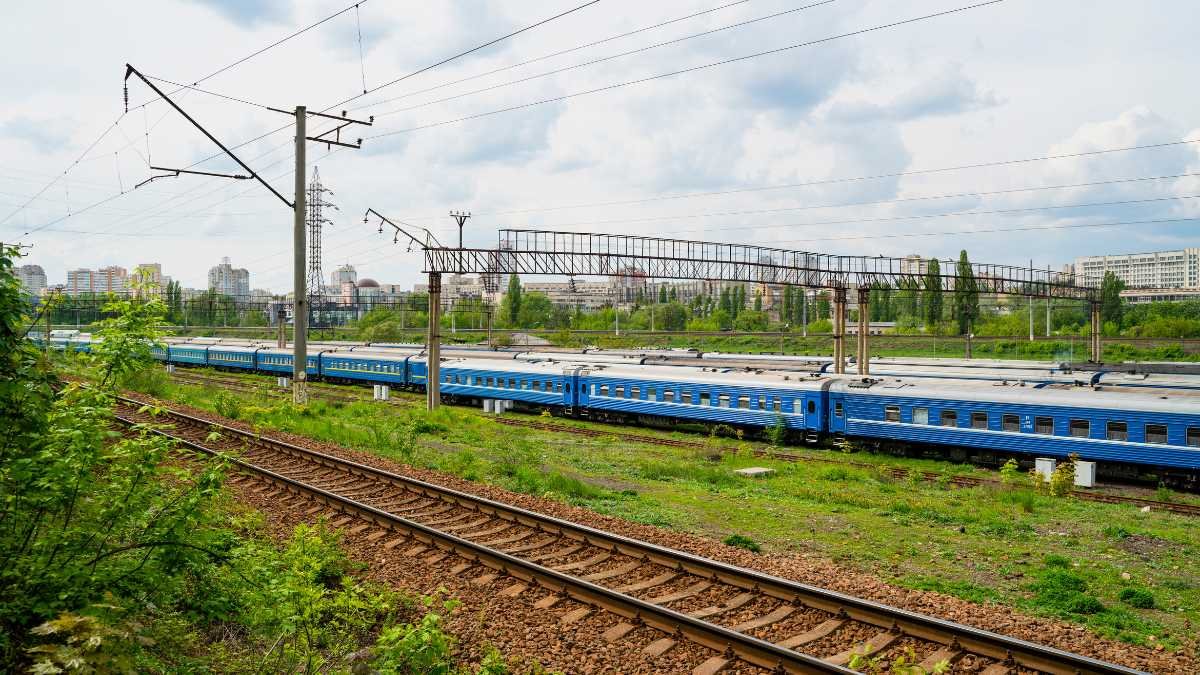
Since 2022, Russia has struck rail infrastructure, energy facilities, and logistics hubs in western Ukraine, specifically aimed at the supply chain.
In January 2026, the Druzhba pipeline was hit, and Russia struck the pipeline carrying oil through Ukraine to Hungary and Slovakia.
Hungary then used the resulting supply disruption as justification for blocking the €90 billion EU loan for months, which we discussed earlier.
Now, if this timing was coincidental or deliberate, we don’t know, but the downstream political effect was significant.
It handed Budapest a pretext that delayed critical funding and strained EU internal unity at exactly the wrong moment.
Russia has also sustained strikes on Ukrainian energy infrastructure to degrade Ukraine’s ability to maintain industrial activity, including its growing domestic defense production sector.
So, it clearly shows that Russia is not happy to see Ukraine receiving so much in aid, and it also knows that Ukraine will be used against Russia.
Conclusion

We cannot do a clear EU vs US military aid comparison in 2026, because both provide in a different way.
The US has provided the largest absolute military dollar value, but is now operating under a fundamentally different framework: investments tied to mineral rights rather than outright grants.
While the EU has stepped up substantially, especially with the €90 billion loan, the EUMAM training mission has also now produced 90,000 trained soldiers, and the €75.2 billion total mobilized.
But it continues to be slowed by internal vetoes and reimbursement backlogs.
Besides this, logistics infrastructure is more robust now than it was in 2022:
- Romania’s new hub has doubled transit capacity.
- The training pipeline is producing good results.
- The Baltic and Nordic states are contributing far beyond what their economic size would suggest.
FAQs
Does the EU actually pay for military equipment directly, or do member states handle that separately?
Mostly member states act bilaterally:
- Germany sends Leopards
- Poland sends artillery
- Estonia sends Javelins from its own stockpile.
- The EPF then reimburses them, partially.
The problem is that the EPF has a €6.6 billion backlog stuck because of Hungary’s veto.
But recently, the newly approved €90 billion loan, in April 2026, is structured differently: backed by EU borrowing against frozen Russian assets, not the EPF mechanism.
How does PURL work in practice?
PURL (Prioritized Ukraine Requirements List) was launched by the US in July 2025.
The US identifies what Ukraine needs, handles procurement and logistics, and starts shipping immediately.
European partners then cover the costs after delivery is confirmed.
So the new improvement over older models is that delivery does not wait for payment to clear first.
Why does Estonia contribute more relative to GDP than Germany or France?
It contributes mostly because of its geography, and Estonia, Latvia, and Lithuania share borders or very recent history with Russian military pressure.
A country of 1.3 million giving 2.63% of GDP is a huge domestic sacrifice.
For Germany or France, geographic distance softens the urgency, and coalition politics create friction around big military commitments.
Are US and European defense companies profiting from this?
Yes, DIRECTLY! When the Pentagon sends equipment and replenishes stockpiles, new manufacturing contracts go to Raytheon, Lockheed Martin, and General Dynamics.
On the European side, Rheinmetall’s revenue grew 27%, Saab posted 44% year-on-year growth in Q2 2025, and EU ammunition production capacity has grown 40%.
When governments send military aid, a significant portion flows back into their own defense sectors through replacement orders. Now, who gives this money to the government? Taxpayers.
So, this is how defense procurement works, and it’s built into the structure of every aid package.

Abraham is the founder and sole writer of Geopolitics Decoded. Based in New Delhi, India, he has been researching and analyzing international affairs since 2019, with a focus on great-power competition, European security, energy geopolitics, and global diplomacy. He is currently pursuing independent coursework in global diplomacy through SOAS University of London. His fact-based, deeply contextual analysis has earned millions of interactions across social media platforms, including Threads and Instagram. Every article on this site is independently researched, written, and verified by Abraham personally. Read Abraham’s full author bio