For the EU Global Gateway strategy in Africa, Europe is investing money into ports, rail lines, and mineral deals across the continent.
But in 2026, it is facing its toughest test yet, and that is coming from the European Parliament, not China.
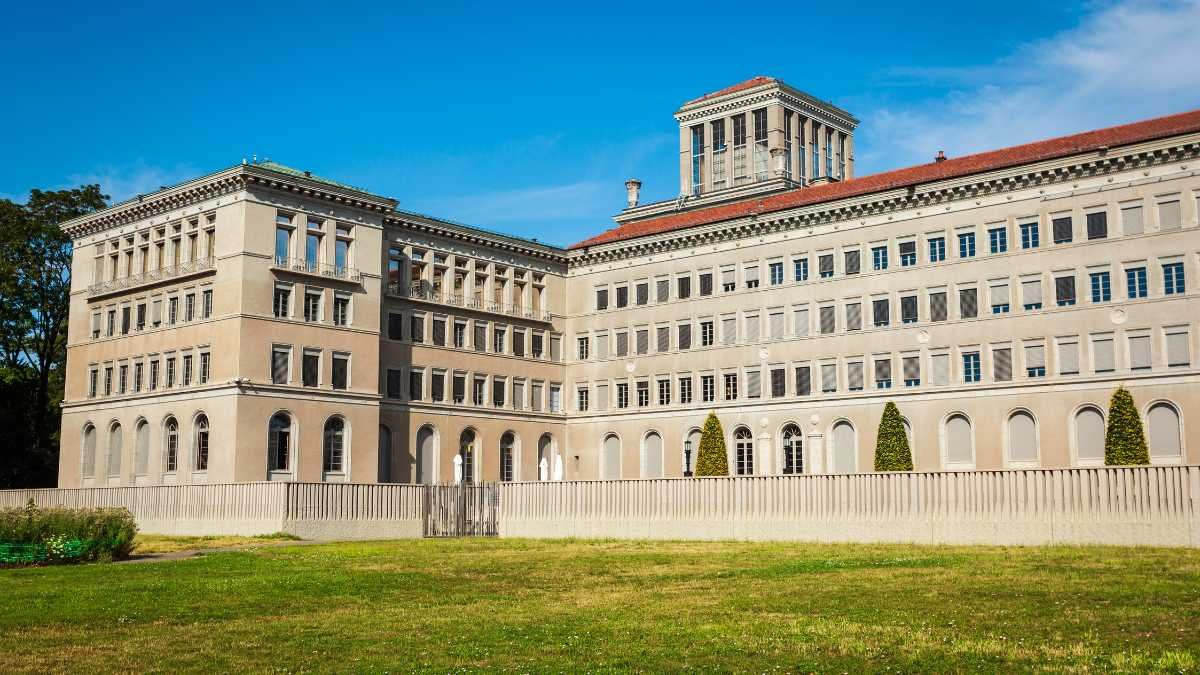
In March 2026, EU lawmakers adopted a report that called on the European Commission to investigate whether Chinese companies are actually building parts of the EU’s so-called anti-China infrastructure plan.
And it’s a fair question to know whether Global Gateway is really an alternative to China’s Belt and Road Initiative, or just a different name for the same builders.
Critical Minerals and the Real Fights, not Roads
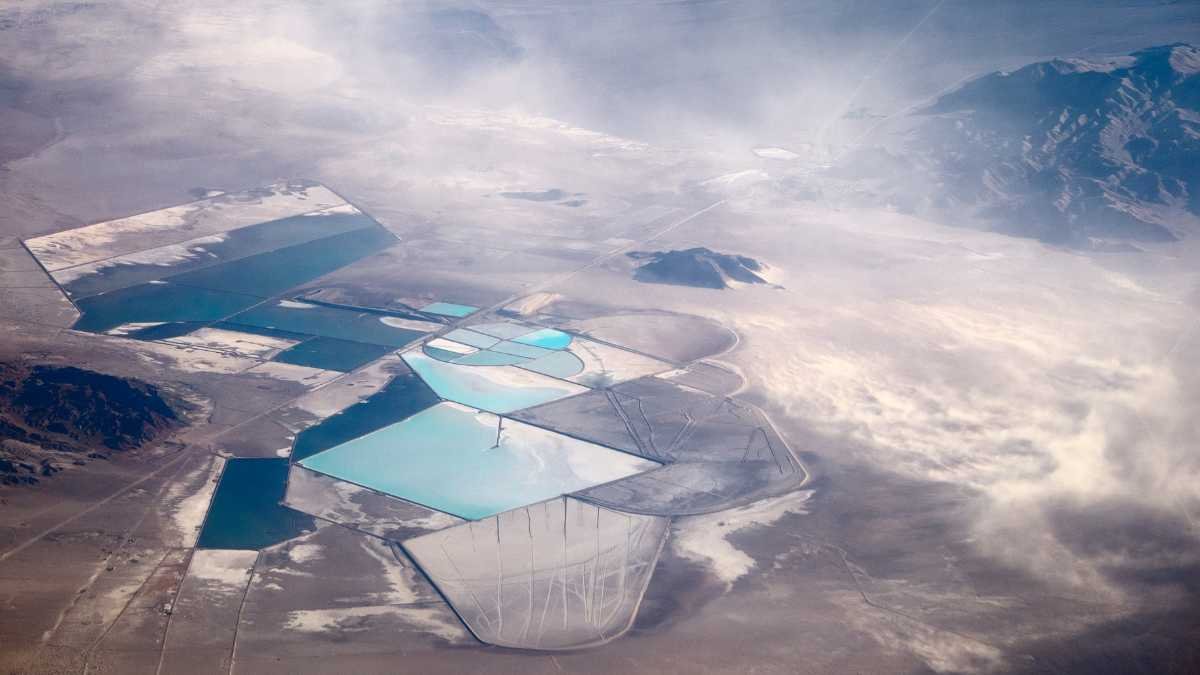
The EU is not really against China on roads and ports, who builds more, who builds faster.
But if we look at where the money and the political attention are actually going in 2026, it is minerals, especially Cobalt, copper, lithium, platinum group metals, rare earths, which are too important geopolitically, and China has the monopoly.
However, the EU passed the Critical Raw Materials Act, which came into force in 2024.
It set a rule that: No single country can supply more than 65% of the EU’s yearly use of any strategic material.
On the other hand, materials like dysprosium, terbium, and neodymium are supplied by China, as it covers more than 90 percent of global processing, so that gap is huge.
And Europe is now legally pushed to find other suppliers, and Africa holds most of those minerals.
South Africa Hosted the EU’s First Minerals Roadshow
On 1 June 2026, the EU held its first investment roadshow in South Africa focused only on critical minerals.
About 200 companies showed up at the Johannesburg Stock Exchange to compete for a share of a 12 billion euro commitment.
So, it’s a clear sign this is a core part of how Europe deals with Africa.
The DRC, Zambia, and South Africa Are Where the Money Is Going
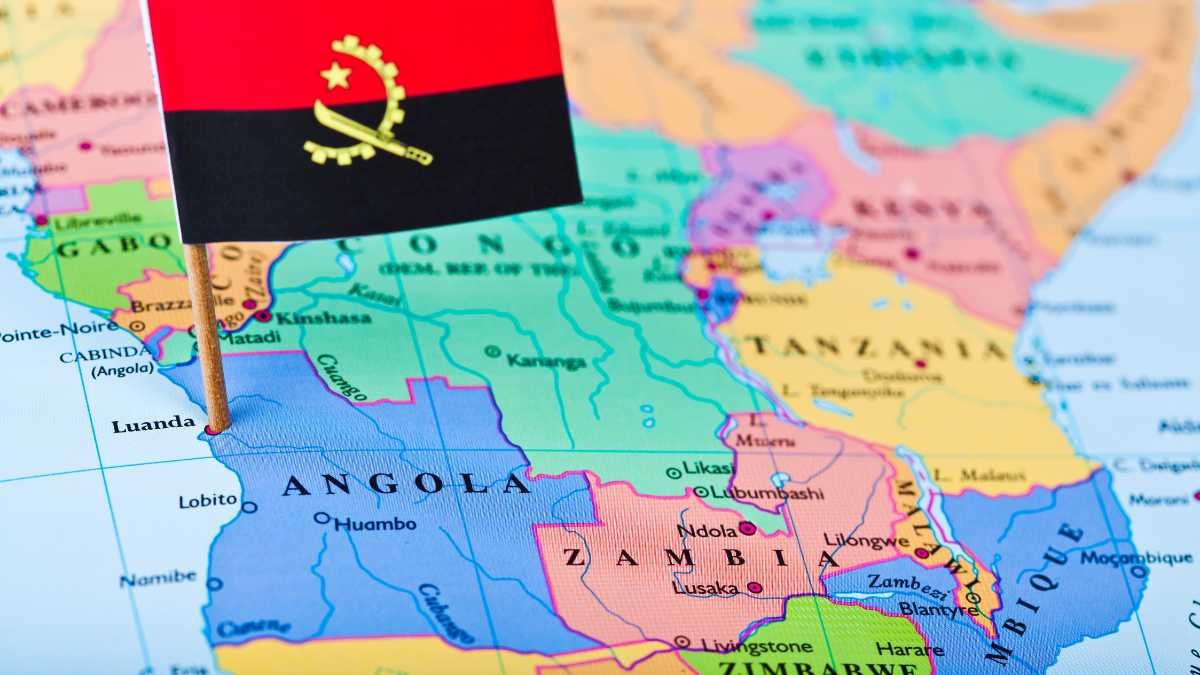
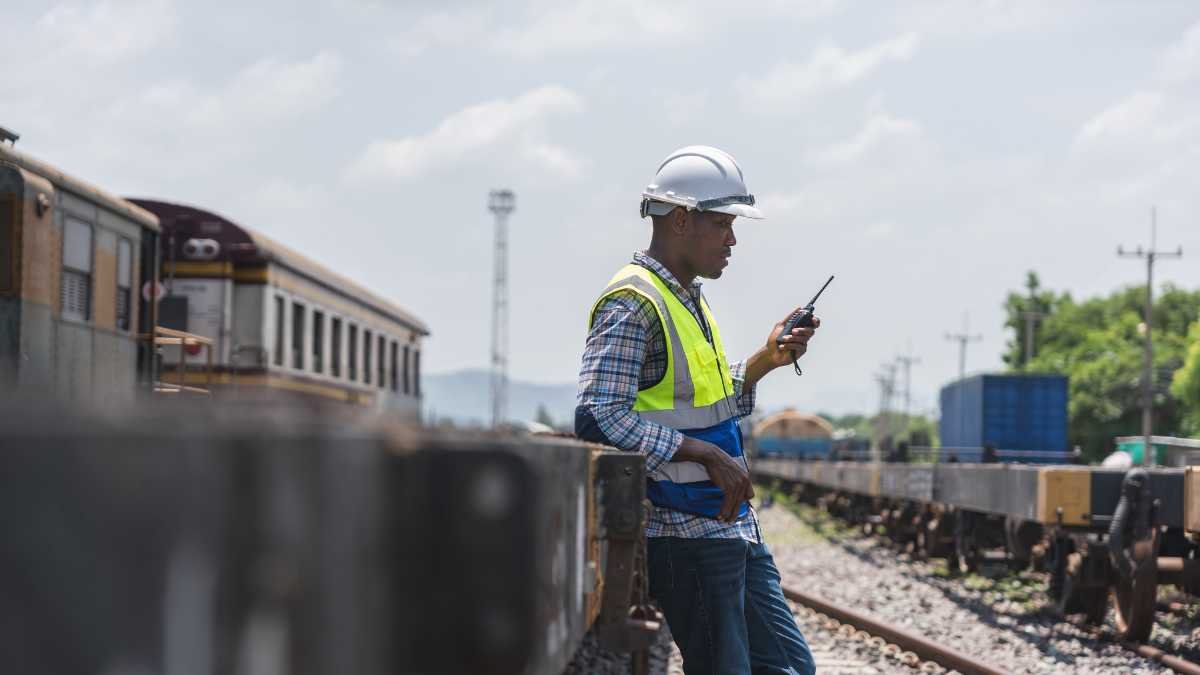
If you have read about Global Gateway before, you would know about the Lobito Corridor, a railway that connects the copper and cobalt region of the DRC and Zambia to Angola’s coast.
However, now we have a new development: in April 2026, nine construction companies visited the Zambian section of the Lobito project, with bids expected the following month.
South Africa’s Platinum Push Comes With a Rail Fix
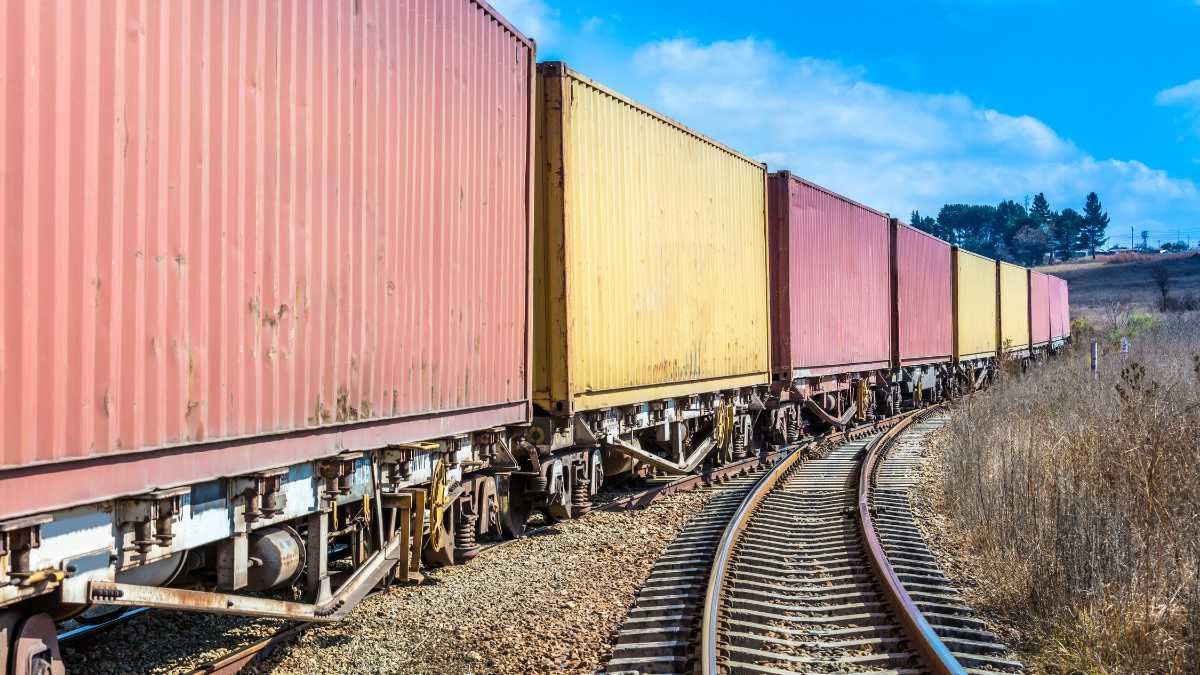
At the same time, the EU has put serious money behind South Africa because of its huge platinum group metals reserves.
One part of that deal that does not get much attention is a 1.48 billion euro facility for Transnet, South Africa’s freight rail company.
And it was because, you can have all the minerals in the world, but if the trains cannot move them to a port, none of it counts for much.
EU Lawmakers Are Asking If China Is Building the EU’s Own Projects
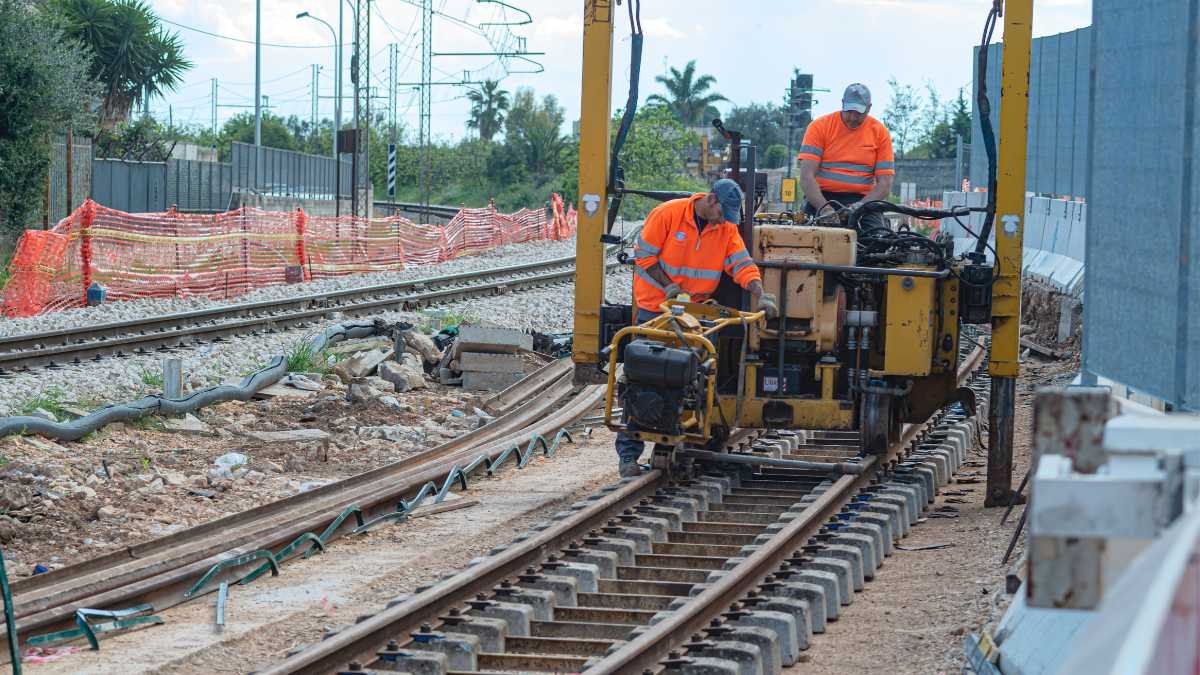
The European Parliament itself has raised serious doubts about whether Global Gateway is doing what it says it does.
On 26 March 2026, MEPs passed a report by a vote of 371 to 146, with 80 abstentions, asking for an immediate investigation into the role of Chinese companies in Global Gateway projects.
And the report said this directly goes against the plan’s own goal of being an alternative to China’s Belt and Road.
Reports That Have Been Coming Up Since 2023
Reports about Chinese firms working on Global Gateway projects first came out in October 2023, came up again in November 2024, and more news on it kept appearing as recently as 30 March 2026.
So this issue has been simmering for years, and it keeps coming back.
Lobito Corridor Is Now Under Review
EU lawmakers are now asking whether more than 2.3 billion dollars poured into the Lobito Corridor by Commission President von der Leyen is ending up with Chinese state owned companies.
Chinese construction firms have decades of experience building this kind of infrastructure in Africa, often faster and cheaper.
So even projects funded by the EU sometimes end up going to contractors who can actually get the job done.
However, the EU said: we are different, we are transparent, we are not China.
Angola, Zambia, and the DRC Are Working With Everyone at Once
It would be easy to think of African nations as just watching from the sidelines while the EU and China compete.
Well, this is not what is happening, these countries are working with the EU and China, at the same time, on purpose.
Angola Spreads Its Bets Across Many Partners
Angola’s approach has been called multi-partner pragmatism, and that program:
- China builds infrastructure
- EU brings regulation, it knows how and green technology
- The US offers security and mineral deals
- Gulf states provide money and shipping links.
So each partner plays a different role, and Angola avoids depending fully on any one of them.
This kind of approach is also showing up at the continental level, where groups like the African Union and the African Continental Free Trade Area are helping African countries negotiate from a stronger position together.
Zambia Is Selling the Same Minerals to Three Buyers
Zambia has signed critical minerals deals with both the EU and the US, while at the same time, its ties with China were upgraded to a comprehensive partnership back in 2023.
So Zambia is signing deals with the EU, the US, and China around the same minerals and the same region.
From Zambia’s side, it’s leverage: more buyers competing for the same Cobalt means better terms for Zambia.
The DRC’s Lithium Could Change Its Bargaining Power
DRC’s Manono lithium deposit is estimated at over 130 million tonnes, one of the largest lithium deposits in the world, with production expected to begin as early as mid 2026.
By the way, the project has also faced operating and governance problems that could push this timeline back.
If Manono starts producing this year, it will change the DRC’s negotiating position with both the EU and China, because right now the DRC’s leverage comes mostly from copper and Cobalt.
Lithium is the metal everyone wants for batteries going forward, so this could look very different by the end of 2026.
The Debt Trap Argument Works Against Both Sides
China’s Own Lending to Africa Has Dropped Sharply
Ten years into the Belt and Road Initiative, 80 percent of China’s government loans to developing countries went to nations now in debt distress.
Angola alone took on nearly 50 billion dollars in Chinese loans between 2000 and 2024, much of it backed by oil, in what is known as the Angola model.
However, now China has been pulling back sharply; Chinese lending to African nations has dropped about 90 percent since it peaked in 2016, and in 2024 Chinese banks loaned just over 2 billion dollars to African nations total, with 70 percent of that going to Angola.
China has become a net collector of old debts now, as billions in loans from years ago come due at the same time.
The EU Has Its Different Version of This Problem
Does the EU avoid this same trap with Global Gateway? Not fully, and this is where Europe’s messaging runs into trouble.
A Global Gateway raw materials deal with Rwanda is still active, even though the UN has accused Rwanda of smuggling minerals out of the DRC, where Rwanda is also involved in an armed conflict.
So the EU’s pitch of high standards, unlike China, runs into a problem when one of its own partner countries is accused of helping fuel a conflict in a neighboring country whose minerals the EU also wants.
There is also a different kind of concern raised by a report from Oxfam, Eurodad, and Counter Balance, which looked at 40 EU-funded projects and found European companies present in most of them.
Their worry is that Global Gateway may be helping European businesses win contracts more than it helps the countries the money is meant for.
So it is not a debt trap in the Chinese sense, but still a fairness question.
Who Is Ahead Right Now: China or the EU in Africa?
If you want a straight answer on who is ahead right now, it is this: neither side has a clean win.
China Still Has the Scale Advantage
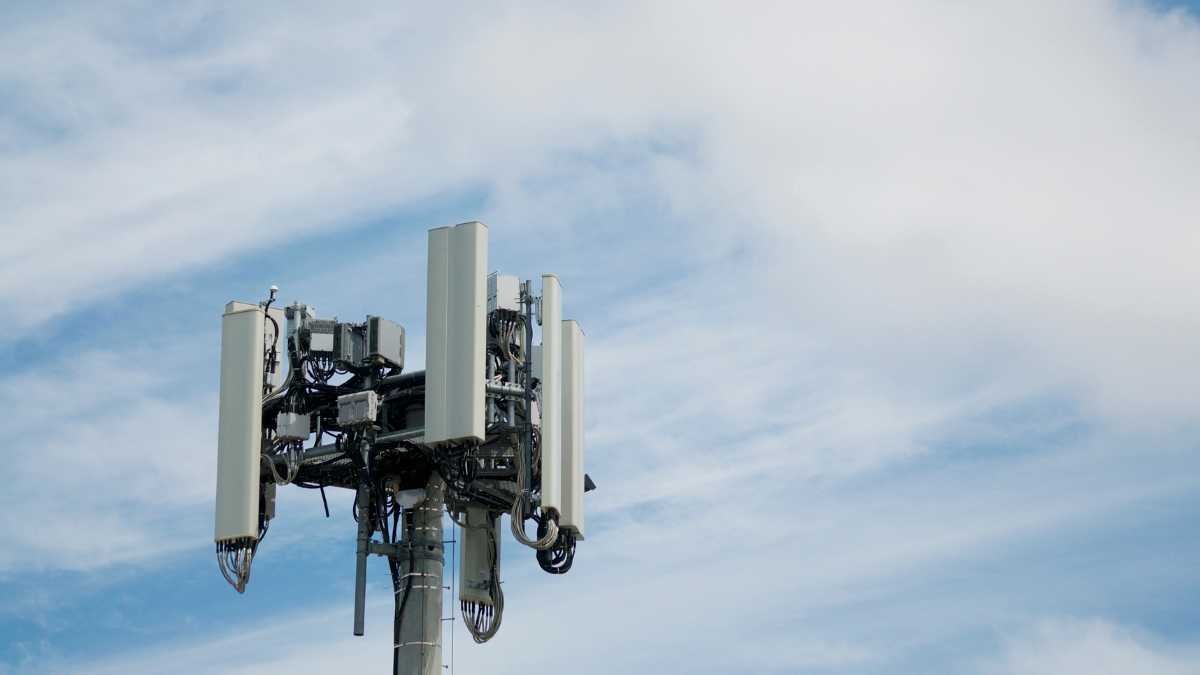
Africa-wide engagement in China’s infrastructure plans hit 61.2 billion dollars in 2025, and in telecoms specifically, Huawei has built 70 percent of Africa’s 4G network, with South Africa getting more than 70 percent of its ICT infrastructure from China.
That kind of dependence does not go away in a few years, no matter how much money the EU brings to the table, so China is a winner here.
The EU Is Catching Up Fast on Minerals
The EU has new momentum specifically on minerals.
Commission President von der Leyen announced in October 2025 that the original 300 billion euro target for Global Gateway had already been reached, two years early, with a new target of 400 billion euros set for 2027.
Now, whether it’s a bigger investment coming or some accounting flexibility is hard to confirm from the outside, since a lot of the financial details around Global Gateway are not fully public.
That lack of clarity is part of why the Parliament’s report keeps coming back to transparency.
Now we have to see if Parliament’s investigation into Chinese contractors actually leads anywhere.
If it finds clear evidence, the European Commission may need to tighten procurement rules, which could slow projects down.
Or they might also accept that using experienced Chinese builders is good and this is how things get done in Africa, which would be a significant admission either way.
Smaller African Countries Just Want to Stay Out of This Fight
There is a broader feeling across the continent that is not really pro EU or pro China, it’s closer to, like, do not drag us into your fight.
They even have broad agreement across Africa that the continent should not be pulled into the rivalry between the EU and China.
For smaller economies without the mineral wealth of the DRC or the oil of Angola, this rivalry mostly shows up as background noise: big announcements, forums, agreements signed, but not always money landing in their specific country.
They end up negotiating with whoever shows up first with something concrete, instead of getting to choose between two competing 300 billion euro plans.
Final Thoughts
The EU Global Gateway strategy in Africa has moved well past the announcement stage.
They’re investing money into critical minerals deals and corridor infrastructure, especially around South Africa, the DRC, Zambia, and Angola.
But the EU is also dealing with an awkward problem at home: its own Parliament is asking whether the alternative to China’s Belt and Road is being built by Chinese companies anyway.
Meanwhile, African nations are not sitting back waiting to be courted; they are working with multiple partners to get better terms, and that is probably the smartest way to read the whole situation.
So, neither the EU nor China is winning in any final sense.
But what is actually happening is a longer, messier negotiation where African countries are gaining more leverage.
Frequently Asked Questions
Is Global Gateway competing with China, or is it mostly branding?
It is both; money is moving, the South Africa minerals roadshow, and the Lobito Corridor construction are also real things going on.
However, the EU’s own Parliament is questioning whether Chinese firms are building anti China projects shows that the branding and the reality do not always line up.
If Chinese companies are building EU-funded projects, does that mean China wins either way?
In a practical sense, Chinese construction firms get paid and gain experience regardless.
But politically, what matters afterward is who controls the asset, owns the port deal, who sets the terms for how minerals get exported.
So China may win on construction contracts while the EU gains some influence over how the finished infrastructure is used.
Will the Manono lithium project change anything for the EU’s strategy?
If it starts producing on schedule in 2026, probably yes, because lithium is one mineral where the EU currently has very little direct access in Africa compared to copper and Cobalt.

Abraham is the founder and sole writer of Geopolitics Decoded. Based in New Delhi, India, he has been researching and analyzing international affairs since 2019, with a focus on great-power competition, European security, energy geopolitics, and global diplomacy. He is currently pursuing independent coursework in global diplomacy through SOAS University of London. His fact-based, deeply contextual analysis has earned millions of interactions across social media platforms, including Threads and Instagram. Every article on this site is independently researched, written, and verified by Abraham personally. Read Abraham’s full author bio