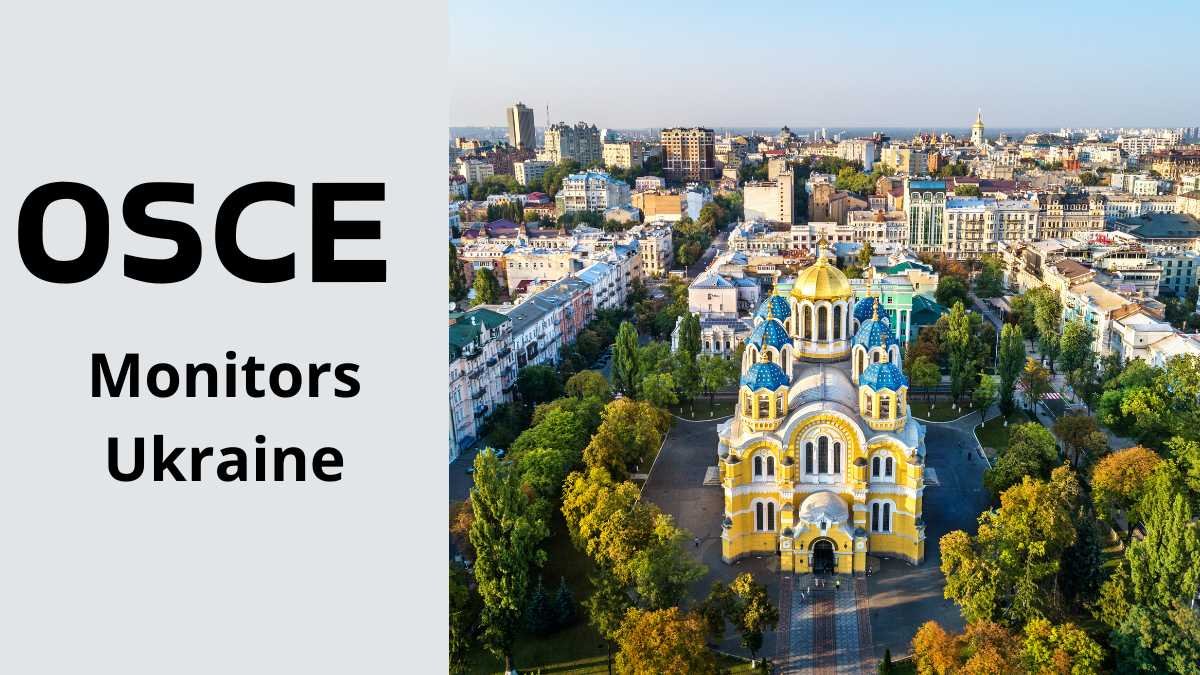
The OSCE Special Monitoring Mission to Ukraine was the largest civilian monitoring operation in post-Cold War Europe.
It launched on March 21, 2014, following Russia’s annexation of Crimea and the collapse of the Yanukovych government.
And it officially closed on March 31, 2022, after Russia used its veto to block mandate renewal, just five weeks into the full-scale invasion.
So if you are looking for an active OSCE monitoring mission in Ukraine in 2026, there is not one. But what exists now is a support programme such as EU vs US Military Aid to Ukraine, an organization positioning itself for a future ceasefire role, and much more.
Why the OSCE Got Called In, and How Fast It Deployed
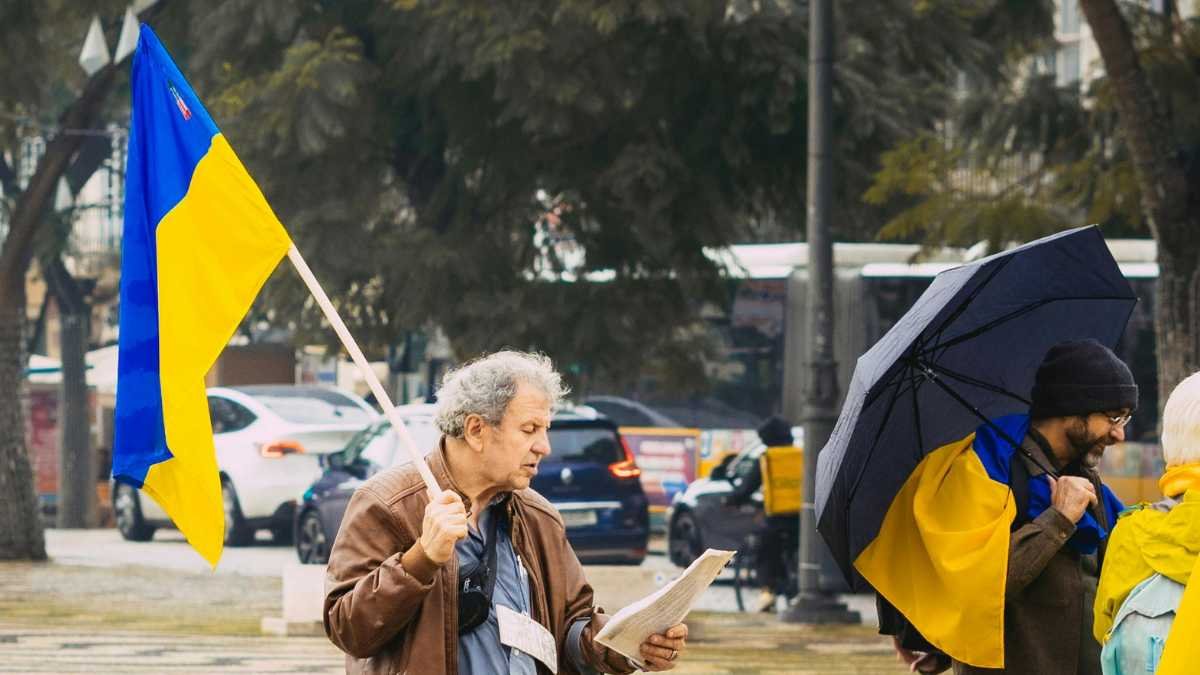
The Organisation for Security and Co-operation in Europe has no peacekeepers, no Security Council, and no enforcement arm.
It’s a 57-member regional security body that operates on full consensus, which means that every state, including Russia, has to agree on major decisions.
By early 2014, Ukraine was in political freefall, the Euromaidan protests had just ousted President Yanukovych, Russia had moved into Crimea, and Donbas was starting to fracture.
The OSCE’s Chairman-in-Office, Swiss Foreign Minister Didier Burkhalter, proposed an observer mission on March 1, 2014, in an address to the UN Human Rights Council.
Within 24 hours of Permanent Council Decision 1117 on March 21, 2014, the first monitors were on the ground, and for a multilateral body, that is too fast.
The mandate formally covered the entire territory of Ukraine within its internationally recognized borders. Russia also joined the consensus but immediately attached an interpretive statement saying it did not consider Crimea part of the monitoring area.
So the mission launched with a built-in gap, and everyone knew it.
What OSCE Mission Supposed to Do
The Minsk Connection
The original mandate was:
- Observe
- Report impartially
- And facilitate dialogue.
Then in September 2014, the Minsk Protocol gave the SMM a more specific job, and it was to monitor the ceasefire between Ukrainian forces and Russian-backed separatists in Donetsk and Luhansk.
Minsk II in February 2015 expanded that further, assigning OSCE responsibility for monitoring weapon withdrawals and demilitarized zones.
So they had monitors operating 24/7 across eastern Ukraine, publishing daily reports on violations, recording explosions, documenting civilian damage, and tracking weapon movements, and all those reports were public; anyone could read them.
Between 2016 and 2021 alone, the SMM documented over 1.5 million ceasefire violations. And that was just the five-year window one research brief covered, but the total across the full 2014-2022 is much higher.
I’ve now covered in more detail how Minsk was resolved in my Frozen Conflicts Mediation blog, so you can read that too.
The UAV Programme
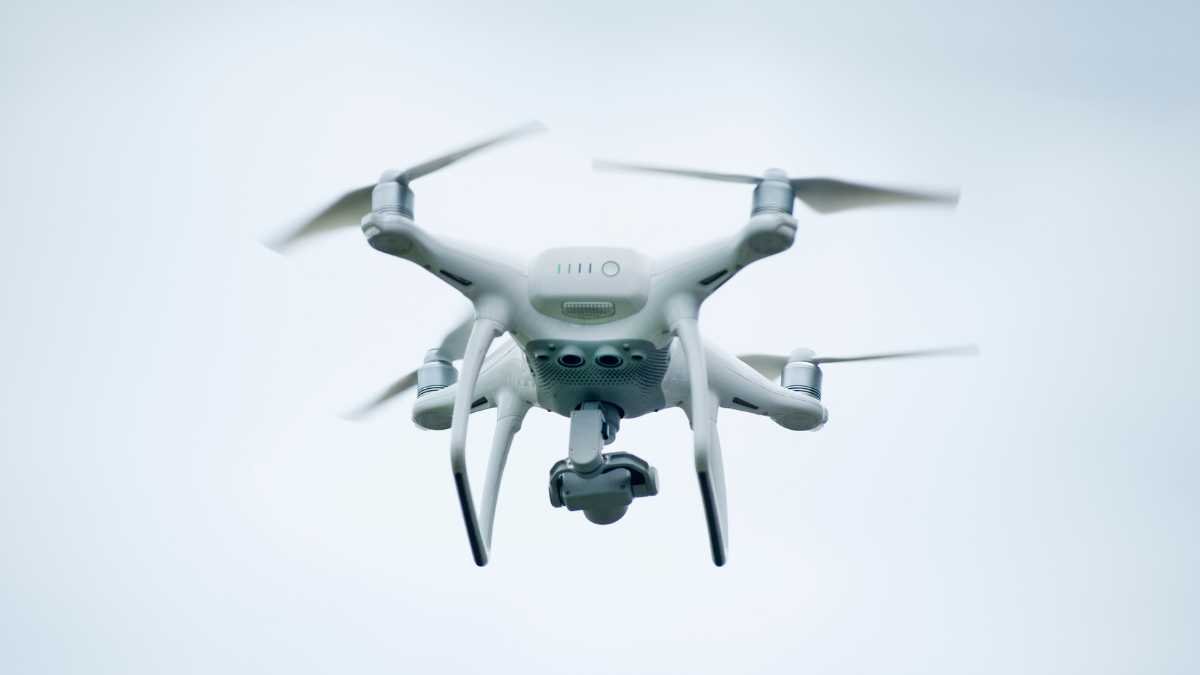
On October 23, 2014, the SMM began deploying unmanned aerial vehicles; it was one of the first civilian monitoring missions in Europe to do so.
The drones tracked heavy weapon positions and movement along the contact line. At one point, UAV costs accounted for close to 17 percent of the mission’s entire annual budget.
Who Ran OSCE and What It Cost
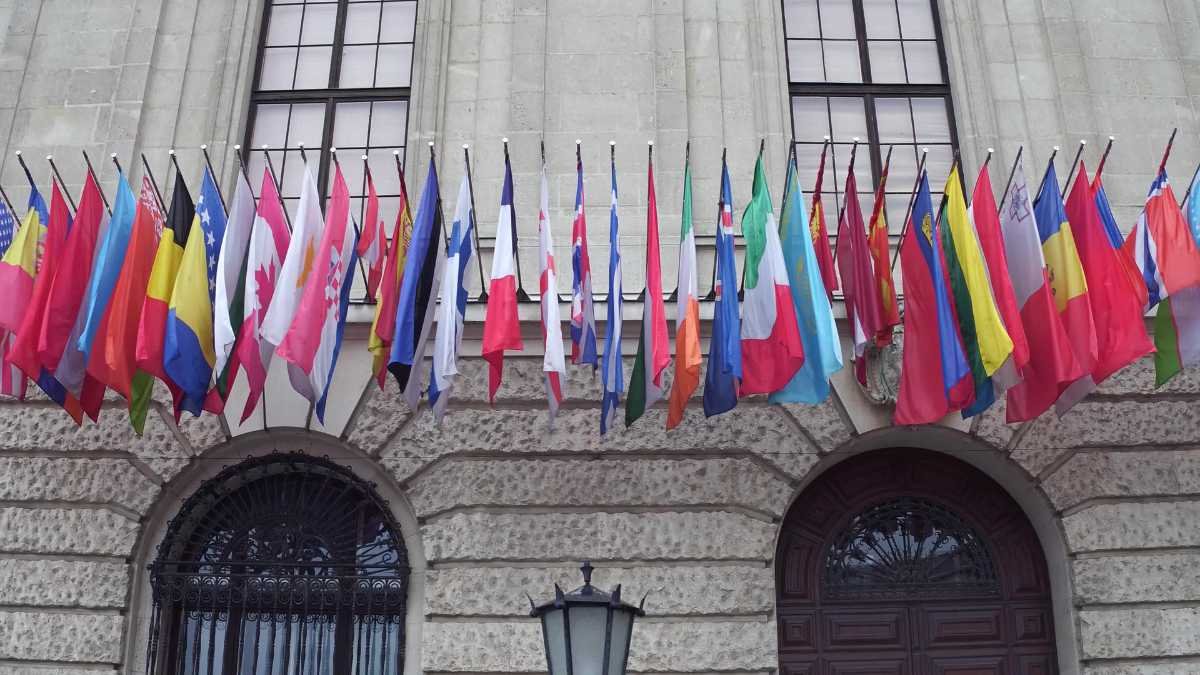
At its peak in 2020, the mission had around 700 international monitors from more than 40 states, plus around 300 local Ukrainian staff, and its Headquarters were in Kyiv with field offices in Donetsk and Luhansk.
The Chief Monitor would lead the mission, reporting to the rotating OSCE Chairmanship.
At that time, its annual budget was around 100 million euros.
The OSCE’s entire Unified Budget at the time was about 138 million euros globally.
So one field mission in Ukraine was consuming nearly three-quarters of what the organisation spent worldwide on everything it does.
Funding came through assessed contributions from all 57 states on a set scale, which is similar to how UN dues work.
And Russia was a part of the group, so that meant Russia was also contributing to a mission designed to monitor its own proxy forces in eastern Ukraine.
Russia’s Foreign Ministry acknowledged this openly in April 2022, saying Moscow had provided “all-out political, financial and personnel support” to the SMM for eight years before blocking renewal.
Reasons Why OSCE is not Working Anymore
Russia was a veto-holding participating state and also the de facto patron of the forces being monitored. So, it’s a structurally impossible position for any monitoring body to navigate; these are the things that observers faced:
Access Denied at Every Turn
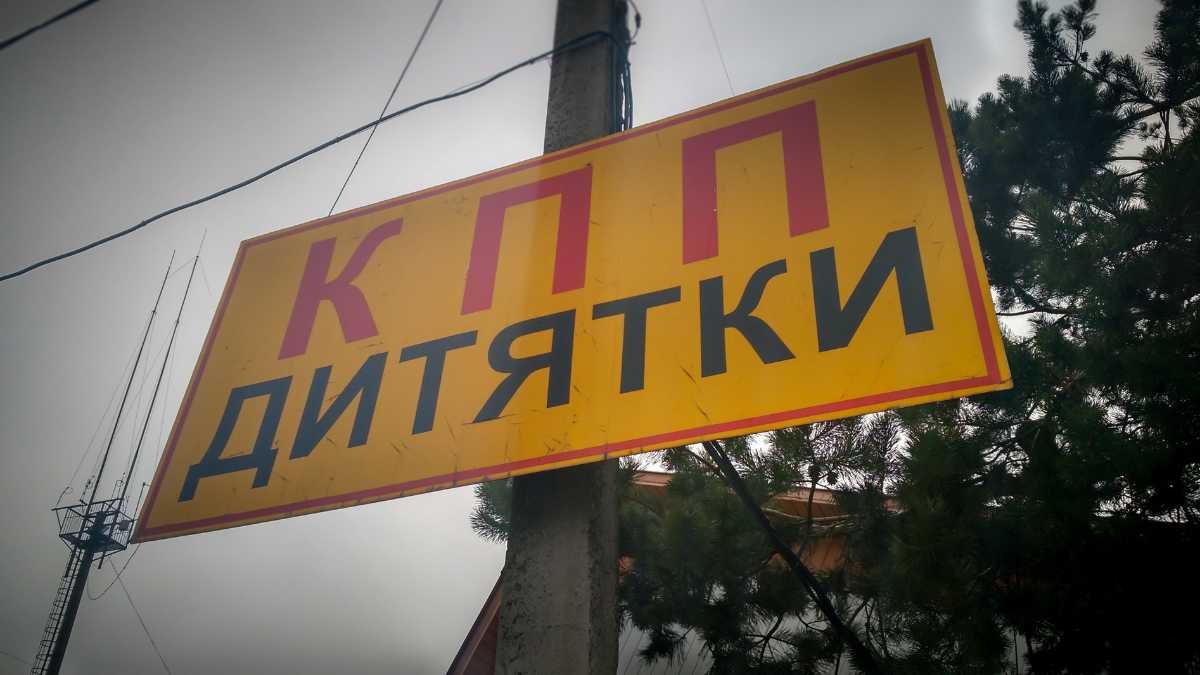
Crimea was off-limits from day one, and Russia refused entry, and the SMM had no mechanism to compel it.
In separatist-controlled Donbas, patrols were routinely blocked near the Russian border, and observers were threatened during patrols.
In late May 2014, a group of SMM monitors was captured by pro-Russian forces and held for nearly a month.
A 2021 analysis by the Stockholm Centre for Eastern European Studies concluded that the mission contributed to de-escalation in certain periods, but its capacity in Russian-controlled areas was always limited by choices Moscow made from within the same consensus it nominally agreed to.
Drone Problem
Russian-backed forces systematically jammed the SMM’s UAV GPS signals, and some drones were also shot down, while one was seized at gunpoint in 2017.
By March 2021, the jamming had become so aggressive that long-range UAVs were struggling to take off from their own base. The SMM filed complaint after complaint. Nothing changed.
Final Weeks and How the Mission Ended
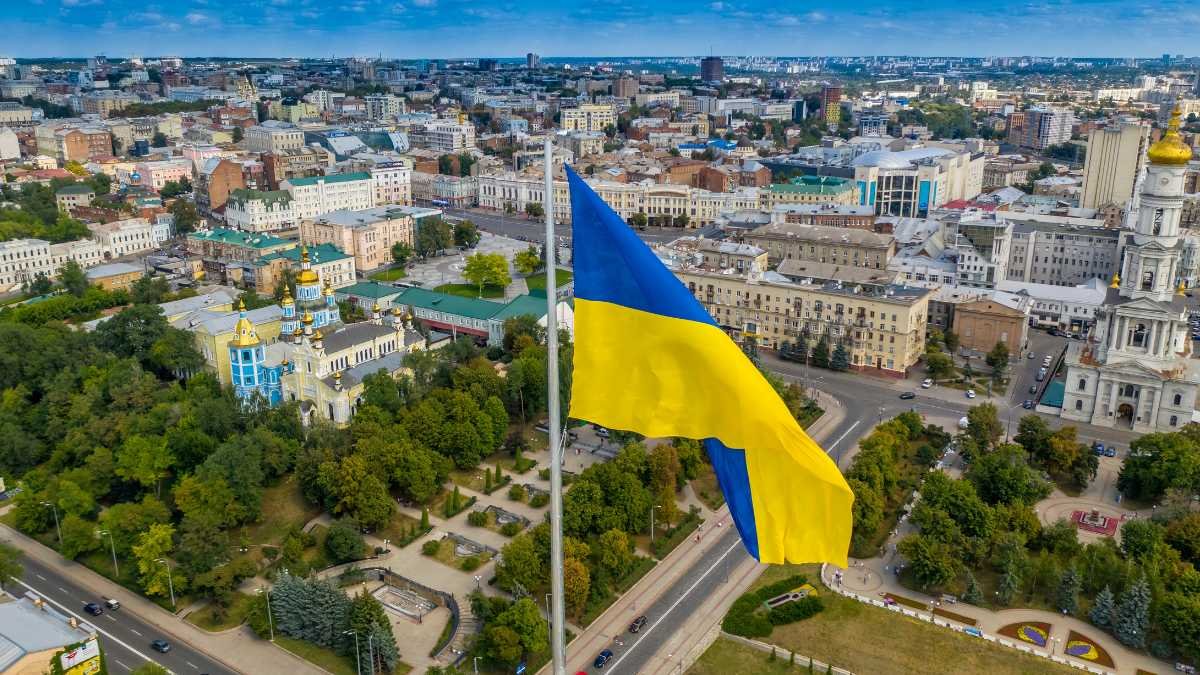
When Russia launched its full-scale invasion on February 24, 2022, active monitoring stopped almost immediately, and the last daily report filed on February 23, 2022, recorded 1,420 explosions in a single day.
By early March that year, around 500 international monitors had been evacuated.
Ukrainian staff member Maryna Fenina lost her life because of Russian shelling in Kharkiv on March 1, 2022. And this mandate expired on March 31, 2022.
Russia blocked consensus at the OSCE Permanent Council and demanded immediate closure; the US State Department called it “deeply regrettable”.
On April 28, 2022, the OSCE formally announced the mission’s end.
Where the OSCE Stands in Ukraine in 2026
What Is Still Operating
The SMM is gone, but the OSCE is still present, and in November 2022, it launched the Extra-Budgetary Support Programme for Ukraine, funded voluntarily by contributing states.
It works on demining, anti-trafficking, border guard training, and civil society support.
So it has a different scope from monitoring, but active into 2026.
Positioning for a Ceasefire Role
On February 2, 2026, OSCE Chairman-in-Office Ignazio Cassis and Secretary General Feridun H. Sinirlioğlu visited Kyiv and met President Zelensky.
The message was explicit: the OSCE is preparing concrete tools to monitor a ceasefire if a negotiated settlement becomes possible.
As a Royal United Services Institute analysis put it, the OSCE’s 57-state membership spanning Euro-Atlantic and Central Asian space makes it the most inclusive framework available for any future monitoring role.
The institution itself has been under strain since 2022, as Russia blocked agreement on the 2022 and 2023 budgets, leaving the OSCE running on monthly allotments.
The SG position was vacant for three months in 2024 before states agreed on appointing Sinirlioğlu in December 2024.
Conclusion
The OSCE SMM was built to observe the Donbas conflict, document it, and keep a dialogue channel open.
For eight years, against physical danger and constant political obstruction from one of its own member states, it did that job with more consistency than it usually gets credit for.
As of now in 2026, the mission is formally closed, the OSCE is positioning for whatever comes next, and the February Kyiv visit shows that positioning is active, not theoretical.
But the same structural problem that constrained the SMM from 2014 onwards has not gone away.
Russia still holds a veto, so any future monitoring role would need to either solve that, or design around it in a way nobody has yet figured out.
FAQs
Did the SMM data actually predict Russia’s 2022 invasion?
In hindsight, yes, it was screaming it, because the violation numbers spiked dramatically in the days before February 24, 2022.
The final active monitoring report recorded 1,420 explosions in a single day, on February 23.
And a year earlier that kind of number would represent weeks of data, so the data was real-time early warning that almost nobody acted on in time.
Russia had veto power from day one, so why did it take 8 years to finally use it?
Because the SMM served Russia’s interests for most of those years.
Having a ceasefire monitoring mission in place helped legitimize the framing of Donbas as a “managed frozen conflict” rather than active Russian aggression.
The mission’s presence also gave Russia cover; it could point to OSCE involvement as proof of a good-faith peace process while its proxy forces kept violating the ceasefire.
Once the full invasion began in 2022, that documentation became a liability rather than an asset; there, Russia used the veto power.
Is any other international body monitoring what’s happening inside Russian-occupied Ukraine today?
Not with sustained ground access, but the UN Human Rights Monitoring Mission in Ukraine has been operating since 2014 and continues to report, but its access in occupied territories is severely limited.
The International Criminal Court is active in accountability, but there is no civilian field mission with the kind of systematic ground presence the SMM had.
Can Russia ever be removed from the OSCE to take away its veto?
The OSCE has no formal expulsion mechanism; this is a deliberate design feature rooted in the Cold War logic of inclusive dialogue: you keep adversaries inside the room.
The only way Russia loses its veto is if it voluntarily withdraws, which it hasn’t done despite the tensions since 2022.
Some participating states have pushed for procedural workarounds, but none have gained traction.
It’s a genuine structural limitation of consensus-based organizations.
Are the SMM’s archived reports still publicly accessible?
Yes! All daily reports, spot reports, and thematic human dimension reports, from March 2014 to March 2022, are still archived and publicly accessible; you can access them on the OSCE’s official website.
That is close to eight years of systematic documentation of the Donbas conflict, and it remains one of the most detailed open-source records of the pre-2022 war.
Researchers, journalists, and war crimes investigators continue to reference it, and I have read a lot before writing this post.

Abraham is the founder and sole writer of Geopolitics Decoded. Based in New Delhi, India, he has been researching and analyzing international affairs since 2019, with a focus on great-power competition, European security, energy geopolitics, and global diplomacy. He is currently pursuing independent coursework in global diplomacy through SOAS University of London. His fact-based, deeply contextual analysis has earned millions of interactions across social media platforms, including Threads and Instagram. Every article on this site is independently researched, written, and verified by Abraham personally. Read Abraham’s full author bio