On 19 June 2026, the formal signing ceremony for the Islamabad MOU in Switzerland was called.
Trump has already signed it electronically during dinner with French President Macron at the Palace of Versailles at the G7 summit in Evian-les-Bains, France, on June 17.
He also made the consequences of failure at the G7 press conference: “If it doesn’t get done in 60 days, that’s all right. We go back to conflicts,” he told reporters.
So let’s know what the MOU contains, and what happens if Iran breaks the Islamabad MOU.
What the 14 Points 14 Point MOU Iran Says
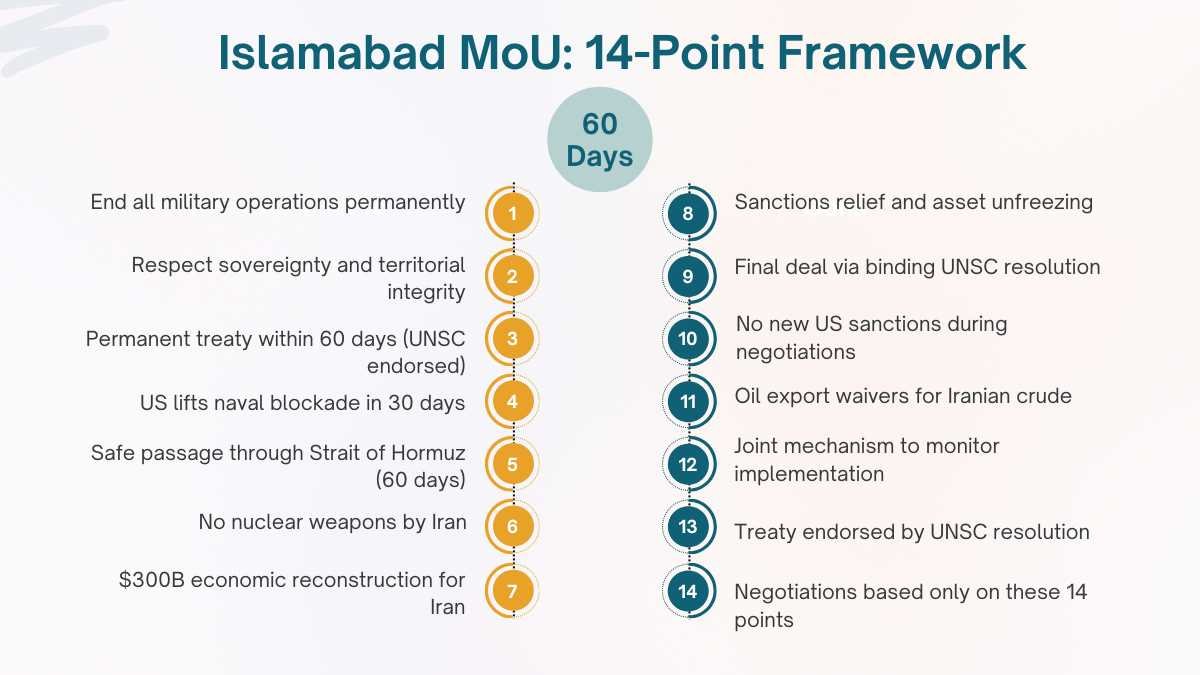
The full text of the Islamabad MOU was only released publicly on June 17 after significant pressure, since the Trump administration had originally planned to release it “some time after Friday.”, which they did.
Here are the most important things that matter the most right now.
The immediate commitments on both sides
Point 1 declares an immediate and permanent end to military operations on all fronts, including Lebanon.
Points 4 and 5 are the economic engine: the US lifted its naval blockade when the MOU was signed, and Iran opened the Strait of Hormuz to commercial shipping for the next 60 days with no charge.
Points 10 and 11 are what Iran pushed for the hardest: the US Treasury immediately issues oil export waivers and starts releasing frozen Iranian assets.
What gets deferred to the 60-day talks
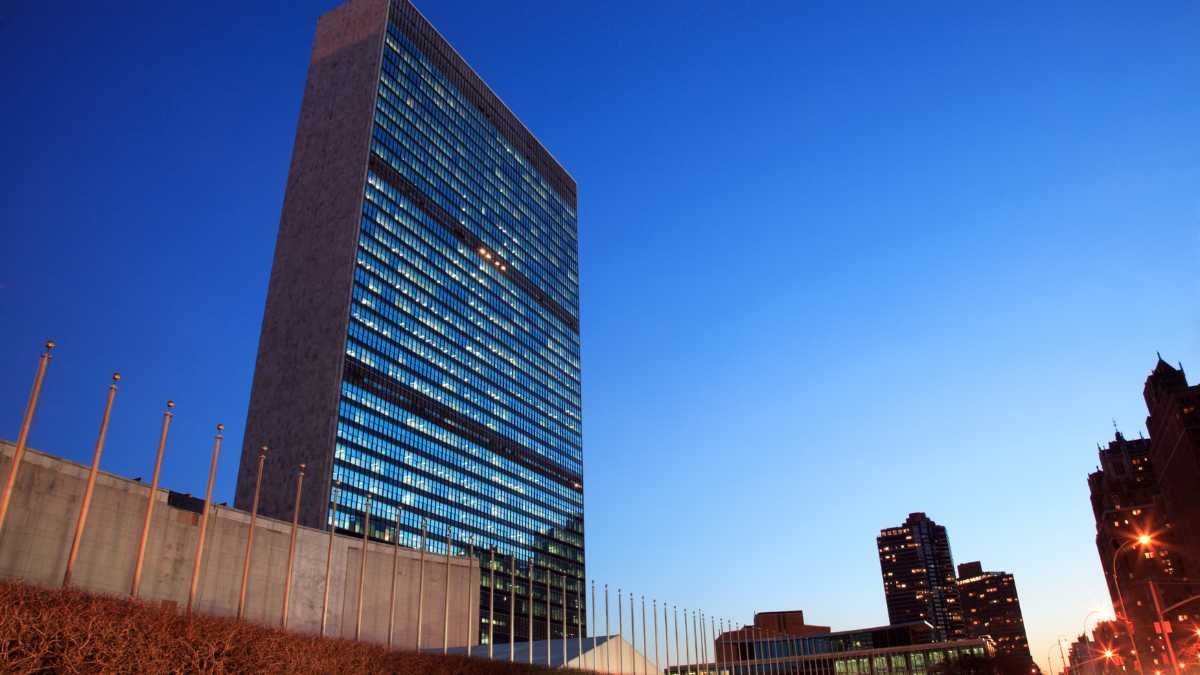
Points 6 through 9 and 12 through 14 cover the hard stuff, and importantly, Point 13 says negotiations on the final deal begin only after points 1, 4, 5, 10, and 11 are being implemented.
It means that the US is already giving up its oil waiver and lifting the blockade in exchange for a promise to talk for 60 days.
Iran’s nuclear program, ballistic missiles, its support for Hezbollah and other armed groups- none of that is resolved, so it’s all deferred.
And the final deal requires a binding UN Security Council resolution under Point 14, which will add another layer of complexity as Russia and China are part of the Security Council.
How about $300 compensation?
Yes, the deal includes a $300 billion private-sector reconstruction plan for Iran as an incentive for a final agreement.
However, this money won’t flow during the 60 days, only if and when the final deal is signed.
So Iran is being offered a very large carrot, but it won’t see it unless everything holds together.
60-Day Timeline: What’s Supposed to Happen
Days 1 to 10: Oil, Hormuz, and the first test
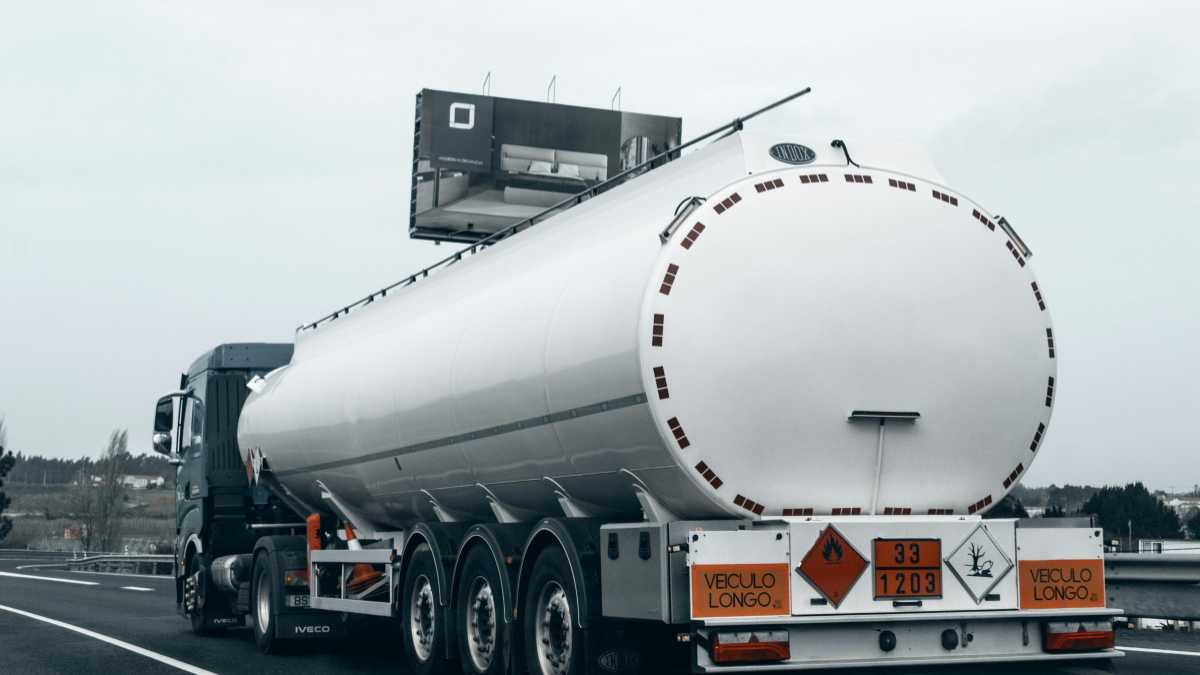
It started on June 19: Iranian oil can move, as the treasury waivers went live.
The Strait has opened immediately, and Iran has 30 days to fully clear technical and military obstacles, including demining.
While the US simultaneously started reducing its naval presence.
So, we have to see whether ships are moving freely or if there is any interference by Iran or any Iranian-linked force in those shipping lanes.
That’s the main thing that would trigger the first breach conversation.
Days 11 to 30: The Hormuz transition and the Lebanon problem
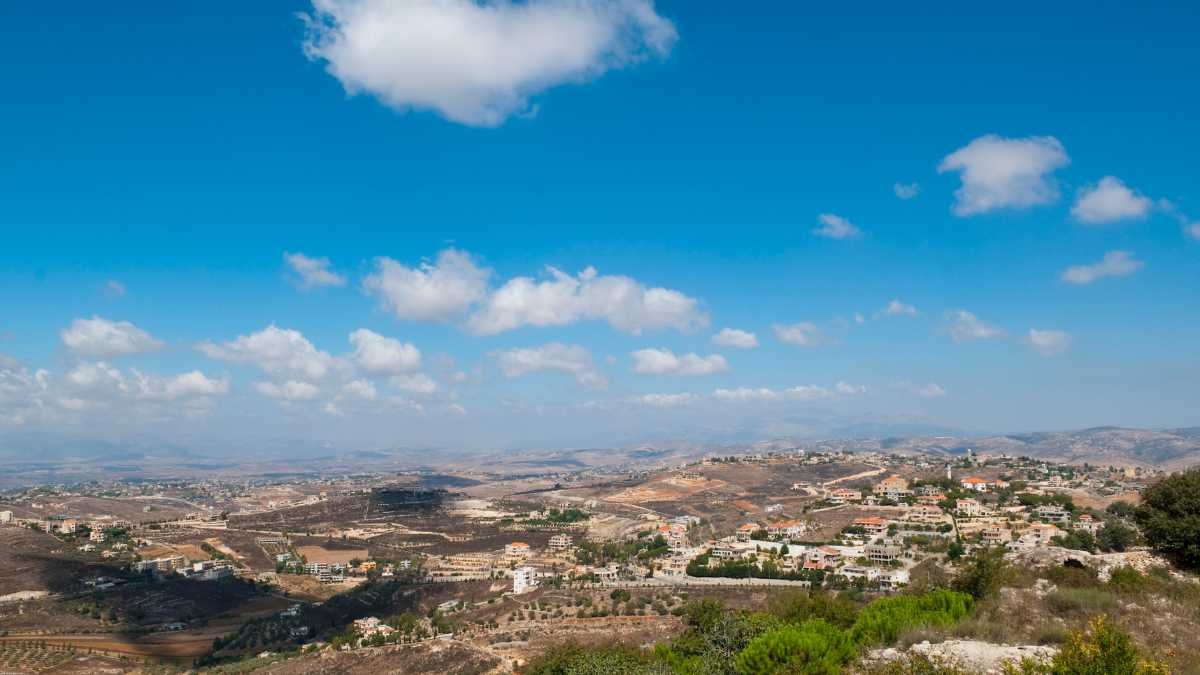
The US has committed to fully ending the naval blockade within 30 days, and Iran has to have the Strait fully open within the same window.
Also, it’s the period where the Lebanon question reaches its most dangerous point.
Because the Islamabad MOU says military operations on all fronts, including Lebanon, stop immediately.
But Israel has already said it isn’t bound by this agreement, and Iran’s foreign minister has said any Israeli presence remaining in southern Lebanon counts as a US-Iran MOU violation.
Now these two positions are directly contradictory, and they haven’t been resolved.
Days 31 to 50: Nuclear inspections and the IAEA
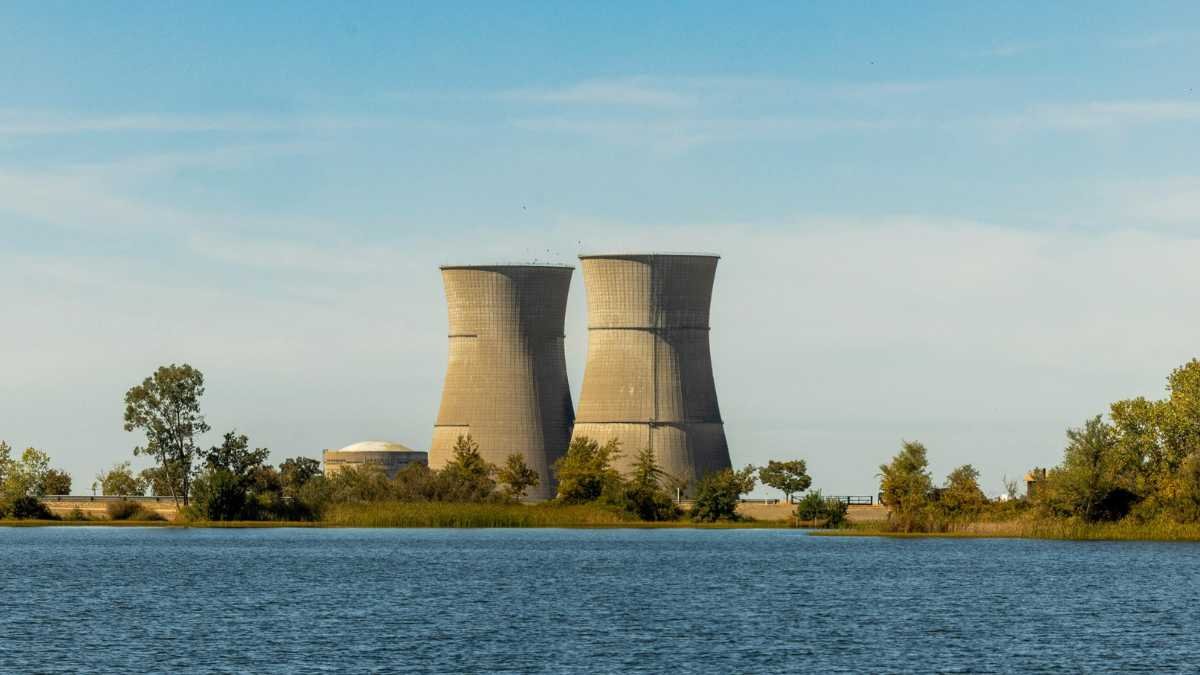
The IAEA hasn’t had access to verify Iran’s enriched uranium stockpile since June 2025, when inspectors were pulled out during the strikes.
At that time, the stockpile was around 440.9 kilograms enriched to 60% purity, a level the IAEA Director General Rafael Grossi has described as enough material for as many as 10 nuclear devices if further enriched.
During the 60-day talks, the US and Iran are expected to discuss the “disposition of stockpiled enriched material.”
But even agreeing on the method for that is going to be complicated, since IAEA inspectors don’t even know the precise location of all of Iran’s enrichment material right now, including a fourth enrichment facility Iran said it was building in Isfahan before the war began.
Days 51 to 60: Final deal or failure
If negotiations haven’t produced a final agreement by this point, Point 3 says it can be extended with mutual consent.
But Trump has already signaled he won’t extend indefinitely. If the final deal is reached, it needs to cover Iran’s nuclear program, enriched uranium, missile program, and sanctions, and then be endorsed by a binding UNSC resolution, so it’s a lot of ground for 60 days.
Five Scenarios that can Break Iran USA MOU
Based on what is in the MOU and what’s happening on the ground right now, here are the five most plausible ways this collapses.
Scenario 1: Israel keeps fighting in Lebanon, Iran walks
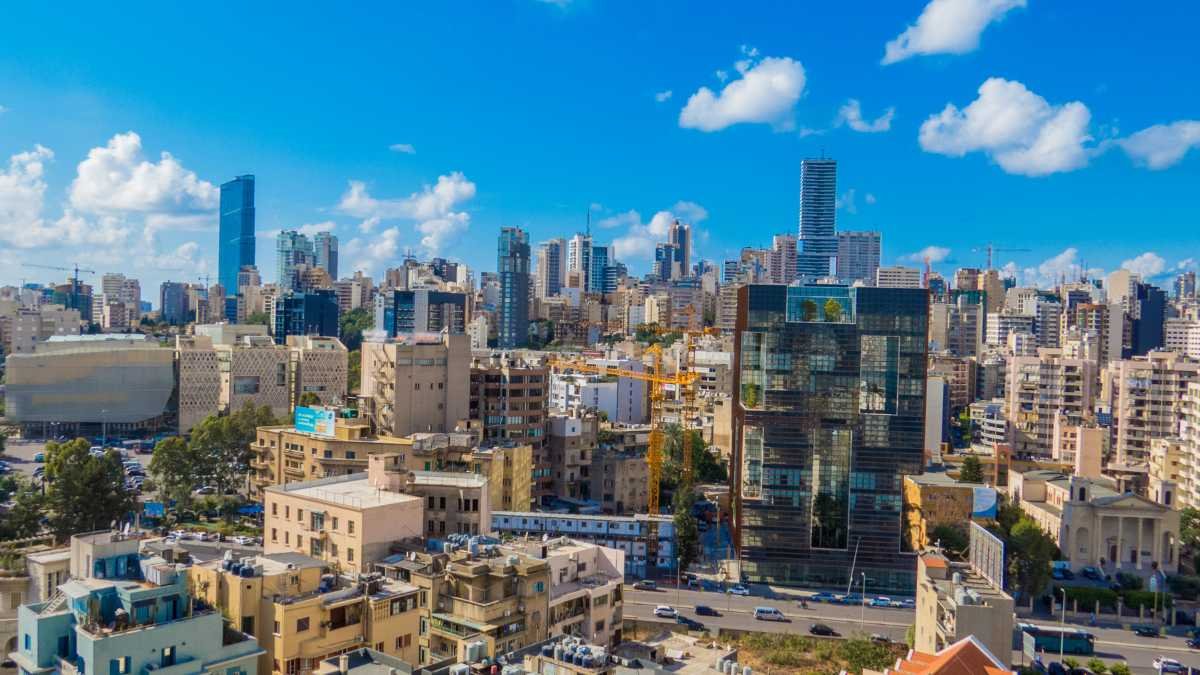
This is the one I’m most concerned about, and it’s also the most immediate.
Iran has been crystal clear: the MOU includes Lebanon, and Iran’s foreign minister, Abbas Araghchi, said on June 16,
Any military attack by Israel against Lebanon from this point forward, as well as any continued occupation of Lebanese territory, will be regarded by us as a violation of the memorandum of understanding
Israel’s response? Defense Minister Israel Katz said the IDF would stay in its security zones in southern Lebanon without any time limit, and a senior White House official confirmed to reporters that an IDF withdrawal from Lebanon is not part of the deal.
Netanyahu separately struck Beirut twice during the negotiations, nearly derailing the agreement both times.
And Trump is already annoyed at him, saying he’s “not happy with the way Israel has handled themselves.”
So how does it create an unresolvable tension in the first 15 days?
If Israel conducts another strike or refuses to even begin a phased exit, Iran has a ready-made argument that the US is violating the deal through its ally.
My own view on that is: this is the most likely trigger for a collapse, because it doesn’t even require Iran to do anything wrong; it just requires Netanyahu to do what he’s already doing.
If Iran breaks for this reason, Iran will blame the US and the US will blame Israel, which is exactly where neither side wants to be.
Scenario 2: Iran’s new Supreme Leader loses internal control
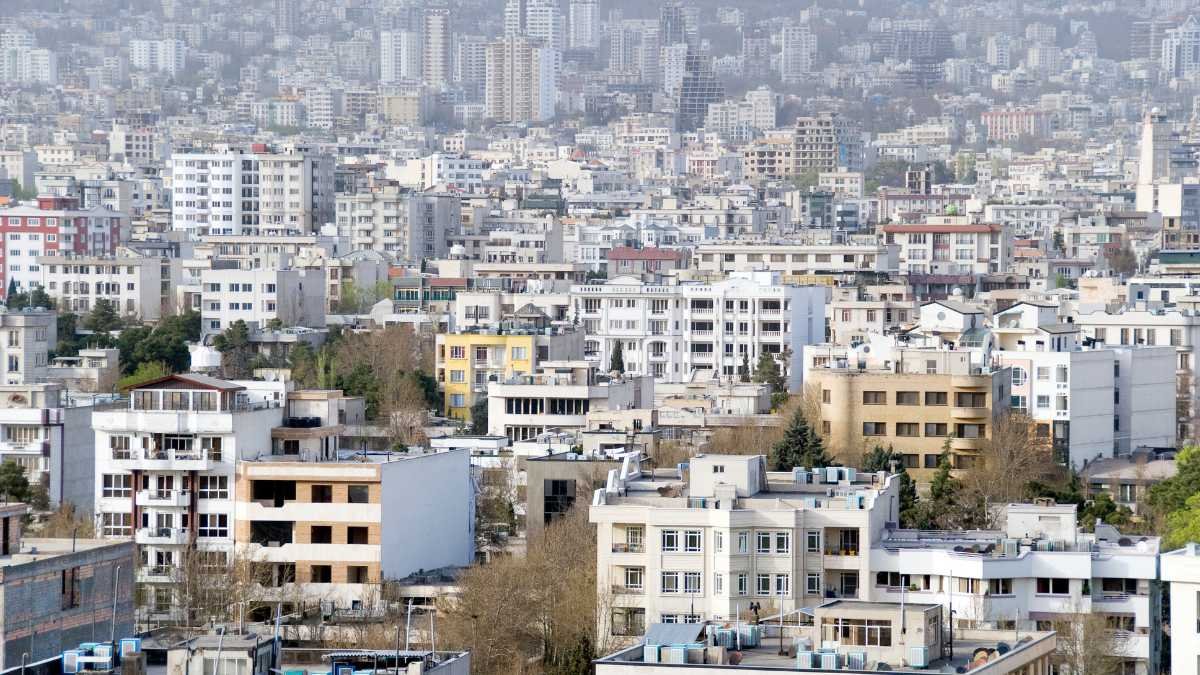
Mojtaba Khamenei became Supreme Leader in early March 2026 under extraordinary conditions.
His father lost his life in a US-Israel strike, and Iran had been at war for days, and he came to power having been barely visible in public before.
Iran’s hardliners have already erupted against the MOU, with death chants against the chief negotiators, Abbas Araghchi and parliamentary speaker Mohammad Bagher Ghalibaf, who led the Iranian side at the Islamabad Talks.
The Paydari Front, which sees itself as the guardian of 1979 revolutionary values, has been the loudest in opposition.
If Mojtaba can’t keep those factions from acting out during the 60-day window, whether through a hardliner decision to resume Hezbollah operations, a missile test, or a direct attack on Gulf infrastructure, this deal would effectively break itself from inside.
This scenario is most likely to materialize between days 15 and 40, when the internal pressure of watching oil sanctions lift without Iran receiving full nuclear recognition could push hardliners toward proving that the regime hasn’t “surrendered.“
If this happens, the US will blame Iranian leadership, and the negotiations will collapse.
Also, the fact that Iran’s own analysts are describing the MOU to domestic audiences as “a victory for Iran and a defeat for the US and Israel“ is a signal of how fragile the internal framing already is.
Scenario 3: IAEA inspectors find things that weren’t declared
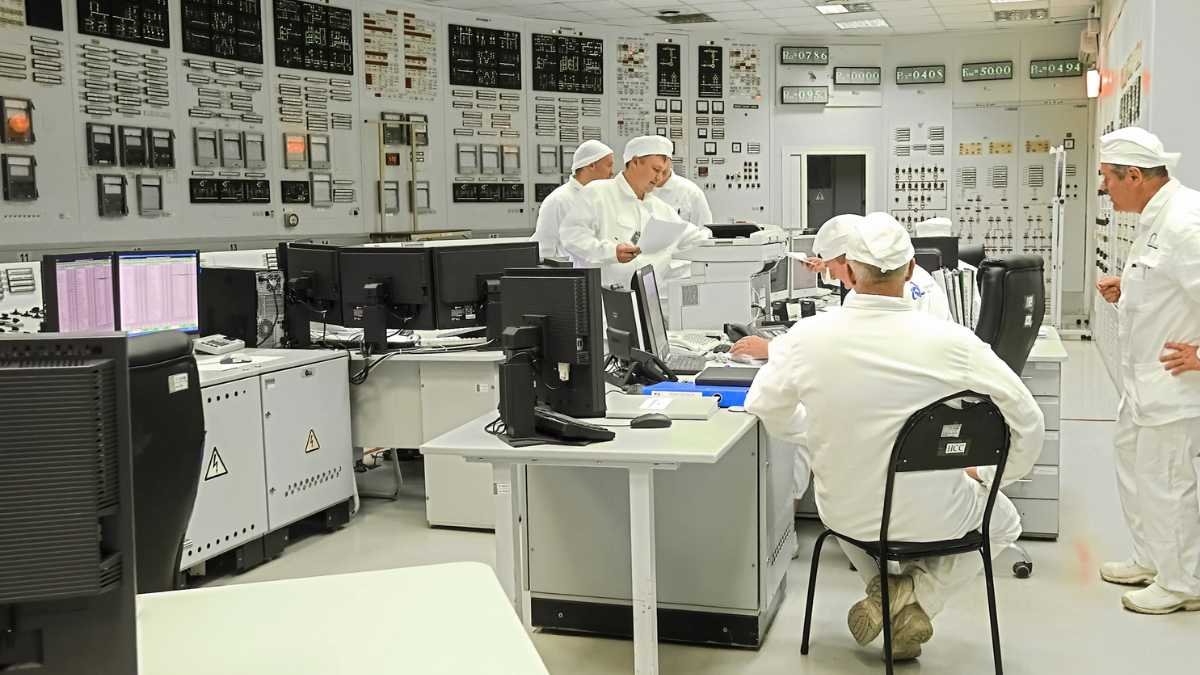
The IAEA official hasn’t visited or verified Iran’s nuclear material since June 2025, or after the 12 day conflicts, so it’s been over a year of an unverified stockpile.
IAEA’s own February 2026 report said that its inspectors don’t know the precise location of a fourth uranium enrichment facility, and the Agency stated it:
is not aware of its operational status or whether it currently contains nuclear material.
So, when inspectors go back in during the 60-day talks, which is a precondition for any meaningful nuclear agreement, what they find is unknown.
If inspectors discover material that wasn’t declared, additional enrichment that happened during the gap, or access is restricted to certain sites, the US may invoke the violation clauses and the deal is done.
And this scenario might happen between days 30 and 50, and it doesn’t even require deliberate Iranian deception.
Because of the one year without inspection, there’s a factual information gap that can be filled without inspections, and what comes out of those inspections could be ugly regardless of intent.
Scenario 4: Pakistan’s domestic stability cracks
This is the scenario with the lowest probability, but I want to include it because it’s underappreciated.
Pakistan is not just the host nation; it’s the mediator with ongoing responsibilities for the next 60 days, as it played an important role in the Islamabad MOU.
Prime Minister Shehbaz Sharif and Field Marshal Asim Munir have both invested heavily in this deal’s success.
Pakistan’s military has been stable, and I can’t recall the last time there was a coup there in recent years.
But Pakistan has a complicated domestic situation with Imran Khan still imprisoned and a political opposition that isn’t silent.
So, if the civil-military balance in Islamabad shifts suddenly during these 60 days, the continuity of Pakistan’s mediation role might get interrupted.
That doesn’t automatically break the MOU, but it will create a vacuum in the facilitation layer at the worst possible time.
If something like this happened, both the US and Iran would be asking who they’re talking to in Islamabad, and neither would like the uncertainty.
Scenario 5: Iran doesn’t fully open the Strait of Hormuz
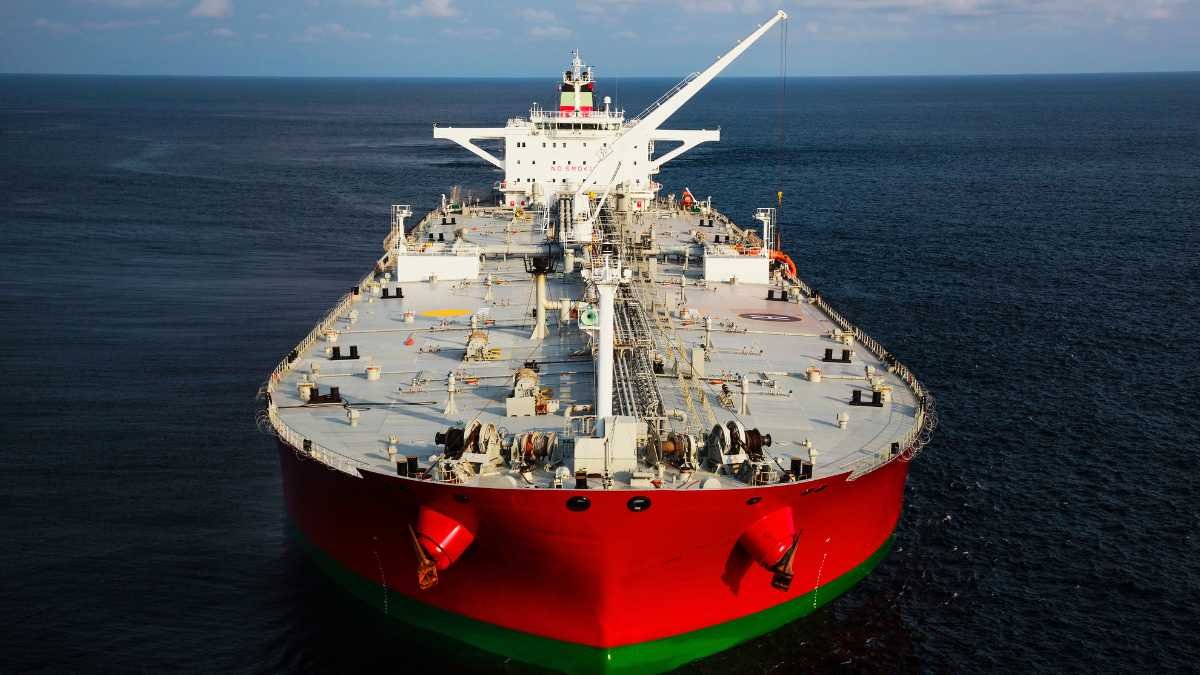
It is the most economically impactful failure mode; point 5 says Iran will use “best efforts“ to open the Strait within 30 days.
But this phrase “best efforts“ is diplomatic language for a soft commitment, not a hard deadline.
If Iran starts the process but runs into disputed fees, delays demining, or limits traffic in ways that push oil prices back up, the US may face pressure from its Gulf allies to act.
Iran already struck Qatar’s Ras Laffan LNG export hub earlier in the war, so the Gulf states have direct skin in this game.
Also, the US has made security commitments to those nations, and if the Hormuz situation doesn’t normalize within the first 30 days, there will be pressure on Washington to treat it as a breach.
What Pakistan Can and Can’t Do in These 60 Days
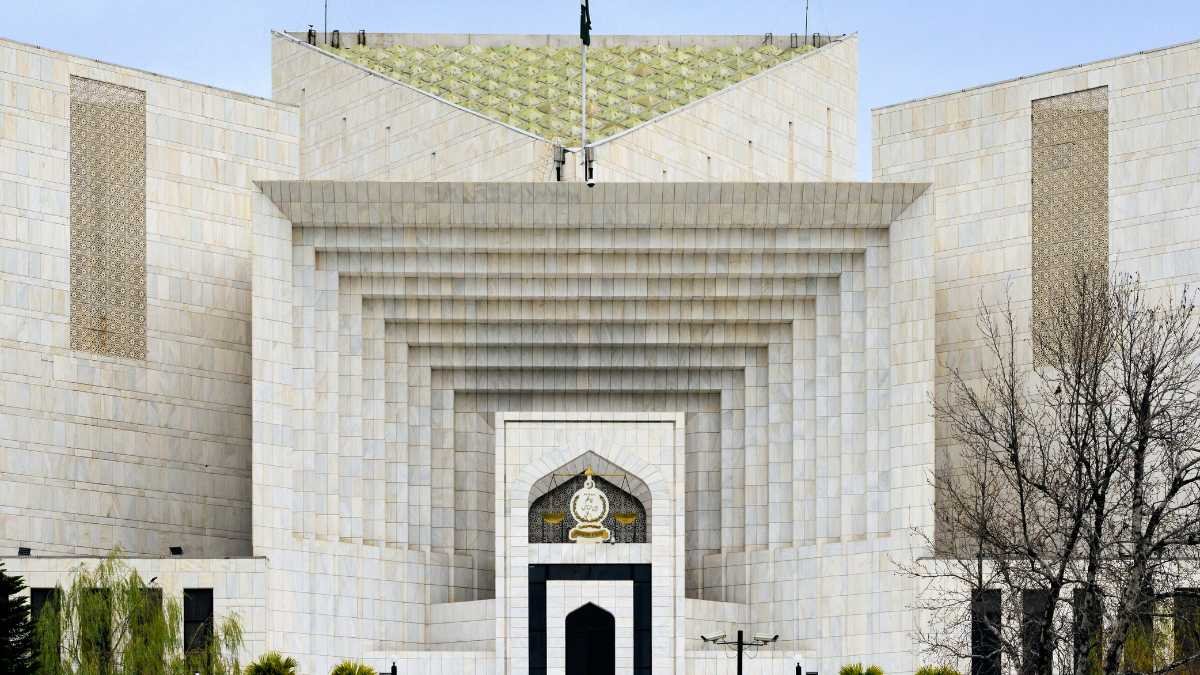
Pakistan brokered this deal, which gives it a diplomatic credibility it hasn’t had in decades, so now it has some responsibilities too, and will try to keep this MOU intact.
The gaps in Pakistan’s leverage
- Pakistan cannot tell Israel to withdraw from Lebanon, as there is no relationship between them.
- Pakistan cannot tell Mojtaba Khamenei to rein in the Paydari Front hardliners.
- And Pakistan has no enforcement mechanism if Iran slows down Hormuz traffic.
So in scenarios 1, 2, and 5, Pakistan is largely watching, not controlling anything.
So where is the risk? If the deal collapses through the Lebanon crack or an internal Iranian breakdown, both Washington and Tehran could direct frustration at Pakistan as the mediating party.
Some analysts are already floating the phrase “mediator failure“ as a possible narrative if the 60 days end in collapse.
Pakistan can’t afford that outcome, because this deal represents its biggest diplomatic achievement since facilitating the US-China rapprochement under Yahya Khan in 1971.
What Pakistan is likely to do to keep MOU in practice
Pakistan will spend these 60 days working the phones.
Shehbaz Sharif has already been in contact with both Araghchi and Vance.
Pakistan’s actual role now is to be a pressure valve: when things get tense over Lebanon, Pakistan will reach out to both sides and try to keep the channels from going cold.
So Pakistan will try to maintain the conversation rather than resolving the underlying disputes, and that might be enough if the US and Iran want the deal to survive.
What Happens After the 60 Days of MOU? And Uranium?
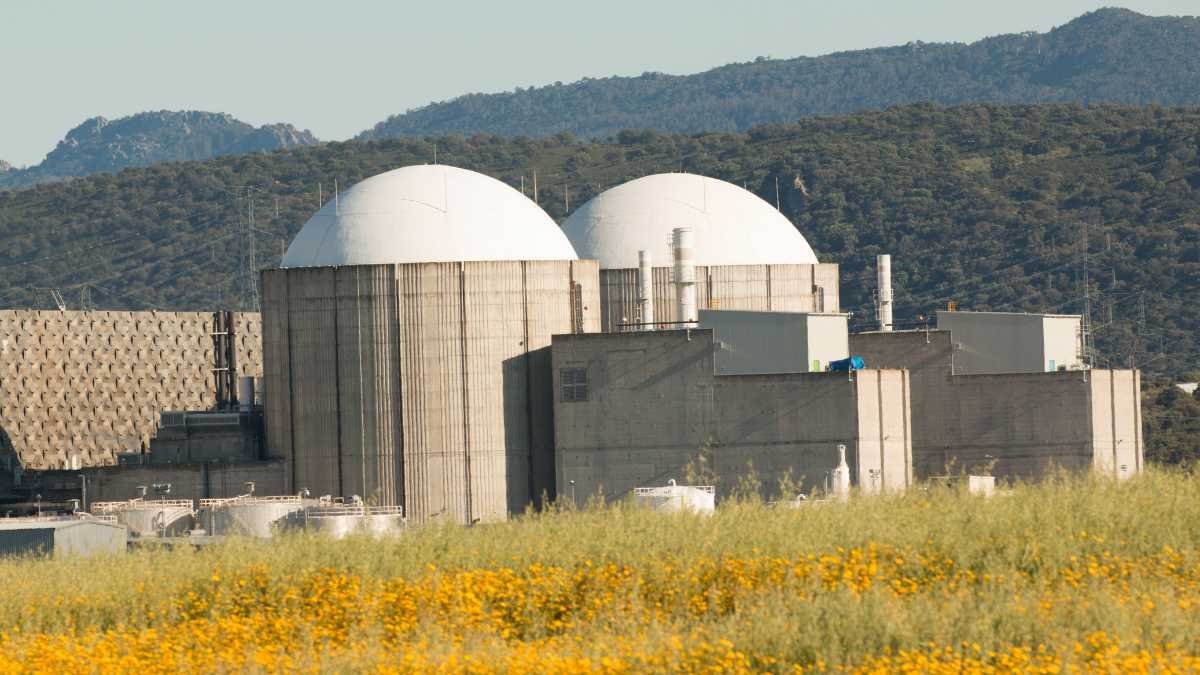
If the final deal is signed at the end of 60 days, what actually happens to Iran’s 440 kilograms of 60% enriched uranium?
The MOU says the two sides “have agreed to resolve the disposition of stockpiled enriched material,“ which is intentionally vague.
Based on what’s been reported, the leading option being discussed is dilution: down-blending the uranium to 3.67% or lower, which is reactor-grade, and keeping it inside Iran under IAEA monitoring.
Under the 2015 JCPOA, Iran had previously reduced its stockpile from roughly 10,000 kg to 300 kg by shipping the material to Russia, so that precedent exists.
But now the question is whether Iran will accept monitored dilution inside Iran instead of a full surrender of the stockpile, and whether the US will accept that, so we have to wait for it.
What the MOU absolutely does NOT do is resolve Iran’s ballistic missile program or its support for Hezbollah and other armed groups.
Those two issues are completely absent from the 14 points, and they will be the hardest fights of the 60-day negotiation, though President Trump said he’s okay with Iran having missiles.
However, Trump’s own senior administration officials told CNN that the administration “just wants to get this thing over with,“ which suggests the US may accept less on missiles than its originally stated goals.
It will upset Israel and some Senate Republicans, but it may be the only way the deal holds, permanently.
If MOU Does Break: What May Happen
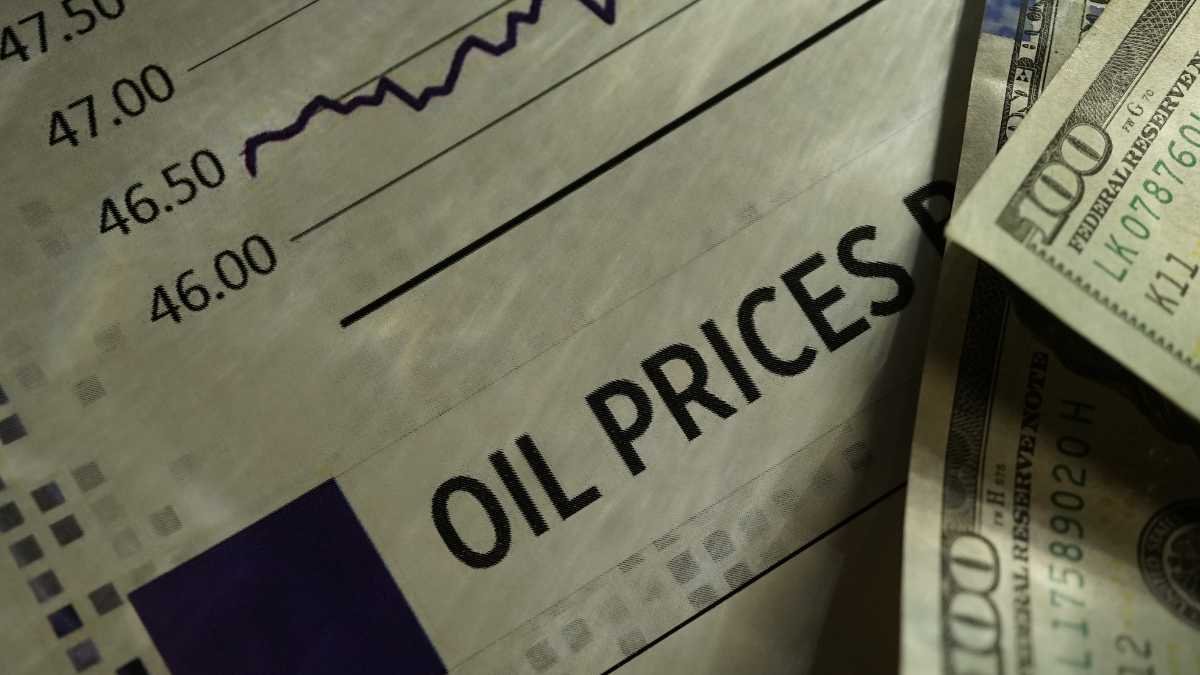
Trump has said:
We go back to bombing
So, it’s not posturing for the media, given that the US has already conducted strikes on Iran’s nuclear facilities at Natanz, Isfahan, and Fordow.
Any return to hostilities would escalate faster than the February 2026 operation Epic Furry.
Because Iran now has a new Supreme Leader who would feel enormous internal pressure to respond more aggressively than Khamenei did.
- The Strait of Hormuz would close again.
- Oil would spike back above $100 a barrel.
- Gulf Arab states would face another round of Iranian strikes.
- Pakistan would lose the diplomatic gains it just made.
Most importantly, the window for a negotiated nuclear settlement, which was too hard, would close for a very long time.
These are just possibilities, but the 60-day framework is in practice right now, and both sides signed it wanting it to work.
FAQs
Is the Strait of Hormuz open as of today?
Yes, Iran has started the process upon signing, and has 30 days to fully clear it.
Ships are starting to move, but the full reopening is still in progress over the coming weeks.
Does the MOU actually say Iran has to give up its uranium?
No, not in the MOU itself; the MOU says both sides “have agreed to resolve the disposition of stockpiled enriched material,“ which is a placeholder for what will be negotiated in the 60 days.
The uranium will stay in Iran during this entire period, under whatever access Iran grants IAEA inspectors.
Who is the executive monitor mentioned in Point 12?
Point 12 says an “executive mechanism will be established to monitor the successful implementation.“
The details of what that mechanism looks like, who sits on it, and what authority it has, haven’t been specified yet.
If the deal breaks, does Pakistan lose its credibility?
It completely depends on how it breaks. If Israel triggers the collapse by staying in Lebanon, Pakistan actually comes out better, because it brokered a deal that the US couldn’t hold together on its own side.
If Iran secretly expands its uranium program and inspectors catch it, Pakistan is largely insulated because that’s not within Pakistan’s control.
The worst outcome for Pakistan is a collapse that’s ambiguous, where both sides blame the process, and the mediator becomes the shared target.
What happens to the $300 billion reconstruction money if the deal fails?
It will disappear, because this money was conditional on a final deal being reached.
If the 60-day window closes without a permanent agreement, there is no reconstruction fund, Iran’s oil sanctions could snap back, and the frozen assets that were just unfrozen become legally complicated again.
The economic stakes for Iran of a collapse are enormous, which is one reason I don’t think Iran’s leadership will walk away easily even under internal pressure.
They need the money more than the hardliners need the symbolism.

Abraham is the founder and sole writer of Geopolitics Decoded. Based in New Delhi, India, he has been researching and analyzing international affairs since 2019, with a focus on great-power competition, European security, energy geopolitics, and global diplomacy. He is currently pursuing independent coursework in global diplomacy through SOAS University of London. His fact-based, deeply contextual analysis has earned millions of interactions across social media platforms, including Threads and Instagram. Every article on this site is independently researched, written, and verified by Abraham personally. Read Abraham’s full author bio