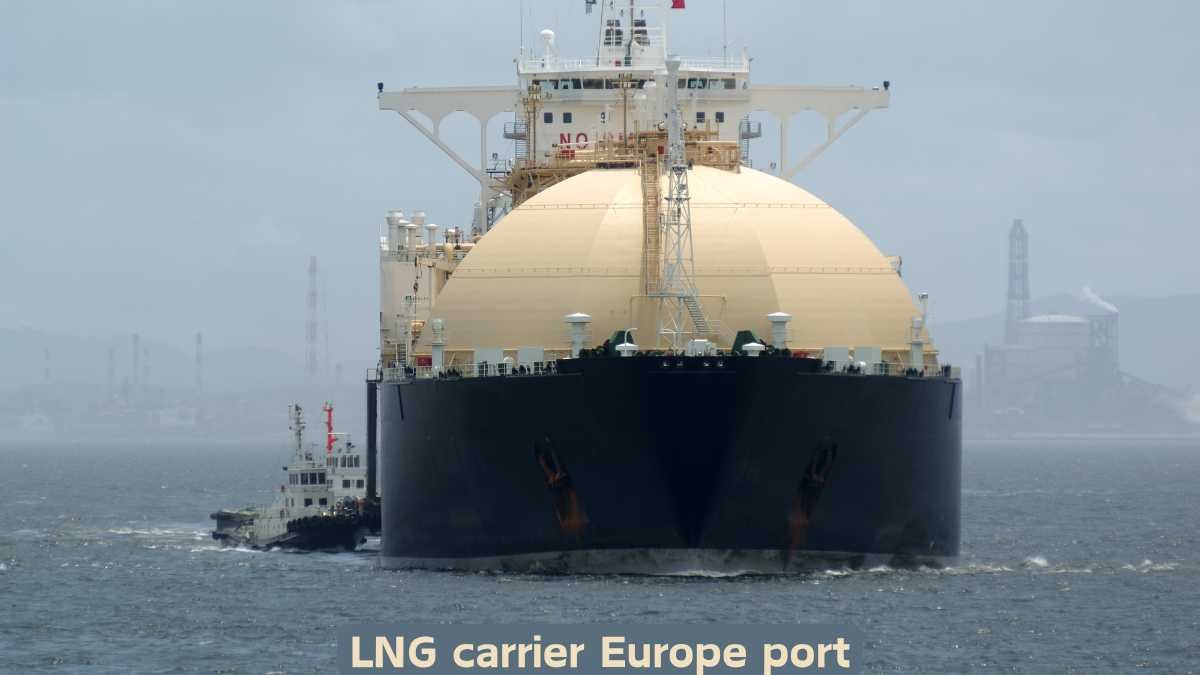
Before 2022, Europe barely needed to think about LNG; Russian pipeline gas was cheap, consistent, and covered roughly 40 percent of EU natural gas imports.
LNG existed in Europe’s energy mix, sure, but it was more of a backup option than a foundation.
- Spain had six regasification terminals.
- France had a couple.
- Germany, the continent’s largest economy, had zero.
But after the sanction, gas flows from Russia slowed and eventually stopped on most major routes, and Europe had to answer one of the most consequential energy questions in its recent history: where do you replace 150 billion cubic meters of annual supply, and how fast can you build the infrastructure to actually receive it?
However, Europe replaced most of it with LNG, primarily from the United States and Qatar, built new import terminals at a pace nobody thought was realistic, and is now locked into a supply chain that is more expensive but far more diversified than it had before.
If you want to understand what Europe’s LNG supply chain looks like right now, what countries are importing, what they are paying, and what comes next, this article covers all of it.
I covered the broader economic and political side of this in my earlier article on Europe’s energy crisis in 2026. In this post, I will specifically talk about LNG: the infrastructure, the suppliers, the contracts, and the numbers.
What Europe’s Gas Map Looked Like Before Any of This
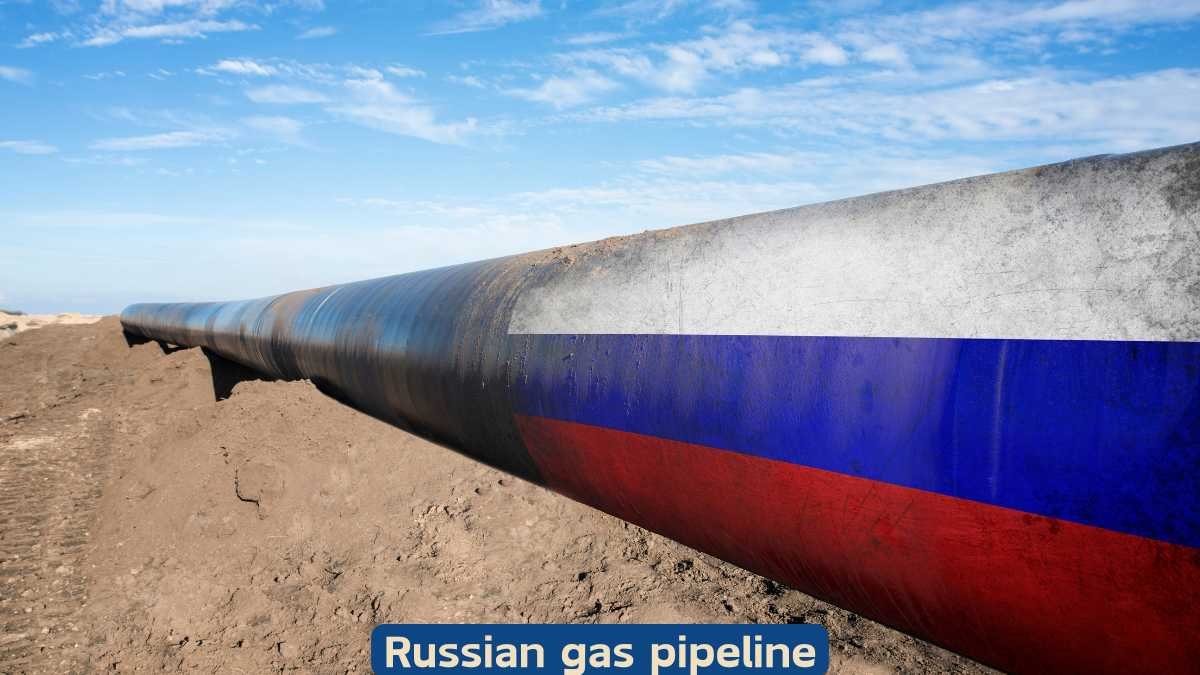
For most of the 2000s and 2010s, Europe was comfortable with pipeline gas.
It was cheap, the infrastructure was built, and LNG, which requires liquefaction, specialized tankers, and regasification before it enters the grid, was just more complicated and more expensive to handle at scale.
European LNG imports were roughly 80 billion cubic meters per year going into 2022.
Compare that to the roughly 155 bcm coming in via pipeline from Russia alone at the peak. LNG was a real but clearly secondary part of the picture.
The infrastructure to handle large-scale LNG was also concentrated in a few places.
Spain actually had more regasification capacity than the rest of continental Europe combined, which becomes important later in this story, and not completely in a good way.
Germany, again, had no LNG import terminals at all.
Infrastructure Sprint That Happened
When the political decision was made in early 2022 to reduce Russian gas dependency, the first real problem was physical.
You cannot receive LNG without a terminal to regasify it.
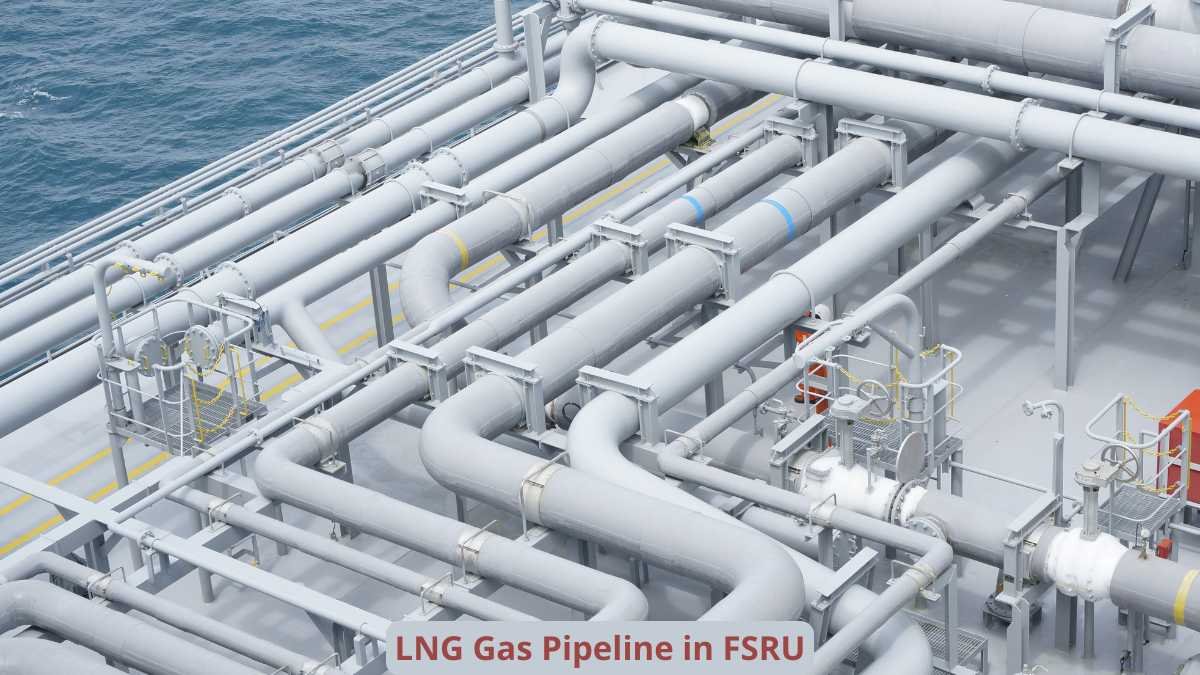
A permanent land-based terminal takes five to seven years to permit and build. So Europe leaned on a faster option: Floating Storage and Regasification Units, or FSRUs.
An FSRU is essentially a converted LNG tanker anchored offshore or in a harbor that does the regasification work.
You can charter one, position it, and connect it to the grid in months.
Germany built four operational FSRUs between December 2022 and 2023
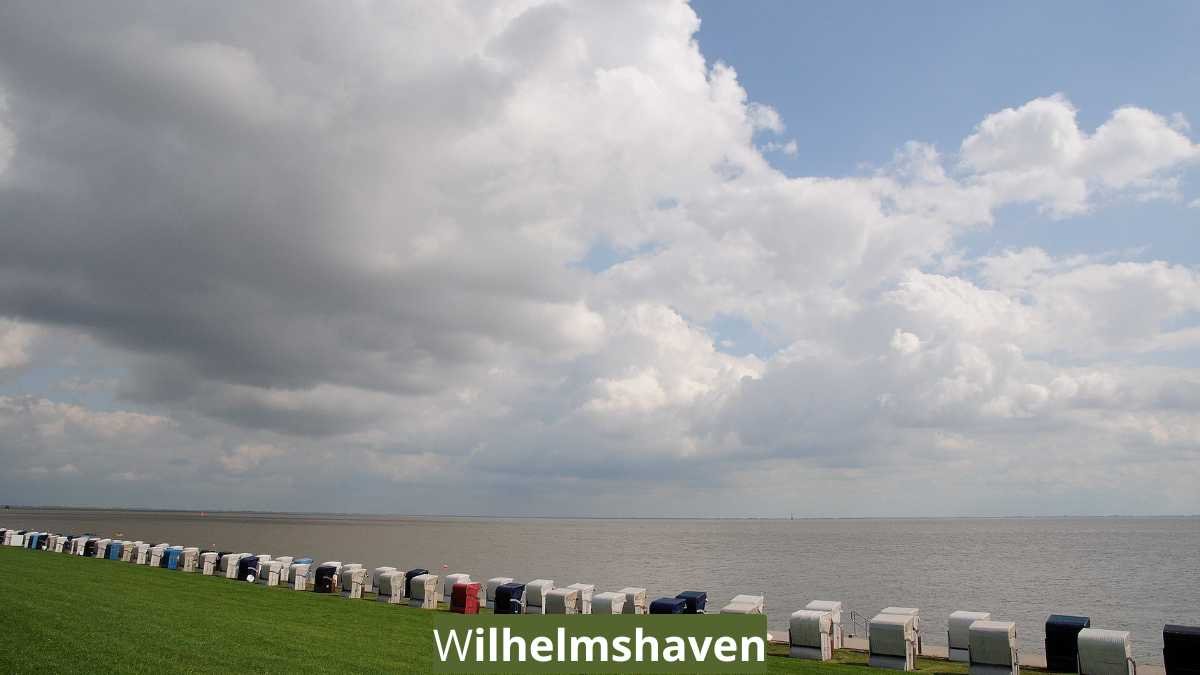
The first one, the Höegh Esperanza, opened at Wilhelmshaven on December 17, 2022, roughly ten months after the decision to fast-track it.
Others followed at Lubmin, Brunsbüttel, and Deutsche ReGas in Rostock.
- Italy deployed an FSRU off Piombino.
- Greece expanded capacity at Alexandroupolis.
- The Netherlands leaned harder on its Gate terminal in Rotterdam, already one of the largest in Europe.
- Poland fast-tracked expansion at its existing Swinoujscie terminal.
The EU’s total regasification capacity increased by roughly 50 bcm per year between 2022 and 2024, which is a huge structural shift in a short window of time.
It happened faster because the infrastructure that took decades to build elsewhere was being assembled across multiple countries at the same time.
Who Is Sending Europe Its LNG Now
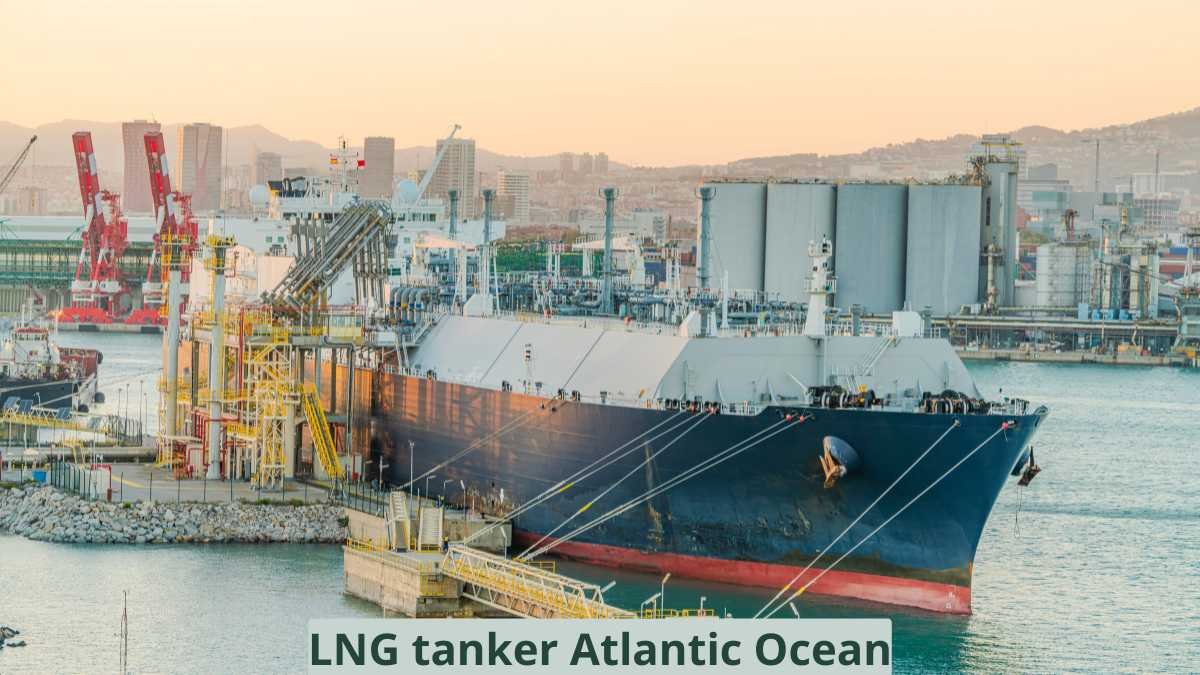
The United States became the single largest LNG supplier to Europe.
By 2023, the US accounted for roughly 46% to 48% percent of all LNG arriving in Europe, and in doing so became the world’s largest LNG exporter overall, overtaking Australia and Qatar.
American LNG exporters, companies like Cheniere Energy, Venture Global, and others, saw a massive commercial opportunity when European spot prices spiked to levels that made shipping LNG east across the Atlantic far more profitable than selling domestically.
Qatar, the other major player, also increased its European exports.
It was already deep into negotiating the North Field expansion project, which will add significant export capacity later this decade.
Qatar signed long-term supply agreements with multiple European buyers, including Germany, France, and the Netherlands.
Algeria and Nigeria continued their historical roles, particularly for southern European countries.
Spain and Italy both have longstanding LNG relationships with North African producers that predate everything that happened in 2022.
All Russian LNG Wasn’t Stopped
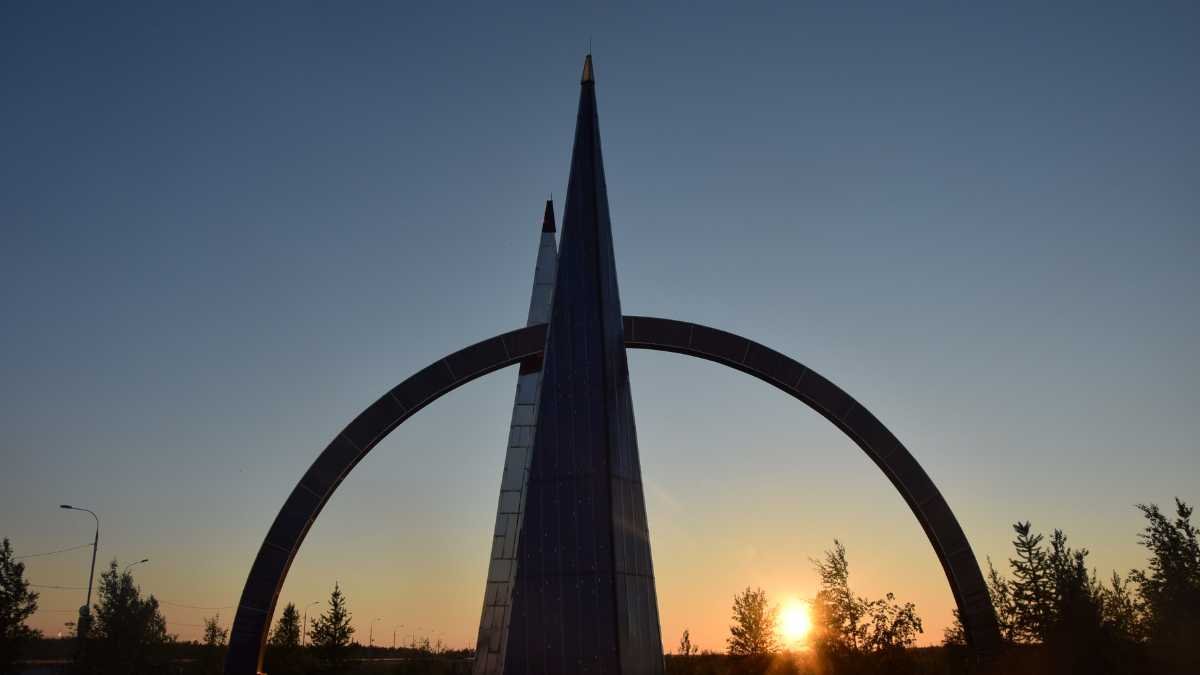
Not all Russian LNG stopped; Russia’s Yamal LNG project, operated by Novatek in the Arctic, continued exporting through 2023 and into 2024.
France’s TotalEnergies holds an equity stake in Yamal LNG, which means French regasification terminals were still receiving Russian LNG even as the EU was officially working to cut Russian energy dependency.
This was not a sanctions violation at the time, but it became a recurring political tension within Europe.
Some EU members were importing Russian LNG through Spain and Belgium and reshipping it, a practice that eventually drew scrutiny but was technically permitted.
Europe LNG Imports and How Much
Spain is the largest LNG importer in Europe and has been for years.
Its six regasification terminals give it more receiving capacity than any other EU member, and it became an even more critical entry point after 2022.
The problem is that Spain has limited pipeline connections to the rest of Europe.
The Pyrenees create a bottleneck, so LNG arriving in Spain does not always flow efficiently to Germany or Poland.
There have been long-running discussions about expanding those interconnectors, but actual progress has been limited.
France
It has multiple terminals, including the large Dunkerque and Fos-Cavaou facilities, and became a key transit and receiving hub for gas heading into central Europe.
Germany
It built it from scratch, and by 2024, its FSRUs were receiving meaningful volumes, but Germany still imports a significant portion of its gas through Norwegian pipelines and interconnectors from neighboring countries.
The FSRUs changed the situation from complete vulnerability to workable diversity.
The Netherlands
It imports through the Gate terminal in Rotterdam, serving not just domestic demand but also functions as a redistribution hub for LNG flowing into Germany, Belgium, and further east.
Poland
It had actually invested in LNG infrastructure earlier than most, opening its Swinoujscie terminal in 2015 as a deliberate strategic hedge. It expanded capacity after 2022.
Lithuania did the same, with its Independence FSRU operational in 2014.
The Baltic states were honestly ahead of the curve on this, because they had both the political motivation and the geographic logic to move earlier.
Greece has been expanding its Revithoussa terminal and has added new FSRU capacity, partly to supply southeastern Europe and reduce dependency on Russian pipeline routes through the Balkans.
What Europe Is Actually Paying for This
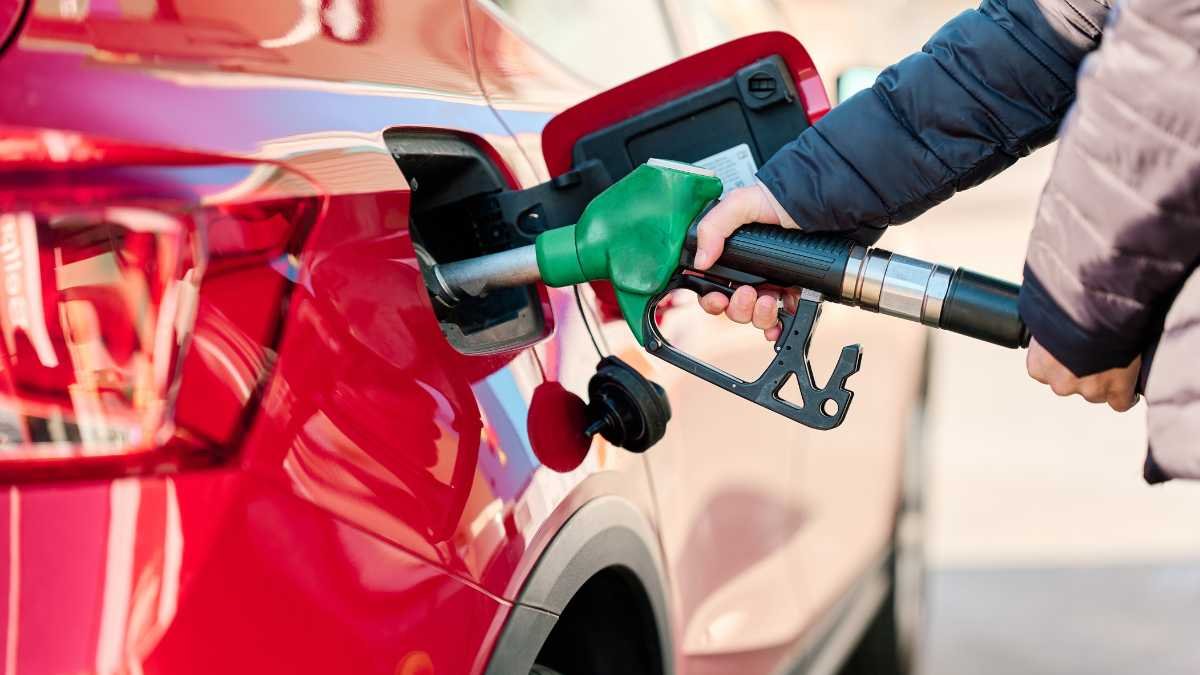
LNG is more expensive than pipeline gas, even when prices calm down, like after Hormoz, or Russia and Ukraine.
And that’s because of the liquefaction process, the specialized shipping, and the regasification, all of which add costs that pipeline transport does not carry.
In August 2022, European gas prices on the TTF benchmark hit around 340 euros per megawatt-hour.
That is a number that would have looked fictional a year earlier.
By 2024 and into 2025, prices came down significantly, settling in a range of roughly 30 to 50 euros per megawatt-hour.
Still two to three times higher than pre-2022 comparables.
And also, the deeper issue is the long-term contracts, as European utilities signed 10 to 20-year agreements with US LNG exporters to lock in supply.
These contracts provide certainty, but they also lock in a cost structure higher than what Russian pipeline gas historically cost.
Estimates from Bruegel suggest Europe is carrying a structural energy cost premium that translates to hundreds of billions of euros over the medium term.
Long-Term Contracts and the Question Nobody Wants to Ask Loudly
Between 2022 and 2024, European buyers signed a wave of LNG contracts, many with 15 to 20-year tenors.
Several analysts, including the Oxford Institute for Energy Studies, raised a question: Is Europe contracting more LNG than it will actually need, given that EU climate targets call for significant reductions in gas consumption through the 2030s?
There is a tension between energy security, which argues for long contracts and volume certainty, and the energy transition, which argues for flexibility and lower gas demand as renewables scale.
If Europe hits its 2030 and 2035 emissions targets, some of the LNG contracted today may not have a domestic buyer, and breaking those contracts carries financial penalties.
Meanwhile, US LNG export capacity is continuing to expand.
Projects like Venture Global’s Plaquemines LNG facility and the Corpus Christi Stage 3 expansion at Cheniere are either online or in late-stage development.
Qatar’s North Field expansion will add roughly 49 million tonnes per year of capacity when complete.
More global supply generally means more competition and pressure on prices, which is good for European buyers, but it also means Europe needs to stay a competitive destination against Asian LNG buyers, who are also growing their demand.
Will Europe Go Back to Russian Gas?
As of 2026, it is probably not in any meaningful pipeline volume.
The infrastructure Europe built is designed to operate without Russian supply, and underutilizing it makes no economic sense once it is in place.
And the political environment within the EU also makes a large-scale return to Russian pipeline gas politically difficult, regardless of what happens with the broader situation in Eastern Europe.
What is less settled is the question of Russian LNG specifically. Yamal LNG has continued operating and exporting into European and Asian markets.
Whether EU sanctions eventually cover Russian LNG more comprehensively than they currently do is an ongoing policy debate.
Some member states are pushing for it, while others, with commercial relationships in place, are more hesitant.
Also, the realistic picture for the rest of this decade is a Europe running on a diversified LNG supply primarily from the US and Qatar.
This will be supplemented by Norwegian pipeline gas, Algerian supply, and domestic production from declining North Sea fields.
At the same time, the overall gas demand mix is expected to shift as electrification and efficiency gradually reduce total consumption.
Where This Leaves Europe
Europe’s LNG supply chain in 2026 looks nothing like it did four years ago. As their dependence on a single dominant pipeline supplier has been reduced.
New receiving terminals exist in countries that had none.
Long-term contracts with US and Qatari exporters provide supply predictability (however, the Strait of Hormuz is closed, so it’s difficult to get sources from Qatar as of May, 2026).
What is still unresolved is the long-term tension between the gas infrastructure being built and contracted right now and the climate targets that call for less gas consumption by 2035.
How that plays out will depend on how quickly renewable capacity scales, how European winters behave, and what policy decisions future governments make about the pace of transition.
The European LNG supply chain rebuild happened, and it was faster than most analysts expected.
FAQs
Is Europe getting enough LNG to actually cover its needs?
Generally, yes, but not without adjustments, total LNG supply is sufficient for current demand levels, partly because European gas consumption itself dropped after 2022, driven by higher prices, efficiency measures, and some industrial demand reduction.
Whether that balance holds through a cold winter or another supply disruption is still managed partly through EU-mandated storage fill targets and demand-side management.
Why can’t Spain just supply all of Europe with its six terminals?
It could receive the volumes, but it cannot move them, as Spain has limited pipeline connections northward.
The Pyrenees physically constrain how much gas can flow into France and then on to Germany or Poland.
There is discussion about expanding those interconnections, but it has moved slowly.
So Spain’s capacity exists and matters, but it is not a complete solution for northern Europe.
What are the actual terms of the LNG contracts Europe signed?
Most major contracts signed since 2022 are 10 to 20-year tenors, and some are shorter too.
US federal regulators have encouraged long-term contracting as a condition for approving new LNG export projects, so the commercial incentive on both sides pointed toward longer deals.
What happens if Europe needs less gas by 2030 because of renewables?
That is an unresolved risk; some contracted LNG may need to be diverted to Asian markets if European demand falls faster than expected.
Some contracts include destination flexibility clauses for exactly this reason.
But not all of them do, and the financial exposure from over-contracting is something European energy companies are already modeling.

Abraham is the founder and sole writer of Geopolitics Decoded. Based in New Delhi, India, he has been researching and analyzing international affairs since 2019, with a focus on great-power competition, European security, energy geopolitics, and global diplomacy. He is currently pursuing independent coursework in global diplomacy through SOAS University of London. His fact-based, deeply contextual analysis has earned millions of interactions across social media platforms, including Threads and Instagram. Every article on this site is independently researched, written, and verified by Abraham personally. Read Abraham’s full author bio