When the US and EU first sanctioned Russia after the Crimea annexation in March 2014, and then escalated those sanctions in February 2022 after Russia launched its full-scale invasion of Ukraine,
At that time, the US and EU’s goal was simple: to hit Russia economically and make the war unsustainable. And yes, sanctions have hurt Russia.
But here is what most people do not realize: this economic pain has not stayed inside Russia’s borders; it has spread into energy bills across Europe, food prices everywhere, global trade routes, and even how countries decide which currency to use.
I’m an Indian, and I notice it at the fuel station, at the grocery store, in how my country has to navigate between buying discounted Russian oil and not upsetting Washington.
The Russia sanctions impact on the global economy and everyday life is that widespread. And the further we get from February 2022, the more interconnected this damage becomes.
Let me break down where the real costs are hitting and why they matter.
The European Energy Trap and Why the Whole World Pays for It
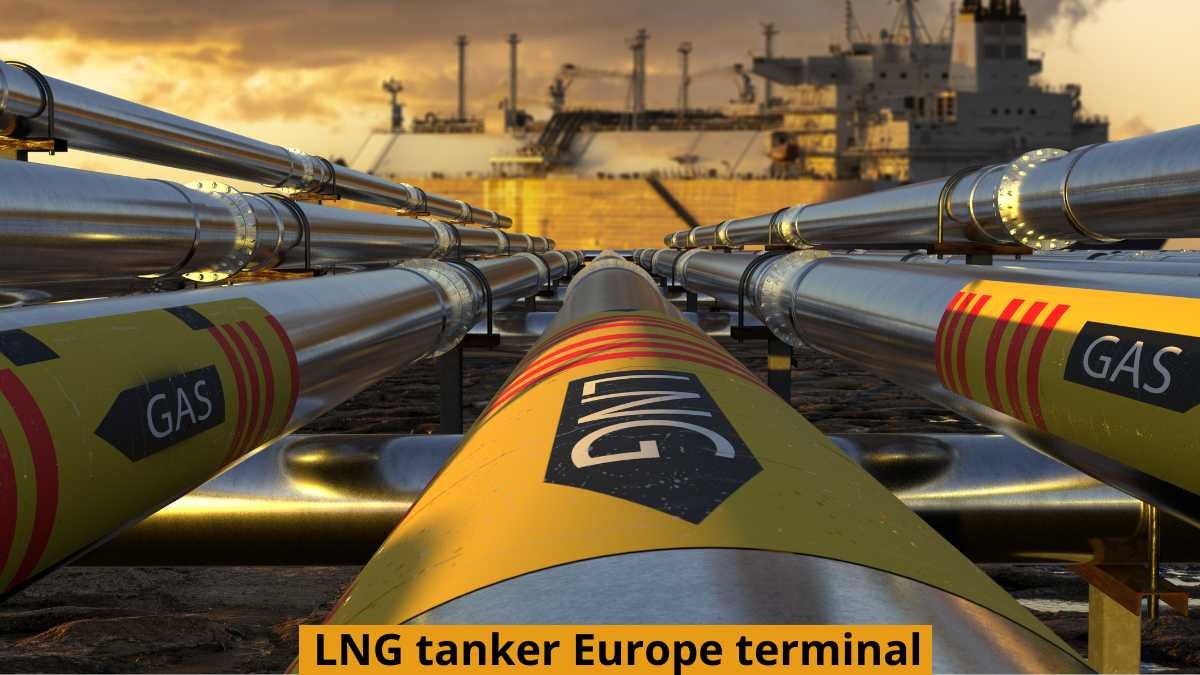
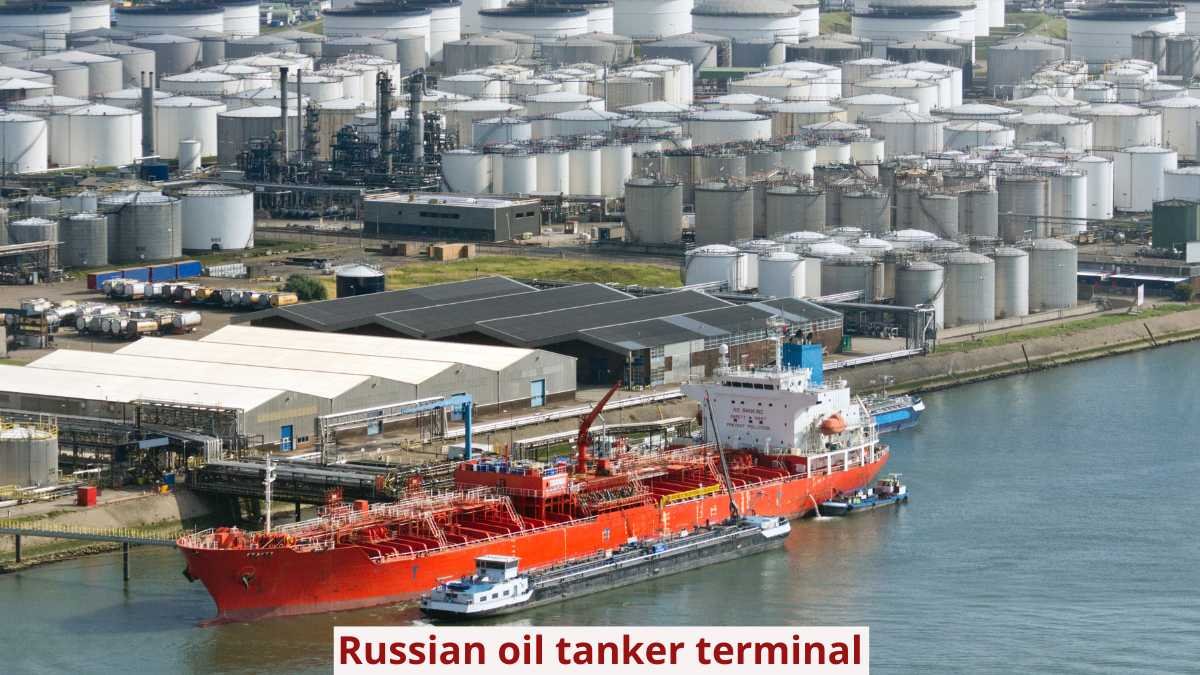
Before the invasion, Europe was getting roughly 40% of its gas and over a quarter of its oil from Russia. It was cheap, geographically close, and kept European industry competitive.
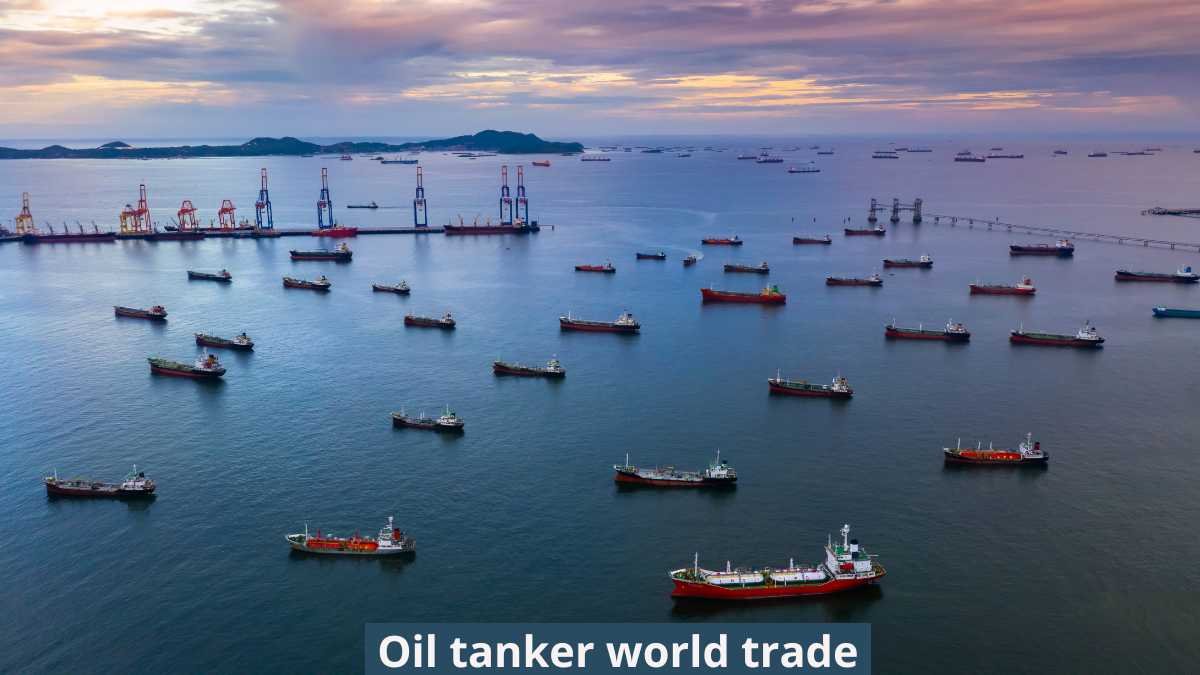
But after the invasion happened, the EU banned Russian coal in April 2022, seaborne Russian crude in December 2022, and pushed to eliminate Russian gas.
Because of that, EU imports of Russian fossil fuels fell by nearly 90% between 2021 and 2024.
So Europe now buys energy from the US (LNG), Norway, Qatar, and others.
But that energy is more expensive and has higher shipping costs baked in.
Those costs flow into our electricity bills, factory operating costs, and everything manufactured inside those factories.
On the flip side, nations like India saw an opportunity, and India went from buying virtually zero Russian oil pre-war to averaging $144 million worth per day in 2024, discounted well below global benchmarks.
It helped India manage inflation, but then Trump started threatening tariffs on countries buying Russian oil.
In July 2025, his administration warned India of a 25% tariff plus additional penalties over continued Russian oil and arms purchases, per Wikipedia.
And what about Russia? Atlantic Council data shows Gazprom posted net losses of $7 billion in 2023 and $12.89 billion in 2024, its first losses since 1999.
So Russia is genuinely hurting on energy, but the global cost of routing oil the long way around, of replacing cheap Russian supply with expensive alternatives, that’s real too.
Food and Fertilizer are Invisible Price Hikes on Our Grocery Bill
Russia and Ukraine together account for roughly 30% of global wheat exports, about 15% of global corn exports, and Ukraine alone is the world’s largest exporter of sunflower oil at 50% of global supply.
When Russia invaded and blocked Black Sea shipping lanes, wheat futures prices jumped almost 50% by March 7, 2022, compared to mid-February.
The EU Council reported wheat prices were 58% higher in March 2022 than a year earlier.
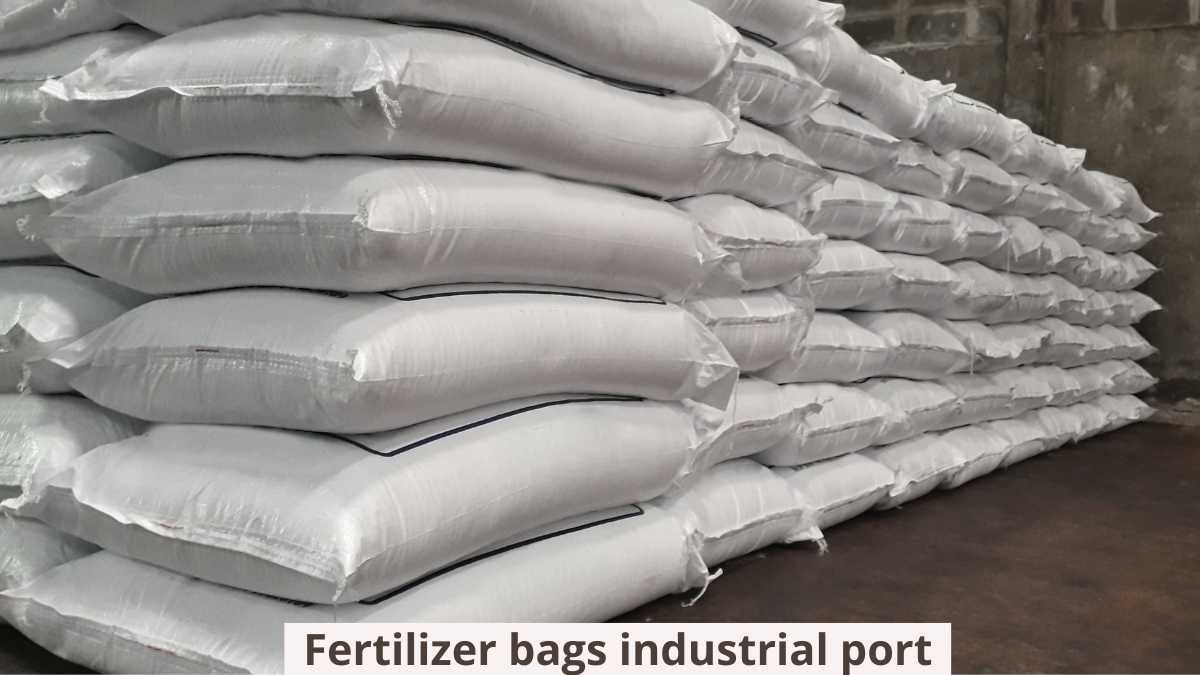
But the deeper issue is fertilizer; Russia is the world’s top fertilizer exporter.
- In 2020, Russia alone accounted for 14% of global urea trade and 11% of global phosphate trade.
- Jointly with Belarus, it handled 41% of global potash trade.
When sanctions hit and shipping companies pulled away from Russian ports, fertilizer prices exploded.
Urea hit a record $925 per metric ton in April 2022, up from well under $300 the year before.
Why does that matter for a grocery store?
Because fertilizer accounts for roughly 35 to 45% of the operating costs for wheat and corn farmers.
When fertilizer is expensive or in short supply, farmers plant less or use less; therefore, yields drop, and food prices rise. And we get expensive bread, cooking oil, grains, etc, this is exactly why they got more expensive starting in 2022.
Fertilizer prices have moderated since those peaks, but they remain above 2021 levels in many markets.
And in places like Sudan, which imports more than 80% of its wheat from Russia and Ukraine, this triggered real food insecurity and street protests as bread prices spiked.
Russia Cut from SWIFT and $300 Billion Frozen: What That Actually Means
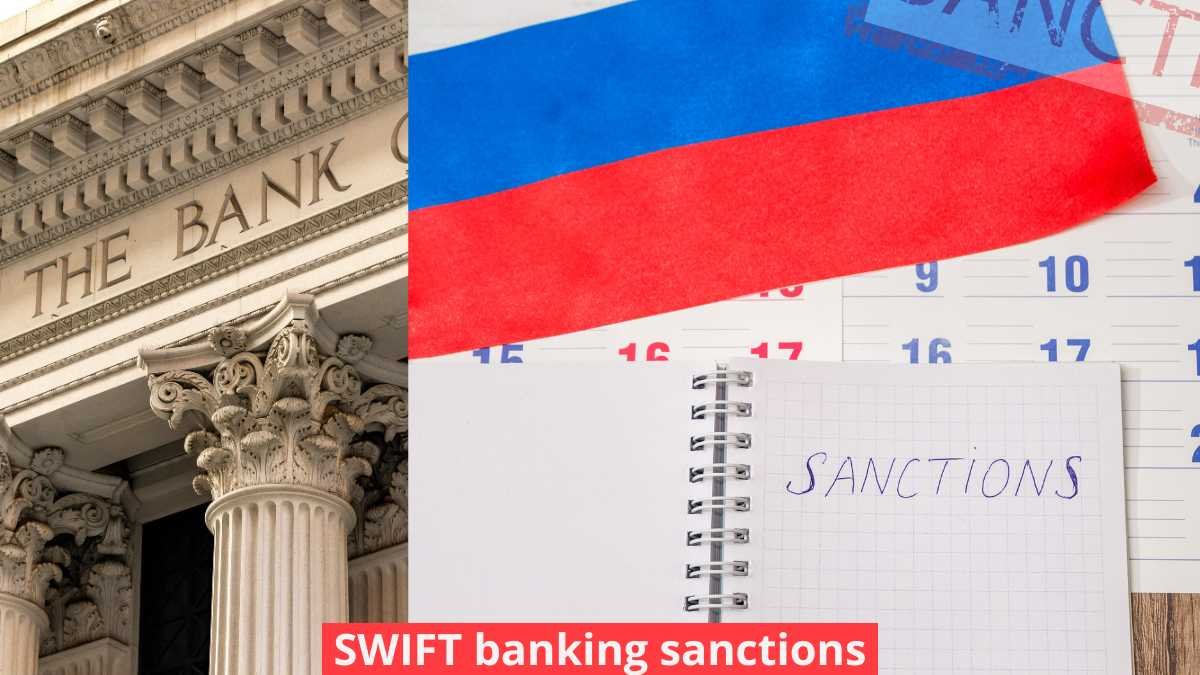
In March 2022, several major Russian banks were removed from SWIFT, the messaging system that powers international bank transfers.
On the other hand, the US and its allies froze Russia’s over $300 billion in reserves.
The US also barred the largest Russian bank and several others from SWIFT, and restricted 80% Russian banking sector assets.
- This hurt Russia as Russia’s ruble fell nearly 25% from its summer 2022 peak by late 2024.
- Its central bank interest rate hit 21%, trying to fight inflation running close to 9%.
- Half its foreign reserves are frozen.
But the financial shock had an unintended side effect that I personally think is more concerning long-term.
Dedollarization is a Slow-Moving Consequence (May Hurt the US)
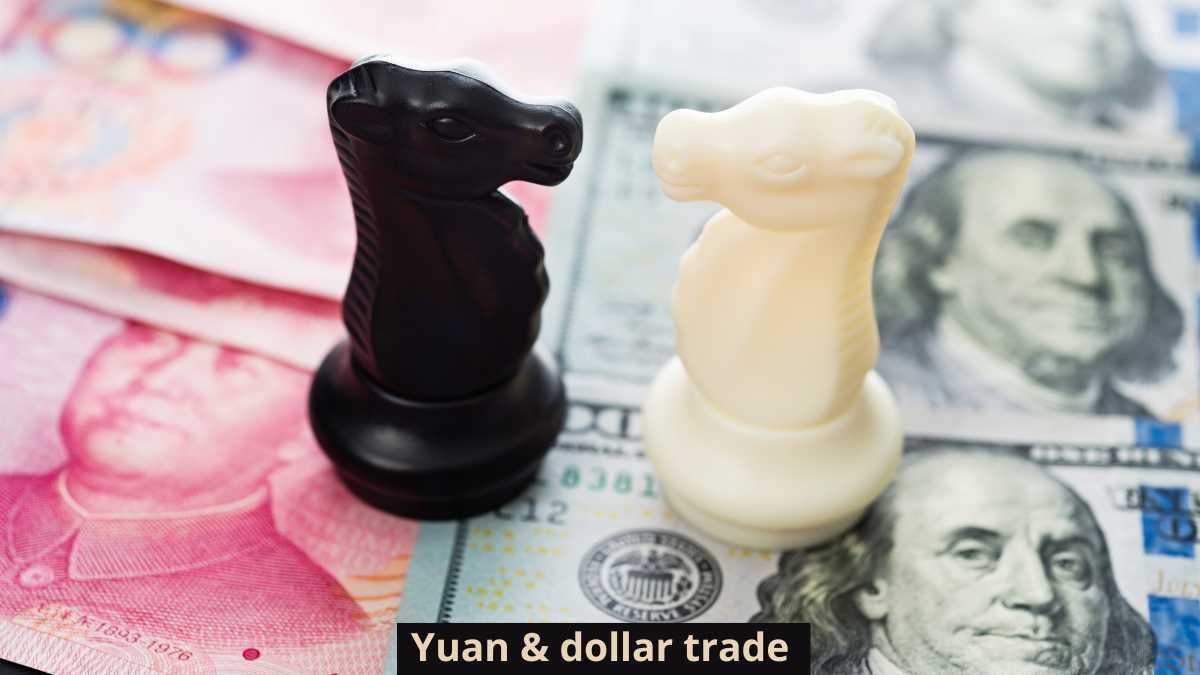
Let me be direct about this: I think dedollarization is the long-term consequence of the Russia sanctions that does not get nearly enough serious attention.
After watching $300 billion of Russian reserves get frozen overnight, other countries started making a very rational calculation.
If we hold too many dollars, and Washington decides we’re a problem, our reserves could be next.
And that’s geopolitical risk management; it is pushing a lot of countries to quietly diversify away from dollar dependence.
India has already paid for Iranian oil in Chinese yuan. China and Russia have been increasing yuan-denominated trade steadily since 2022.
The UAE and other Gulf states have been exploring alternatives, and even the IMF noted in 2024 that while the dollar remains dominant, use of non-traditional currencies in cross-border transactions has been rising.
Russia and China are actively promoting this shift, and Iran was already on board before any of this.
The dollar’s reserve status is one of America’s biggest structural economic advantages. It keeps US borrowing costs low, keeps global demand for US debt high, and gives Washington unmatched financial leverage.
If that erodes even partially, US interests will take a serious hit. I’m not saying the dollar collapses tomorrow; the data still shows it is the dominant currency.
But the direction matters. Freezing Russia’s reserves sent every non-Western government a very clear message about the risks of dollar dependence.
That message is being acted on, quietly, over the years. And America’s biggest rival, China, is the one benefiting most as countries pivot toward yuan-denominated arrangements.
What This Looks Like in Everyday Life Across the World
OK, so let me bring this down from the macro level.
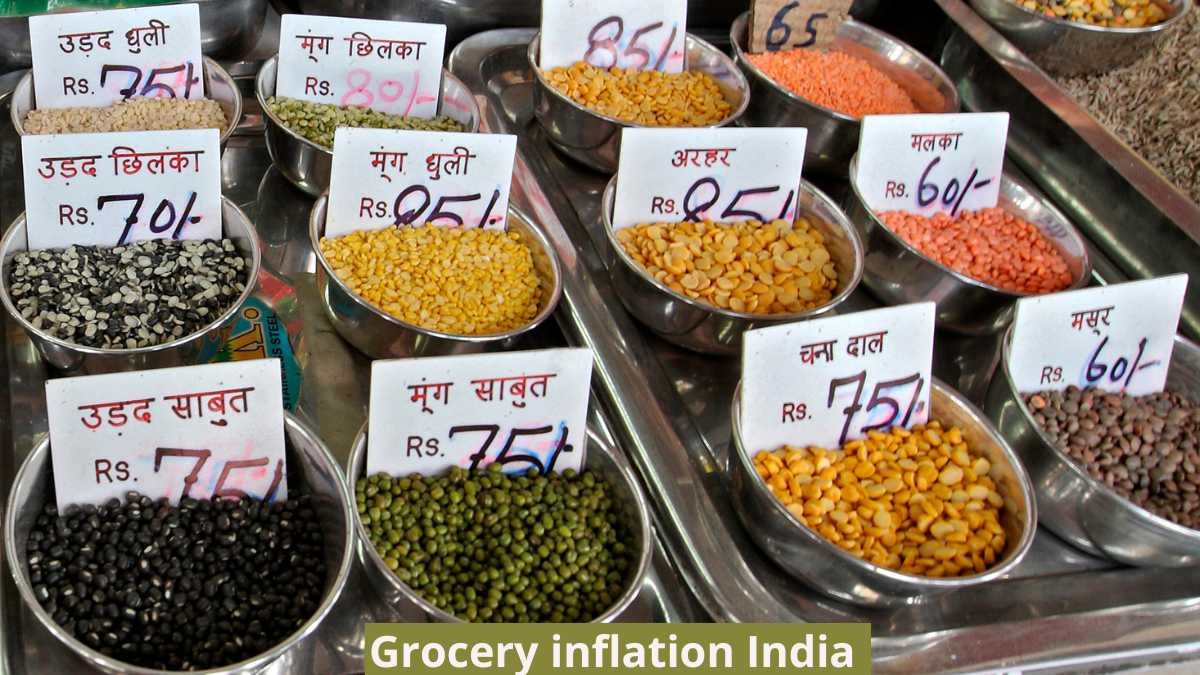
As an Indian, I have personally noticed petrol prices going up. For a while, buying discounted Russian oil gave India some buffer.
But with Trump’s tariff pressure and Middle East instability reducing supply options, that buffer is shrinking.
When energy costs rise, transport costs rise, and when transport costs rise, every single thing you buy from a shop costs more too.
Food prices have increased across most of the world since 2022, including bread, cooking oil, and staple grains.
This is the fertilizer problem, the wheat disruption, and the energy costs baked into agricultural production all landing at the same time.
Lower-income countries feel this hardest because food makes up a larger share of household spending.
In European manufacturing, high energy costs forced factories to cut output or close entirely. At least 10 European fertilizer plants shut down or reduced output in July 2022 alone because of surging gas prices.
European industrial competitiveness has declined because the cheap energy that powered it is gone.
And CSIS estimates that depriving Russia of access to key industrial components has forced it to pay markups of up to 10 times world prices for certain inputs, but the global supply chain churn that comes with that is a cost everyone shares.
And the jobs angle is real too, Russia has labor shortages so severe that its labour ministry warned the economy needs 10.9 million additional workers by 2030.
That matters globally because Russia, as a distorted, war-focused economy, is a less functional trading partner. Supply disruptions do not disappear when your supplier is economically unstable, things will be fix after ceasefire or maybe frozen conflict.
Wrapping Up
The Russia sanctions impact on the global economy and everyday life is real, layered, and still increasing. Yes, Russia is the primary target, and Russia is getting hurt.
But the energy rerouting, the food and fertilizer disruption, the financial system fragmentation, and the push toward dedollarization all have costs that reach well beyond Moscow.
The world in 2026 is not the world of 2021; nowadays, energy is more expensive and more politically complicated.
Food supply chains are less stable, and the dollar’s reserve status has a new vulnerability narrative attached to it.
And countries like India are stuck trying to balance economic self-interest, Washington’s pressure, and their own supply security all at once.
FAQs
Are the Russia sanctions actually making any difference at all?
Yes, and no, they have caused real damage. Gazprom, Russia’s energy giant, posted back-to-back multi-billion-dollar losses.
Russian inflation hit nearly 9% in 2024, and its central bank had to raise rates to 21%.
CSIS estimates that sanctions have cost Russia more than $500 billion in lost economic value/resources, which it could have used for its military.
However, Russia’s GDP still grew 3.6% in 2024, and that’s because of massive war spending, higher than in many Western economies. So the sanctions are working, just slowly, and the economic collapse many predicted in 2022 hasn’t happened yet.
Why didn’t global oil prices collapse if Russia lost so many buyers?
Because Russia did not lose all its buyers, China and India absorbed much of the oil that Europe stopped buying, just at discounted prices.
So Russian oil stayed in the market; it just moved longer distances and at lower margins for Russia.
The global oil price held because overall supply did not dramatically fall; it only got redistributed and more expensive to transport.
Brookings notes that EU imports from Russia fell from 3.5 million barrels per day in 2021 to 0.4 million in 2024, but China and India filled most of that gap.
Could dedollarization really become a serious problem for the US?
Realistically, not in the next few years in a dramatic way, the dollar is still dominant. But the trend is growing; countries have not announced they’re ditching the dollar, yet a few have started using the yuan or other currencies.
Russia and Iran are already doing it, and India has done it with Iranian oil. If this expands to broader BRICS trade flows, the long-run implications for US borrowing costs and financial leverage are real.
What happens to global food prices if the war ends?
Prices would likely ease somewhat, but not instantly reset to 2021 levels, fertilizer supply chains have partly adjusted.
Ukraine’s agricultural infrastructure has been damaged by the war, and Russia’s economy has been restructured toward military production, not agricultural exports.
A peace deal would help Black Sea grain routes and reduce supply uncertainty, but the structural changes that happened in three-plus years of war won’t reverse overnight.
Low-income countries would benefit most from any easing, but recovery will take time.

Abraham is the founder and sole writer of Geopolitics Decoded. Based in New Delhi, India, he has been researching and analyzing international affairs since 2019, with a focus on great-power competition, European security, energy geopolitics, and global diplomacy. He is currently pursuing independent coursework in global diplomacy through SOAS University of London. His fact-based, deeply contextual analysis has earned millions of interactions across social media platforms, including Threads and Instagram. Every article on this site is independently researched, written, and verified by Abraham personally. Read Abraham’s full author bio