When two sides stop shooting at each other, and there is no winner, treaty, or any agreement, they just stop. This situation is called a frozen conflict, and it is one of the most misunderstood situations in modern geopolitics.
Frozen conflict mediation is the attempt to turn silence into permanent peace, without having a peace deal.
However, it fails far more often than it works, because the conditions that create frozen conflicts are almost always the same conditions that make them nearly impossible to resolve.
What Makes a Conflict “Frozen” in the First Place
The easiest way to understand it: a frozen conflict is not a ceasefire.
A ceasefire is a formal agreement to stop fighting, usually with terms, monitoring, and the possibility of future negotiations.
For example, the 2020 ceasefire between Armenia and Azerbaijan, which was brokered by Russia on November 9, 2020, with specific territorial provisions, a timeline, and peacekeeping forces deployed.
A frozen conflict is different; it’s a situation where fighting stopped because both sides ran out of capacity, or there is any external pressure that made continued war too costly, but no actual agreement was reached, and no one officially won or lost.
The conflict just stopped moving, but stayed that way, sometimes for decades.
- The key driver is almost always military exhaustion paired with political deadlock.
- Neither side can push forward and win.
- Neither side is willing to sit down and concede.
So they stay in a grey zone, technically at war, but practically not fighting.
Major Conflicts That Remain Frozen for a Long Time
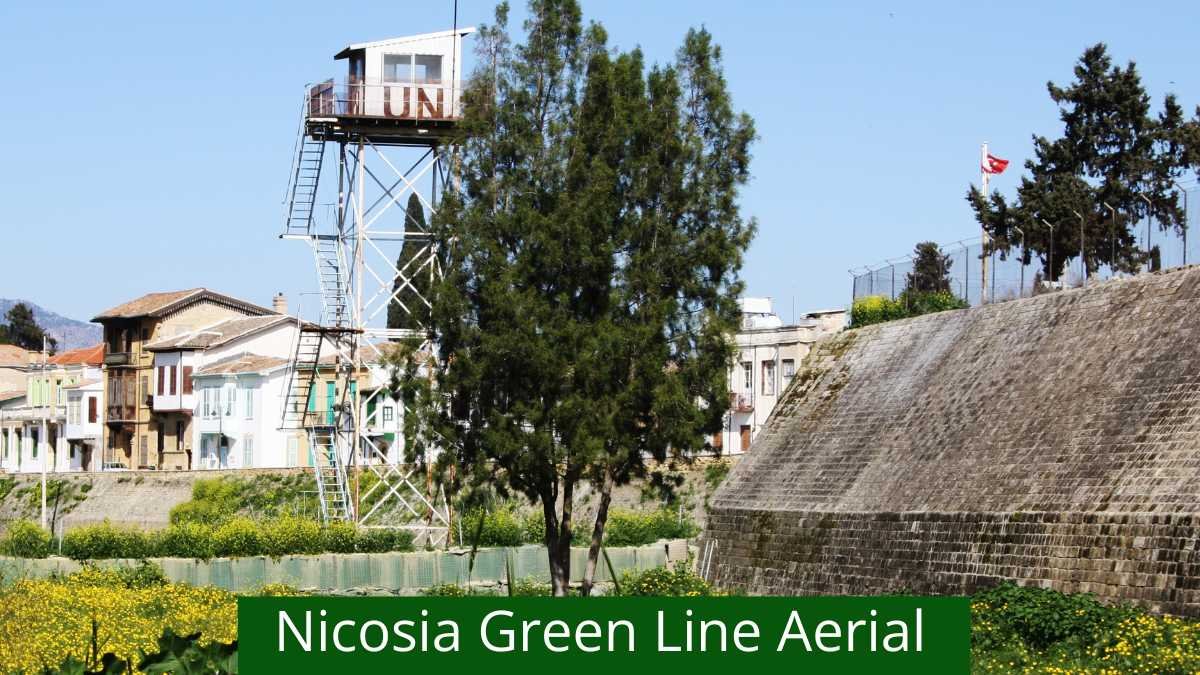
Cyprus is the oldest active example. In July 1974, Turkey invaded northern Cyprus after a Greek-backed coup attempted to unite the island with Greece.
By August, Turkey controlled roughly 37% of the island, and a ceasefire was declared, but no peace settlement ever followed.
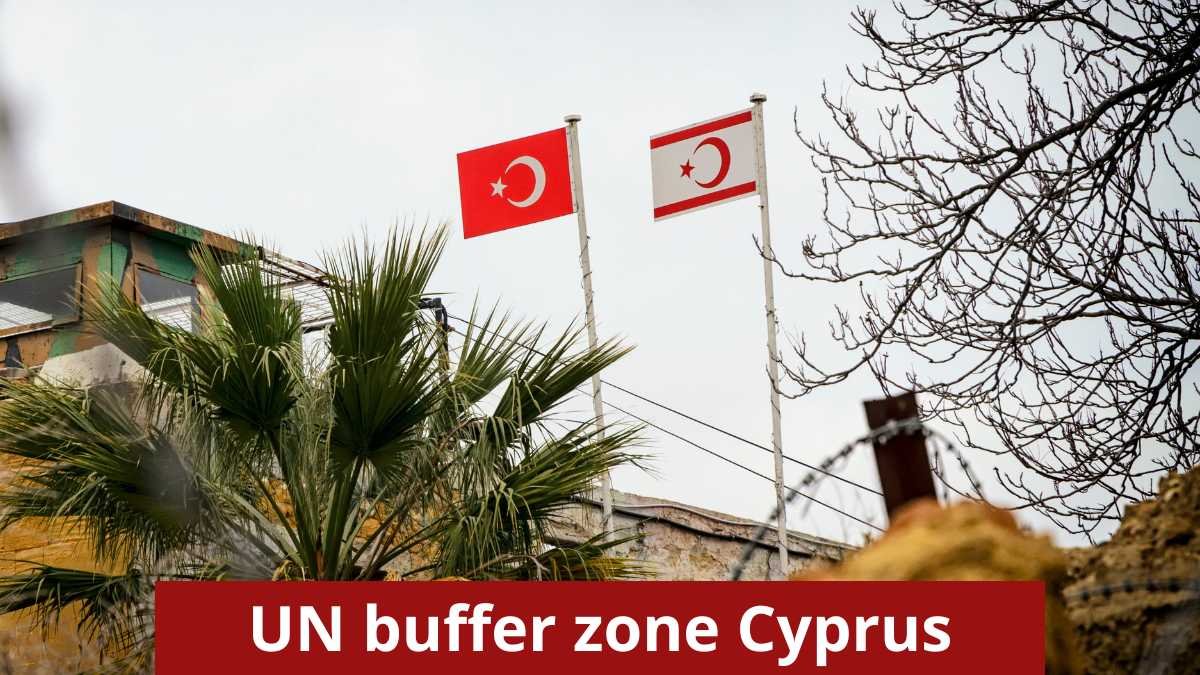
The UN’s Green Line, a buffer zone running through the capital, Nicosia, has divided the island ever since.
In 2004, the UN presented the Annan Plan, a comprehensive reunification proposal negotiated over the years.
The Turkish Cypriot community voted yes (65% in favor), but the Greek Cypriots voted against it ( 76% against), and now, fifty years later, the island is still divided.
Azerbaijan and the ethnic Armenian
Nagorno-Karabakh ran from 1994 to 2023 as arguably the most-watched frozen conflict case.
After the first Karabakh war ended with a Russian-brokered ceasefire in May 1994, the OSCE Minsk Group, co-chaired by France, Russia, and the United States, spent 26 years trying to mediate a settlement.
They produced nothing binding, not one framework that both sides accepted.
In September 2020, Azerbaijan launched the 44-day war, recovered significant territory, and signed a Russian-brokered ceasefire in November 2020.
Then, in September 2023, Azerbaijan launched a 24-hour military operation and took full control of the entire region.
The frozen conflict ended not through mediation, but through force.
Transnistria’s Frozen Stalemate
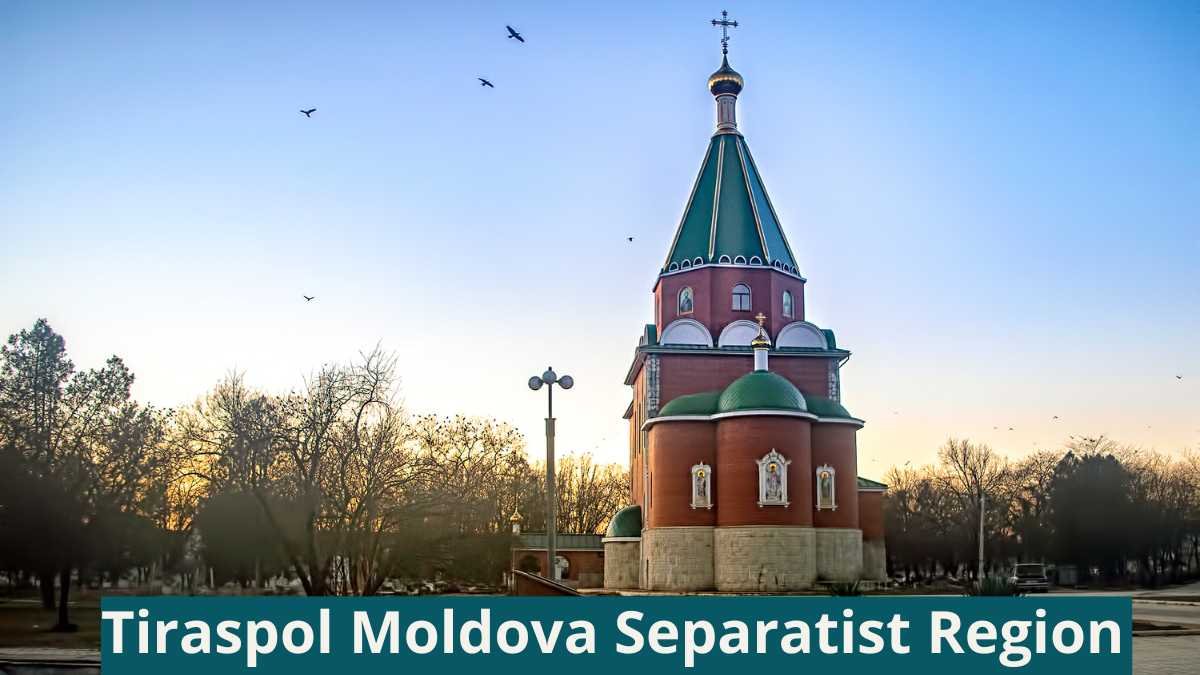
Transnistria, a thin strip of land on Moldova’s eastern border, has been frozen since July 1992, and Russian troops are still in there.
The 5+2 talks format, Moldova, Transnistria, Russia, Ukraine, the OSCE, plus the EU and US as observers, has been running for decades.
But till now, no final status solution has emerged.
North Korea and South Korea
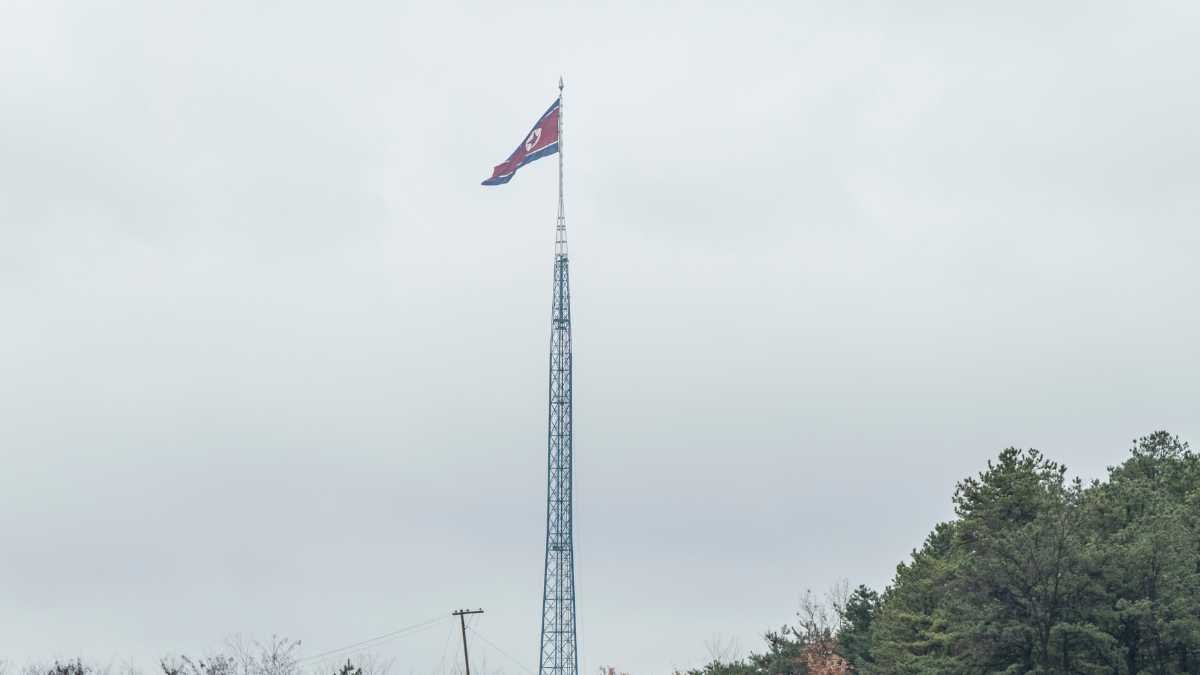
The Korean Peninsula is technically still at war; the armistice signed on July 27, 1953, ended the fighting, but no peace treaty was ever signed.
Multiple rounds of negotiations, from the Six-Party Talks in the 2000s to the Trump-Kim summits in 2018 and 2019, produced nothing durable.
Why Frozen Conflict Mediation Keeps Breaking Down
Looking across these cases, I mentioned above, it comes down to a few structural reasons:
Both sides usually hold maximalist positions
In most frozen conflicts, the political cost of conceding territory or status is so high domestically that no leader can actually do it and survive politically.
For example, the Greek Cypriot government could not deliver a yes vote in 2004 even after years of preparation.
Armenian leaders who accepted the terms after 2020 faced protests and accusations of treason at home. Then, mediation assumes both parties want a deal more than they want their current position.
External powers often benefit from the conflict staying frozen
Russia has maintained leverage over Georgia, Moldova, and Armenia precisely through unresolved conflicts in South Ossetia, Abkhazia, Transnistria, and Nagorno-Karabakh.
A frozen conflict gives Moscow a reason to maintain military presence and political influence in countries that might otherwise drift toward the EU or NATO.
The Minsk Group co-chair position gave Russia a formal seat at the Azerbaijan-Armenia table for 26 years.
There is almost never an enforcement mechanism
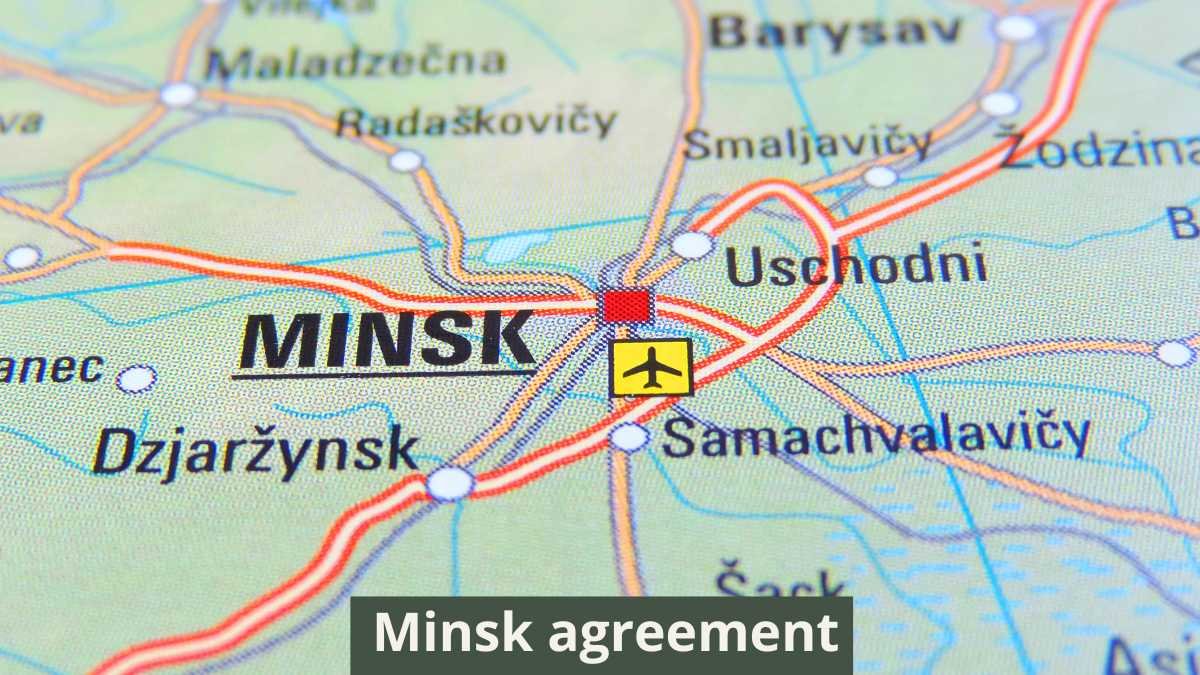
The Minsk I agreement was signed in September 2014 for eastern Ukraine, and Minsk II was signed in February 2015.
Both had ceasefire provisions, heavy weapons withdrawal requirements, and political timelines.
However, violations started almost immediately, so there was no mechanism to enforce compliance and no consequences that either side actually feared.
The UN has had peacekeepers on Cyprus since 1964; UNFICYP’s presence has not produced a settlement in 60 years.
Spoilers on both sides are often more powerful than the negotiators
Peace talks require leaders to make unpopular compromises. In every major frozen conflict, there are political actors such as military factions, diaspora communities, and nationalist parties who actively benefit from the conflict continuing.
The Armenian diaspora’s influence on Armenian government policy toward Karabakh is well documented.
Hardliners in any conflict zone tend to have more political energy than moderates, because the stakes feel more immediate to them.
The trust deficit is real and deep
After years or decades of low-level violence, information warfare, and political hostility, it is extremely difficult to build the kind of confidence measures needed for a settlement to hold.
Both sides assume the other will use a deal as a tactical pause rather than a genuine resolution.
What Major Powers Actually Do During These Conflicts
My honest answer: They Manage, Not Resolve.
The United States, Russia, France, and the EU have all led mediation efforts in frozen conflicts. But what they mostly produce is stability frameworks that prevent escalation without resolving the underlying issue.
That is not nothing, preventing another hot war has real value, but it also means these conflicts can sit frozen for 30, 40, 50 years.
There is also a credibility problem for major power mediators, for example:
- The US lost credibility in Israeli-Palestinian mediation over decades of perceived bias.
- Russia cannot credibly mediate conflicts where it is itself a party or a backer of one side.
- France and Germany co-led the Normandy Format for the Donbas from 2014 to 2022 and produced two Minsk agreements that collapsed.
- The EU, which mediates between Serbia and Kosovo, has produced agreements that neither side fully implements.
- The Brussels Agreement of 2013 was supposed to normalize relations, but a decade later, both sides were still in periodic crisis.
When Mediation Actually Works
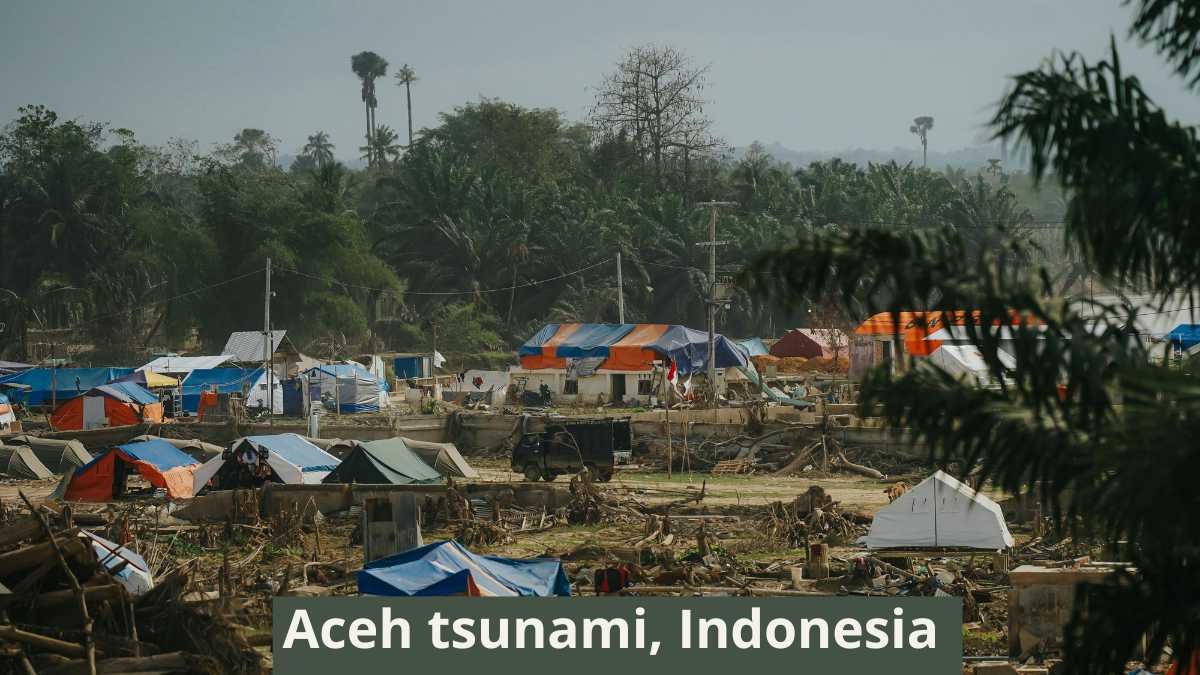
It does happen, but it is rare and usually requires a specific combination of conditions that frozen conflicts rarely produce.
For example, Aceh, Indonesia, is probably the cleanest success case.
It was a decades-long separatist conflict between the Free Aceh Movement (GAM) and the Indonesian government.
It was mediated by former Finnish President Martti Ahtisaari and his Crisis Management Initiative, and the Helsinki Memorandum of Understanding was signed in August 2005.
What made it work: the 2004 Indian Ocean tsunami created a shared crisis that changed the cost-benefit calculation for both sides.
- It weakened GAM militarily.
- The Indonesian government under President Yudhoyono was committed to a deal.
- The mediator was neutral, experienced, and kept the talks out of the public eye until the deal was signed.
- There was a monitoring mission with real capacity.
In simple words, conditions in Aceh were unusual, which rarely lined up that neatly in other frozen conflicts.
The other thing that ends frozen conflicts, as Nagorno-Karabakh demonstrated in 2023, is a decisive military shift.
When one side develops sufficient capability to change the facts on the ground, the conflict does not get mediated; it gets resolved by force.
But we can’t call it a diplomatic success, because it is an outcome.
The Broader Picture and What It Tells Us
Looking across Cyprus, Korea, Transnistria, Nagorno-Karabakh, Western Sahara, and the Donbas (before 2022), a pattern is clear.
Frozen conflicts persist when the cost of resolution exceeds the cost of continuation for at least one key party.
Mediation works when that calculation changes, and it usually takes an external shock, a military shift, or a genuine leadership change on both sides to make that happen.
The Minsk Process was not a failure of French or German diplomacy. It was a process where Russia had no real incentive to see success, and where the underlying political conditions never existed for a settlement.
That should inform how we think about current mediation efforts, including anything that eventually attempts to address Ukraine, or the long-stalled Cyprus talks, or the Serbia-Kosovo relationship.
There are real constraints here that analysts don’t always acknowledge:
- Limited access to what is actually happening inside negotiation rooms
- The gap between what parties say publicly and what they are willing to accept privately
- And the difficulty of predicting when military or political conditions will shift.
Frozen conflict mediation is one of the most technically complex things in international relations. And it mostly does not work until the conditions change, or someone wins.
Conclusion
Frozen conflicts are the result of specific military and political conditions that make fighting too costly to continue and settlement too costly to accept.
Mediation in these contexts faces structural barriers that good diplomacy alone cannot overcome: maximalist positions, external spoilers with vested interests, and no real enforcement mechanism.
- The Nagorno-Karabakh case is a reminder that some of these conflicts end through force, not talks.
- The Aceh case is a reminder that mediation can work, but usually needs an external shock and a rare alignment of political will on both sides.
Most frozen conflicts just stay frozen. And understanding why that happens is more useful than pretending the right mediator or the right framework could have fixed them.
FAQs
Is a frozen conflict the same as a ceasefire?
Not exactly, a ceasefire is a formal, usually monitored agreement to stop fighting; it has terms, often timelines, and at least the structure of a peace process.
While a frozen conflict is more informal, they stop fighting, but there is no agreement, no defined status, and no settlement.
It can look like a ceasefire from the outside, but the legal and political situation is completely different.
Why doesn’t the UN just force a resolution?
The UN Security Council would need all five permanent members to agree, and that almost never happens in frozen conflicts because at least one P5 member usually has a stake in the outcome.
Russia blocked action on Georgia, Ukraine, and effectively on Nagorno-Karabakh.
The US has blocked action on Israel-Palestine, so without a P5 consensus, the UN can monitor and report but cannot compel.
Did the Minsk agreements ever have a real chance?
Honestly, it is hard to argue that they did; Russia signed them in a co-facilitating role while actively supporting separatists in eastern Ukraine.
Minsk II’s political provisions, autonomy for Donbas within Ukraine, were unacceptable to Ukraine’s government domestically and were never going to be implemented.
Most serious analysts saw Minsk as a framework to manage the conflict, not end it.
Could the Russia-Ukraine war eventually become a frozen conflict?
That is probably the most realistic near-term scenario if the fighting slows to a stalemate without a full Russian withdrawal or a Ukrainian military breakthrough.
A de facto ceasefire along current lines of control, without a formal settlement, would fit the definition.
What that looks like long-term depends on whether any framework emerges that both sides, and more importantly, the US, EU, and Russia are willing to sustain.
Right now, the conditions for a durable settlement do not exist.

Abraham is the founder and sole writer of Geopolitics Decoded. Based in New Delhi, India, he has been researching and analyzing international affairs since 2019, with a focus on great-power competition, European security, energy geopolitics, and global diplomacy. He is currently pursuing independent coursework in global diplomacy through SOAS University of London. His fact-based, deeply contextual analysis has earned millions of interactions across social media platforms, including Threads and Instagram. Every article on this site is independently researched, written, and verified by Abraham personally. Read Abraham’s full author bio