Europe is now facing second major energy crisis in less than five years, the first time was February 2022 when Russia launched its full-scale invasion of Ukraine.
After that, European nations cut Russian gas imports almost immediately, which was the right call geopolitically, but it came at a some economic cost.
Europe had built its entire energy system around cheap Russian pipeline gas for decades. But they later lost around 45% of their gas supply.
The second shock came in late February 2026, when the United States and Israel launched an air campaign against Iran.
In retaliation, Iran closed the Strait of Hormuz, through which around 20% of global oil trade and 20% of global LNG shipments pass every single day.
The International Energy Agency has called it “the largest supply disruption in the history of the global oil market.”
Before this Hormuz crisis, European gas storage levels were already sitting at just 30% capacity, a five-year low, after a harsh 2025-2026 winter.
How Europe Became Dependent on Russian Gas
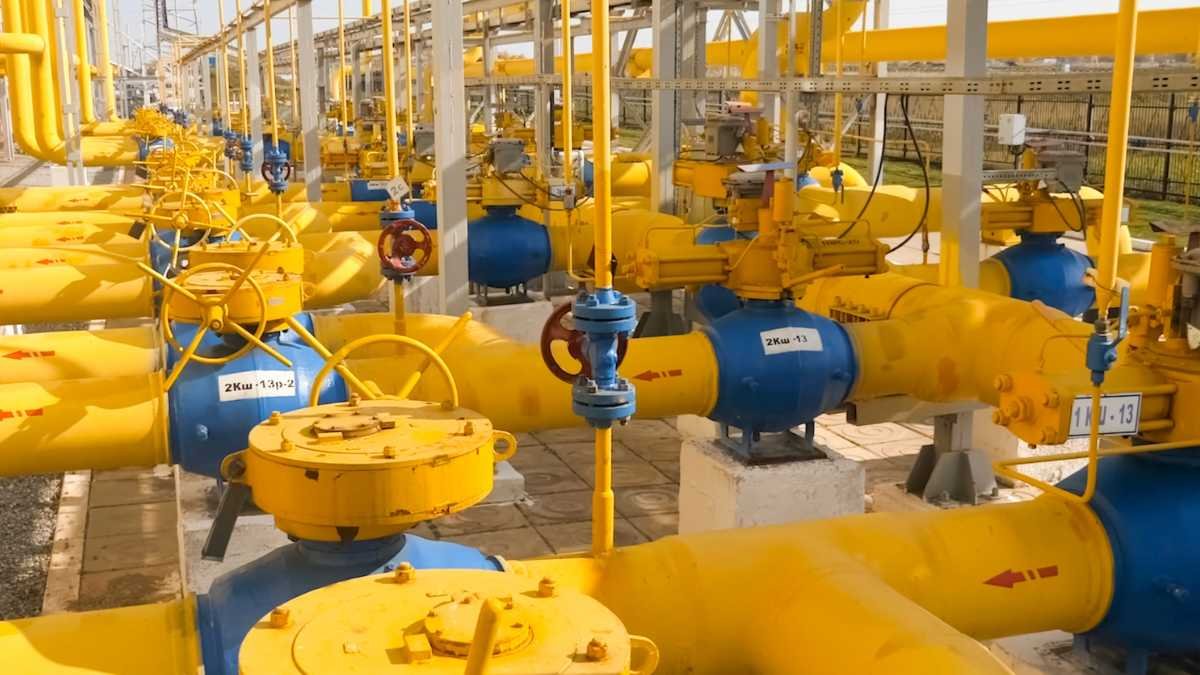
Germany, which is Europe’s biggest economy and its energy transit hub, was importing around 55% of its natural gas from Russia, and, If Nord Stream 2 (Gas Pipeline) had been certified and gone operational, that dependency would have even crossed two-thirds.
The German government approved Nord Stream 2 construction in 2015, and it kept defending it even after Russia annexed Crimea in 2014.
But why was Germany so close and dependent on Russia?
- Russia is geographically close to Europe.
- Pipelines are cheap once you build them.
- Gas flows directly into European nations without needing ships or terminals.
So German and other European industrial companies got access to some of the cheapest energy in the world, that’s how Germany built its manufacturing dominance.
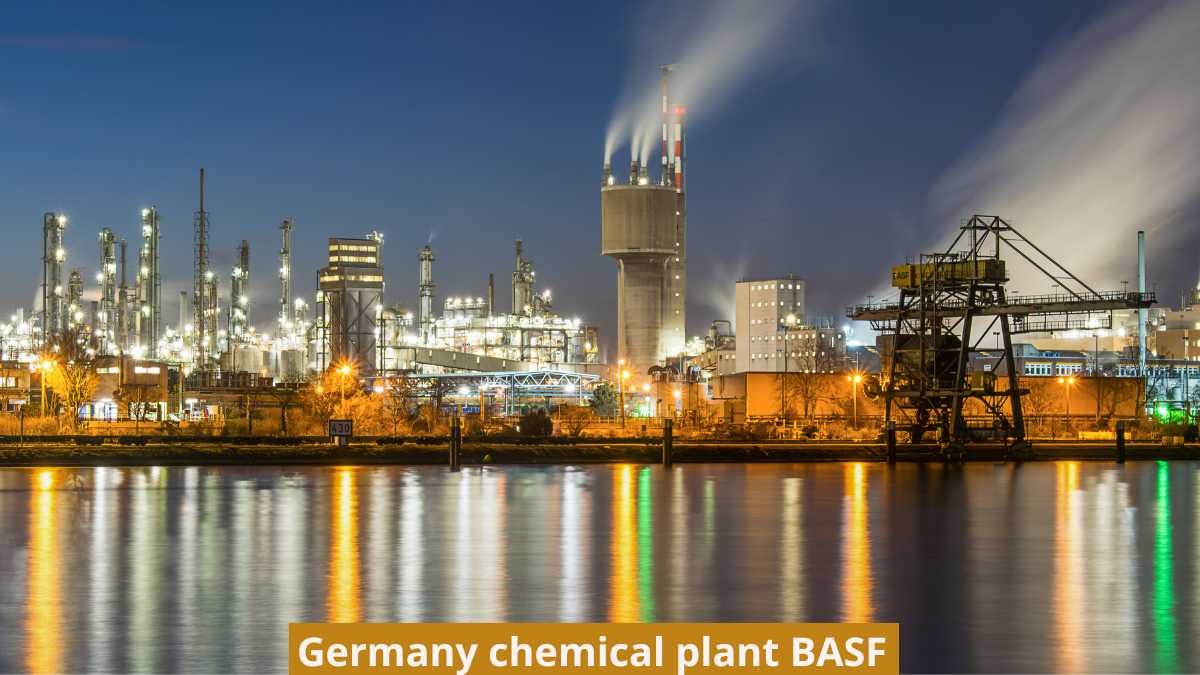
BASF, the world’s largest chemical company, has its headquarters next to a gas-fired power plant in Ludwigshafen, and one of the biggest reasons was cheap Russian gas.
Across the EU as a whole, Russian gas accounted for 45% of total EU gas imports in 2021, around 155 billion cubic meters (BCM).
It wasn’t just Germany; other European nations like Austria, the Czech Republic, Slovakia, Hungary, Italy, and others were deeply reliant too.
Also Russia seemed to be setting Europe up for this dependency well before the actual invasion.
In the summer of 2021, Russia began slowing spot gas sales to Europe, keeping the storage unusually low heading into winter, while it publicly denied any deliberate manipulation.
How Bad is European Energy Crisis After 2022
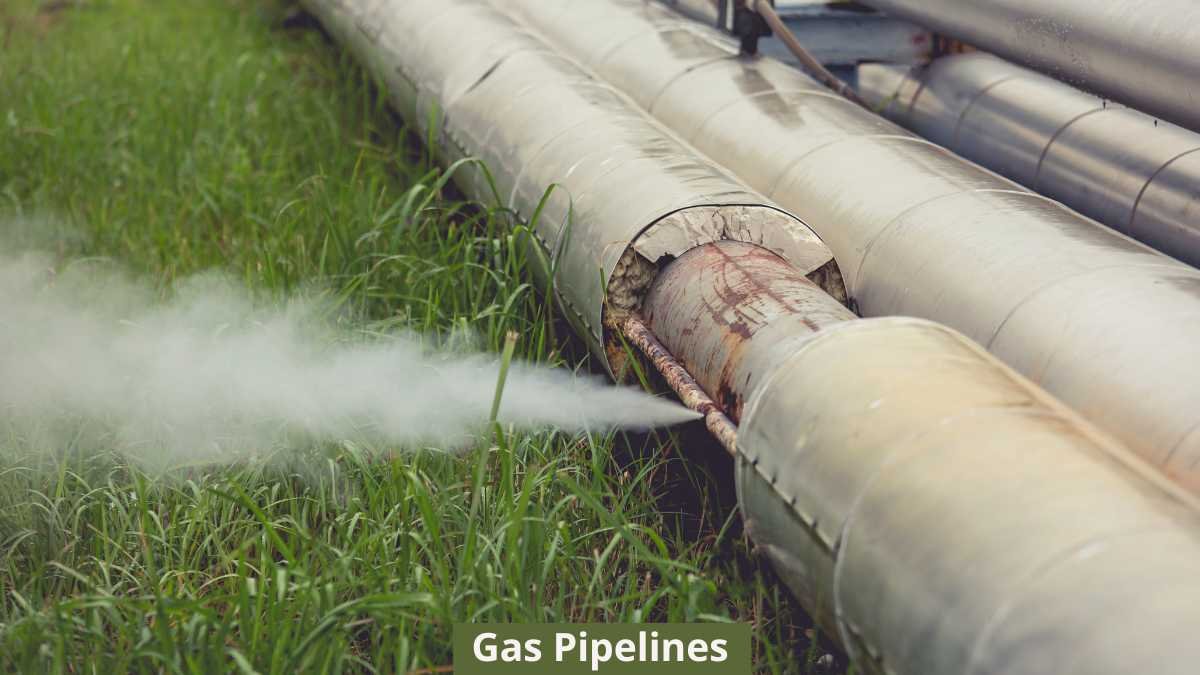
After invasion of Ukraine in February 2022, Germany froze certification of Nord Stream 2 two days before the invasion.
Then Russia started playing its cards and It cut gas to Poland, an Important NATO ally and Bulgaria in April for refusing to pay in rubles.
It slowed down Nord Stream 1 to 40%, then 20%, citing “maintenance issues” that nobody believed.
By September 2022, Russia had halted Nord Stream 1 entirely.
Then on September 26, 2022, both Nord Stream 1 and part of Nord Stream 2 were blown up in what European authorities confirmed was sabotage.
Germany had lost all its Russian pipeline supply in the space of six months.
The EU imported around 60 BCM of Russian gas in 2022, down from 155 BCM the year before.
European gas prices in 2022 reached levels that were alarming for households and industries such as chemical and fertilizer plants across Europe, which force to either cut production or shut down.
Because of that, European Governments spent hundreds of billions of dollars in emergency subsidies to keep people from freezing.
Germany, ironically, came through relatively well considering how exposed it was, probably because the winter was mild and because of emergency demand reduction.
How Europe Dealt with Crisis
The EU launched its REPowerEU plan, mobilizing close to €300 billion in investment to diversify supply and accelerate renewables.
- Russian gas’s share of EU imports crashed from 45% in 2021 to 12% by 2025.
- US LNG exports to Europe went from 21 BCM in 2021 to 80 BCM in 2025.
- Norway became the biggest pipeline supplier; it’s now providing 31% of EU gas.
- Europe also added around 250 GW of renewable capacity between 2022 and 2025; its renewables’ share of electricity generation rose from 37% to 44%.
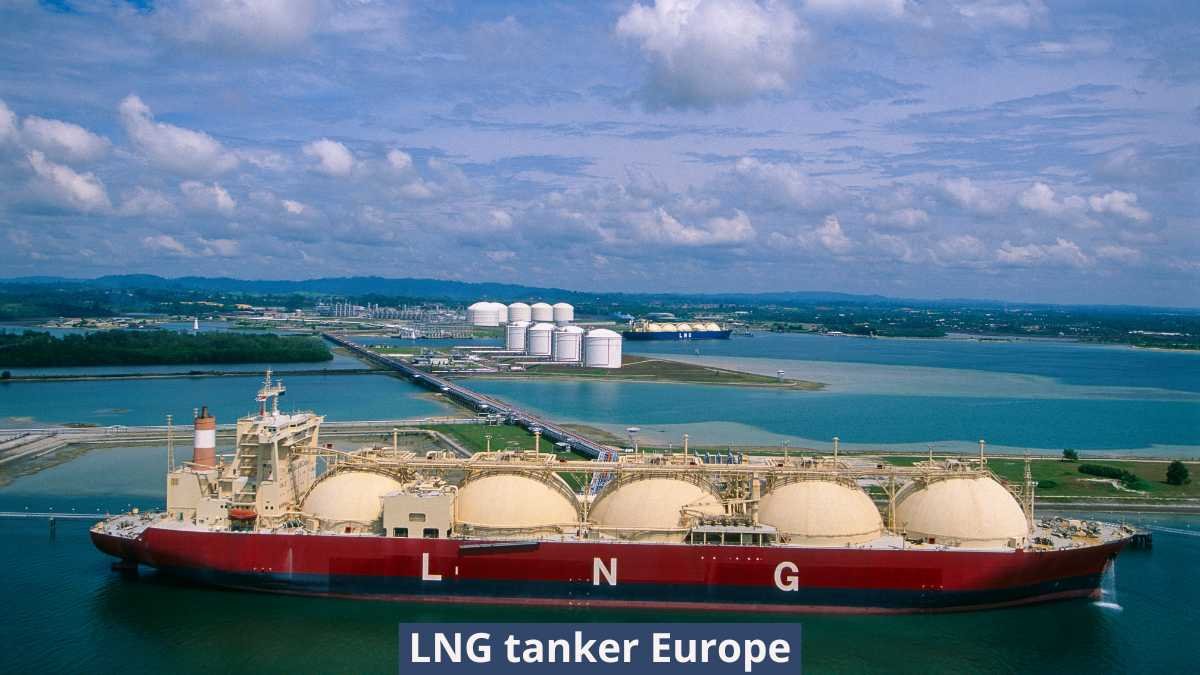
However, replacing Russian pipeline gas with LNG was technical switch and expensive, too.
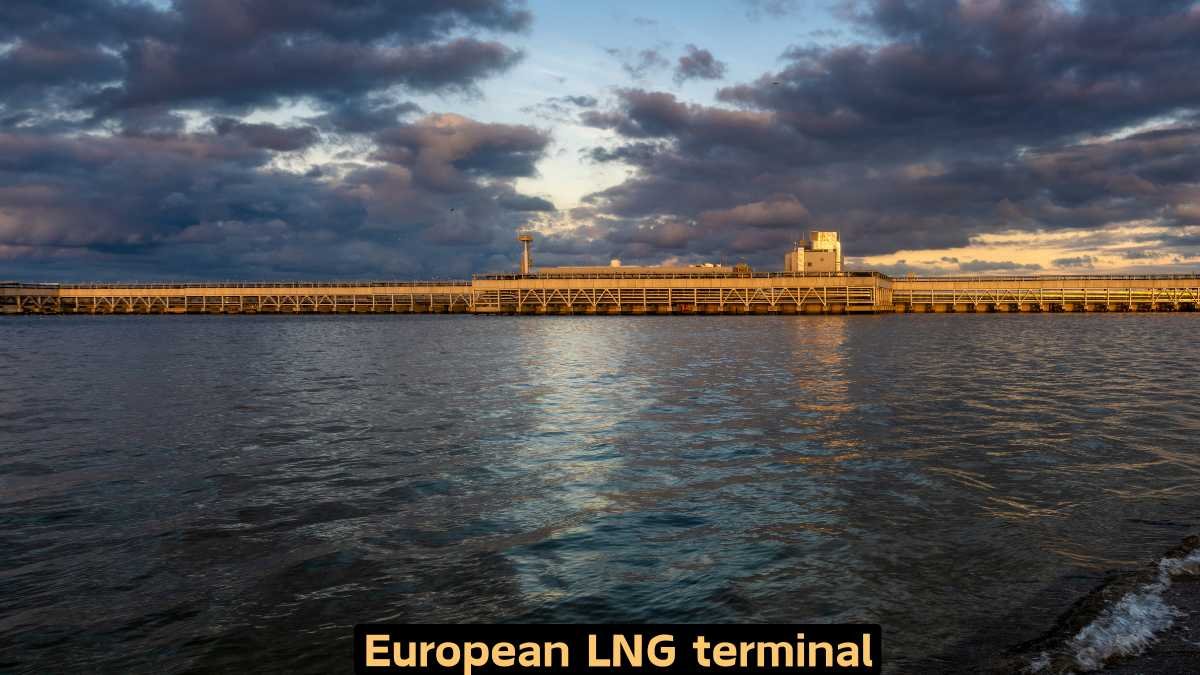
That is because LNG has to be liquefied, shipped on specialized tankers, and then regasified at import terminals, so all of that adds cost at every step.
Also In 2025, the EU spent nearly €400 billion on fossil fuel imports while investing €330 billion in clean energy.
What the Hormuz Closure Did to a European Nation
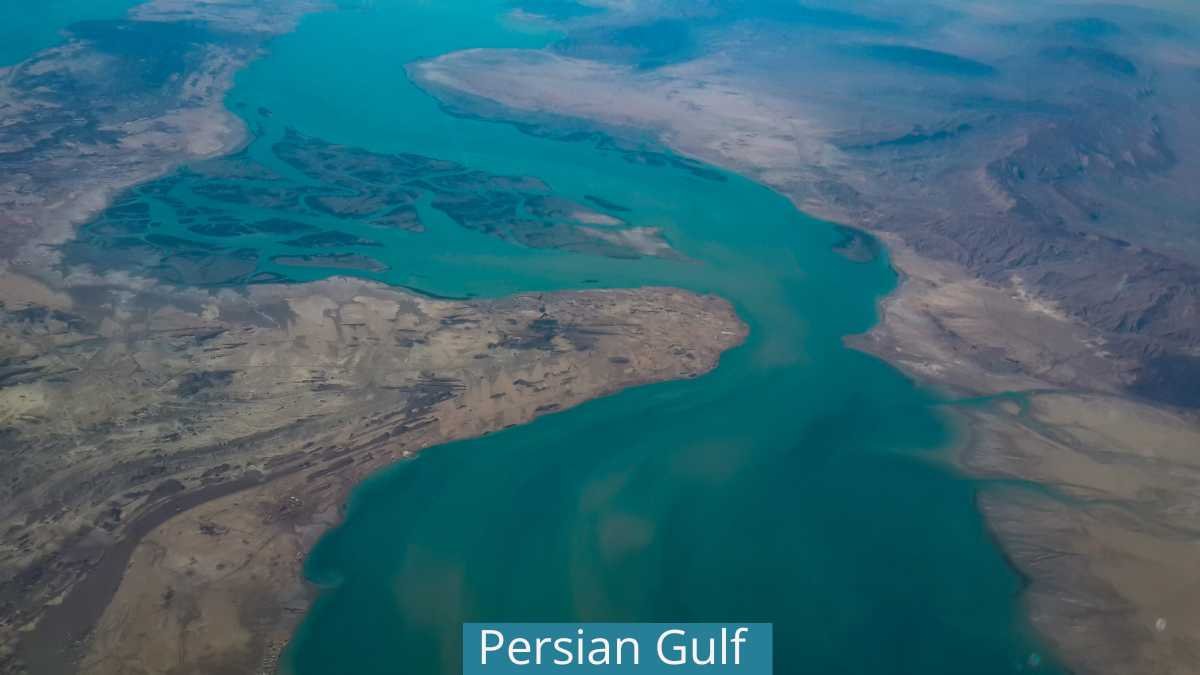
So by early 2026, Europe had replaced most of its Russian gas dependency, but at a higher cost, with gas storage at a five-year low, and leaning heavily on Qatar and US LNG.
Then on March 2, 2026, Iranian drones struck Qatar’s Ras Laffan LNG facility, which was the single largest LNG production complex in the world.
Qatar Energy declared force majeure on all exports two days later, meaning it was legally released from all its supply contracts to European and Asian buyers.
Also the Strait of Hormuz was already closed to commercial traffic by late February.
Before this conflict, roughly 20% of global oil and 20% of global LNG passed through the strait daily.
Now there is no alternative export route for Qatari LNG, NONE, it either goes through Hormuz or it doesn’t move.
- After strait of Hormuz closure, European TTF gas benchmarks nearly doubled to over €60 per MWh by mid-March, and Brent crude surged past $120 per barrel.
- On March 19, Dubai crude hit $166 per barrel, a record.
European Commission President Ursula von der Leyen said in March that just 10 days of the Iran war had already cost European taxpayers an additional €3 billion in fossil fuel imports.
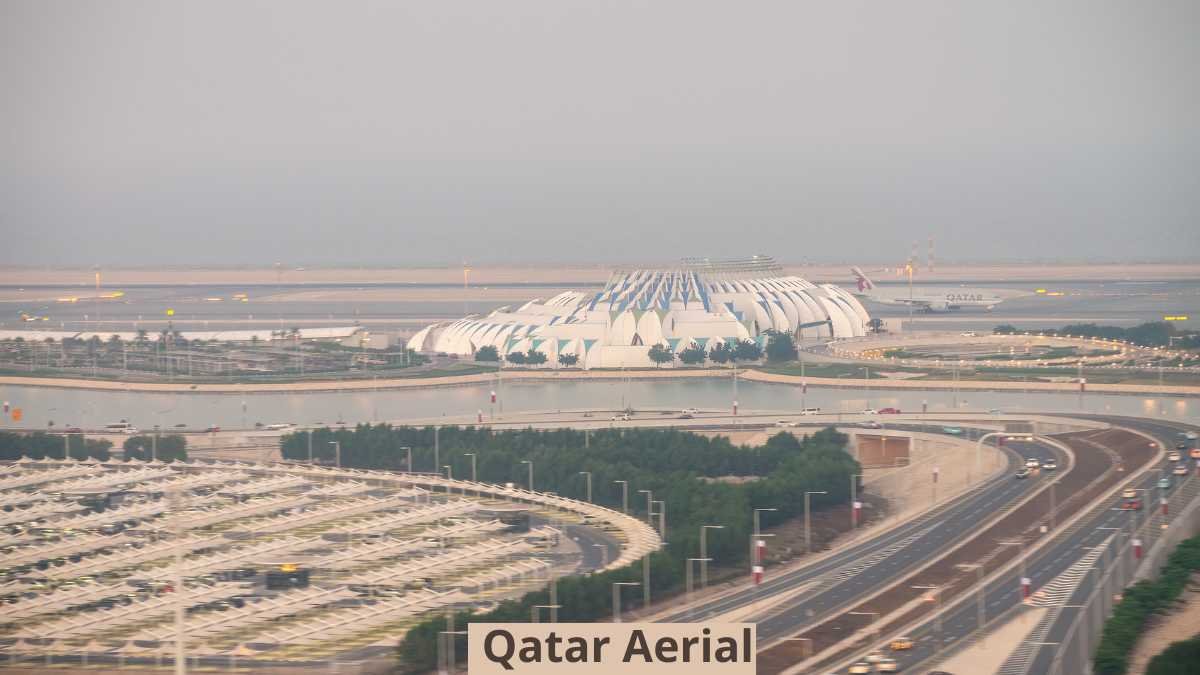
Even though Europe only imports around 10% of its LNG directly from the Gulf, the Hormuz closure affects Europe indirectly through global price competition.
LNG shipments originally bound for Europe are being diverted to Asian buyers willing to pay more.
So Europe ends up bidding more to compete for the remaining non-Qatari LNG. It’s a global market, and every disruption hits Europe regardless of where the disruption physically happens.
Europe’s dependency on refined petroleum products on the Gulf
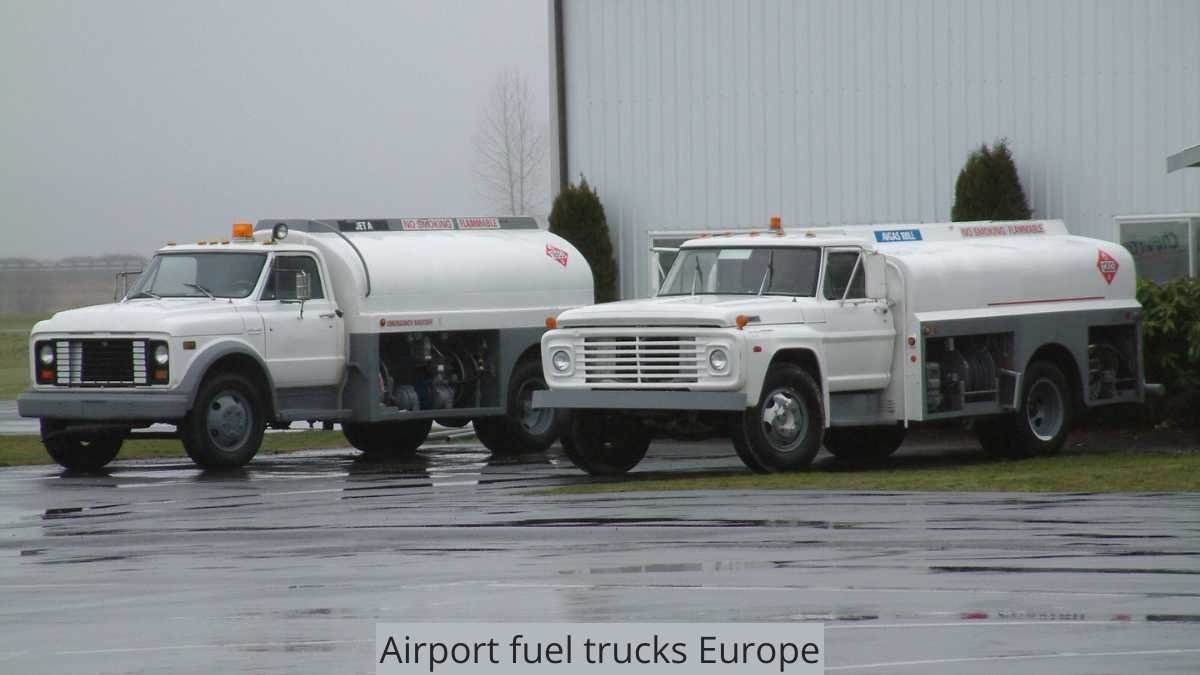
Saudi Arabia, Kuwait, and the UAE supply diesel and jet fuel to European markets.
That’s aviation, logistics, and the whole transport infrastructure.
Macroeconomic Hormuz Impacts that are serious
- The ECB postponed planned interest rate cuts in March and raised its 2026 inflation forecast, the UK inflation is expected to breach 5% in 2026.
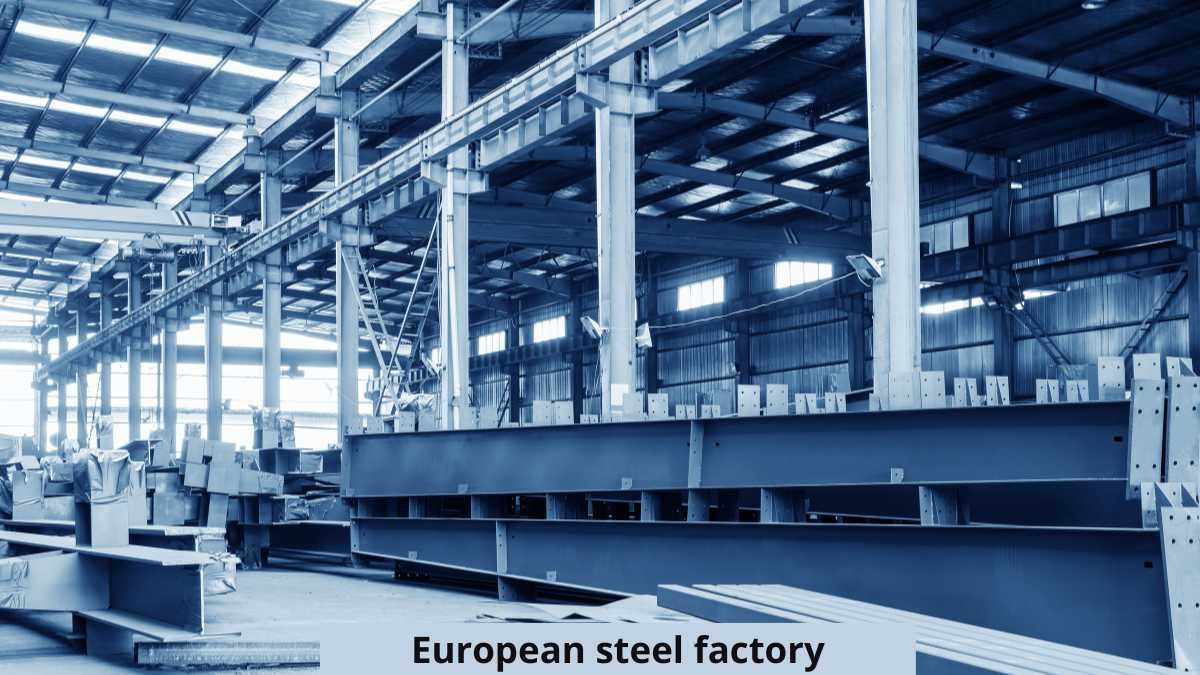
- Chemical and steel manufacturers have imposed surcharges of up to 30% on customers to offset surging electricity costs.
- The ECB’s adverse scenario models oil at $119 per barrel and gas at €87 per MWh in Q2 2026.
- In the severe scenario, oil hits $145, and gas reaches €106 per MWh, but it wont hit as there peace deal will be sign in between US and Iran.
Both scenarios project inflation 1.5 percentage points higher through 2028 and GDP growth 0.8 percentage points lower.
One thing I find striking about all this: the obvious short-term fix for Europe would be to turn Russian gas back on.
But as the Atlantic Council noted, that option is politically untouchable. It would undo four years of painful diversification, hand Moscow revenue while the Ukraine war will remain unresolved, and recreate the exact dependency that created this mess.
What Europe Is Actually Doing Right Now
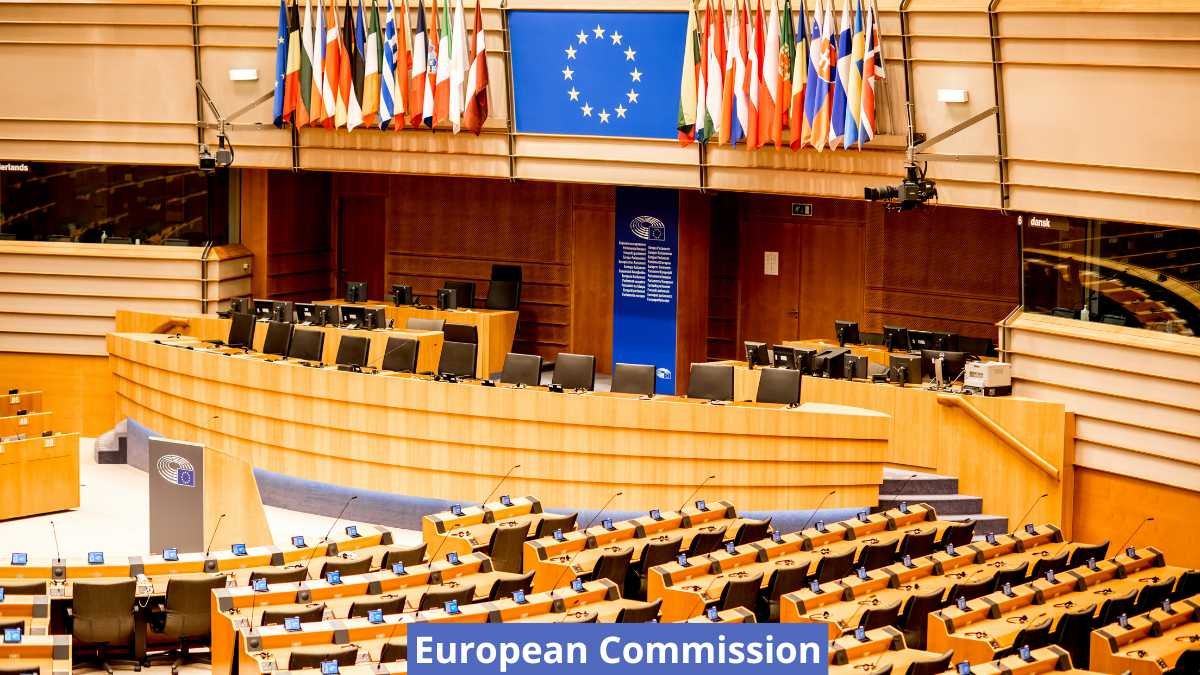
In April 2026, the European Commission proposed AccelerateEU, a set of emergency and medium-term measures to address the crisis.
The EU also called on member states to begin filling gas storage early in the season, given that storage levels remain around 30%, well below the usual 90% target.
There’s even a discussion to lower the 2026 target to 80% because reaching 90% looks unrealistic, looking at the current market conditions.
Things happened too fast:
- The IEA’s 32 member states agreed in March to release 400 million barrels of oil from emergency reserves, the largest coordinated stock release in history.
- The G7 leaders pledged to take “Any Necessary Measures” to stabilize the energy supply.
And even, the US suspended part of its Russian oil embargo to allow 30 Russia-connected petroleum tankers carrying 19 million barrels to move in Asia.
On the structural side, the EU has committed to:
- Ban all Russian LNG imports by the end of 2026 and pipeline gas by September 2027, under the REPowerEU Roadmap.
- Push renewables to at least 42.5% of total energy use by 2030.
- A Grids Package by summer 2026 to fix the slow permitting and grid connection problems that are holding up wind and solar expansion.
- An Electrification Action Plan is due by summer 2026 for industry, transport, and buildings.
- A pivot back to nuclear: Von der Leyen called Europe’s earlier move away from nuclear a “strategic mistake” in a March 2026 speech to the European Parliament, something that would have been politically impossible to say a few years ago.
The ECFR also raised something interesting that doesn’t get enough coverage: Ukraine’s underground gas storage facilities, located near its western border, hold around 30 BCM of capacity, equal to about 30% of total European storage capacity.
Using that as a buffer could help Europe significantly during this refilling season.
Europe’s dependency on the USA increased
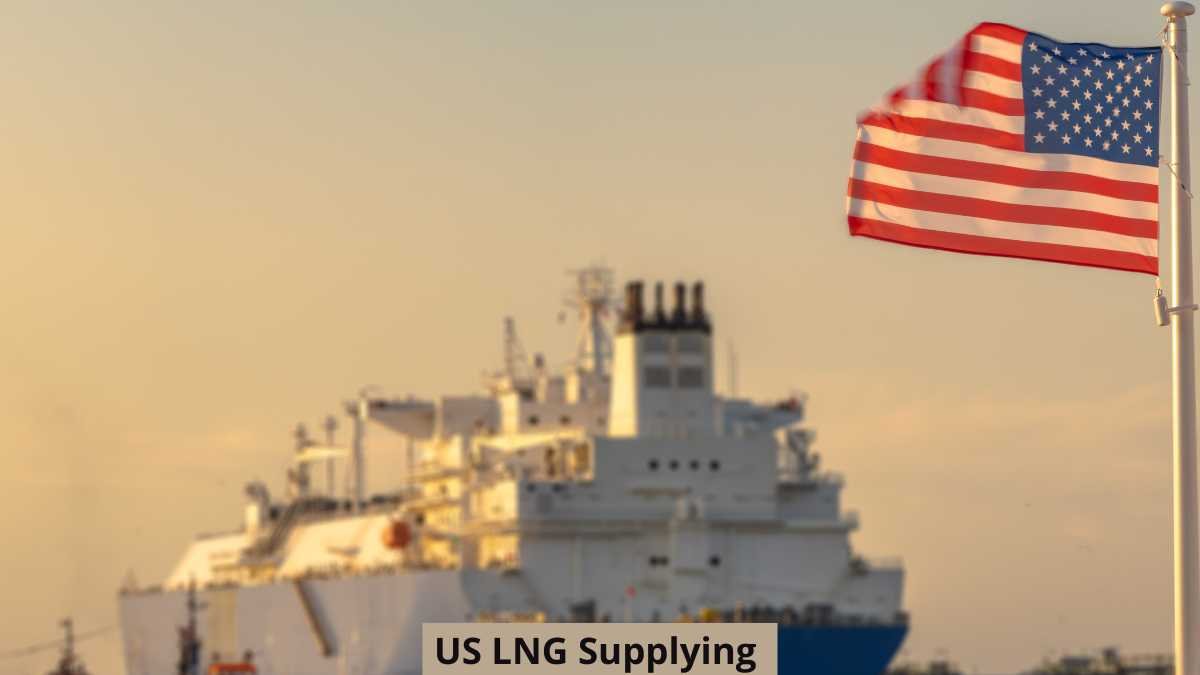
One tension in all of this is that Europe’s growing LNG dependency has moved from Russia to the US. Right now the US is supplying 55% of EU LNG imports in the first half of 2025.
That means Europe has traded dependence on Moscow for dependence on Washington, and with a US administration that has already used energy as a trade negotiating tool, that’s not exactly a risk-free position.
The Chatham House flagged that an EU-Japan-South Korea coordination mechanism for joint LNG procurement could prevent Europe from outbidding its own allies and would save everyone money.
That’s a sensible idea that the EU hasn’t fully implemented yet, in May 2026.
One assessment:
Europe will not end its fossil fuel import dependency in 2026.
But what these two shocks in five years have done is politically normalize the conversation about renewables and nuclear in a way that years of climate negotiations couldn’t.
Inflation caused by gas wars tends to be more powerful than any policy paper.
Conclusion
Two energy shocks in five years, both triggered by geopolitical conflicts over which Europe had no direct control, but they have cause serious energy crisis in Europe in 2026.
It cause problems in Brussels and other European capitals, I won’t call it bad luck, but it’s what happens when you run an economy on energy that gets imported through contested routes and from politically unstable relationships.
In 2025, the EU spent nearly €400 billion on fossil fuel imports. To put that in perspective, the total REPowerEU plan was €300 billion over multiple years. And annual fossil fuel bill is already larger than the entire green energy transition budget.
The Hormuz crisis also added a new layer, because Europe doesn’t just have a Russian gas problem. It has a structural fossil fuel dependency problem too that no single pipeline fix or LNG deal can permanently solve.
Now the best thing is to building enough domestic clean energy that global price shocks stop hitting European households every few years.
FAQs
Did Europe ever think about reducing Russian gas dependency before 2022?
Yes, and the EU even published frameworks for it in 2010 and 2014, but Germany kept going in the opposite direction.
After Russia annexed Crimea in 2014, Germany’s Russian gas dependency increased.
The economic logic of cheap pipeline gas kept winning over the geopolitical warning signs.
Nord Stream 2 was completed in September 2021 but never went into service.
Why can’t Europe just buy more US LNG to replace the Qatari gap right now?
It can, and it is trying too, but global LNG supply is limited, and Asian buyers are competing for the same cargoes, often willing to pay higher premiums because their storage situations are also critical.
Plus QatarEnergy’s Ras Laffan facilities were physically damaged in March 2026 drone strikes.
Even if the Strait reopens fully, analysts estimate rebuilding those facilities could take months to years.
If Europe had invested more in renewables earlier, would this crisis be less severe?
Probably yes, but not completely, countries like Spain and Greece, with higher renewable shares, have seen smaller electricity price impacts from both crises.
But Europe still needs gas for heating, industrial processes, and backup power when wind and solar aren’t generating.
Renewables help at the margins but don’t eliminate gas dependency, at least not yet.
Is there any chance Europe turns Russian gas back on, given the double pressure?
Politically, it looks almost impossible right now, and that’s one of the more interesting dynamics of this crisis.
As the war in Ukraine is still going on, Russia has turned gas into a weapon twice in three years.
This Russian move did more to unite European politics against Russian energy than any argument over sanctions ever did.

Abraham is the founder and sole writer of Geopolitics Decoded. Based in New Delhi, India, he has been researching and analyzing international affairs since 2019, with a focus on great-power competition, European security, energy geopolitics, and global diplomacy. He is currently pursuing independent coursework in global diplomacy through SOAS University of London. His fact-based, deeply contextual analysis has earned millions of interactions across social media platforms, including Threads and Instagram. Every article on this site is independently researched, written, and verified by Abraham personally. Read Abraham’s full author bio