
Iran has lived through two completely different systems of government in the last 100 years.
The Pahlavi dynasty — founded in 1925 by Reza Shah — ruled for 54 years.
The Islamic Republic — born from the 1979 revolution — has now been in power for over 47 years.
Both have defenders and critics. Both have records to examine.
The question this article tries to answer is simple: which era was actually better for the Iranian?
We compare 17 specific areas — education, economy, rural development, healthcare, women’s rights, repression, foreign policy, the Iran-Iraq war, sanctions, infrastructure, science, brain drain, nationalism, cultural identity, corruption, demographics, and sovereignty.
Every major claim has a source link. The conclusion is my honest opinion based on the evidence.
1. Historical Background: How Both Regimes Came to Power
The Shah Dynasty (1925-1979)
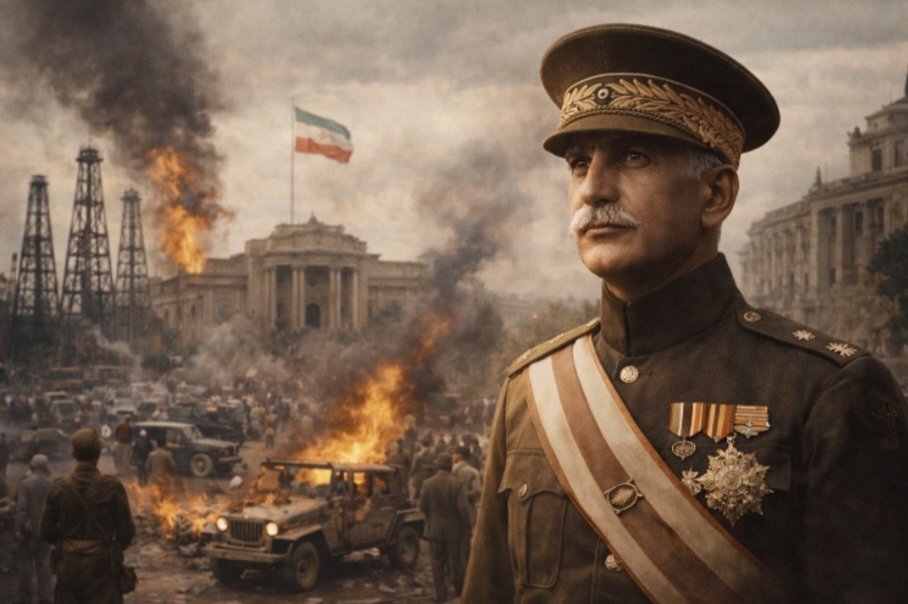
In 1925, a military officer named Reza Khan — with no royal bloodline — seized control of the country and declared himself Reza Shah Pahlavi, founding the Pahlavi dynasty.
- He modeled his rule on Ataturk’s Turkey: top-down modernization, forced Westernization, forcefully suppressed religious influence, and a strong centralized state.
- His son, Mohammad Reza Shah, took power in 1941 after the British and Soviets forced Reza Shah to abdicate due to his sympathies with Nazi Germany. The younger Shah ruled until the 1979 revolution.
The defining moment that shaped how Iranians view the Shah’s legitimacy came in 1953.
Iran had democratically elected Prime Minister Mohammad Mosaddegh, who nationalized the Anglo-Iranian Oil Company — which had been extracting Iranian oil since 1908 while paying Iran as little as 16% of profits.
Britain organized an international oil embargo, and when that wasn’t enough, the CIA (Operation Ajax) and MI6 (Operation Boot) orchestrated a coup on August 19, 1953. Mosaddegh was arrested.
The Shah was reinstated. As a condition of restoring the oil consortium, the Shah signed over 40% of Iran’s oil fields to American companies.
| The CIA formally acknowledged its role in the 1953 coup in 2013. Britannica states it is ‘generally agreed today that the 1953 coup sowed the seeds for the Islamic Revolution of 1979.’ |
- Source: Britannica — 1953 Coup in Iran
- Source: Zinn Education Project — Aug. 19, 1953
- Source: Wikipedia — 1953 Iranian Coup d’etat
The Islamic Revolution (1979)
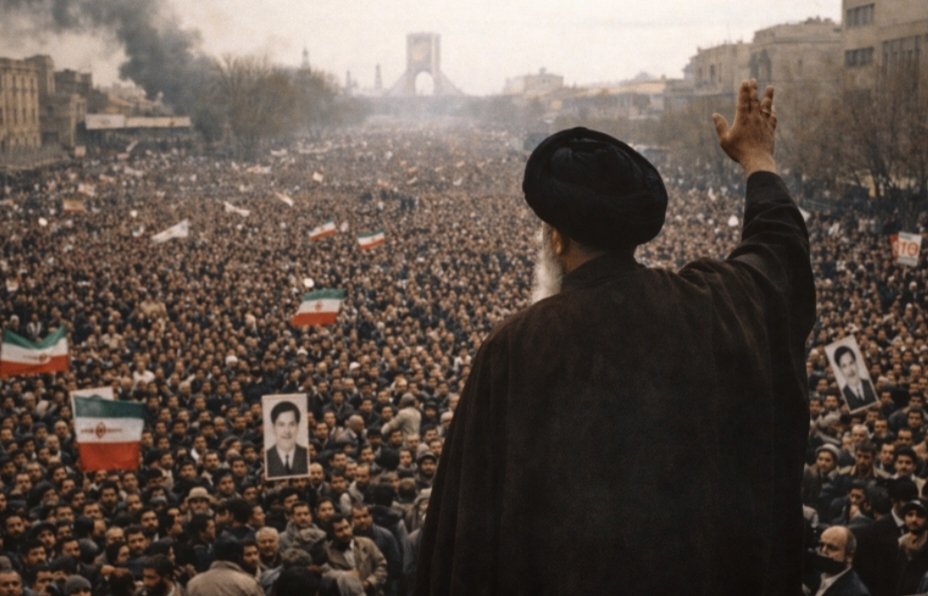
By the late 1970s, mass resentment had built against the Shah for decades.
People were fed up with SAVAK (the secret police),
- Economic inequality that had left rural Iran far behind
- The government’s close alignment with American interests
- Forced Westernization that alienated religious Iranians,
- 1953 coup that had stolen their democratic choice.
Ayatollah Ruhollah Khomeini, exiled by the Shah, led the movement from Paris and then returned to Iran in February 1979.
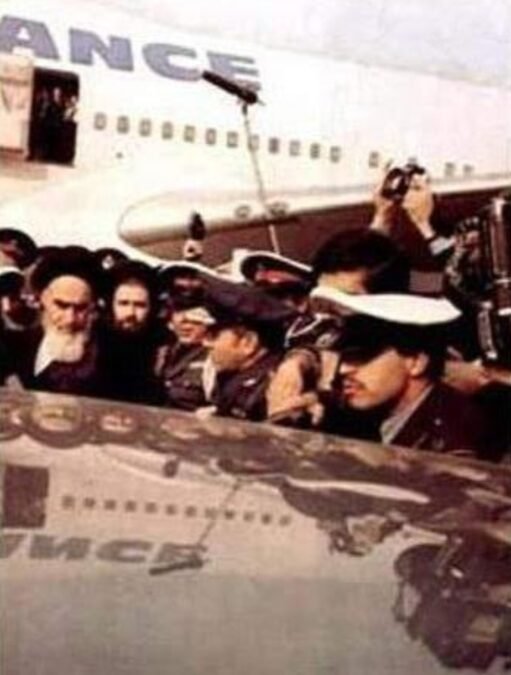
On February 11, 1979, the Shah’s government collapsed.
The Islamic Republic was established — a theocratic system unique in the modern world, where a Supreme Leader holds ultimate power above elected institutions.
The revolution was a genuine popular uprising that united liberals, Marxists, nationalists, and Islamists under one goal: Removing The Shah.
Source: Britannica — Iranian Revolution
2. Economy: Growth, Inequality, and Who Really Benefited
Under the Shah
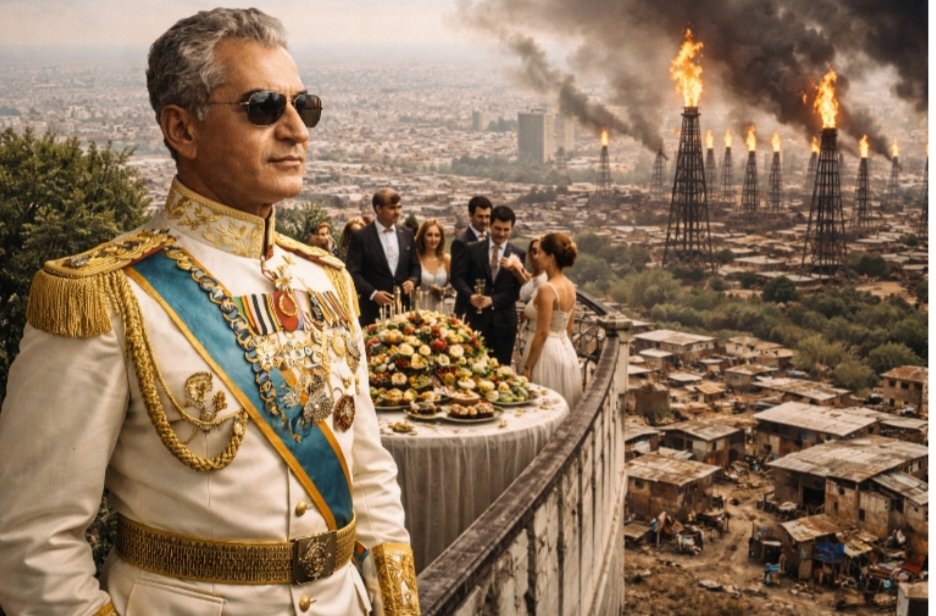
During the 1960s, Iran’s GDP grew at over 10% annually — one of the fastest in the world at the time, according to Brookings.
- The oil boom of the 1970s flooded the country with revenue.
- In the five years before the revolution (1974-1979), Iran’s oil revenues exceeded $1 trillion in today’s dollars — about $5,000 per person per year.
But this wealth did not reach the majority.
Iran’s economic history on Wikipedia states directly:
“Economic and social polarization minimized competition among businesses and limited development to the part of the economy concerned with the interests of dominant groups closely tied to the Shah’s court and the state”
Most Iranians were excluded from political and economic decision making.’
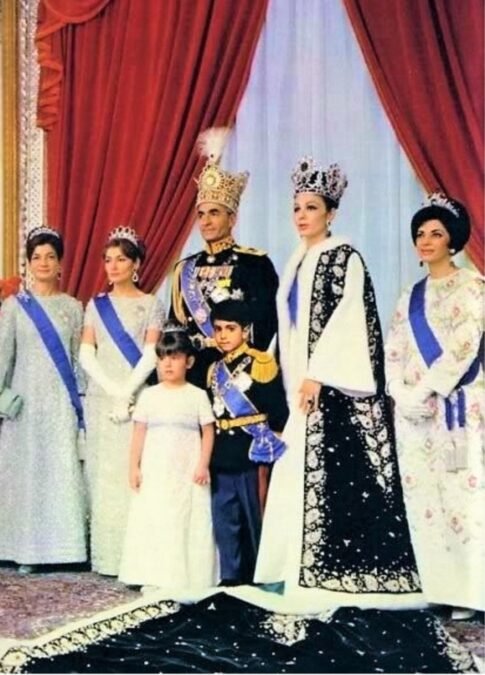
- The Shah’s Court Itself became the biggest investor in new industries.
- The Shah personally became the country’s richest man by confiscating real estate.
- Late-stage corruption and mismanagement drove inflation upward in the late 1970s, eroding ordinary people’s living standards just as the oil boom peaked.
By 1978, the combination of inequality, inflation, corruption, and political repression had created the conditions for revolution.
Source: Brookings — Iran’s Economy 40 Years After the Revolution
Source: Wikipedia — Economic History of Iran
Under the Islamic Republic
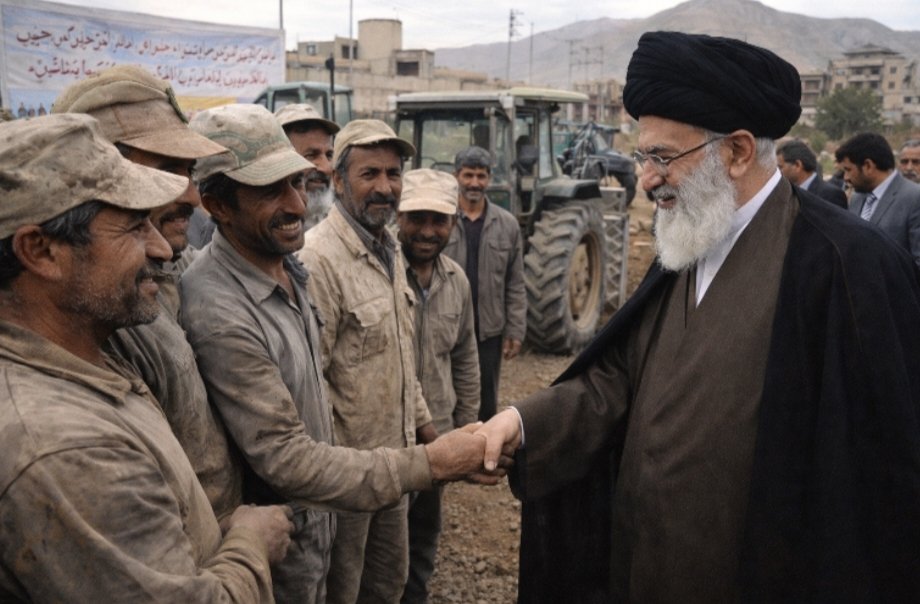
The revolution promised economic justice for the poor — the ‘mostazafin’ (the downtrodden).
- Large industries and banks were nationalized.
- Income inequality fell sharply in the first years as the wealthy Pahlavi-connected elite fled or had assets seized.
- The middle class grew from around 15% of the population in 1979 to over 32% by 2000
- Provided free education
- Expanded public employment.
- The Islamic Republic also created a new elite.
- Religious foundations (bonyads) and the IRGC built massive economic empires with political protection and no market accountability.
- Corruption reduced but did not completely disappear.
Brookings accurately describes the main shift as: ‘from urban-biased and elite-centered to rural-biased and populist.’
Critical caveat:
- Islamic: Any economic comparison between the two eras must account for the fact that the Islamic Republic has operated under some of the heaviest economic sanctions in modern history.
- Shah: The Shah had full access to Western investment, World Bank loans, and American backing. The Islamic Republic built everything under economic warfare from the world’s most powerful countries.
- Source: Brookings — Four Decades Later: Did the Revolution Fulfill Its Promises?
- Source: Iran Primer — Iran’s Revolution at 43: The Economy
3. Urban vs. Rural Development: The Most Unequal Comparison
Under the Shah
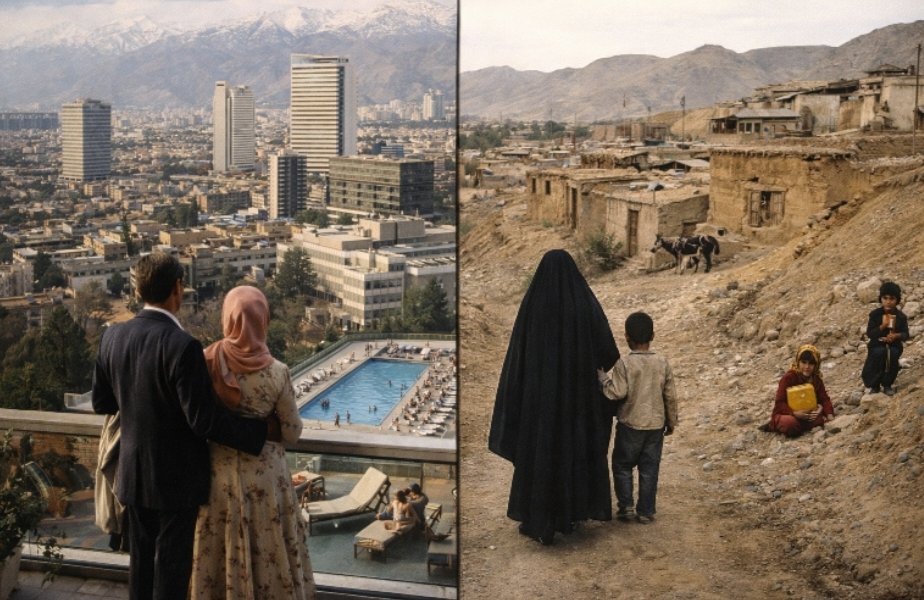
Tehran under the Shah was modernizing rapidly. But if you drove a few hours outside Tehran, you entered a different Iran.
- In 1973-1975, access to piped water in urban households rose from 65% to 79.7%.
- But in rural areas it increased from a mere 7.6% (Harvard Belfer Center). That number tells you everything.
The White Revolution’s land reform of 1963 actually made things worse for many farmers.
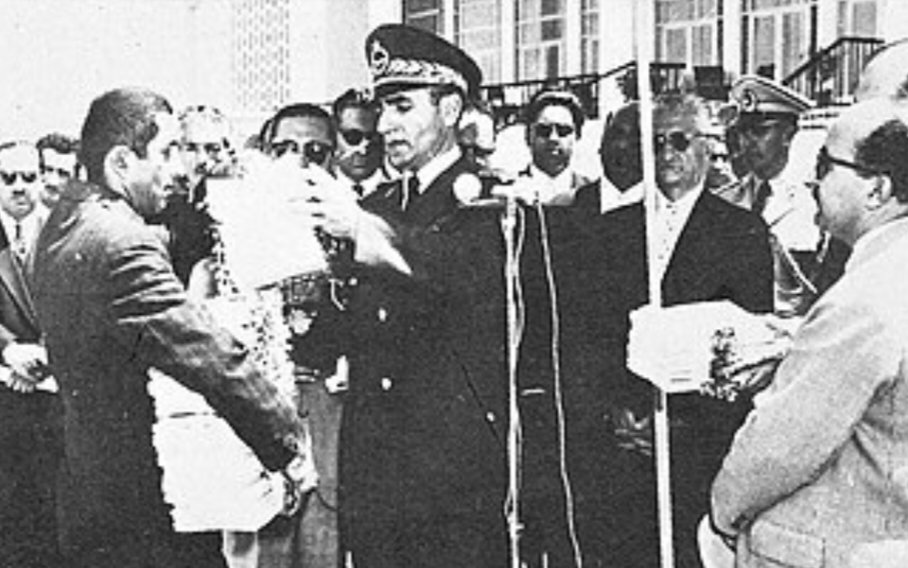
- It broke up large landholdings without providing new smallholders with capital, irrigation infrastructure, or agricultural support.
- Many farmers who had been stable tenants ended up with tiny plots they couldn’t make profitable.
- Many farmers gave up and migrated to cities.
At the time of the 1979 revolution, only 4,790 miles of rural roads existed in the entire country — the overwhelming majority unpaved.
Only 4,300 villages out of roughly 67,000 — about 6% — had any electricity.
Those were mostly villages already close to major cities.
- Source: MERIP — Thirty Years of the Islamic Revolution in Rural Iran
- Source: Harvard Belfer Center — The Islamic Revolution at 40
Under the Islamic Republic: Rural Iran Gets a Government
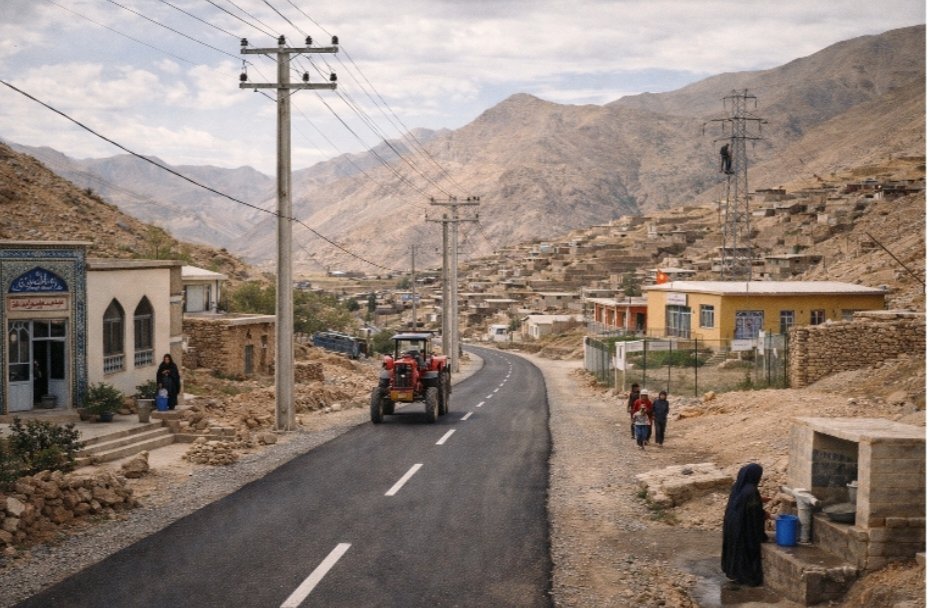
After 1979, the government established the Jihad for Construction (Jehad-e Sazandegi) — an organization specifically created to bring infrastructure to villages.
Even during the devastating 8-year war with Iraq, it kept working.
- In the 20 years ending in March 1999 alone, it built over 36,660 miles of rural roads — compared to 4,790 miles in 1979.
- By 2008, less than 10% of villages were still hard to access.
Basic Needs Islamic Government provided:
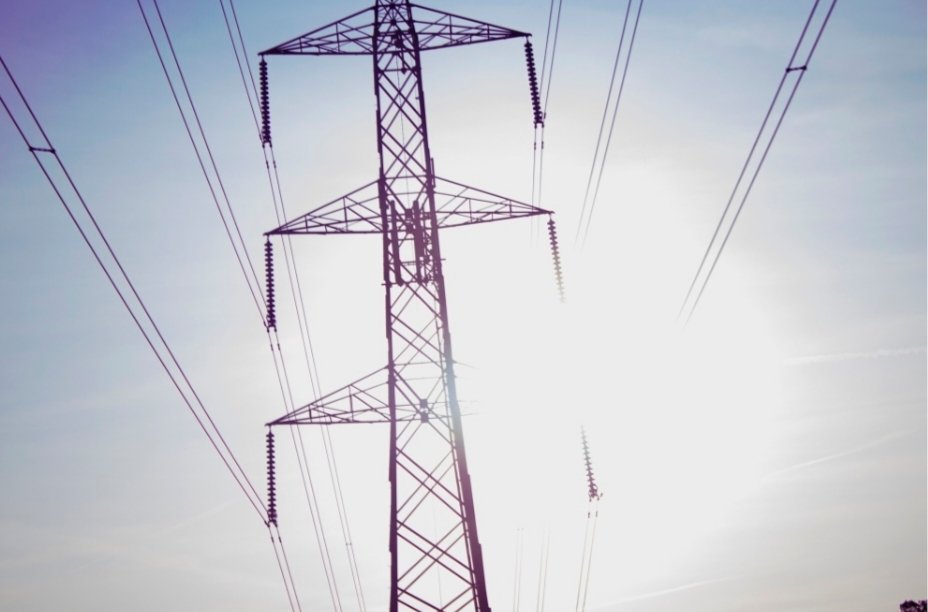
- From 6% of villages having electricity in 1979, Iran reached near-universal rural electrification by the 2000s.
- Clean water networks
- Health houses
- Schools
- Roads reached parts of Iran that had been invisible to the government for decades.
- Rural poverty, estimated at around 25% in the 1970s, dropped to under 10% by 2014 according to Brookings.
This is the single most concrete, undeniable area where the Islamic Republic outperformed the Shah — not in rhetoric, but in measurable infrastructure that reached the majority of Iranians.
Source: MERIP — Rural Iran (same source above)
4. Education: The Most Dramatic Transformation in Iran’s History
Under the Shah: Low Literacy, Urban Bias
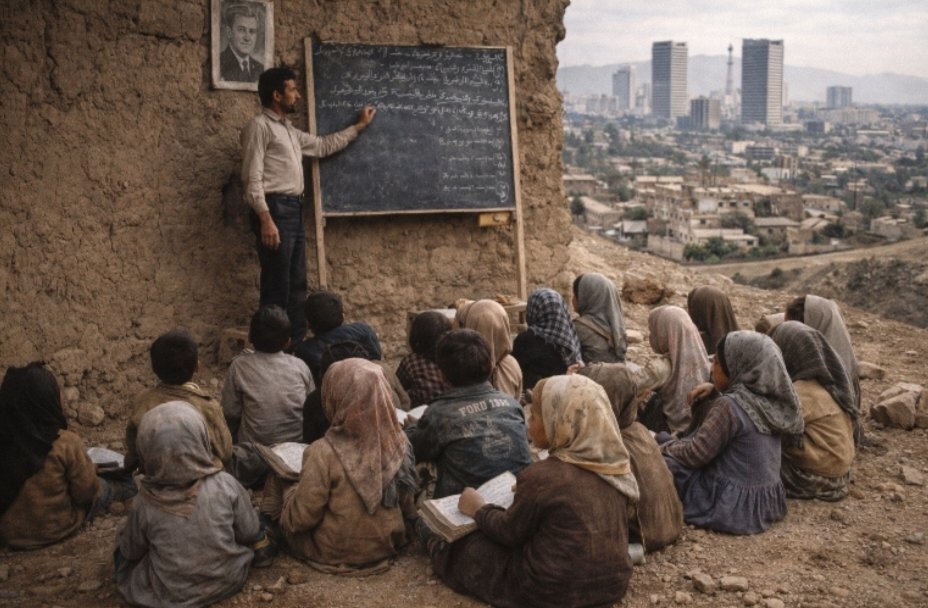
According to World Bank data, Iran’s adult literacy rate in 1976 was approximately 37%.
British scholar Fred Halliday, writing in Iran: Dictatorship and Development, noted the official illiteracy rate in 1972 was 62% — and estimated the actual figure was higher.
For women in rural areas, illiteracy was near-total. Women’s literacy stood at 24% nationally in 1976.
The Shah did expand universities and create the Literacy Corps as part of the White Revolution.
But Middle East Institute research shows these programs were poorly planned, lacked trained personnel, and failed to create lasting change in rural areas.
University access remained concentrated in major cities, and most educated professionals either came from wealthy urban families or were imported from abroad.
- Source: WANA News — Iran’s Literacy: From the Educational Revolution to Ongoing Challenges
- Source: Middle East Institute — Educational Attainment in Iran
- Source: World Bank / FRED — Iran Literacy Rate Data
Under the Islamic Republic: The Fastest Literacy Growth in the World
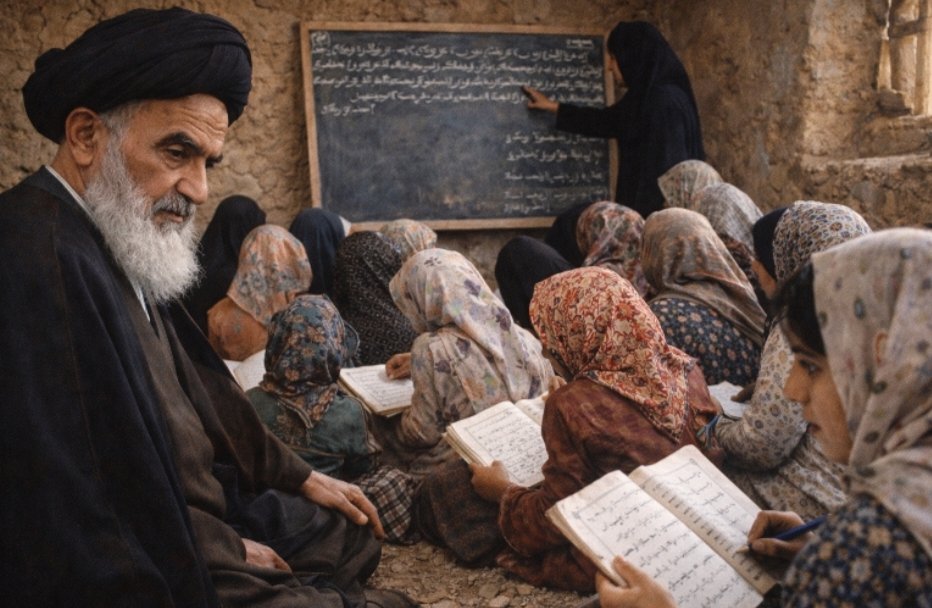
Immediately after the revolution, the Literacy Movement Organization (LMO) was established in 1979 under Khomeini’s directive.
- Over 50,000 instructors and 6,000 administrators were deployed across more than 300 villages in 28 provinces.
- About 80% of literacy activities were directed at girls and women — particularly in rural areas.
The results are documented internationally.
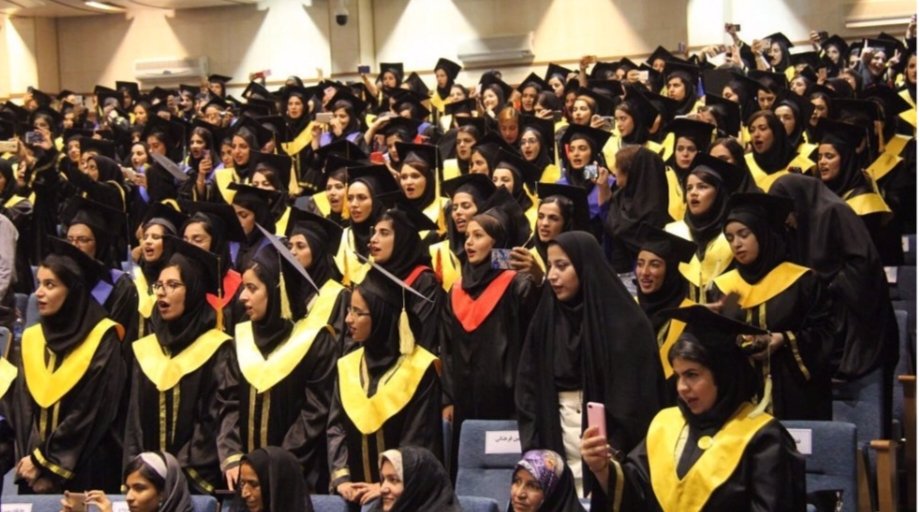
- Iran’s literacy rose from 37% in 1976 to 86% by 2016 — a 50-percentage-point increase while the global average grew by only 20 points in the same period.
- By 2023, the literacy rate among Iranians aged 10-49 exceeded 97%.
- The World Bank notes Iran’s youth literacy (ages 15-24) is about 7% above the world average.
- The LMO won the UNESCO Noma Literacy Prize in 2000 and the Malcolm Adiseshaiah Award in 1999.
The gender story is equally dramatic.
- Women’s literacy rose from 24% in 1976 to 81% by 2016 — narrowing the gender gap from 23% to just 9%.
- By 2007, women were 60% of university students. Under the Shah, they were under 30%.
- Iranian women have outpaced men academically to the point where Parliament debated affirmative action for men in university admissions.
- Source: Khamenei.ir — Literacy in Iran: Before and After the Revolution
- Source: WANA News (same source)
- Source: Middle East Institute (same source)
5. Women’s Rights: Both Regimes Controlled Women’s Choices — Just Differently
Under the Shah: Forced Unveiling and the Imprisonment of Religious Women
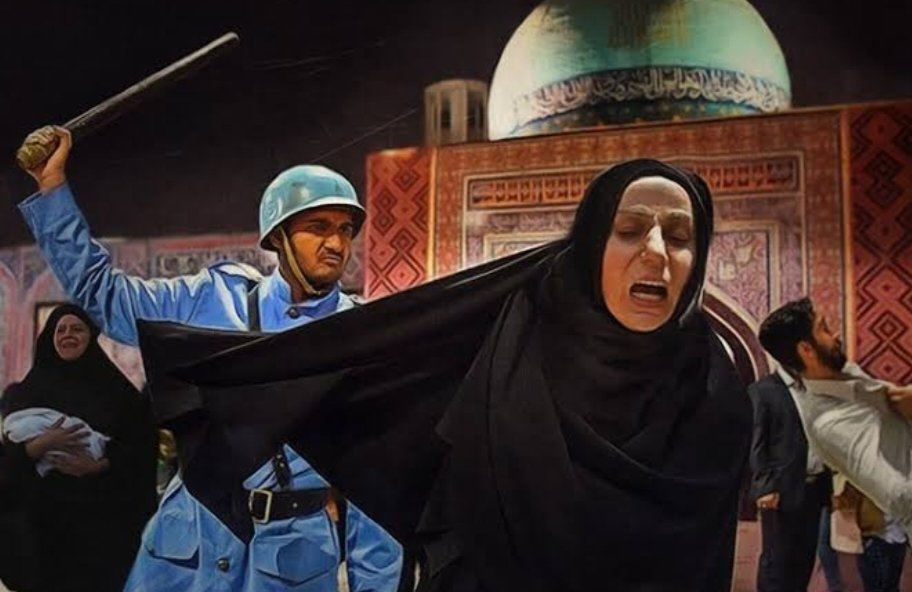
On January 8, 1936, Reza Shah issued a decree known as ‘Kashf-e Hijab‘ — banning all Islamic veils, including the hijab and chador.
- It was enforced by police who physically tore veils from women in public.
- Women who refused were beaten.
- Homes were searched.
- Some refused to leave their homes for years.
According to multiple historical sources, a small number of women committed suicide rather than appear unveiled.
Wikipedia’s article on Kashf-e Hijab records:
‘Until Reza Shah’s abdication in 1941, many conservative women simply chose not to leave their houses in order to avoid confrontations.’
This means for five years, a large portion of Iran’s religious female population was essentially imprisoned at home — by their own government, in the name of ‘freedom.’
- Under Mohammad Reza Shah, the formal ban was lifted in 1941.
But the social stigma remained — veiled women were treated as backward and lower-class by institutions and employers.
Women did gain voting rights in 1963, entered professions, and benefited from legal reforms.
These are real gains.
But they came alongside forced secularization that excluded an enormous portion of the female population from public life.
- Source: Wikipedia — Kashf-e Hijab
- Source: IranIntl — Eighty Five Years On, The Shah’s Ban on Hijab Still Divides
- Source: Tehran Times — Iranian Women in Pahlavi Regime
Under the Islamic Republic: Mandatory Hijab and Its Own Coercion
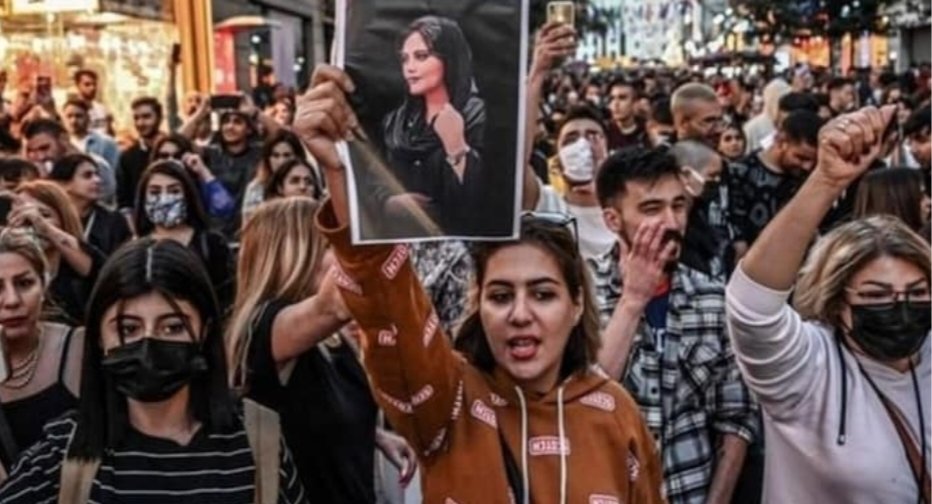
The Islamic Republic went in the opposite direction. From April 1983, wearing hijab became compulsory for all women — religious or not.
This is a direct violation of personal choice.
Thousands of women have been arrested, fined, and harassed.
The 2022 Masha Amini protests showed that a large portion of Iranian society rejects state-imposed dress codes.
At the same time, the Islamic Republic dramatically expanded women’s access to education, healthcare, and public roles.
Women became doctors, engineers, parliamentarians, scientists, and professors in numbers the Shah era never achieved. 60% of university students are women.
Iran has one of the highest rates of female medical professionals in the region.
Honest comparison: both regimes used state power to control what women wore. Reza Shah banned the veil by force.
The Islamic Republic mandated it by force.
In both cases, women paid the price for political decisions they didn’t make, but now islamic regime is more soft.
- Source: University of Essex — Hijab Law in Iran Over the Decades
- Source: Harvard Political Review — Veiling and State Power in Iran
6. Healthcare: Who Actually Built It for Everyone?
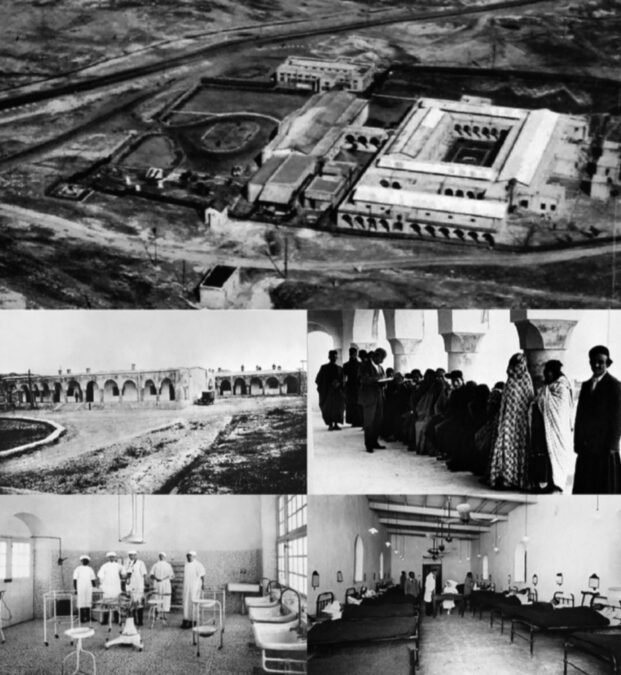
Under the Shah
Modern hospitals did exist and expanded under the Shah, particularly in Tehran and major cities.
- But rural healthcare was almost nonexistent.
- Doctors concentrated in urban areas.
- Life expectancy at birth in 1979 was roughly 55 years.
- Infant mortality was still over 90 per 1,000 live births in the late 1970s.
Source: World Bank — Life Expectancy at Birth, Iran
Under the Islamic Republic: The Rural Health House Revolution
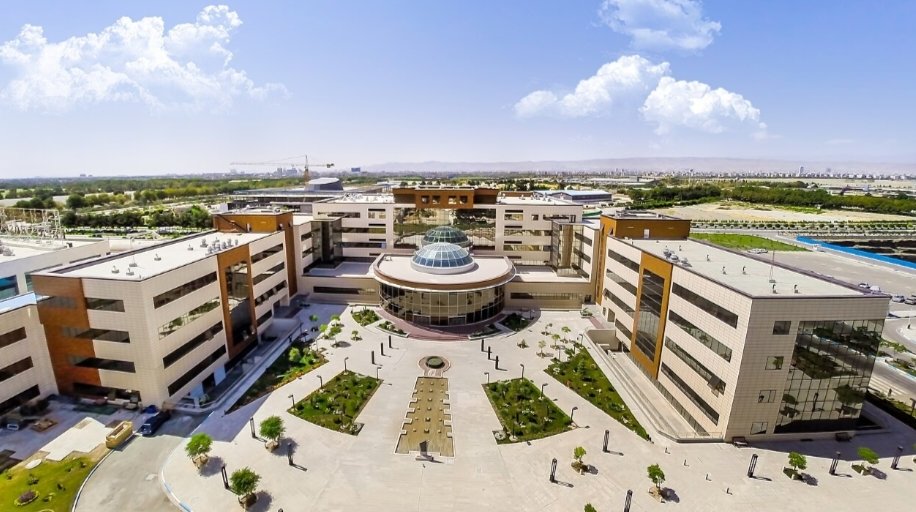
One of the most internationally praised achievements of the Islamic Republic is its Primary Healthcare Network.
The government established thousands of ‘rural health houses’ staffed by trained health workers called ‘behvarzes’ — many of them women from local villages.
These provided preventive care, maternal health, immunization, and disease surveillance to communities that had never had formal healthcare before.
- Infant mortality fell from over 90 per 1,000 live births in the late 1970s to 26 per 1,000 by 2004, according to a WHO Bulletin study.
- By 2021, it had fallen further to around 13 per 1,000 — a reduction of over 85% from the pre-revolution baseline.
- Life expectancy rose from about 55 years in 1979 to over 76 years by 2021 — a 21-year increase in 40 years.
Iran’s rural health house model has been studied and praised by the World Health Organization as a model for developing countries.
Specifically because it used local educated women as frontline health workers to reach populations that formal medicine had never reached.
Source: WHO Bulletin — Mortality in Iran 1964-2004
Source: WHO — Iran Health Data Overview
Source: World Bank — Infant Mortality Rate, Iran
7. Political Repression and Human Rights: Both Regimes Have Blood on Their Hands
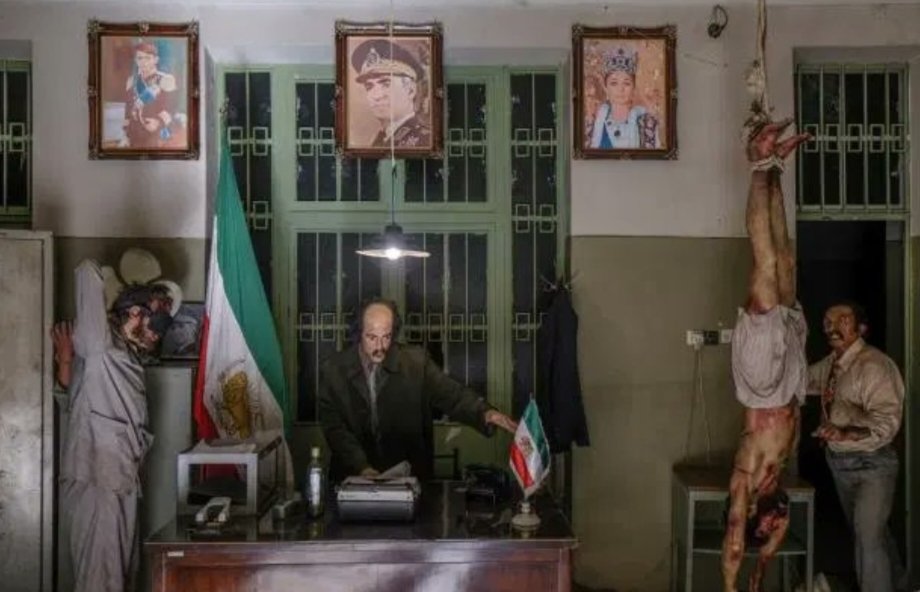
Under the Shah: SAVAK and the Architecture of Fear
SAVAK was established in 1957 with direct assistance from the CIA and Israel’s Mossad.
- It monitored all journalists
- Professors
- Labor unions
- Student Organizations.
- Iranian students studying in the United States were surveilled by 13 full-time SAVAK case officers.
- In 1975, the Shah declared a one-party state — the Resurgence Party — and made membership compulsory for the entire adult population.
Torture methods documented by Amnesty International in their 1976 report included:
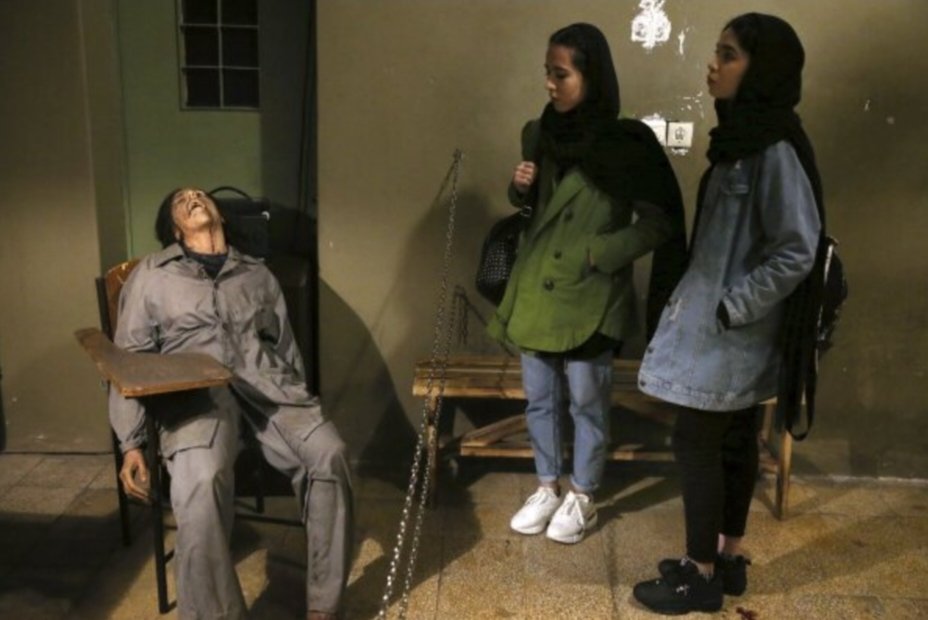
- Sleep deprivation
- Nail extractions
- Electric shocks (including into the rectum)
- Cigarette burns
- Sitting on hot grills
- Near-drownings
- Mock executions
- Snakes used specifically against women.
When asked about torture in a 1976 interview, the Shah replied:
‘Why should we not employ the same methods as you Europeans? We have learned sophisticated methods of torture from you.’
Amnesty International’s Annual Report for 1974-1975 stated that the total number of political prisoners was reported to be ‘anything from 25,000 to 100,000.’
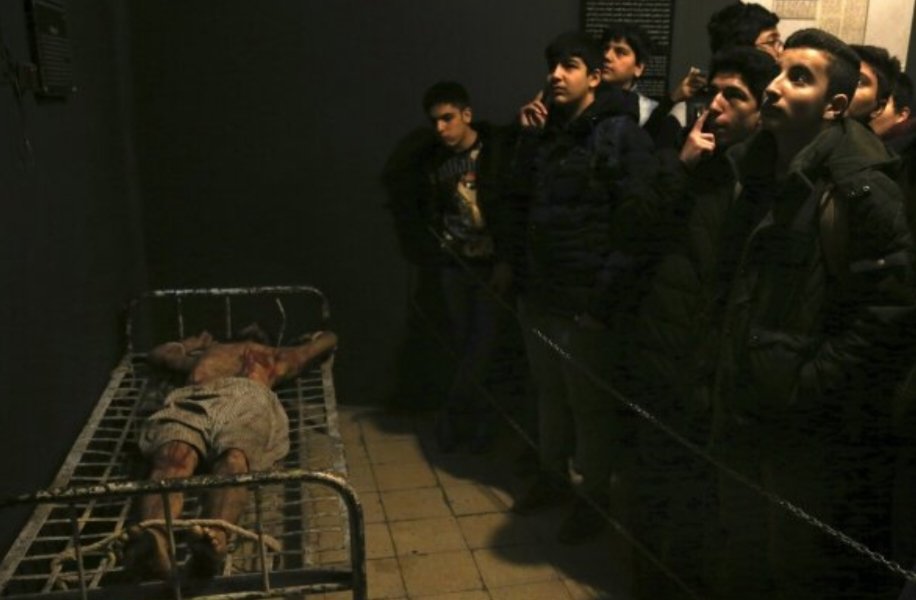
Martin Ennals, Secretary General of Amnesty International, called the Shah’s Iran the country with ‘the highest rate of death penalties in the world, no valid system of civilian courts and a history of torture which is beyond belief.’
- Source: Amnesty International 1976 Report on Iran (PDF)
- Source: Wikipedia — Human Rights in the Imperial State of Iran
- Source: Encyclopedia.com — Human Rights Abuses in Shahist Iran
Under the Islamic Republic
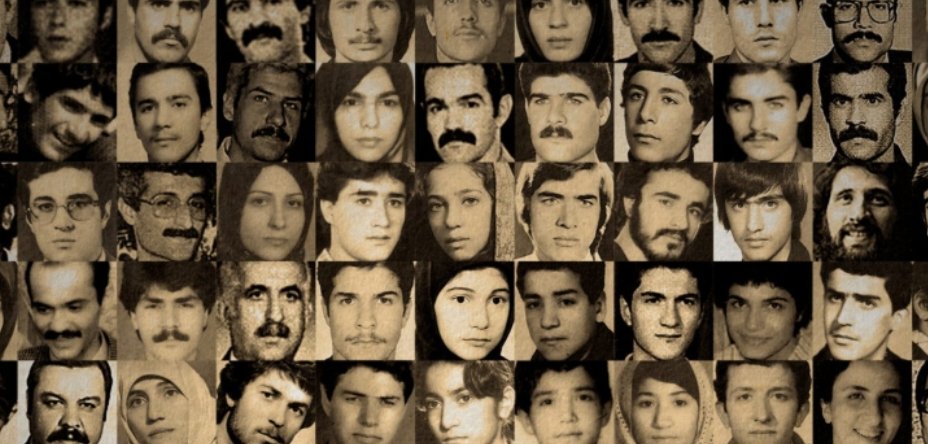
The Islamic Republic did not abolish repression — it expanded it in many ways.
The 1988 prison massacre — in which an estimated 3,000 to 5,000 political prisoners were executed in a matter of months — is one of the worst mass atrocities in modern Iranian history.
A UN Human Rights Commission report in 1983 estimated that between 5,000 and 20,000 people had been executed since 1979.
The Islamic Republic has been repeatedly censured by the United Nations for torture, execution of dissidents, persecution of religious minorities, restrictions on press and internet, and violent suppression of protest movements including the 2009 Green Movement, the 2019 Aban protests (where hundreds were killed), and the 2022 Mahsa Amini protests.
THE HONEST CONCLUSION: by the numbers and by independent human rights documentation, both regimes have serious records of political killing and torture, Shah had much higher.
But anyone who only talks about one is not being honest.
- Source: UN OHCHR — Atrocity Crimes and Grave Violations in Iran (2024)
- Source: Wikipedia — Human Rights in Iran
8. Foreign Policy and National Sovereignty: Who Actually Put Iran First?
Under the Shah: A Western Client State
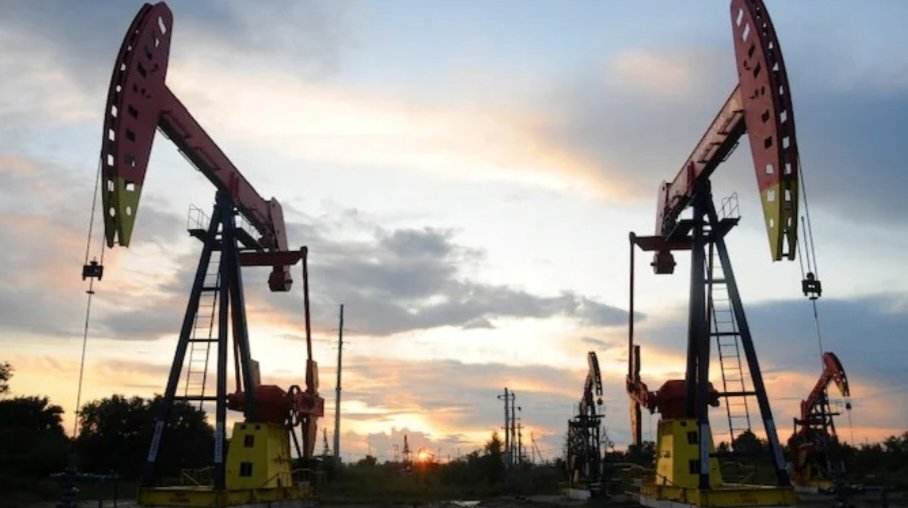
The Shah’s foreign policy was inseparable from American interests during the Cold War.
After the 1953 CIA coup reinstated him, he became Washington’s most important ally in the Middle East.
- He signed over 40% of Iran’s oil fields to American companies.
- He bought billions in US arms — making Iran one of the largest purchasers of US weapons globally.
- The CIA trained SAVAK. American advisors staffed key Iranian ministries.
The 1953 coup is the clearest evidence of what the Shah’s ‘sovereignty’ actually meant.
Iran had a democratically elected Prime Minister who tried to nationalize his own country’s oil for his own people.
The US and UK destroyed that democracy because it threatened their economic interests.
The Shah who replaced Mosaddegh was a tool of foreign policy, not a servant of Iranian sovereignty.
- Source: Zinn Education Project — 1953 Coup
- Source: ADST — The Coup Against Iran’s Mohammad Mossadegh
Under the Islamic Republic: Independent to a Fault
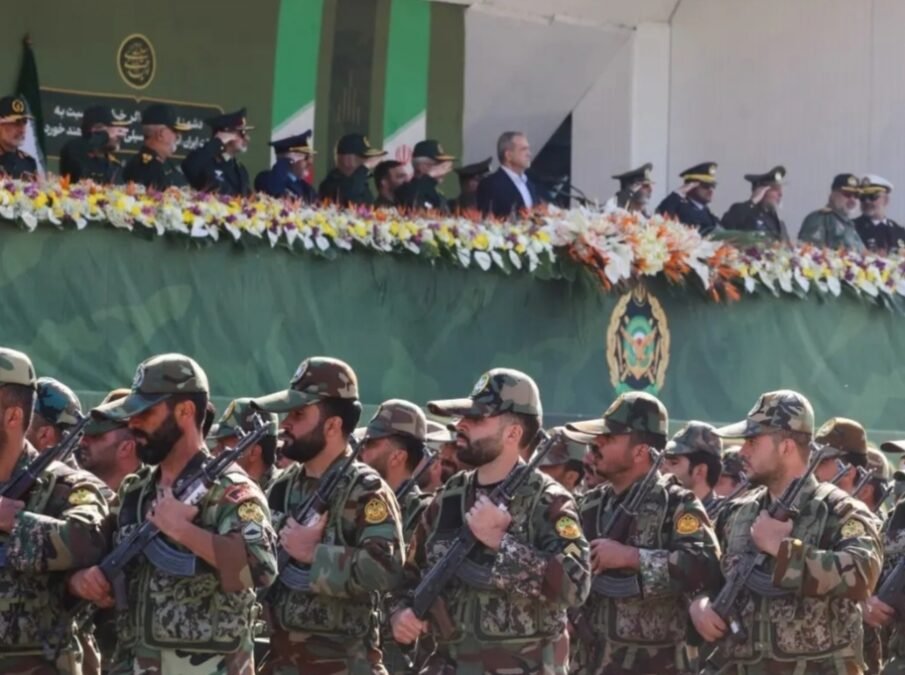
From day one, the Islamic Republic’s foreign policy has been structured around one principle:
- No foreign domination.
- No American military bases.
- No unfair alignment with Washington.
- No signing over natural resources to foreign companies.
- Iran controls its own oil.
- Iran develops its own military technology.
- Iran makes its own alliances.
Critics correctly point out that this independence has come at enormous cost.
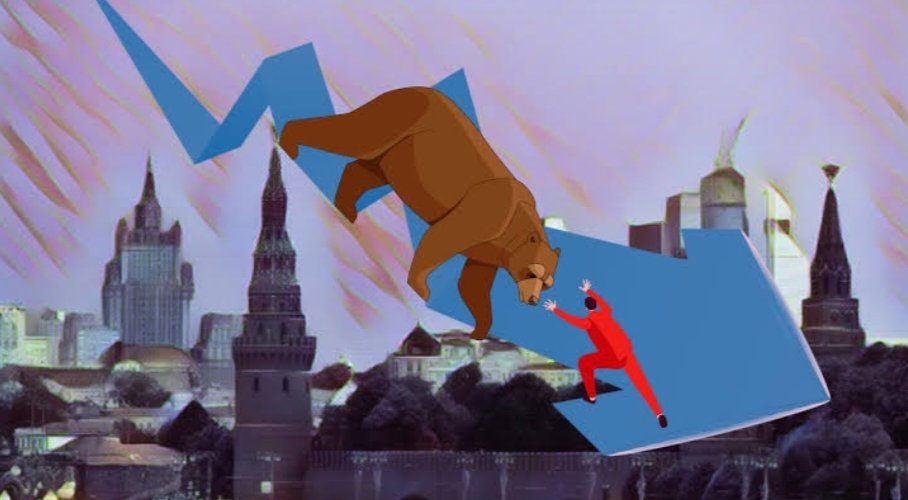
- Sanctions have devastated the economy.
- Regional entanglements have been costly.
- Anti-Americanism as ideology has sometimes replaced rational policy.
- Ordinary Iranians have paid the price for geopolitical confrontations they didn’t choose.
But on the raw question of sovereignty — of who the government is answerable to — the contrast is clear.
The Shah’s government was answerable to Washington. The Islamic Republic, whatever its failures, is not.
9. The Iran-Iraq War (1980-1988): Who Armed Saddam?
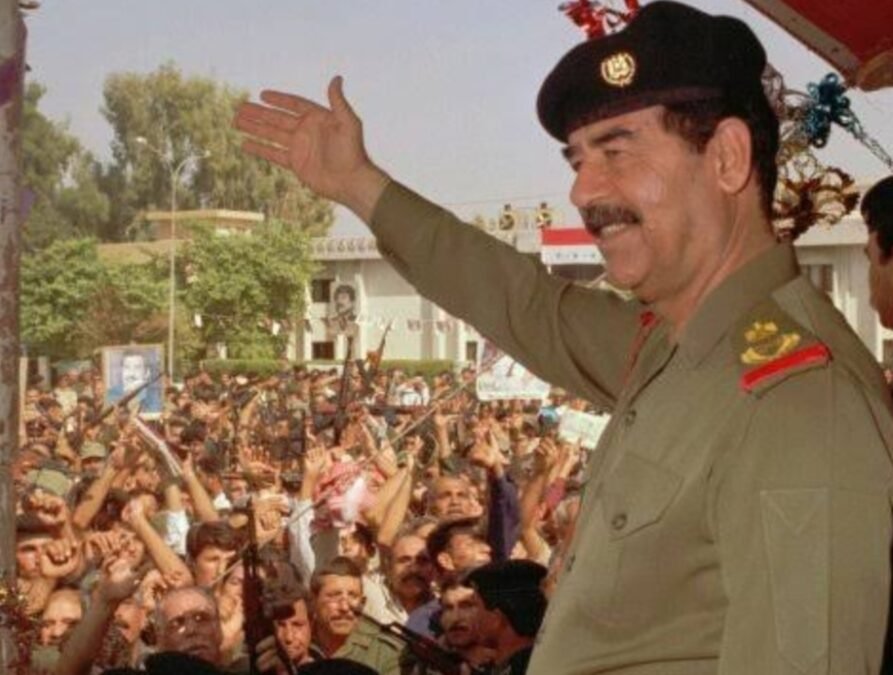
On September 22, 1980 — just 19 months after the revolution — Saddam Hussein launched a full-scale invasion of Iran.
The war lasted 8 years, killed an estimated 500,000 to one million people of Iran, and caused economic devastation from which Iran took decades to recover.
This war is inseparable from any honest evaluation of the Islamic Republic’s performance.
And the international context of this war must be stated plainly: the United States, the Soviet Union, Western Europe, and the Gulf Arab states all backed Saddam.
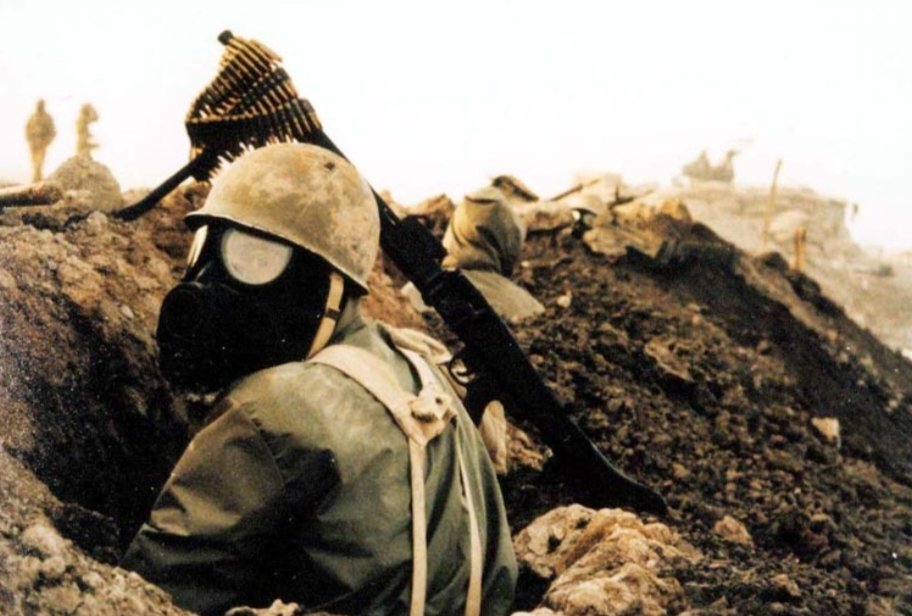
Here is what the evidence shows:
What the US and its allies did during the Iran-Iraq War:
- The CIA and Reagan administration encouraged Iraq’s offensive against Iran from 1980 to 1988
- The US shared satellite imagery with Iraq, fully aware Saddam would respond with chemical weapons (sarin, mustard gas)
- Declassified CIA documents confirm US officials knew about Iraqi nerve agent attacks and continued providing target data anyway
- $200 million worth of arms were delivered to Iraq by the US between 1983 and 1990
- The US lobbied at the UN for a ‘no decision’ stance when Iran filed a resolution condemning Iraq’s chemical attacks
- Britain built a 14-million-pound chemical plant for Iraq knowing it would likely produce mustard gas
- Gulf states provided billions in financing to Saddam
- Iraq used over 19,500 chemical bombs and 54,000 chemical artillery shells against Iranian forces (Iraq’s own records, cited by Wikipedia)
- At least 20,000 Iranian soldiers were killed on the spot by nerve agents; 80,000 survivors required long-term medical treatment
This is not a conspiracy theory.
Foreign Policy magazine published declassified CIA files confirming this in 2013.
The Washington Post reported it.
The Global Policy Forum documented it with US government documents.
When people compare the Shah’s booming economy to the Islamic Republic’s struggling one,
They must account for this: the Islamic Republic spent its first decade fighting a war that the entire Western world helped Saddam win — including with chemical weapons used against Iranian civilians.
- Source: Foreign Policy — CIA Files Prove America Helped Saddam as He Gassed Iran
- Source: Wikipedia — Iraqi Chemical Attacks Against Iran
- Source: Global Policy Forum — US and British Support for Hussein Regime
10. Sanctions: The Economic War Nobody Wants to Acknowledge
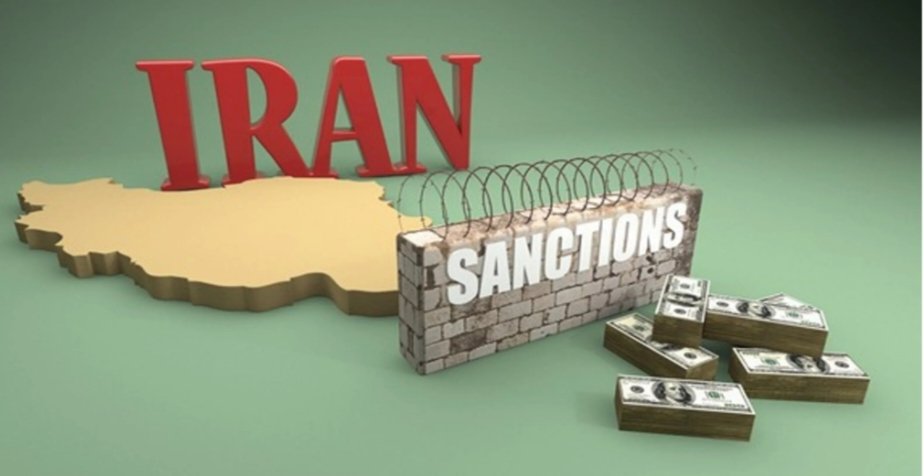
Since 1979, Iran has lived under continuous and escalating American sanctions.
At their peak — especially after Trump’s ‘maximum pressure’ campaign in 2018 — Iran was subjected to one of the most comprehensive economic siege operations in modern history.
- The currency lost 70% of its value in a single year. Inflation reached 40% annually.
- Access to medicine was restricted.
- International banking was cut off.
The Shah’s Iran, by contrast, had full access to:
- Western capital markets
- World Bank financing
- IMF support
- US technology transfer
- American diplomatic backing.
- In the five pre-revolutionary years alone, oil revenues exceeded $1 trillion in today’s value.
- Comparing these two economies without acknowledging this difference is intellectually dishonest.
Iranian economist Hossein Raghfar of Allameh Tabataba’i University estimates that sanctions account for about 15% of Iran’s economic problems — the rest being domestic mismanagement.
Both sides contribute to Iran’s economic struggles.
But the sanctions are real, deliberate, and designed to cause suffering to ordinary Iranians as leverage against their government.
- Source: Harvard Belfer Center — The Islamic Revolution at 40
- Source: Brookings — Iran’s Economy 40 Years After the Revolution
11. Infrastructure and Science: Building Under Siege
Infrastructure
We covered rural roads and electricity above.
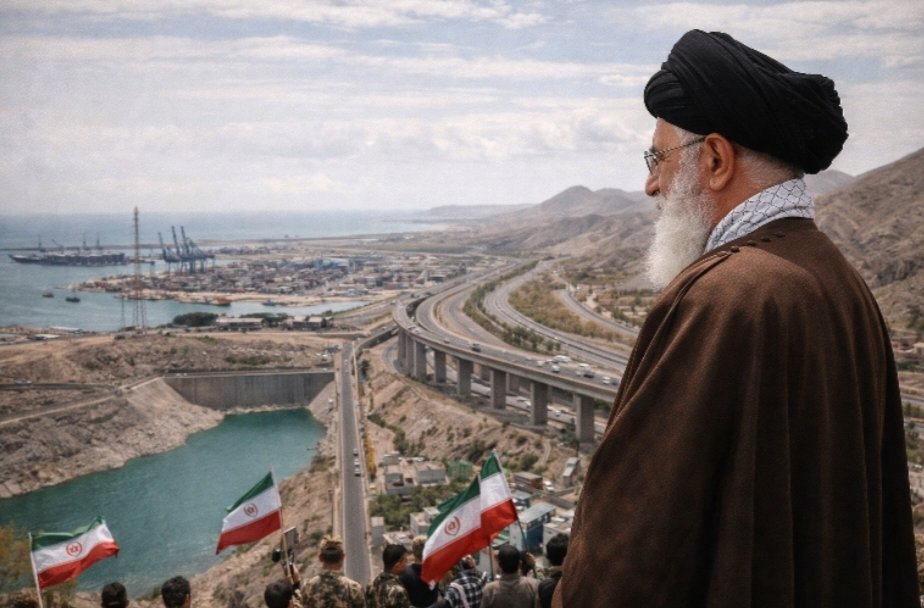
The broader story of infrastructure under the Islamic Republic is one of building under hostile conditions.
- Iran expanded highways, dams, rail connections, port facilities, and telecommunications — all without Western technology transfers or World Bank loans, and while financing a major war.
The Shah’s infrastructure was more impressive in urban centers and in its connection to global systems.
But it was built with foreign expertise and foreign money.
Much of it stagnated when that support was withdrawn.
Science and Self-Sufficiency
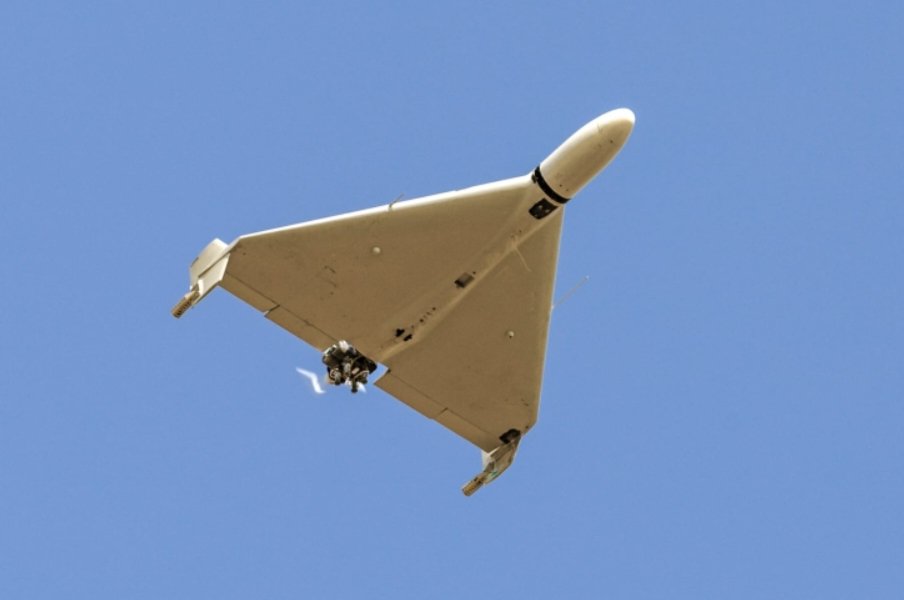
One of the genuinely remarkable stories of the Islamic Republic is scientific development under sanctions.
Denied access to Western technology:
- Iran built domestic capabilities in aerospace
- Missile technology
- Drone manufacturing
- Nuclear enrichment
- Stem cell research
- Nanotechnology
- Medical equipment.
Iran’s scientific output has grown to place it among the top 15 countries globally in published research according to Nature Index data.
Under the Shah, Iran imported almost everything:
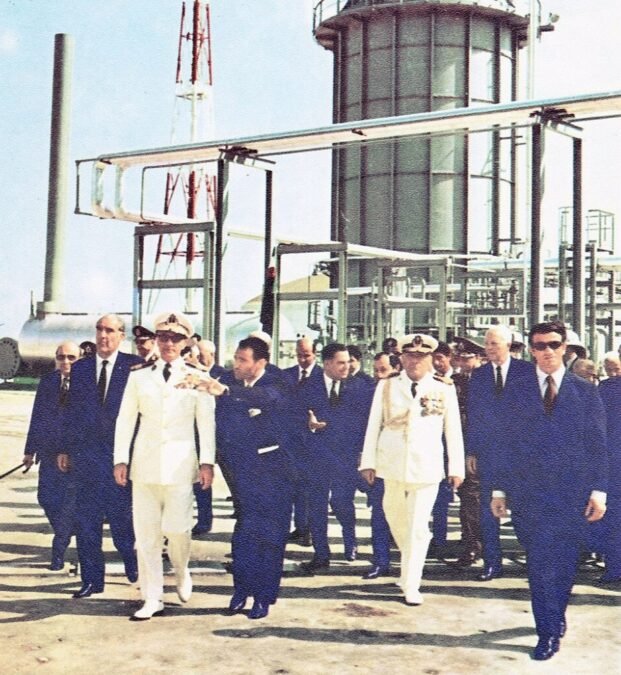
- Western engineers ran the oil industry.
- American advisors ran the military.
- The model was dependency.
- The Islamic Republic — pushed by sanctions — built domestic industries out of necessity.
- The capacity for self-sufficiency simply did not exist under the Shah.
12. Brain Drain: Two Different Kinds of Human Capital Loss
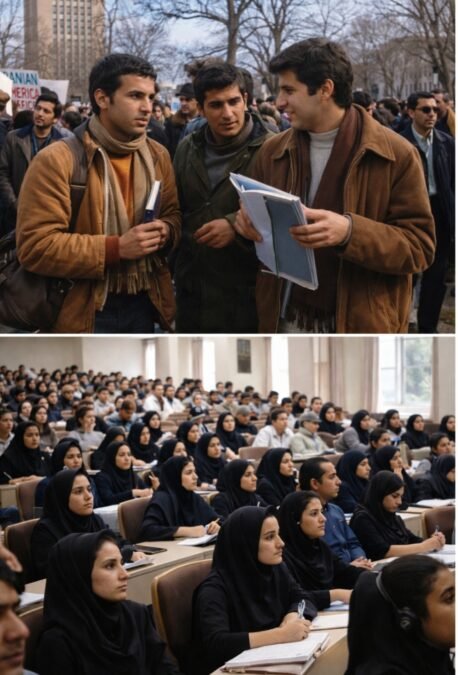
Under the Shah, Iran’s elite educated class was primarily trained abroad — in the US, UK, and France.
They returned with Western education and filled government and industry roles.
But this created structural dependency. When the revolution came, most of them left.
Under the Islamic Republic, a significant wave of educated Iranians emigrated, particularly to the US, Canada, and Europe.
This brain drain is real and ongoing.
Economic pressure, political restrictions, and lack of opportunity have pushed talented Iranians abroad for decades.
However, the Islamic Republic simultaneously produced the largest domestic-educated population in Iranian history.

- Iran went from 37% literacy to 97% youth literacy.
- Female university students went from under 30% to 60% of enrollment.
- The people being lost to brain drain today are products of an Islamic Republic education system — something the Shah never built at that scale.
13. Cultural Identity and Nationalism
Under the Shah
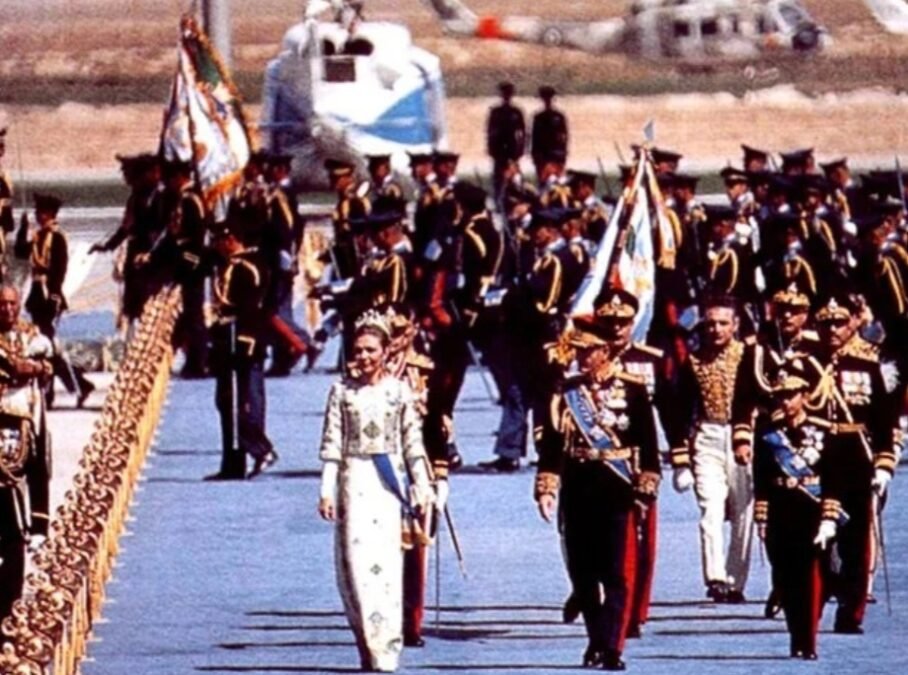
The Shah’s famous 2,500-Year Celebration of the Persian Empire in 1971 — held at Persepolis, with foreign dignitaries feasting while many Iranians struggled economically — became a symbol of the regime’s priorities.
The Shah promoted pre-Islamic Persian identity intensely, attempting to anchor legitimacy in ancient glory rather than contemporary governance.
Westernization was a core state policy.
The name ‘Iran‘ (meaning ‘Land of the Aryans’) had been adopted by Reza Shah in 1935, partly under the influence of Nazi-era racial ideology.
This cultural direction alienated the majority of Iranians who identified with their Islamic heritage as deeply as their Persian one.
Under the Islamic Republic
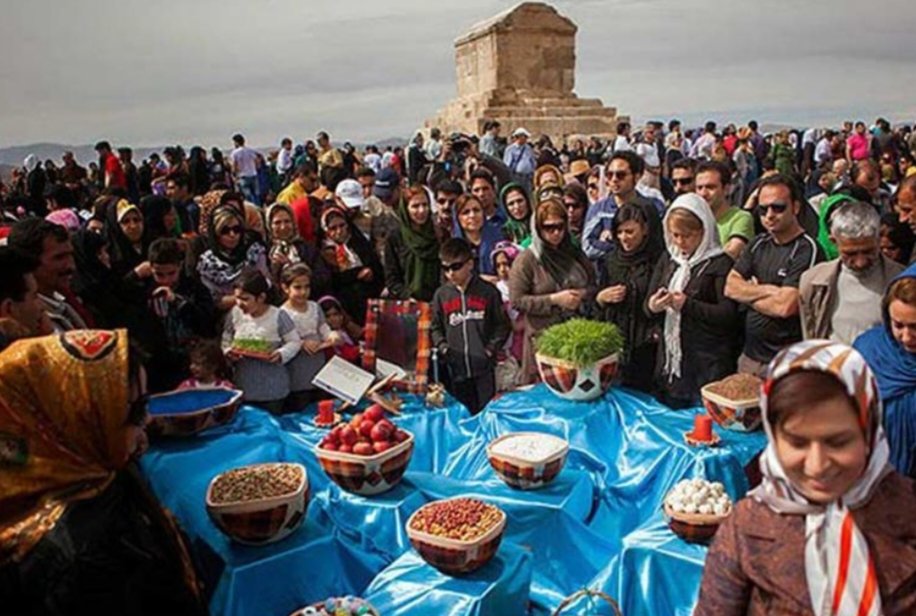
The Islamic Republic does not reject Iran’s ancient Persian history.
Official Iranian government media regularly celebrates:
- Nowruz (Persian New Year)
- Cyrus the Great, and Iran’s pre-Islamic heritage.
- The revolution’s cultural project was about asserting Islamic identity as primary — not erasing Persian history.
Cultural restrictions on music, art, cinema, and dress represent genuine constraints.
But the Islamic Republic’s cultural project was also a reaction to a Shah who told his people their religious identity was backward — that they needed to be more like Europeans to be civilized.
14. Corruption and Elite Power: Different Elites, Same Problem
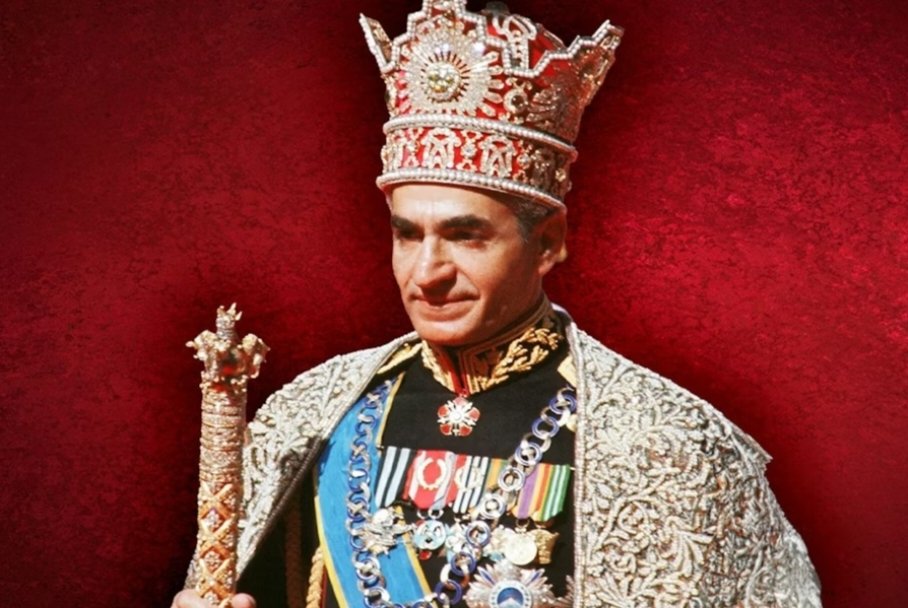
Under the Shah, corruption was structural and visible.
- The royal family accumulated enormous wealth.
- Court-connected businesses received preferential treatment.
- The Shah personally became Iran’s richest individual through confiscated real estate.
- The economy was designed to concentrate wealth at the top.
Under the Islamic Republic, corruption reduced but did not disappear completely.
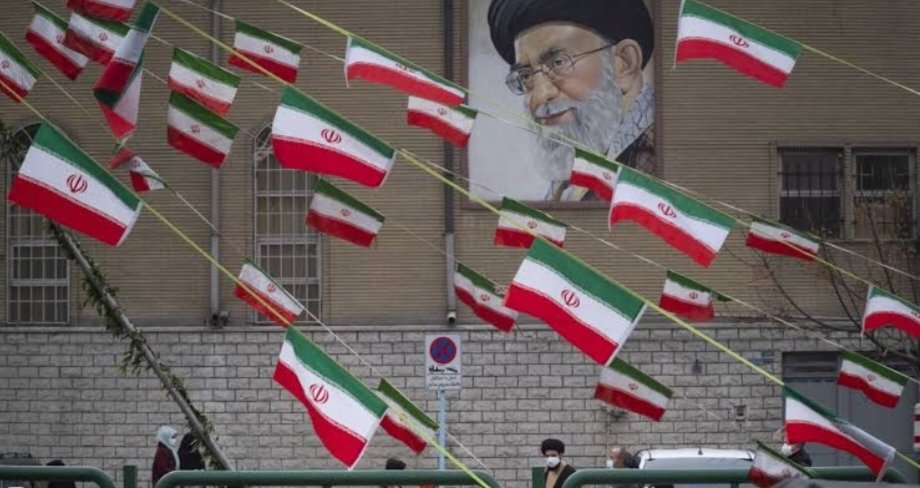
Religious foundations (bonyads), the IRGC, and government-connected entities built economic empires with zero market accountability and full political protection.
The ‘aghazadeh’ — children of regime officials — display obscene wealth on social media in a country with high unemployment.
Pseudo-privatization transferred state assets to political insiders rather than genuine market participants.
In both cases, the story is quite similar: a political elite used state power to enrich itself. The faces changed. The mechanisms changed. The outcome for ordinary Iranians was similar, but yes, less than Shah.
15. Demographics and Living Standards: The Numbers Side by Side
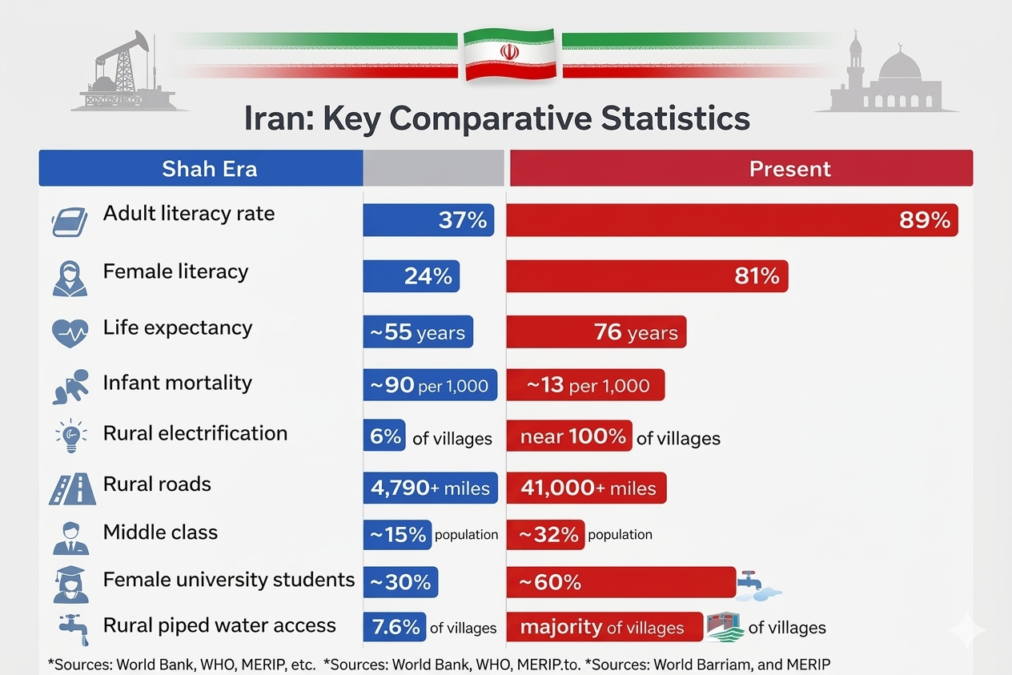
Key comparative statistics (Shah era vs. present):
- Adult literacy rate: 37% (1976) vs. 89% (2022) | Source: World Bank
- Female literacy: 24% (1976) vs. 81% (2016) | Source: World Bank / UNESCO
- Life expectancy: ~55 years (1979) vs. 76 years (2021) | Source: WHO
- Infant mortality: ~90 per 1,000 (1979) vs. ~13 per 1,000 (2021) | Source: UNICEF / World Bank
- Rural electrification: 6% of villages (1979) vs. near 100% (2000s) | Source: MERIP
- Rural roads: 4,790 miles (1979) vs. 41,000+ miles (1999) | Source: MERIP
- Middle class: ~15% of population (1979) vs. ~32% (2000) | Source: Brookings
- Female university students: ~30% (1979) vs. 60% (2007) | Source: Middle East Institute
- Rural piped water access: 7.6% (1973) vs. majority (1990s+) | Source: Harvard Belfer Center
- Source: World Bank Data — Iran
- Source: WHO — Iran Health Data
- Source: MERIP — Rural Iran
16. Sanctions as Deliberate Suffering: The Human Cost
The US ‘maximum pressure‘ campaign under Trump caused the Iranian currency to collapse by 70%, inflation to hit 40%, and created medicine shortages.
Multiple NGOs documented that sanctions affected ordinary Iranians’ ability to access cancer treatment, insulin, and medical equipment.
These are not policies targeting the government — they are policies targeting 90 million civilians.
The Shah never faced this. Any comparative analysis that holds the Islamic Republic to the same economic standard as the Shah — without factoring in the economic warfare waged against it — is not a fair analysis.
It is like judging two athletes and not mentioning that one ran the race with weights on their legs.
17. Political Freedom: Elections, Limits, and the Difference Between Systems
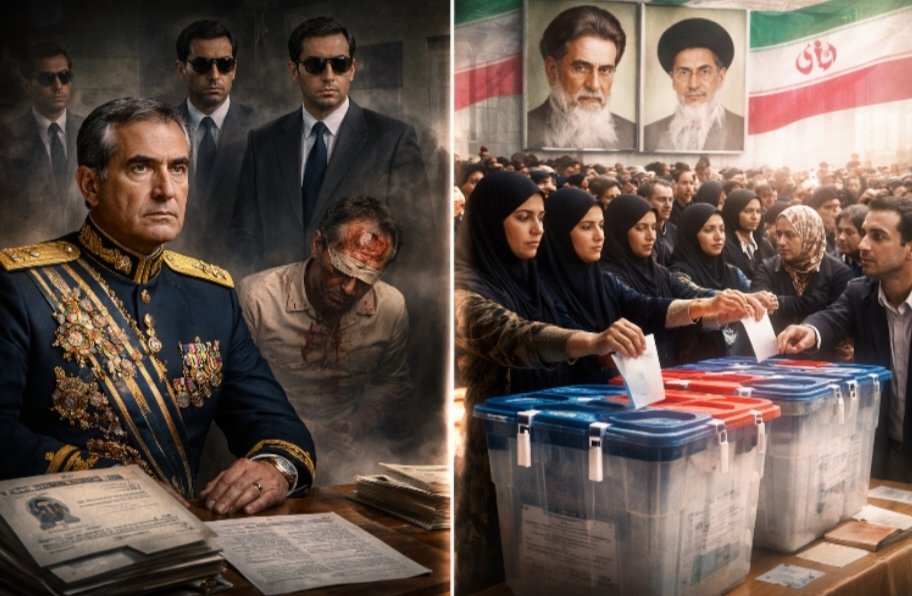
The Shah, especially in his final years, ran a one-party dictatorship.
In 1975, he dissolved all political parties and created the mandatory Resurgence Party.
- There were no real elections.
- No opposition.
- No free press.
- SAVAK monitored everything.
- Raising your voice against the government was a risk to your life.
The Islamic Republic has elections for President and Parliament — but within a tightly controlled system.
The Guardian Council vets all candidates, disqualifying thousands.
The Supreme Leader holds ultimate authority. Press freedom is heavily restricted.
- The Islamic Republic is not a 100% democracy.
- But it is also not identical to the Shah’s system.
There is genuine factional competition, contested elections, reformist governments (Khatami, Rouhani) that pushed back against hardliners, and public political debate within system limits.
The 2009 Green Movement and the Mahsa Amini protests show a society that argues and resists.
My Conclusion: Which Era Was Better for Common Iranians?
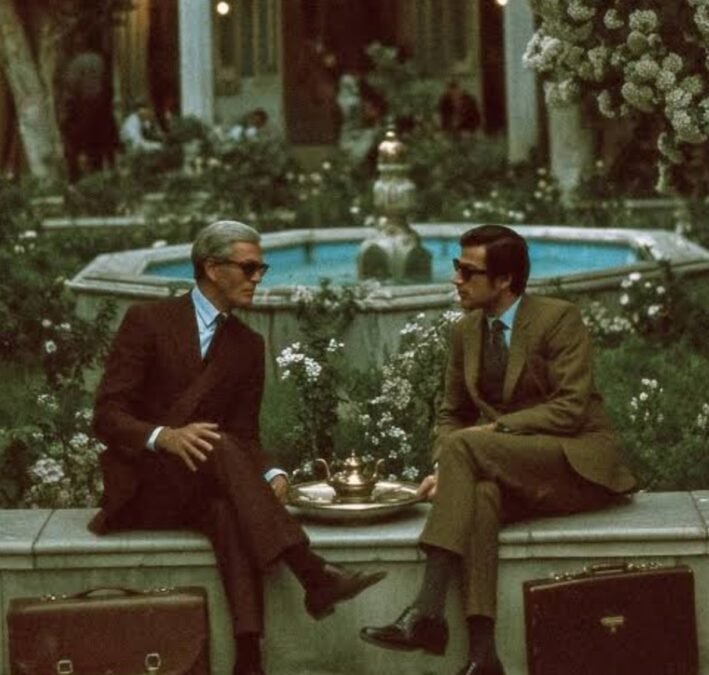
| This is my honest opinion based on the evidence above. You are free to disagree — but here is where the data leads me. |
If you are a wealthy urban professional, not religious, in Tehran, the Shah era was probably more comfortable.
The economy was connected to the West. Culture was more open by Western standards. Foreign travel was easy. The elite lived well.
But that is not most Iranians.
For the majority of Iranians:
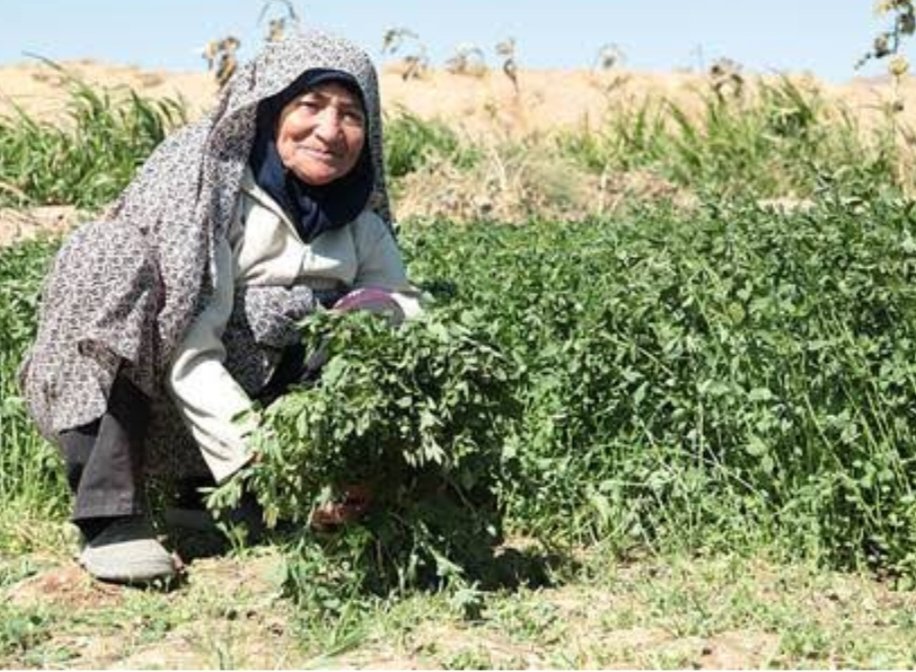
- The rural farmers
- The village women who never had a school or a clinic
- The families in provinces far from Tehran
- People who could not read in 1979 — the Islamic Republic, despite all its authoritarianism and corruption, delivered more than the Shah ever did.
It provided:
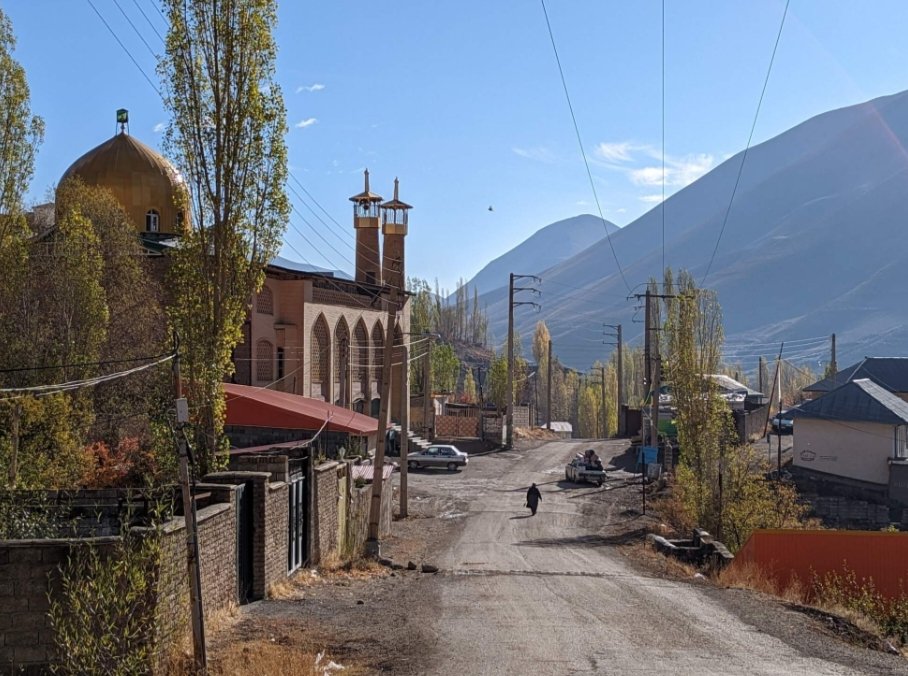
- Clean water reached their villages.
- Their children learned to read.
- Their daughters went to university.
- A doctor was accessible.
- A road connected them to the outside world.
- Infant mortality collapsed.
- Life expectancy rose by over 20 years.
These are not small things, these are the most basic measures of whether a government is serving its people.
At the same time, I will not pretend the Islamic Republic’s record is clean.
- The 1988 massacre was a crime.
- Treatment of political prisoners is a crime.
- The mandatory hijab is a violation of personal freedom (though government isn’t that strict now)
The corruption of the bonyads and the IRGC is a betrayal of the revolution’s promises.
The brain drain is a national tragedy.
But here is the question I keep coming back to:
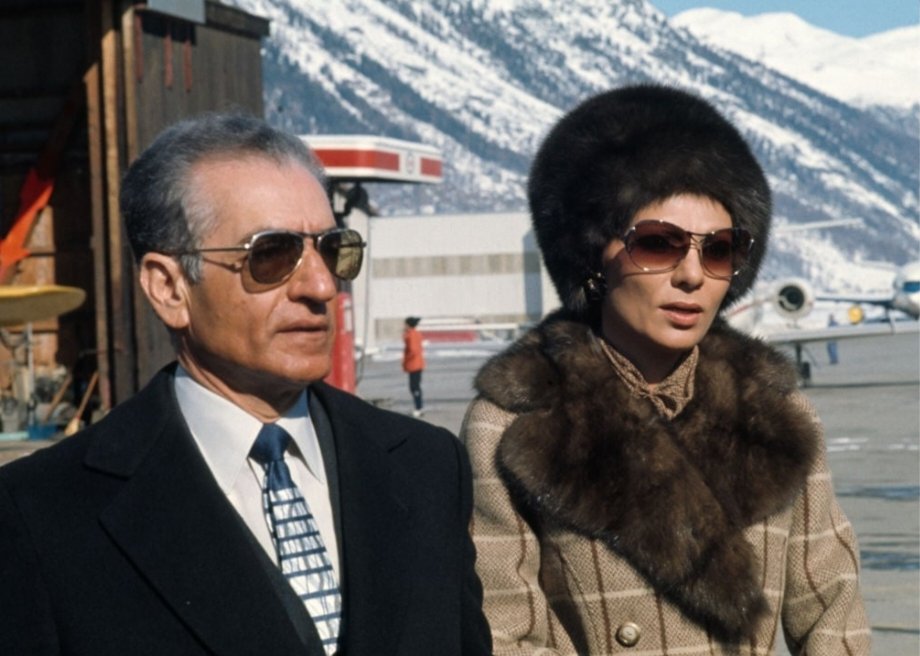
- The Shah had enormous oil wealth
- Full Western support
- No sanctions, and 54 years.
What did he build for the average Iranian?
- 37% literacy.
- 7% rural electrification.
- 90 infant deaths per 1,000 births.
- Dirt roads connecting most of his country.
- And a secret police force that tortured people with electric shocks and snakes.
The Islamic Republic built all of that missing infrastructure while fighting an 8-year war that the entire Western world helped its enemy win.
Saddam used chemical weapons against Iranian civilians and soldiers.
- While under crushing sanctions.
- While managing a population that doubled in size.
If you believe Western alignment equals good governance, you will prefer the Shah.
If you believe basic services for the majority of people equals the actual purpose of government, the Islamic Republic’s record — imperfect and repressive as it is — delivered more to more Iranians than the Shah did.
One final thought: the reason American and Western media consistently portray the Shah’s era as a golden age is not because most Iranians were better off.
It is because the Shah’s Iran was better for Western interests — for oil companies, arms manufacturers, Cold War strategists, and American dominance in the Middle East.
That is a legitimate American interest.
But it is not the same as Iranian interests.
And confusing the two is exactly the mistake this article was written to correct.
Key Sources Referenced
- World Bank / FRED — Iran Literacy Data: https://fred.stlouisfed.org/series/SEADTLITRZSIRN
- Khamenei.ir — Literacy Before and After the Revolution: https://english.khamenei.ir/news/7263
- WANA News — Iran’s Literacy: https://wanaen.com/irans-literacy-from-the-educational-revolution-to-ongoing-challenges/
- Middle East Institute — Educational Attainment: https://mei.edu/publication/educational-attainment-iran/
- MERIP — Thirty Years of Revolution in Rural Iran: https://www.merip.org/2009/03/thirty-years-of-the-islamic-revolution-in-rural-iran/
- Brookings — Iran’s Economy 40 Years After: https://www.brookings.edu/articles/irans-economy-40-years-after-the-islamic-revolution/
- Brookings — Four Decades Later: https://www.brookings.edu/articles/four-decades-later-did-the-iranian-revolution-fulfill-its-promises/
- Harvard Belfer Center — Islamic Revolution at 40: https://www.belfercenter.org/publication/islamic-revolution-40
- WHO — Iran Health Data: https://data.who.int/countries/364
- WHO Bulletin — Mortality in Iran 1964-2004: https://unstats.un.org/wiki/spaces/CRAVS/pages/106499397/
- Amnesty International 1976 Iran Report: https://www.amnesty.org/es/wp-content/uploads/2021/06/mde130011976en.pdf
- UN OHCHR — Atrocity Crimes in Iran 2024: https://www.ohchr.org/sites/default/files/documents/countries/iran/20240717-SR-Iran-Findings.pdf
- Wikipedia — Kashf-e Hijab: https://en.wikipedia.org/wiki/Kashf-e_hijab
- IranIntl — Shah’s Ban on Hijab: https://www.iranintl.com/en/202201070683
- Tehran Times — Women in Pahlavi Regime: https://www.tehrantimes.com/news/484810/
- Britannica — 1953 Coup: https://www.britannica.com/event/1953-coup-in-Iran
- Foreign Policy — CIA Files on Saddam and Iran: https://foreignpolicy.com/2013/08/26/exclusive-cia-files-prove-america-helped-saddam-as-he-gassed-iran/
- Wikipedia — Iraqi Chemical Attacks Against Iran: https://en.wikipedia.org/wiki/Iraqi_chemical_attacks_against_Iran
- Global Policy Forum — US Support for Hussein: https://archive.globalpolicy.org/iraq-conflict-the-historical-background-/us-and-british-support-for-huss-regime.html
- Iran Primer — Economy: https://iranprimer.usip.org/blog/2022/feb/09/irans-revolution-43-economy

Abraham is an independent geopolitical analyst, writer, and researcher focused on decoding global conflicts and power shifts beyond the headlines. His work emphasizes strategy, state interests, and historical patterns shaping world affairs.