According to Vision of Humanity, 59 conflicts are happening around the world, such as the genocide of Palestinians (71k plus dead), the massacre of Sudanese (150k black Africans are dead since 2023), and many more in Africa, Asia, etc.
But the United States only seems to care about Iran and ignores others.
Now, if we look at the US stance on Iran, it might seem moral, especially if you’re not aware of politics.
But if we look at history (Iraq, Libya, Panama, Cuba, Grenada, Venezuela, Vietnam, Afghanistan, Syria, etc), we will see it’s not US morality, or care for Iran, but its interest, like power, risk, and control of the Middle East, and other resources.
So, here are a few reasons why Iran matters more to American strategy than many other humanitarian crises.
America has Strategic Interest, Not Sympathy for the Iranian or Other
The United States does not build foreign policy around where the most people are dying (you can see in Sudan, Palestine, Congo, etc.)
It builds foreign policy around where its interests are most at risk.
Iran sits at the center of several pressure points that directly affect American security calculations and dominance.
- Right now, Iran is powerful enough to influence other nations at once
- It has leverage over global energy routes.
- America believes Iran is close to nuclear weapons capability, though the idea is mostly pushed by Israel, since 90s they say, Iran is closer to nukes.
- Iran is becoming stronger day by day, i.e., more militarily dependent, despite having sanctions.
The U.S. is fine with unstable places; all that it cares about is its global position. The US cannot tolerate a Middle Eastern country having the most influence and power.
Israel and Arabs nations already align with US interests, and have given their support, and work as the US wants, but Iran decides its own position.
Iran Challenges U.S. Dominance in the Middle East
For decades, the United States has maintained military bases across the region, including in Qatar, Egypt, the UAE, Bahrain, Jordan, Kuwait, Saudi Arabia, etc.
These partnerships give Washington logistical reach, intelligence access, and rapid deployment capability.
Iran is the major regional power that does not align with that system.
It supports armed Lebanon, Iraq, and Yemen, which challenge American naval presence in the Persian Gulf.
Moreover, Iran publicly opposes a U.S. military footprint in the region.
So, from Washington’s perspective, it is a structural challenge to American dominance.
That explains why Iran receives sustained attention while those who seriously need help don’t.
The Nuclear Factor
If Iran were simply another regional rival, maybe the U.S. response would be different. But the nuclear file changes the scale of the issue.
Since Trump ended the 2015 nuclear agreement, formally known as the Joint Comprehensive Plan of Action (JCPOA), Iran has expanded uranium enrichment levels.
Even though Tehran says its program is peaceful.
A nuclear-capable Iran would reshape the Middle East overnight. It could:
- Increase deterrence against Israel (that’s what Israel says)
- Strengthen its bargaining power in the Gulf
- Encourage regional nuclear competition
- Reduce the credibility of U.S. security guarantees
- Iran will be stronger than it once was in ancient times.
The United States has historically treated nuclear proliferation as a red line, but it has also lied about Iraq and used it as an excuse.
Sudan does not have nuclear leverage, plus, an American ally, the UAE, is already stealing gold from it.
And, Gaza does not alter global deterrence structures, while Israel is extremely important in controlling the Middle East by creating fear in others.
Oil Is Not the Main Story, But Energy Still Matters
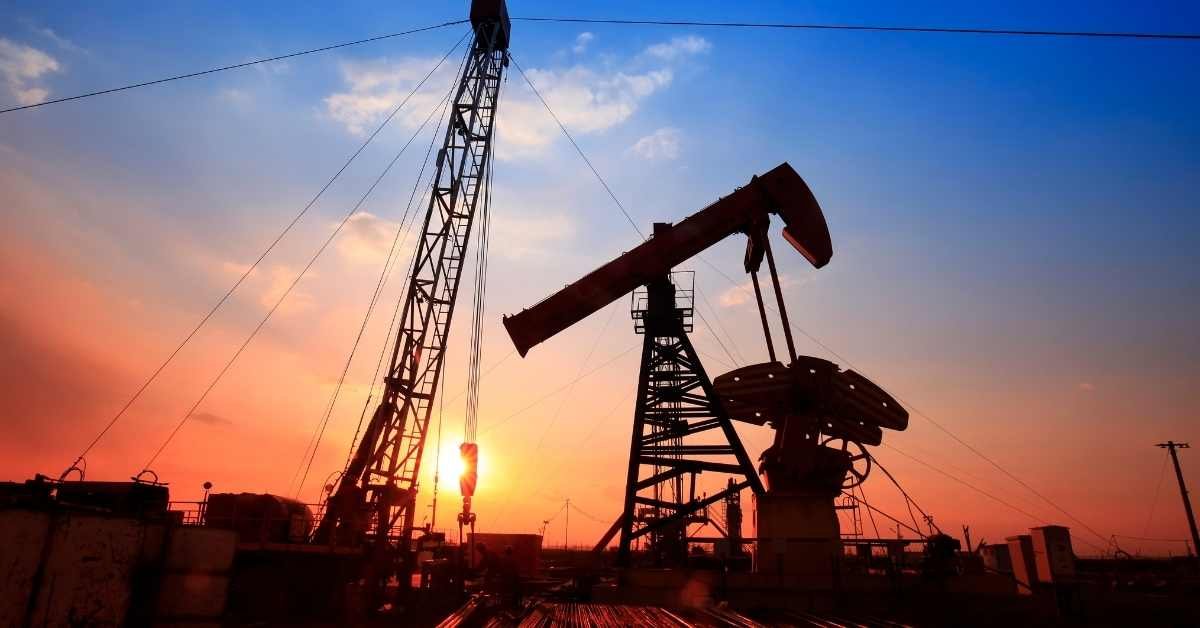
Iran holds some of the world’s largest proven oil and gas reserves. It ranks among the top countries globally in both categories.
But the idea that Washington simply wants to “Take The Oil” is too simplistic for today’s system.
The U.S. is now one of the largest oil producers in the world, but it does not depend on Iranian crude the way it did in the 1970s.
However, control of energy flows still matters strategically.
Iran sits near the Strait of Hormuz, a narrow maritime corridor through which a significant percentage of global oil shipments pass. If tensions escalate, that chokepoint becomes vulnerable.
Energy disruptions do not just raise fuel prices, but they can also create political instability in Europe and Asia.
Iran’s Influence Challenges the USA
Another reason Iran draws attention is that it operates across borders.
Through relationships with groups in Lebanon, Iraq, Syria, and Yemen, Iran influences them indirectly.
From Washington’s perspective, this creates a networked challenge.
When you are dealing with one civil war in isolation, you can compartmentalize it. When one state influences several arenas at once, the issue becomes systemic.
That is why Iran appears in discussions about Gaza, Lebanon, Iraq, and even Red Sea shipping disruptions.
The Israel Factor We Cannot Ignore
The United States has a long-standing strategic partnership with Israel.
Iran openly positions itself as Israel’s primary regional adversary.
When tensions rise between Iran and Israel, Washington gets automatically involved, or we say ISRAEL DRAG IT, as Israel funds the most American politicians. (They’ve spent over $100 million on 389 congressional races in 2024)
If Iran were to significantly weaken Israel’s deterrence position, that would affect U.S. standing in the region.
So American engagement with Iran is also about alliance management.
Iran’s Relationships With Russia and China are not in the US’s favor
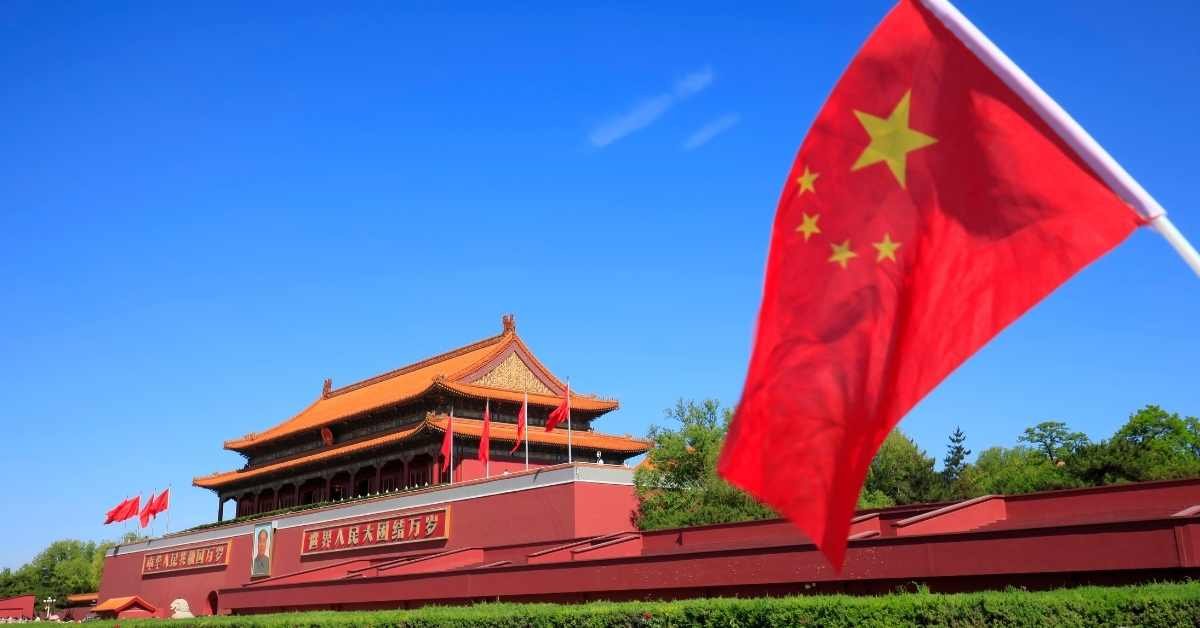
Iran has strengthened ties with both in recent years.
In a period where global politics is increasingly shaped by competition between major powers, that alignment matters.
If Iran integrates further into a Russia-China strategic orbit, it complicates U.S. influence not only in the Middle East but in global trade, military cooperation, and sanctions enforcement.
Washington does not want to see a consolidated bloc that reduces Western leverage.
So part of the attention on Iran is also about managing the broader great power rivalry environment.
So Does the U.S. “Care” About the Iranian People?
NOPE! It cares about what Iran represents strategically.
- Nuclear thresholds.
- Alliance security.
- Energy routes.
- Regional influence.
- Global power competition.
It does not prioritize Iran because Iranian lives matter more than Sudanese, Palestinian, Ukrainian, African, and Congolese lives.
It prioritizes Iran because the stakes intersect directly with American power.
Why Use the Terms Iran Needs to Be Free or Iranian Needs Help?
We all know what happened in Iraq: over a million Iraqis were killed (mostly civilians), and over 4,500 American soldiers died.
So if America sends soldiers onto Iranian ground, it will be a disaster and a very bad decision, and the U.S. won’t take such a stupid decision.
Without sending soldiers, the U.S. cannot control Iran.
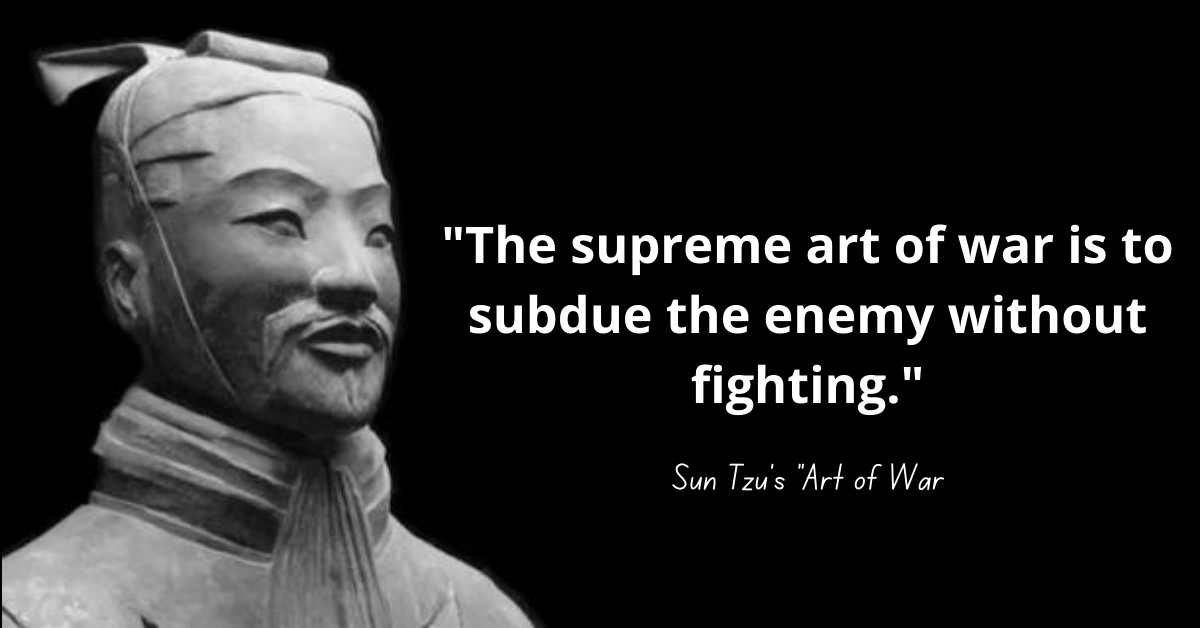
As The Art of War says:
You must confuse the enemy and subdue the enemy without direct fighting
And using the Iranian people is a genius way to throw a government away and bring one in power that aligns with the US, a government that gives up the Ballistic Missiles Program, Enriched Uranium, allows U.S. companies to get oil, joins the Abraham Accords, uses Dollars for Trading, and becomes dependent on America while staying away from Russia and China.
Right now, the USA sees the people of Iran as one of the biggest assets to throw at the government, without sending boots on the ground.
Also, the U.S. claims to promote democracy, but in Iran, in 1951–1953, Iran had an elected leader, Mohammad Mosaddegh, but when he tried to nationalize oil, he was removed, and the Shah came to power with U.S. support, and even the CIA acknowledged that.
The U.S. does not oppose monarchies in countries like Saudi Arabia, Qatar, and Bahrain because they align with it.
If they ever stopped doing so, like abandoning the dollar or turning to China or Russia, suddenly calls for democracy would appear.
This will happen because the U.S. has the power to make it happen.
My Opinion
When you look at the pattern, the focus on Iran is not mysterious. It is consistent with how major powers behave.
The United States engages most intensely where:
- Its dominance is challenged
- A country is becoming more powerful
- Energy control is at stake
- Key allies are involved
- Rival great powers may gain influence (China, Russia)
If the USA really cares about democracy, why doesn’t it preach in Saudi Arabia, Qatar, Bahrain, Jordan, Kuwait, etc?
If it cares about Humanity, why doesn’t it go to North Korea, Palestine, Congo, Myanmar, etc., to save people?
I’m 100% sure, if today, Mr. Khamenei says. We’ll remain weak, no nuclear, no missiles, the US can control oil, and we’ll maintain distance from Russia and China.
The USA will kiss Khamenei’s hands, and after that, even if Khamenei kills thousands of people to take a bath in their blood, America won’t say a single word…. But why? Because it’s not about Humanity, it’s just an interest, Khamenei would be aligning with the USA.
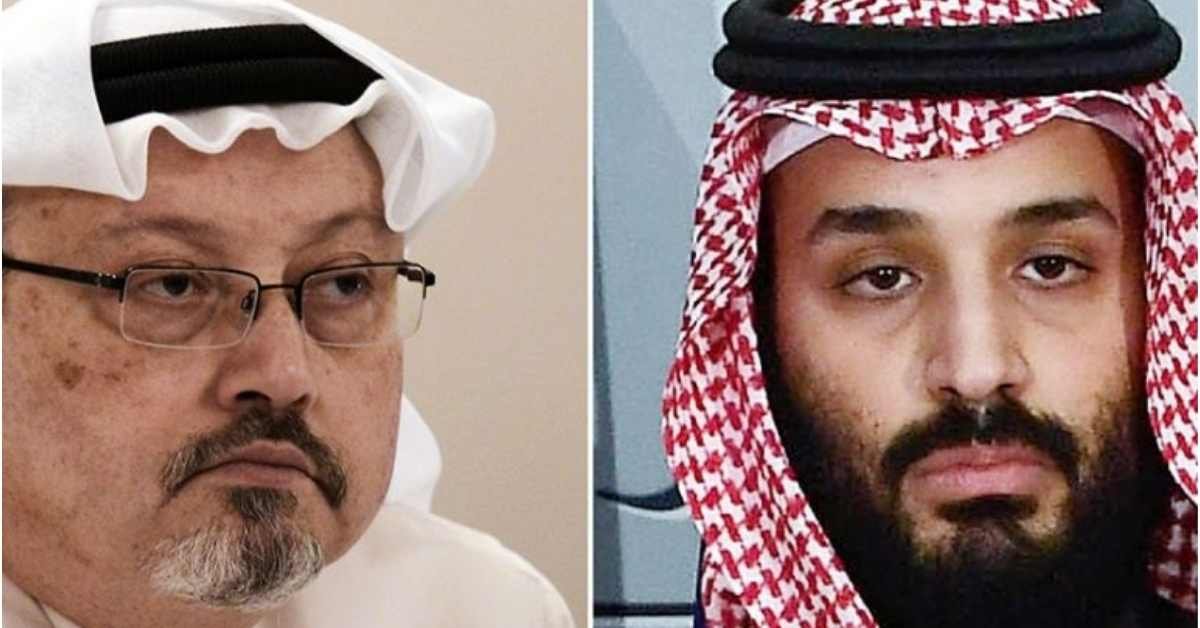
Did you know that a Saudi-born journalist was criticizing the Royal family, and he moved to America for safety reasons and became an American citizen? Yet, his body was cut into pieces in Turkey, by Saudi Arabia, and they were brought to Saudi Arabia in a suitcase.
Now, Khashoggi was an American citizen, but what did America say to Saudi Arabia??? NOTHING.

Abraham is an independent geopolitical analyst, writer, and researcher focused on decoding global conflicts and power shifts beyond the headlines. His work emphasizes strategy, state interests, and historical patterns shaping world affairs.

I really enjoyed your article. Great job!